We use cookies to make your experience better.
To comply with the new e-Privacy directive, you agree to the privacy policy and our use of cookies

The Complete Guide to POS Systems for UK Retail & Hospitality Businesses
The Complete POS System Guide: Everything UK Businesses Need to Know

A modern point-of-sale system is far more than a till — it is the operational hub of your business, handling payments, stock, staff, and customer data in one place. Whether you run a busy high-street boutique, a multi-site restaurant group, or a growing independent pharmacy, choosing the right system shapes your efficiency, your customer experience, and your bottom line. This guide gives you everything you need to evaluate, compare, and confidently invest in the right solution for your UK operation.
Written by the EPOS Direct UK team, who work alongside UK retailers, hospitality operators, and specialist businesses every day to help them choose, install, and get the most from their point-of-sale systems.
What Is a POS System and How Does It Work?
A point-of-sale system is the combination of hardware and software that processes a sale at the moment a customer pays. At its simplest, it records the transaction, updates stock levels, and prints or emails a receipt. At its most sophisticated, it connects every corner of your business — from your kitchen display screen to your e-commerce store — in real time.
A typical UK setup consists of:
- Hardware: a touchscreen terminal or tablet, barcode scanner, receipt printer, cash drawer, and a card payment device
- Software: the operating system running on the terminal, often cloud-connected so data is accessible anywhere
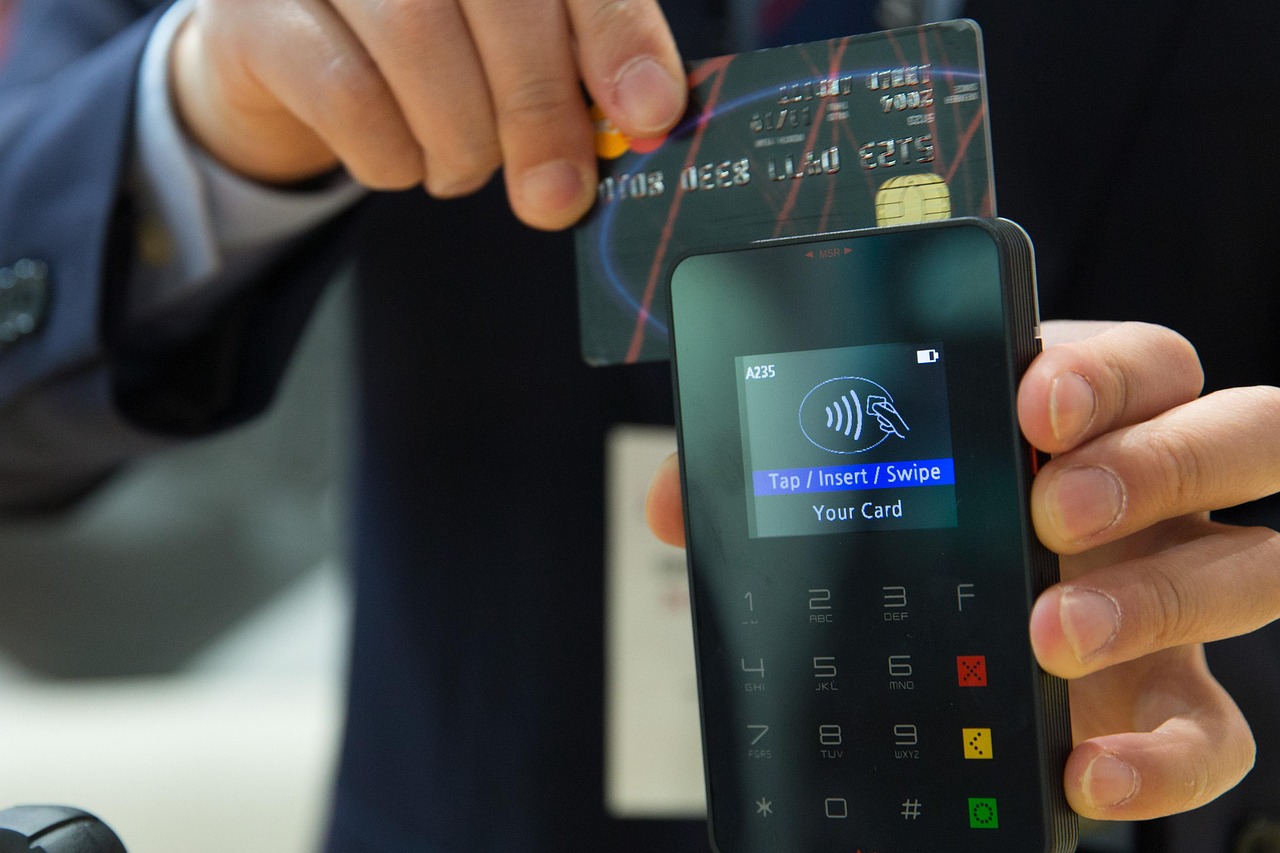
- Payment integration: a link to a card machine or payment gateway that processes chip-and-PIN, contactless, and digital wallet transactions
- Back-office tools: reporting dashboards, stock management, loyalty programmes, and staff management modules
Modern EPOS (electronic point of sale) systems go further still, syncing with accounting platforms such as Xero and Sage, connecting to online ordering channels, and generating the kind of granular sales data that once required a separate business intelligence team.
Types of POS Systems: Which One Suits Your Business?
Not every business needs the same solution. Understanding the main categories helps you avoid paying for features you will never use — or, equally costly, buying a system that cannot grow with you.
Cloud-Based (SaaS) EPOS
Data lives on remote servers, accessible via any browser or app. Updates happen automatically, and multi-site management becomes straightforward. This is now the default choice for most new UK installations because of its flexibility and lower upfront hardware dependency.
On-Premise EPOS
The software and database sit on a local server within your premises. It operates independently of internet connectivity, which appeals to businesses in areas with unreliable broadband or those with strict data-governance requirements. The trade-off is higher upfront cost and a reliance on in-house or contracted IT support for updates.
Mobile and Tablet POS
iPad or Android-tablet systems paired with a card reader are popular with market traders, pop-up retailers, and smaller hospitality venues. They are lightweight, affordable to start with, and increasingly capable — though they may lack the robustness required for high-volume, multi-terminal environments.
Integrated All-in-One Systems
Purpose-built terminals with touchscreen, receipt printer, and card acceptance built into a single unit. These suit fast-moving retail counters and quick-service restaurants where counter space is at a premium and reliability is non-negotiable. You can explore how a card machine and till system combined simplifies the checkout experience and reduces cabling complexity.
Key Features to Look for in a UK POS System
Once you know which category fits your business model, the next question is which features actually matter. Vendors list dozens of capabilities, but experienced buyers focus on a core set.
- UK-compliant payment processing: the system must support EMV chip-and-PIN, contactless payments up to the current UK limit (set by UK Finance — verify the current limit at ukfinance.org.uk), and popular digital wallets including Apple Pay and Google Pay
- Real-time stock management: automatic stock deduction per sale, low-stock alerts, and purchase order generation
- Multi-site and multi-terminal capability: critical for any business planning to expand beyond a single location
- Robust reporting: hourly, daily, and period-end sales reports; staff performance data; and margin analysis by product or category
- Integration ecosystem: compatibility with your accounting software, e-commerce platform, and any loyalty or CRM tools you use
- Offline mode: the ability to continue processing sales locally if the internet connection drops, syncing automatically on reconnection
- Support and training: UK-based technical support with realistic response SLAs, plus onboarding resources for your team
For sector-specific requirements, our guide to the best till systems for small businesses walks through which features matter most at each stage of growth.
How Much Does a POS System Cost in the UK?
This is one of the first questions any buyer asks — and one of the most difficult to answer honestly without knowing your specific requirements. Here is a realistic picture of what UK businesses typically pay.
| Solution Tier | Typical Hardware Cost | Typical Software Cost | Best Suited To |
|---|---|---|---|
| Entry-level tablet POS | From approximately £200–£500 per terminal | From around £20–£40 per month | Solo traders, market stalls, pop-ups |
| Mid-range EPOS terminal | Typically £500–£1,200 per terminal | Around £40–£80 per month | Independent retailers, cafés, small restaurants |
| Full-featured EPOS suite | Typically £1,000–£2,500+ per terminal | Around £80–£200+ per month | Multi-terminal retail, restaurants with table management and kitchen display |
| Enterprise / multi-site | Quoted per project | Custom pricing, often from £150–£300+ per month per site | Chains, large hospitality groups, specialist sectors |
All figures above are indicative market ranges only, not guaranteed quotes. Your actual investment will depend on terminal count, software modules, peripheral hardware, installation, and support requirements.
Installation, data migration, staff training, and ongoing support packages are additional costs worth budgeting for. If keeping initial outlay low is a priority, our guide to the most affordable EPOS systems for small businesses explores where you can sensibly economise and where cutting corners tends to cost more in the long run. If card transaction fees are a concern, it is also worth reviewing options around a card machine with no monthly fee to understand the real total cost of acceptance.
To get accurate pricing for your specific requirements, request a free demo and personalised quote from the EPOS Direct team.
Choosing the Right System for Retail vs Hospitality
Retail and hospitality businesses share a need for fast, reliable payment processing — but their operational demands diverge significantly.
Retail Priorities
- Barcode scanning speed and accuracy across large SKU counts
- Size, colour, and variant matrix management
- Integrated loyalty schemes and gift cards
- Returns and exchange workflows
- E-commerce channel sync for click-and-collect or online-plus-store inventory
Fashion and apparel retailers in particular benefit from EPOS built around variant management. Our detailed guide to EPOS systems for clothing shops covers the specific features that prevent stock discrepancies and support seasonal trading patterns.
If you run a retail business and want to see the software in action before committing, you can book a retail EPOS software demo with the EPOS Direct team.
Hospitality Priorities
- Table plan management and cover tracking
- Course-by-course kitchen display system (KDS) integration
- Modifier and allergen management on menu items
- Split-bill and multi-payment handling
- Integration with delivery platforms and online reservation systems
For restaurant and hospitality operators, a restaurant EPOS software demo will show you how table management, kitchen display, and payment workflows integrate in a live environment — far more useful than reading a feature list alone.
Pharmacies, convenience stores, and specialist retailers have additional requirements around product databases, age-verification prompts, and regulatory reporting. A pharmacy EPOS software demo is available for healthcare and dispensing businesses.
How to Set Up and Integrate Your New System
A well-planned implementation prevents the most common causes of frustration: incomplete stock data, undertrained staff, and integration failures on launch day.
- Audit your current data: clean your product list, supplier database, and any existing customer records before migration. Garbage in, garbage out applies acutely to EPOS.
- Map your integrations: identify every third-party system the EPOS needs to connect to — accountancy software, e-commerce platforms, booking engines — and confirm API compatibility before purchase.
- Plan your hardware layout: consider cable management, customer-facing display positioning, and — for hospitality — whether you need fixed terminals, handheld ordering devices, or both.
- Schedule staff training: allow time for all team members to practise on a test environment before going live. Focus on the five most frequent transaction types first, then build from there.
- Run a parallel period: where possible, operate both old and new systems simultaneously for a short handover window to catch any data discrepancies.
- Confirm payment integration: test every payment method — chip-and-PIN, contactless, mobile wallet — before removing your old terminal. If you are also upgrading your card acceptance, our guide to the best wireless card machines for small businesses helps you identify the right device for your footfall and layout.
The EPOS Direct installation team manages the full setup process for UK customers, including data migration, hardware commissioning, and on-site training where required.
Why UK Businesses Choose EPOS Direct
EPOS Direct has supplied and supported point-of-sale systems to UK businesses across retail, hospitality, pharmacy, and specialist sectors for many years. The combination of proprietary software, purpose-built hardware, and UK-based support sets it apart from generic tablet-POS providers and overseas vendors whose support teams operate in different time zones.
Key reasons businesses return and refer others:
- One supplier, full accountability: hardware, software, payment integration, and support all come from one team — no finger-pointing between vendors when an issue arises
- Sector-specific software: purpose-built modules for retail, restaurant, quick-service, pharmacy, and more, rather than a one-size-fits-all platform adapted uncomfortably to each vertical
- Scalable architecture: a system that works for a single terminal today is built to grow to ten sites without requiring a platform change
- UK compliance: built around UK payment standards, VAT reporting requirements, and HMRC-compatible data exports
You can explore the full range of solutions and current offers on the EPOS Direct UK home page, browse the complete guide to EPOS systems for small businesses, or dive deeper into the brand and its approach in the complete guide to EPOS Direct's systems and services.
Retail businesses can view current packages at our retail EPOS offers page, while hospitality operators will find tailored solutions at our hospitality and restaurant EPOS offers page.
Ready to Find the Right System for Your Business?
Choosing a point-of-sale system is one of the most consequential operational decisions a UK business owner makes — and one that rewards careful research. The right system reduces errors, accelerates service, provides genuinely useful business data, and pays for itself through efficiency gains and better stock control. The wrong one becomes an expensive constraint that your team works around rather than with.
EPOS Direct's advisors work with businesses at every stage, from first-time buyers replacing a standalone till to established operators migrating from legacy systems. Talk to an expert online to discuss your requirements without obligation, or request a call back at a time that suits your schedule. The right system is closer than you think.
Frequently asked questions
- What is the difference between a POS system and an EPOS system?
- A traditional POS (Point of Sale) system typically refers to a basic electronic till that processes transactions. An EPOS (Electronic Point of Sale) system goes further — it combines the till with software that manages stock levels, sales reporting, staff management and often integrates with accounting tools. Most modern UK businesses use EPOS systems because they deliver far more operational value beyond simply taking payments.
- How much should I expect to pay for a POS system in the UK?
- Costs vary considerably depending on your setup. A basic cloud-based POS with a tablet and card reader can start from around £300–£500 upfront, with monthly software fees of £20–£80. A full EPOS bundle for a retail or hospitality business — including a touchscreen terminal, receipt printer, barcode scanner and cash drawer — typically ranges from £800 to £2,000 per till station. Multi-site or enterprise setups will cost more. Many providers, including EPOS Direct, offer finance options or lease agreements to spread the cost.
- Do I need an internet connection to run a till system in my shop or restaurant?
- Most modern EPOS systems are cloud-based and work best with a stable internet connection, which enables real-time stock syncing, remote reporting and software updates. However, reputable systems — including those from EPOS Direct — offer offline mode, meaning your till continues to process sales even if your connection drops, and syncs automatically once it's restored.
