We use cookies to make your experience better.
To comply with the new e-Privacy directive, you agree to the privacy policy and our use of cookies


Best POS Systems with Built-In Loyalty Programmes for Small UK Businesses
POS Systems with Loyalty Programmes for Small UK Businesses
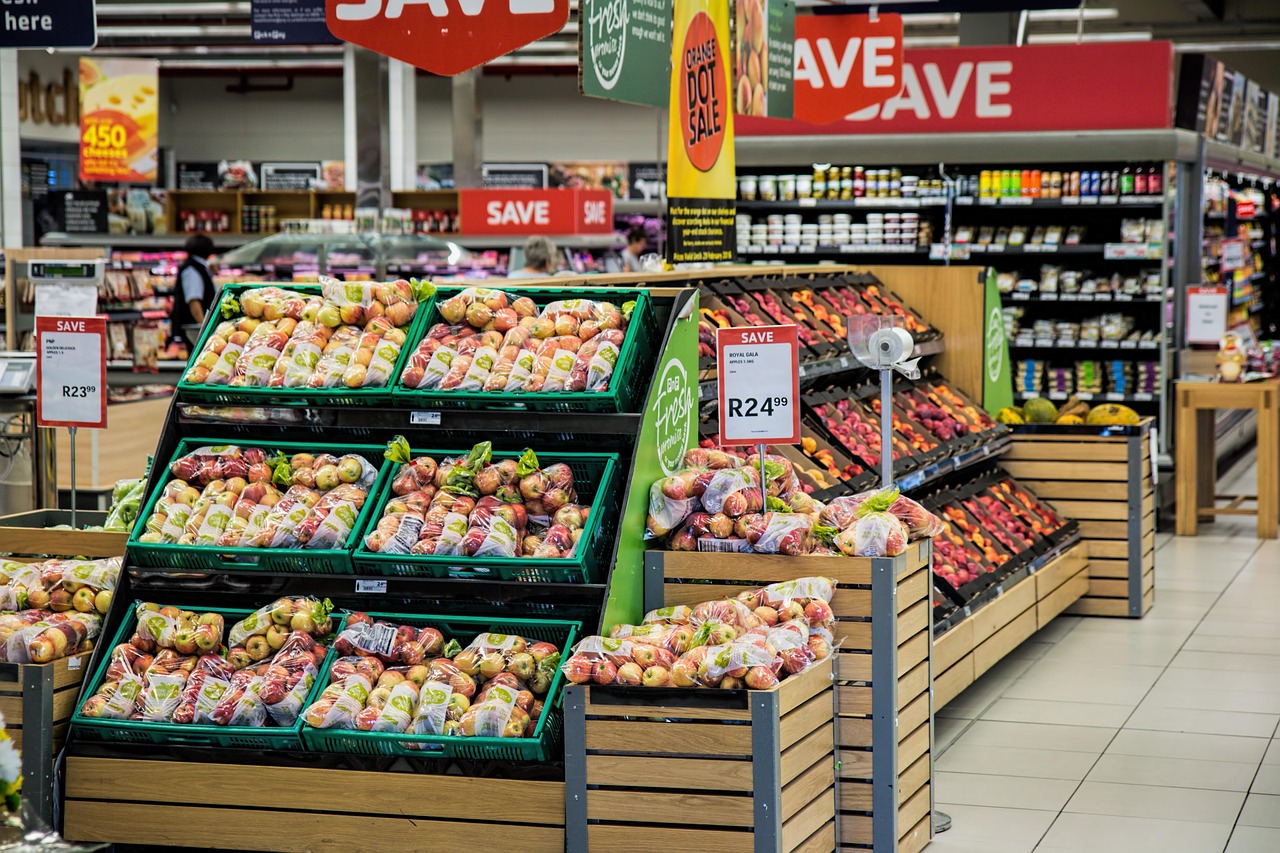
A well-chosen till system does more than process payments — it builds the kind of customer relationships that keep people coming back week after week. For small UK businesses, a POS system with a built-in loyalty programme removes the need for a separate app or third-party platform, giving you a single, unified tool to reward customers, track buying behaviour, and grow repeat revenue from day one. Whether you run a boutique, a café or a local pharmacy, the right setup can turn a one-time buyer into a loyal regular with remarkably little friction.
Why Repeat Customers Are Your Most Valuable Asset
Customer acquisition costs money. Paid advertising, promotions and word-of-mouth campaigns all require investment, and for a small business operating on tight margins, the economics are unforgiving. Retaining an existing customer is significantly more cost-effective than winning a new one — a principle widely cited across retail and hospitality research, and one that any experienced business owner will recognise from their own trading patterns.
Loyalty programmes formalise what good independent businesses have always done instinctively: remember their customers and reward them for coming back. A digital loyalty scheme embedded in your EPOS system does this automatically, without staff needing to remember faces or manually track stamps on a card. It also gives you data — which products are most popular among your regulars, how frequently loyal customers visit, and what rewards actually motivate repeat purchases.
If you are still weighing up whether to upgrade your current setup, our guide on switching from a cash register to a modern EPOS system is a practical starting point.
Key Features to Look for in a Loyalty-Enabled POS System
Not every system that claims loyalty functionality delivers it with the depth a growing business needs. Before committing, scrutinise the following:
- Points-based engine: Configurable rules that let you award points per £1 spent, per transaction, or on specific products — with the ability to set multiplier events (double points on Tuesdays, for example).
- Customer profiles: A searchable database that stores purchase history, contact details and accumulated rewards against each customer record.
- Redemption flexibility: The ability to redeem points as money-off at the till, as free items, or as tiered status rewards, without requiring a separate app or clunky manual override.
- Automated communications: Email or SMS triggers for milestones — "You're 50 points away from a free coffee" — sent without any manual staff intervention.
- Reporting dashboard: Clear visibility of programme performance: active members, redemption rates, top spenders, and the proportion of revenue driven by loyalty customers.
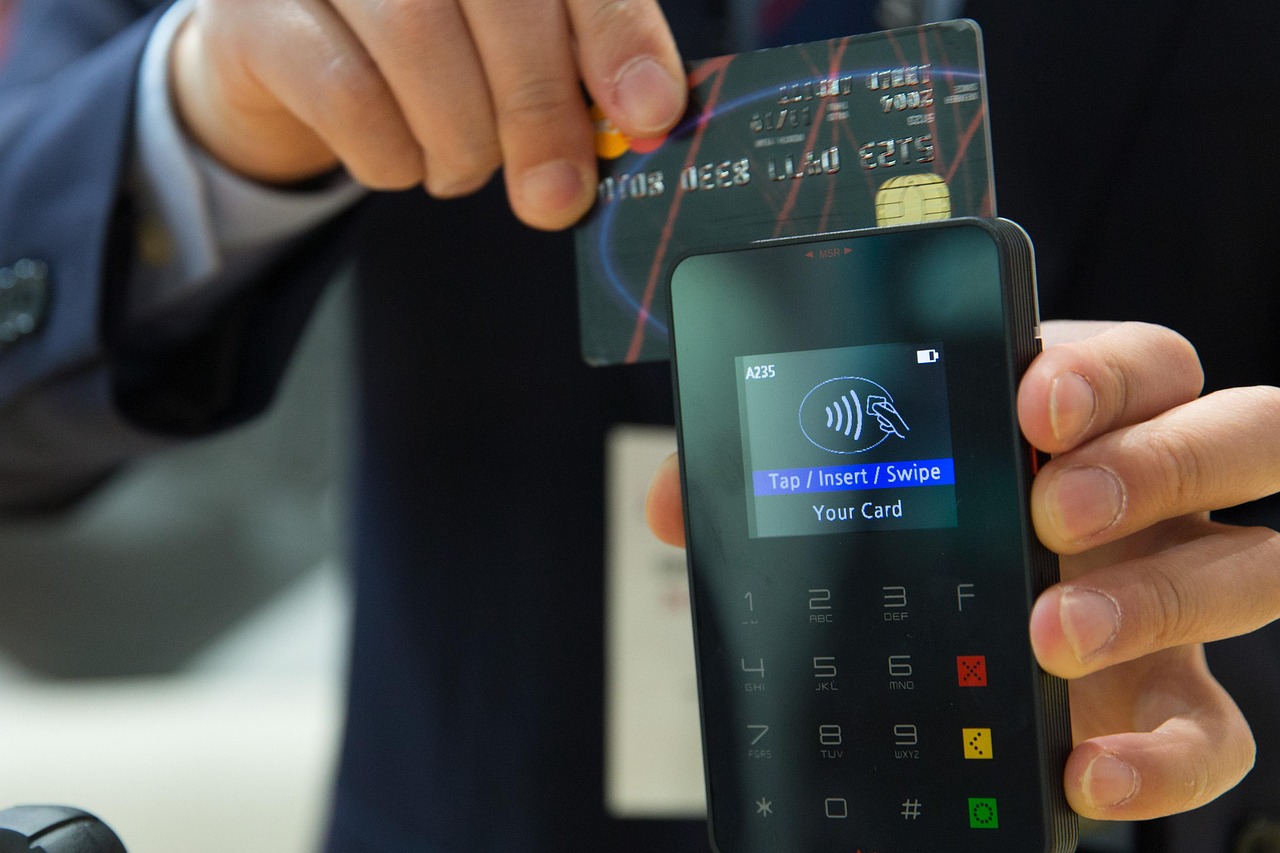
- Hardware integration: The loyalty module must work seamlessly at the physical till, including any card machine paired with it. See our overview of combining a card machine and till system for more detail on integration considerations.
- GDPR compliance: Any system storing customer personal data must comply with UK GDPR. Ensure your provider offers a compliant sign-up flow and data-deletion capability. The ICO website (ico.org.uk) is the definitive reference for your obligations.
How Points, Rewards and Discounts Work at the Till
The best implementations are invisible to the customer in the best possible sense — they simply hand over their card or scan a QR code, and the system does the rest. Here is how a typical transaction flow looks in a well-configured EPOS loyalty setup:
- The customer is identified at the point of sale — via a loyalty card barcode, a phone number, or a linked payment card.
- The EPOS software calculates points earned on the current basket, applying any active promotional multipliers automatically.
- The till displays the customer's updated balance and, if a reward threshold has been reached, offers the option to redeem — either as a discount applied to the current transaction or held for a future visit.
- A receipt (digital or printed) confirms points earned and current balance, reinforcing the value of returning.
The key differentiator between a native integration and a bolt-on solution is that the above happens within a single screen, with no staff needing to switch apps or re-enter totals. Speed at the till matters in busy environments, and a clunky loyalty workflow will simply stop being used.
Industries That Benefit Most
While almost any business with repeat custom benefits from a loyalty programme, certain sectors see a particularly strong return on investment:
Retail
Independent clothing boutiques, gift shops, health food stores and convenience retailers all operate in categories where customers make multiple purchases per year and respond strongly to reward incentives. A well-configured retail EPOS can segment loyalty customers by product category, enabling targeted promotions — a powerful capability for small retailers competing with larger chains. Explore our retail EPOS offers to see what is currently available for UK independent retailers.
Hospitality and Food & Beverage
Cafés, restaurants, bakeries and bars benefit enormously from high-frequency loyalty mechanics — a free coffee after ten visits is a simple concept that dramatically increases visit frequency. For restaurants, loyalty data also informs menu development: knowing which dishes your most valuable regulars order most often is genuinely useful intelligence. If this is your sector, the restaurant EPOS software demo shows how loyalty integrates into a hospitality workflow.
Pharmacies and Health Retail
Pharmacies with retail sections — OTC products, cosmetics, supplements — are a natural fit for points-based schemes, mirroring the model used by the major pharmacy chains. A system with a pharmacy-specific loyalty module can apply different earn rates to different product categories, excluding prescription items as required. The pharmacy EPOS software demo covers this in detail.
Salons and Wellness
Hair salons, beauty studios and wellness businesses benefit from appointment-linked loyalty, where points are tied to service bookings rather than (or in addition to) product purchases, driving both retail upsell and repeat appointment bookings.
What Does a Loyalty-Enabled POS System Cost in the UK?
Pricing varies considerably depending on the hardware specification, software tier and whether you opt for outright purchase or a monthly subscription. The table below gives honest indicative ranges for the UK market — these are guidance figures, not formal quotes, and your actual investment will depend on your specific requirements.
| Setup Type | Typical Monthly Cost (Software + Support) | Hardware Indicative Cost | Loyalty Programme Included? | Best For |
|---|---|---|---|---|
| Entry-level cloud POS (software only, own device) | Typically from £30–£60/month | Use existing tablet/iPad | Basic (points only) | Very small or pop-up businesses |
| Mid-tier EPOS bundle (software + dedicated terminal) | Typically £50–£120/month | Typically from £500–£1,200 upfront, or included in subscription | Full points, tiers, communications | Established independents: retail, café, salon |
| Full hospitality/retail EPOS suite (multi-terminal) | Typically £100–£250+/month | Typically from £1,500–£4,000+ depending on terminals | Advanced: segments, campaigns, CRM | Busy restaurants, multi-location retailers |
| Outright purchase + annual software licence | Annual licence typically £300–£800/year | Hardware purchased outright | Depends on licence tier | Businesses preferring ownership over subscription |
For a thorough breakdown of the subscription versus ownership decision, our article on monthly EPOS subscription versus outright purchase walks through the financial considerations in detail. For a broader overview of what the market offers at each budget level, our complete buyer's guide to till systems for small businesses is a useful companion read.
How EPOS Direct Integrates Loyalty Into Your Till System
EPOS Direct builds loyalty programme functionality directly into its EPOS software rather than relying on a third-party plugin. This means the customer database, the points engine, the redemption flow and the reporting dashboard all sit within the same interface your staff use every day — no switching between platforms, no duplicate data entry, no integration fee.
The loyalty module within EPOS Direct's software supports configurable earn rates, tiered reward levels, and automated customer communications via email. Customer records are searchable by name, phone number or loyalty card barcode, and redemption can be applied as a discount line on the current transaction in seconds. The reporting suite shows programme performance alongside your standard sales data, so you can see at a glance what proportion of revenue comes from your loyalty base and adjust incentives accordingly.
You can explore the full capability via the EPOS Direct software platform, or book a tailored walkthrough — the retail EPOS software demo is particularly useful for shop owners wanting to see the loyalty flow in context.
For businesses comparing providers before making a decision, our complete comparison guide sets out how EPOS Direct measures up against other till systems on the UK market.
More offers and information for businesses at every stage — from first till to multi-site expansion — are available on the EPOS Direct UK home page.
Getting Started: Launching Your Loyalty Programme Alongside a New POS
A new EPOS system and a loyalty programme launch well together because the setup process naturally involves configuring your product library, pricing and customer-facing workflows anyway. Adding loyalty at this stage costs very little in additional time and ensures the programme is active from your first transaction on the new system.
A practical launch sequence
- Define your mechanics: Decide on your earn rate (e.g. 1 point per £1 spent), your reward threshold (e.g. 200 points = £5 off), and whether you want tiered membership levels. Keep it simple enough that staff can explain it in one sentence.
- Configure in software: Work with your EPOS provider to set up the rules, add a sign-up flow to your customer-facing display, and test redemption before going live.
- Train your team: Staff confidence is the single biggest factor in sign-up rates. A 30-minute briefing covering how to enrol a customer and how to apply a redemption is usually sufficient.
- Promote the launch: Use your existing email list, social channels and in-store signage. A launch incentive — double points for the first month, for example — accelerates early sign-ups and creates an immediate data set to work with.
- Review at 90 days: Check your redemption rate, active member count and whether loyal customers are spending more per visit than non-members. Use this data to refine your reward structure.
If you are still selecting your hardware, our guide to the best wireless card machines for small businesses covers the payment side of the setup, which is worth aligning with your EPOS choice from the outset.
Ready to Build Customer Loyalty into Your Till System?
A loyalty programme is not a luxury add-on — for a small UK business with an existing customer base, it is one of the highest-return investments available. The key is choosing a POS system where loyalty is built in from the ground up, not grafted on as an afterthought, so that every transaction quietly strengthens your customer relationships without adding complexity for your team.
EPOS Direct works with independent retailers, hospitality businesses and specialist sectors across the UK, helping them configure systems that work from day one. To see the loyalty features in action, request a free demo at a time that suits you — or if you would prefer to talk through your requirements first, speak to an expert online and get tailored guidance for your business type and budget.
Written by the EPOS Direct UK team, who support independent businesses across the United Kingdom with EPOS and POS system selection, configuration and ongoing service every day.
Frequently asked questions
- Can I add a loyalty programme to my existing till system, or do I need a new one?
- It depends on your current setup. Some older or basic till systems cannot support loyalty software natively, meaning you may need a third-party app or an entirely new EPOS solution. Modern cloud-based POS systems like those from EPOS Direct are designed to integrate loyalty features directly, saving you from juggling separate platforms and monthly add-on costs.
- How much should I expect to pay for a POS system that includes a loyalty programme in the UK?
- In the UK, a small business can typically expect to pay between £300 and £800 upfront for POS hardware (touchscreen terminal, receipt printer, barcode scanner), plus a monthly software subscription ranging from around £30 to £80 per month depending on features. Loyalty programme functionality is sometimes bundled into mid-tier or premium plans, so always confirm what is included. EPOS Direct offers tailored packages — it is worth requesting a quote to get an accurate price for your specific setup.
- What loyalty programme structures work best for small retail or café businesses?
- The most effective loyalty structures for small businesses are points-per-pound-spent schemes and stamp-card-style visit rewards, as they are simple for customers to understand and easy for staff to manage at the till. For cafés and hospitality, a digital stamp card (e.g. every 10th coffee free) works well. For retail, tiered points systems that unlock discounts or exclusive offers tend to drive higher average basket sizes. Your POS system should let you configure these rules without needing a developer.
