We use cookies to make your experience better.
To comply with the new e-Privacy directive, you agree to the privacy policy and our use of cookies


The Best POS Systems for Takeaway Businesses with Built-In Online Ordering
The Best POS Systems for Takeaway Businesses with Built-In Online Ordering
For takeaway businesses across the UK, the gap between a smooth order flow and an overwhelmed kitchen often comes down to one thing: whether your till and your online orders talk to each other. A capable EPOS system with integrated online ordering eliminates manual re-entry, reduces errors during rush periods, and gives customers a seamless experience from checkout to collection. This guide explains exactly what to look for, how the technology works, and how much a proper setup costs — so you can make a confident, informed decision.
Why Takeaway Businesses Need Integrated Online Ordering in Their Till
The takeaway market in the UK has changed permanently. A large and growing share of orders now arrive digitally — through branded websites, third-party delivery apps, or QR-code menus — yet many independent takeaways still manage these channels separately from their main till. The result is a fragmented operation: staff manually keying orders from a tablet into a till, mistakes multiplying during peak hours, and no reliable sales data to inform decisions.
When your EPOS system and online ordering are unified, every order — whether placed in person, over the phone, or through your website — flows into a single system. Menus update in one place, sold-out items disappear automatically, and your end-of-day reports reflect your actual trading. That operational clarity is the foundation of a profitable takeaway.
Key Features to Look for in a Takeaway EPOS with Online Ordering
Not all hospitality EPOS systems are built with the specific demands of a takeaway in mind. When evaluating options, prioritise the following:
Menu Management and Modifier Control
- Centralised menu editing: A single change — removing a dish, updating a price — should propagate instantly to every ordering channel: the till, the website, and any connected delivery platforms.
- Deep modifier support: Takeaway menus rely on modifiers (spice levels, portion sizes, extras, dietary options). Your system must handle nested modifiers and mandatory choices without workarounds.
- Category and timing rules: Breakfast menus, lunch specials, and late-night additions should activate automatically by time of day.
Order Management and Customer Flow
- Order sequencing: Online orders need a collection time or delivery window attached, so the kitchen isn't flooded simultaneously when orders land at once.
- Customer notifications: Automated SMS or email confirmation reduces "where's my order?" calls during service.
- Table or collection number display: Even in a takeaway context, visible order identifiers reduce handover errors at the counter.
Reporting and Loyalty
- Channel-by-channel sales reporting (walk-in vs. online vs. delivery app) reveals which revenue streams are actually profitable once platform fees are accounted for.
- A built-in loyalty or stamp-card feature encourages repeat custom without a separate app.
How Online Ordering Integrates with Your EPOS Till
This is the question most takeaway owners ask first, and the answer matters enormously for day-to-day operations.
There are three integration models in common use:
- Native integration: The online ordering platform is built by the same provider as the EPOS software. Orders fire directly to the kitchen printer or kitchen display screen (KDS) with no middleware. This is the most reliable approach and the one EPOS Direct recommends for most takeaway setups. You can explore how this works in practice via a restaurant EPOS software demo.
- API integration: Your EPOS connects via a published API to a third-party ordering platform. This works well when configured correctly but introduces a dependency on both providers maintaining compatibility.
- Tablet aggregation: A separate aggregation device (sometimes called an order hub) consolidates incoming orders from multiple platforms and pushes them to the till. This is common when a business uses several delivery apps and cannot integrate them natively. It adds a hardware cost and a small latency but is often the most practical solution for multi-platform operators.
For a deeper understanding of how modern EPOS software architecture supports hospitality businesses, the complete EPOS system guide covers the technical landscape clearly.
Managing Peak Hours: Kitchen Display, Order Routing and Printing
A Friday evening service can see a takeaway receive dozens of simultaneous orders across walk-in, phone, and online channels. Without structured routing, tickets pile up, preparation sequences break down, and food quality suffers. A well-configured system prevents this through three mechanisms:
Kitchen Display Screens (KDS)
A KDS replaces or supplements paper tickets. Orders appear colour-coded by channel and age, so chefs can prioritise without verbal instruction. Items are marked complete individually, and the screen updates in real time. For high-volume takeaways, this single change reduces ticket loss and speeds service noticeably.
Order Routing by Station
A good takeaway EPOS allows you to route specific categories — starters, mains, drinks, desserts — to separate printers or KDS screens. A grill order doesn't need to appear on the fryer screen. Correct routing means each station works its own queue without information overload.
Bump Bars and Collection Alerts
Once a kitchen station marks an order complete, a bump bar or front-of-house display can alert counter staff that an order is ready for collection. For takeaways with a collection bay or numbered shelf system, this removes the need for shouting across the kitchen.
Payments, Delivery Platforms and Third-Party Integrations Explained
A takeaway EPOS setup doesn't exist in isolation. It connects to payment terminals, delivery aggregators, and often accounting software. Here's how each layer works:
Integrated Card Payments
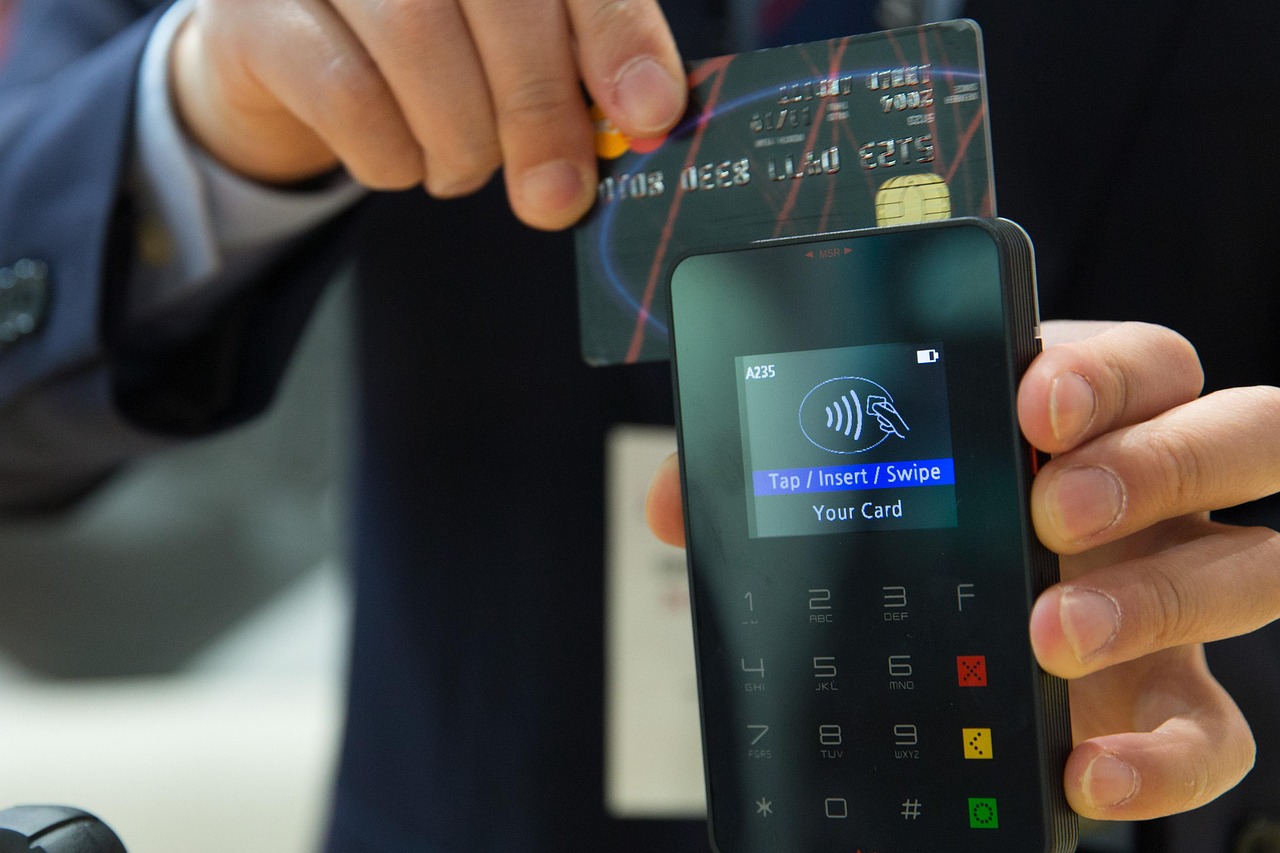
Your card machine should be linked to your till so that totals are passed automatically — no manual key-in, no mismatched end-of-day figures. For takeaways that take orders at the counter, the combined card machine and till system guide explains the available approaches and what to check before committing. If your setup involves counter service and tableside payment, a wireless terminal is often the right choice; the guide to wireless card machines for small businesses covers what matters in a UK context.
Delivery Platform Connections
Major delivery aggregators used in the UK offer EPOS integration at varying levels of depth. Some push orders directly; others require a middleware hub. Critically, evaluate whether menu changes made in your EPOS update automatically on the platform, or whether you're maintaining two separate menus — the latter is a significant operational burden.
Accounting and Stock
Integration with cloud accounting platforms means your daily takings, VAT figures, and cost-of-goods data flow through automatically. Combined with ingredient-level stock tracking, this gives a genuinely accurate picture of margins — not just turnover.
What a Takeaway EPOS System with Online Ordering Costs in the UK
Pricing varies depending on hardware, software tier, and the number of ordering channels. The following ranges are indicative of the UK market and should be treated as a starting guide rather than a quote.
| Setup Type | What's Typically Included | Indicative Monthly Cost | Best For |
|---|---|---|---|
| Entry-level takeaway EPOS | Touchscreen till, receipt printer, basic software, card integration | Typically from £30–£60/month | Small, single-channel takeaways |
| Mid-range with online ordering | Till, KDS or kitchen printer, branded online ordering, integrated payments | Typically £60–£120/month | Growing takeaways with website orders |
| Full multi-channel setup | Till, KDS, kitchen printer, online ordering, delivery app integration, loyalty, reporting | Typically £100–£200/month | Established takeaways with multiple channels |
| Hardware purchase (outright) | Touchscreen terminal, cash drawer, printer — bought upfront | Typically from £500–£1,500 one-off | Owners who prefer to own rather than lease |
Transaction fees on integrated card payments typically range from around 1% to 1.7% per transaction in the UK, depending on your provider and volume. If cost efficiency is a priority, it's worth reviewing options through the affordable EPOS systems buyer's guide, which examines the real total cost of ownership across different setup types. Equally, if you're weighing up payment costs, card machines with no monthly fee may suit lower-volume periods or a second location.
Always request a full breakdown of software fees, hardware costs, installation, and support contracts before signing — the monthly headline figure rarely tells the complete story.
Why UK Takeaway Owners Choose EPOS Direct for Their Online Ordering Setup
EPOS Direct has worked with independent takeaways, fast-food operators, and multi-site food businesses across the UK, and the pattern is consistent: owners want a system that simply works under pressure, doesn't require a technician every time the menu changes, and gives them clear data to run a better business.
The EPOS Direct platform is purpose-built for UK hospitality, with features calibrated for takeaway workflows: timed order release, integrated online ordering, kitchen display routing, and payment terminal integration all available within a single ecosystem. There's no need to stitch together software from three different vendors and hope they stay compatible.
Support matters as much as software. EPOS Direct provides UK-based support, so when something needs attention on a Saturday evening, there's a real team available — not a chatbot. For operators who want to explore the software before committing, current hospitality EPOS offers are available online, and you can talk to an expert directly to discuss your specific setup.
For takeaway owners who are earlier in their research and want a broader view of what EPOS technology covers, the complete EPOS guide for small businesses is a practical starting point — as is the EPOS Direct home page, where you'll find current offers and the full product range.
Conclusion
An EPOS system that handles online ordering natively isn't a luxury for a modern UK takeaway — it's the operational foundation that separates businesses that scale from those that stagnate. Unified order management, accurate kitchen routing, and channel-level reporting give you control that a standalone till simply cannot provide.
EPOS Direct works with takeaway businesses across the UK every day, helping owners find the right hardware, software, and integration setup for their specific operation. If you're ready to see the difference a properly integrated system makes, request a free demo or request a call back from the EPOS Direct team — and get a setup that works as hard as you do.
Written by the EPOS Direct UK team, who support takeaway and hospitality businesses with EPOS and POS systems every day across the United Kingdom.
Frequently asked questions
- Can I take online orders directly through my EPOS system without paying Uber Eats or Just Eat commission?
- Yes. A fully integrated takeaway POS like those from EPOS Direct UK can include a branded online ordering portal that sends orders straight to your till and kitchen printer with zero third-party commission. You own the customer relationship and keep 100% of the sale, which typically saves UK takeaways 20–35% in platform fees per order.
- How much should I expect to pay for a takeaway EPOS system with online ordering in the UK?
- Costs vary by setup size, but as a guide: a single-terminal takeaway EPOS bundle with integrated online ordering in the UK typically starts from around £500–£800 for hardware, with software and online ordering modules ranging from £30–£80 per month depending on features and transaction volume. EPOS Direct UK offers tailored quotes, so it is worth contacting them directly for a package matched to your order volume and menu complexity.
- Will online orders automatically print in the kitchen without staff having to manually enter them?
- Yes, with a properly integrated system. When an online order is placed, it flows automatically through the POS software and triggers a print on your kitchen receipt printer or appears on a kitchen display screen. This removes manual re-entry, reduces errors, and speeds up preparation times — which is critical during busy Friday and Saturday evening rushes.
