We use cookies to make your experience better.
To comply with the new e-Privacy directive, you agree to the privacy policy and our use of cookies


Complete Till Systems with Receipt Printer and Cash Drawer: A Buyer's Guide for UK Businesses
POS Systems with Receipt Printer and Cash Drawer: Everything UK Businesses Need to Know
A modern till setup is far more than a screen and a software licence — the hardware surrounding it determines whether transactions are fast, accurate and professional. For UK retailers, cafés, restaurants and independent traders, a fully bundled EPOS system that includes a receipt printer and cash drawer removes the guesswork around compatibility, cuts installation time and ensures every component works as a single, coherent unit from day one. This guide explains exactly what to look for, what to budget, and how to avoid the hidden costs that catch buyers out.
What a Complete Till Bundle Actually Includes
The term "bundle" is used loosely by many suppliers, so it pays to read the spec carefully. A genuinely complete setup for a UK business typically comprises:
- Touchscreen terminal or tablet — the central processing unit running your EPOS software
- Thermal receipt printer — usually 80mm-wide, capable of printing 200mm per second or faster for busy environments
- Cash drawer — triggered automatically by the printer or terminal to open on each transaction
- Barcode scanner — essential for retail, optional but useful for hospitality stock control
- Customer-facing display — increasingly standard, confirms totals and reduces disputes
- EPOS software licence — cloud-based or hybrid, covering sales, inventory and reporting
- Support contract — the element most easily overlooked until something breaks
If a supplier lists only the terminal and printer as the "bundle," you will almost certainly pay separately for the cash drawer, scanner and stand. Always request a full hardware manifest before comparing prices. For a broader view of the market, our guide to the best till systems for small businesses in the UK covers the full landscape of options available to independent traders and growing retailers.
Why an Integrated Setup Outperforms a Piecemeal Approach
Buying a receipt printer from one supplier, a cash drawer from another and software from a third might appear to save money upfront. In practice, it introduces three serious risks:
- Driver and firmware incompatibility — not all thermal printers communicate cleanly with all EPOS platforms. Mismatched drivers cause print failures at the worst possible moments.
- Warranty fragmentation — when hardware fails, each supplier points to the others. A bundled solution gives you a single point of contact.
- Support delays — troubleshooting across multiple vendors costs real time. During a busy lunch or Saturday retail peak, that cost is measured in lost sales and frustrated customers.
An integrated bundle sourced from a single, UK-based EPOS specialist eliminates all three risks. It also simplifies VAT reclaim, asset tracking and insurance, since all equipment appears on a single invoice.
Choosing the Right Receipt Printer: Key Criteria
Not every thermal printer suits every environment. Before specifying hardware, ask these questions:
What is the print volume per day?
A quiet independent bookshop might print 30–50 receipts daily; a city-centre coffee shop might exceed 400. Higher-volume sites need a printer rated for sustained duty cycles — look for models with a mean time between failures (MTBF) quoted in the millions of cuts, not just print head life.
Does the printer need to trigger the cash drawer?
Most 80mm thermal printers include an RJ11 or RJ12 cash drawer port that sends an electrical pulse to open the drawer the moment a transaction completes. Confirm this port is present before purchasing — some budget printers omit it, requiring a workaround through the terminal's USB port, which is slower and less reliable.
Connectivity: USB, Ethernet or Bluetooth?
- USB — simplest for single-till setups; no network configuration required
- Ethernet (LAN) — preferred for multi-terminal environments; one printer can serve multiple tills on the same network
- Bluetooth/Wi-Fi — useful for pop-up retail or table-side printing in hospitality, but introduce latency and pairing complexity
Kitchen and label printing
Restaurants and cafés often need a second printer in the kitchen — a thermal kitchen order printer (KOT), typically 80mm and designed to handle heat and grease. Some operations also require label printers for deli counters or click-and-collect. Confirm whether the EPOS software supports multiple print destinations before committing to hardware.
Cash Drawer Compatibility: What to Verify
Cash drawers are deceptively simple devices, but compatibility failures are common when buyers mix brands. Before purchasing, check the following:
- Connector type — RJ11 (4-pin) and RJ12 (6-pin) are the two standards; most modern printers use RJ11 but always confirm
- Voltage requirement — drawers are typically 24V DC, but some require 12V; a mismatch will either fail to open or damage the solenoid
- Drawer dimensions — standard UK sizes are 330mm × 380mm and 410mm × 415mm; the larger format suits high-cash businesses or those handling multiple currencies
- Note and coin configuration — UK drawers are normally configured for five note slots and eight coin compartments, but hospitality venues with foreign tourist trade may want adjustable inserts
- Lock and security — a drawer without a quality lock is a liability; ensure the unit ships with at least two keys and that replacement keys are available from the supplier
If you are transitioning from a legacy cash register, our practical guide on upgrading from a cash register to a modern EPOS system covers every step of the migration, including what to do with your existing cash drawer if it uses a non-standard port.
POS Bundle Pricing in the UK: Honest Guidance on What to Expect
Pricing varies significantly by specification, software tier and support level. The following ranges are indicative of the UK market as of 2025–26 and should be used as a planning guide, not as quoted prices.
| Setup Type | Typical Hardware Cost (one-off) | Software (per month, indicative) | Best Suited To |
|---|---|---|---|
| Entry-level single till (tablet + printer + drawer) | Typically from £500–£800 | From £25–£50/month | Market stalls, pop-ups, small independents |
| Mid-range retail bundle (terminal + printer + drawer + scanner) | Typically £900–£1,500 | From £50–£100/month | Independent retailers, boutiques, pharmacies |
| Hospitality bundle (terminal + printer + KOT + drawer) | Typically £1,200–£2,000 | From £60–£120/month | Cafés, restaurants, pubs |
| Multi-terminal site (2–4 tills, shared printers, full software) | Typically £2,500–£5,000+ | From £100–£200/month | Larger retailers, multi-lane sites, hotel F&B |
These ranges assume UK-standard hardware quality, a cloud EPOS software licence and basic remote support. On-site installation, advanced reporting modules and integrated card payments may add to the total. For a deeper look at the monthly versus outright purchase decision, read our dedicated guide on whether a monthly EPOS subscription is worth it for your business.
What to avoid
- Suppliers who quote hardware only and bury software fees in a separate contract
- Long minimum software terms (over 24 months) without a hardware refresh guarantee
- Bundles that exclude support or charge premium rates for telephone assistance during trading hours
- Printers and drawers sourced from unbranded suppliers with no UK warranty pathway
Integrating Card Payments with Your Till Hardware
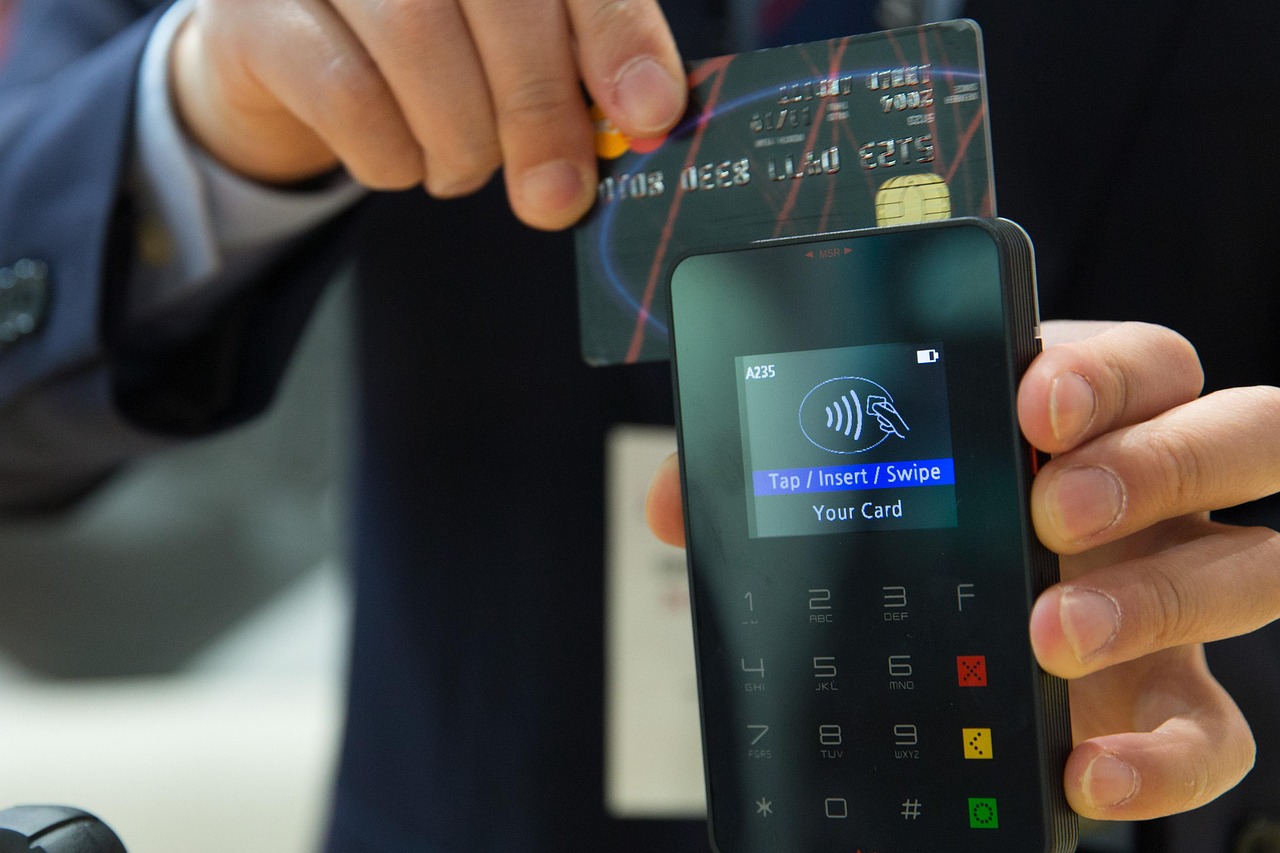
A receipt printer and cash drawer handle cash transactions, but the overwhelming majority of UK consumer spending now goes through card. A cohesive setup means your card terminal communicates directly with the EPOS software — no manual amount entry, no reconciliation errors, no end-of-day discrepancies between card reports and your EPOS Z-read.
Integrated card payments work through a direct API connection between your EPOS platform and your payment processor. When a cashier presses "Pay by card," the exact amount passes automatically to the card machine; once authorised, the EPOS logs the payment and releases the receipt. For a full breakdown of how this works in practice, see our guide to combining a card machine and till system. If you prefer a wireless terminal that floats between the counter and tableside, our roundup of the best wireless card machines for small businesses is worth reading alongside this article.
EPOS Direct UK: Bundled Solutions for Retail and Hospitality
EPOS Direct UK supplies fully integrated till bundles to retailers, restaurants, pharmacies and hospitality businesses across the United Kingdom. Every bundle is specified, configured and tested before dispatch — hardware and software are verified for compatibility, and UK-based support is available from the first day of trading.
For retail businesses
Retail bundles include a countertop touchscreen terminal, 80mm thermal receipt printer, cash drawer, barcode scanner and a software licence covering inventory management, multi-site reporting and customer loyalty tools. Explore our current retail EPOS offers to see what is available for your business type and size, or book a retail EPOS software demo to see the platform in action before committing.
For hospitality and restaurants
Hospitality configurations add kitchen order printing, table management, allergen prompts and cover-count reporting to the standard hardware set. View our hospitality and restaurant EPOS offers for current bundles, or request a restaurant EPOS software demo tailored to your service style.
For pharmacies
Pharmacy setups require specific workflows around prescription labelling, age-verification prompts and controlled-drug logging. A pharmacy EPOS software demo covers all of these requirements in detail.
For a transparent comparison of how our bundles measure up in the broader market, our complete 2026 comparison guide sets out the key differentiators across hardware, software and support.
Getting Set Up: Installation, Training and Ongoing Support
Even the best hardware delivers poor results without a structured go-live process. A reputable supplier should offer:
- Pre-configured hardware — printer drivers loaded, cash drawer tested, EPOS software installed and activated before the box is opened on site
- Remote or on-site installation support — a UK-based technician should walk you through network configuration, float setup and opening a Z-read on day one
- Staff training — ideally a structured session covering sales processing, refunds, end-of-day reporting and how to reload receipt paper without calling support
- Ongoing remote support — accessible during UK trading hours (typically 8am–10pm) via telephone or live chat, not a ticketing system with a 48-hour response window
- Hardware warranty and replacement — confirm whether a failed printer or drawer is replaced next-day or repaired at your cost
If you have questions about any of the above before making a decision, you can talk to an EPOS Direct expert online — the team helps UK businesses at every stage, from initial scoping through to post-installation support. You can also request a call back at a time that suits your schedule.
The Short Answer: What You Actually Need
A properly integrated till setup for a UK business consists of a touchscreen EPOS terminal, an 80mm thermal receipt printer with a cash drawer port, and a compatible cash drawer — all supplied by a single vendor, configured to work together and backed by UK-based support. Buying these components separately risks compatibility failures, fragmented warranties and longer downtime. A bundled solution from a specialist supplier is almost always the more cost-effective and operationally sound choice.
Ready to Choose the Right Setup for Your Business?
Whether you run a single-site independent shop, a busy restaurant or a multi-location retail group, the right hardware configuration makes a measurable difference to transaction speed, accuracy and customer experience. The EPOS Direct UK home page is the best starting point for current offers and full product information across every bundle tier.
To move forward, request a free demo and let the EPOS Direct UK team build a specification around your footfall, counter layout and software requirements — with no obligation and no hard sell. The right till bundle is the one that fits your business today and scales with you tomorrow.
Written by the EPOS Direct UK team, who work with UK retailers, restaurateurs and independent traders every day to specify, supply and support fully integrated EPOS systems.
Frequently asked questions
- Can I use any receipt printer and cash drawer with a POS system, or do they need to be matched?
- Not all hardware is plug-and-play compatible. Most receipt printers connect via USB, Bluetooth, or Ethernet, while cash drawers typically trigger via the receipt printer's RJ11 port. It's important to confirm that your chosen printer and drawer are supported by your POS software. EPOS Direct UK pre-configures all bundle hardware to work together out of the box, so you avoid compatibility headaches.
- How much should I budget for a till system bundle with a receipt printer and cash drawer in the UK?
- In the UK, a basic entry-level bundle — typically a tablet-based terminal, thermal receipt printer, and a standard cash drawer — starts from around £300 to £500 plus VAT. A mid-range countertop EPOS system with a dedicated touchscreen terminal, a reliable thermal printer such as an Epson or Star model, and a heavy-duty cash drawer will generally cost between £600 and £1,200 plus VAT. Enterprise or multi-station setups can exceed £2,000. Monthly software licensing is often charged separately, typically £20 to £60 per month per terminal. EPOS Direct UK offers transparent bundle pricing with no hidden costs.
- Do I still need a cash drawer if most of my customers pay by card?
- Even in businesses that are predominantly card-based, a cash drawer remains useful for storing petty cash, till floats, paper receipts, and vouchers securely. Many UK retailers and hospitality venues also find that a percentage of customers — particularly older demographics — still prefer cash. Having the drawer integrated with your POS system also ensures accurate end-of-day cash reconciliation.
