We use cookies to make your experience better.
To comply with the new e-Privacy directive, you agree to the privacy policy and our use of cookies

How to Upgrade from a Cash Register to a Modern EPOS System for Your UK Business
Replace Your Old Cash Register with an EPOS System: A Practical Guide for UK Businesses
Switching from a traditional cash register to a modern EPOS system is one of the most impactful upgrades an independent UK retailer or hospitality operator can make. A contemporary EPOS setup doesn't just process transactions — it manages stock, tracks sales performance, integrates card payments and gives you the business intelligence to grow with confidence. This guide walks you through everything you need to know, from understanding the core differences to choosing the right solution and migrating smoothly.
Why Your Old Cash Register Is Holding Your Business Back
A cash register does one thing: it opens a drawer and totals a sale. That was sufficient decades ago. Today, the gap between what a traditional till can do and what your business actually needs has become a genuine competitive disadvantage.
- No stock visibility. A cash register has no concept of inventory. You discover you've run out of a bestseller when a customer tells you, not before.
- No sales data. End-of-day Z-reads give you a total, but no breakdown by product, category, time of day or staff member — making it almost impossible to spot trends or reduce waste.
- Card payment friction. Standalone card machines that don't talk to your till mean manually reconciling two separate systems every single day.
- VAT and compliance headaches. With Making Tax Digital now applying to most VAT-registered businesses, manual cash register records create extra admin and risk. You can verify your current MTD obligations via HMRC's Making Tax Digital guidance.
- No remote access. You can't check how today's trade is going unless you're standing behind the counter.
The cumulative cost of these limitations — in lost sales, wasted time and poor decisions — typically far exceeds the cost of upgrading.
What Is an EPOS System and How Does It Differ from a Traditional Till?
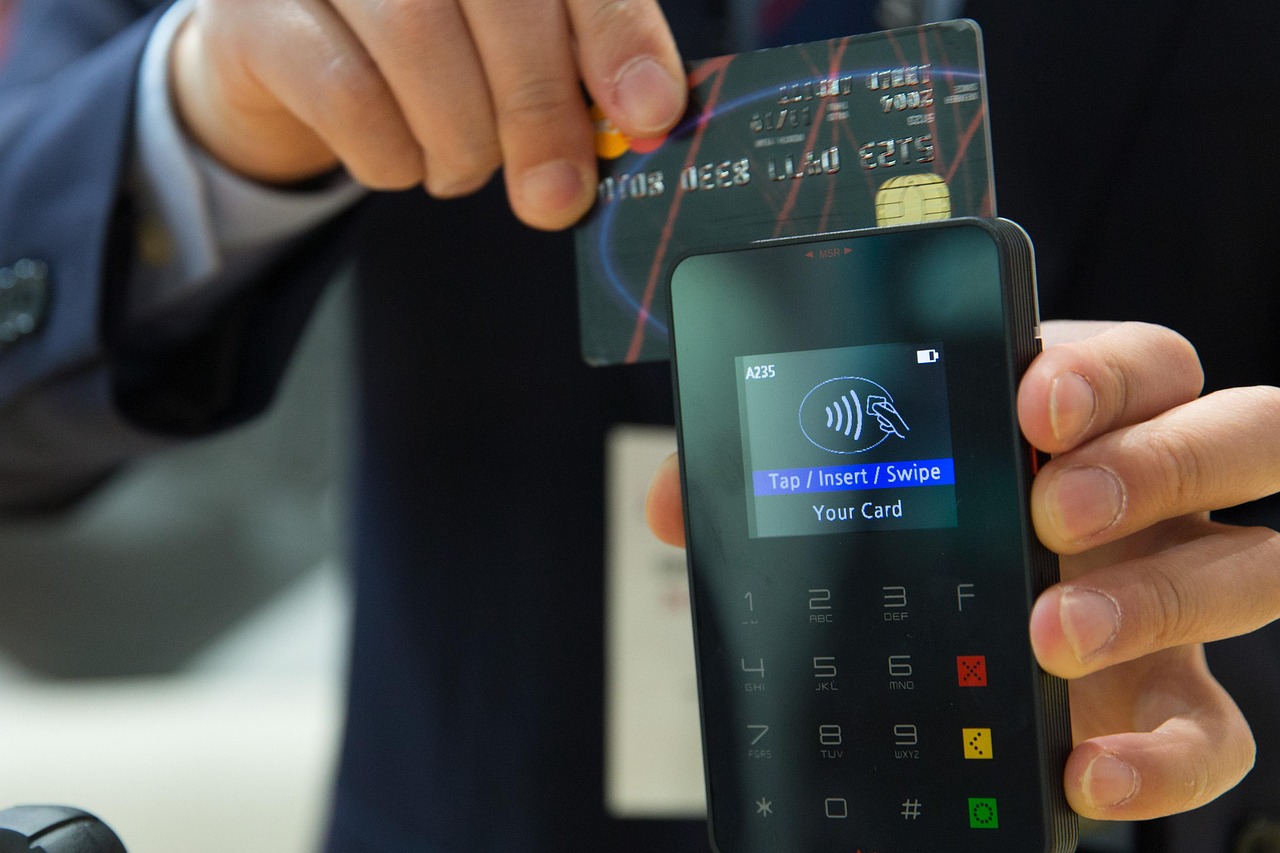
EPOS stands for Electronic Point of Sale. Where a cash register is a standalone electromechanical device, an EPOS system is a connected ecosystem: software running on a touchscreen terminal, linked to a receipt printer, barcode scanner, cash drawer and — crucially — your card payment hardware, all talking to a central database in real time.
The software layer is where the transformation happens. A good EPOS platform gives you:
- A live product catalogue with pricing, variants and barcodes
- Real-time stock levels that update with every sale or delivery
- Integrated card payment processing (no manual card machine totals)
- Reporting dashboards accessible from any browser or app
- Customer accounts, loyalty schemes and gift cards
- Staff login, permissions and individual sales tracking
- Integrations with accountancy software, e-commerce platforms and booking systems
For a deeper grounding in how modern systems compare, our complete guide to EPOS and POS systems for UK businesses covers the full landscape in detail.
Key Benefits of Switching to EPOS for UK Retail and Hospitality
For Retailers
Clothing boutiques, gift shops, convenience stores and specialist retailers consistently cite three headline gains after switching: faster checkout, fewer stockouts and better buying decisions. When your till automatically decrements stock on every sale and flags low levels, you stop losing revenue to avoidable gaps on the shelf. If you run a fashion or apparel operation, our guide to the best EPOS systems for clothing shops in the UK addresses size and colour variant management in particular.
For Hospitality and Food & Beverage Operators
Restaurants, cafés, pubs and takeaways benefit most from table management, kitchen display integration and the ability to split bills or apply course-by-course service. Staff can take orders tableside on a handheld device; orders fire automatically to the kitchen; payment is handled at the table with a wireless card reader. The operational efficiency gains are significant — and so is the improvement in customer experience. If this describes your business, explore our hospitality and restaurant EPOS offers to see what's available for your venue type.
Cross-Sector Advantages
- Integrated card payments eliminate manual reconciliation and reduce end-of-day errors. See our guide to combined card machine and till systems for a full breakdown of how integration works.
- Cloud reporting means you can monitor trade from home, on holiday or across multiple sites.
- Staff accountability improves when every transaction is logged against a named login.
- Growth-readiness — adding a second till, a second site or an online store is straightforward with the right platform.
What to Look for When Choosing an EPOS System in the UK
Not every system suits every business. Use these criteria to evaluate options objectively:
| Criteria | Why It Matters | Questions to Ask |
|---|---|---|
| UK-based support | You need help during trading hours, in your time zone, from someone who understands UK compliance | Is support available by phone? What are the hours? Is there an SLA? |
| Hardware quality | Budget terminals often fail within 18 months under daily retail use | What warranty is included? Is hardware replacement covered? |
| Payment integration | Seamless card processing saves hours of manual reconciliation each week | Which payment providers are supported? Are there transaction fees on top? |
| Stock management depth | Variants, suppliers, purchase orders and low-stock alerts are essential for most retailers | Can I manage product variants (size, colour)? Does it support multi-location stock? |
| Reporting and analytics | Data you can act on is the primary return on investment from EPOS | Can I access reports remotely? Can I export to accountancy software? |
| Scalability | Your needs will change — your system should grow with you | How much does adding a second terminal or site cost? |
| Ease of onboarding | Migration from a cash register should not require weeks of downtime | Is setup included? Is there a data import service for existing product lists? |
If you're a smaller operator, our practical buyer's guide to till systems for small businesses compares solution tiers with the smaller-scale operator firmly in mind.
How Much Does It Cost to Replace a Cash Register with an EPOS System?
One of the most common questions from business owners making this transition is simply: what will it actually cost me? The honest answer is that it depends on the scale of your setup and the features you need — but the following indicative ranges reflect what UK businesses typically encounter in the current market.
Please note: the figures below are approximate market guidance only and are not quotes. Contact suppliers directly for accurate pricing specific to your requirements.
- Entry-level single-terminal setup (software subscription, basic hardware, integrated card payments): typically from around £30–£60 per month on a contract basis, or a higher upfront hardware cost with a lower monthly fee.
- Mid-range retail or hospitality setup (touchscreen terminal, receipt printer, barcode scanner, cash drawer, full stock management and reporting): commonly in the region of £60–£120 per month all-inclusive, or a one-off hardware investment of £800–£1,500 with an ongoing software licence.
- Multi-terminal or multi-site setups: costs scale with the number of terminals and advanced modules (loyalty, online ordering, kitchen display systems). Larger deployments are best quoted directly.
For businesses where upfront cost is a primary concern, our guide to the most affordable EPOS systems for small businesses in the UK breaks down where savings can be made without sacrificing the features that matter most.
It's also worth considering that the cost of not switching — in lost sales intelligence, manual reconciliation time and stockout revenue — typically makes a well-chosen EPOS system self-funding within a modest timeframe.
Step-by-Step: Migrating from a Cash Register to EPOS with Minimal Disruption
The prospect of switching systems mid-trading can feel daunting. In practice, a well-managed migration is straightforward when broken into clear stages.
- Audit your current setup. Document what products you sell, how you currently handle stock, and which payment methods you accept. This becomes your product import file.
- Define your must-have features. Separate the non-negotiables (integrated card payment, stock management) from the nice-to-haves (loyalty, e-commerce integration). This keeps the decision simple.
- Request a live demonstration. Never commit to a system you haven't seen handling realistic scenarios — a busy queue, a product return, a discount applied at the till. You can request a free demo from EPOS Direct UK to see the software working in a real retail or hospitality context.
- Import your product data. A supplier worth working with will help you import your existing product list rather than leaving you to re-enter hundreds of SKUs manually. This is the step that causes most delays when done poorly — ask about it explicitly.
- Train your team before go-live. A single afternoon of guided training is usually sufficient for a standard retail or hospitality configuration. Staff familiarity before day one dramatically reduces errors.
- Run parallel for one or two days if possible. Keep your old till available as a fallback for 24–48 hours while your team builds confidence on the new system.
- Go live, then optimise. Your first week of live data will reveal reporting tweaks, product categorisation improvements and workflow adjustments. Build in a brief review at the end of week one.
If you'd like to talk through your specific situation before committing, our team is available to answer your questions online via our expert consultation service.
Why Choose EPOS Direct UK for Your Till Upgrade?
EPOS Direct UK is a specialist point-of-sale supplier focused entirely on the UK market, working with independent retailers, hospitality operators, pharmacies and multi-site businesses. The team provides end-to-end support: hardware sourcing, software configuration, data migration, staff training and ongoing UK-based aftercare.
Our EPOS software is purpose-built for UK trading environments — including VAT handling, Making Tax Digital compatibility and integration with UK payment providers. You can explore the platform in detail via our EPOS software overview, or go straight to a sector-specific walkthrough: a retail EPOS software demo, a restaurant EPOS software demo, or a pharmacy EPOS software demo for healthcare retail operators.
For businesses evaluating payment hardware alongside a new till, our guide to the best wireless card machines for small businesses in the UK covers the options clearly — and if you'd prefer to avoid monthly card machine fees entirely, our guide to card machines with no monthly fee is worth reading before you commit to any payment arrangement.
Across the EPOS Direct UK website you'll find more offers and information to help you find the right system for your business size, sector and budget.
Ready to Make the Switch?
Replacing an outdated cash register with a capable EPOS system is a straightforward decision once you understand what you're gaining: real-time stock control, integrated payments, actionable sales data and a platform built to grow with your business. The migration itself, handled by an experienced supplier, is far less disruptive than most operators anticipate.
EPOS Direct UK works with businesses across retail, hospitality, pharmacy and beyond to make that transition smooth, affordable and genuinely transformative. Browse our current retail EPOS offers, or request a call back and let the EPOS Direct UK team recommend the right setup for your specific operation.
Written by the EPOS Direct UK team, who help UK retail and hospitality businesses choose, install and get the most from their EPOS systems every day.
Frequently asked questions
- How much does it cost to switch from a cash register to an EPOS system in the UK?
- Costs vary depending on your business size and requirements. In the UK, a basic single-terminal EPOS setup typically starts from around £300–£500 for hardware (touchscreen terminal, receipt printer and cash drawer), with software subscriptions ranging from £20 to £80 per month. Mid-range systems with stock management, loyalty features and payment integration generally cost £600–£1,500 upfront. EPOS Direct UK offers flexible payment options and packages tailored to retail and hospitality, so it is worth requesting a free quote to get an accurate figure for your specific setup.
- Will I lose my sales data when I switch from my old cash register to a new EPOS system?
- Your historical data from a traditional cash register cannot usually be imported automatically because most older tills store nothing digitally. However, switching to an EPOS system means all future transactions, stock levels, and customer data are recorded in real time and stored securely in the cloud. EPOS Direct UK can help you set up your product catalogue and initial stock counts before you go live, so the transition is as smooth as possible.
- How long does it take to set up an EPOS system once I decide to replace my till?
- For most small businesses, a standard EPOS system can be installed and ready to trade within one to two days. This includes hardware setup, software configuration, and basic staff training. EPOS Direct UK provides on-site installation support and remote helpdesk assistance across the UK, so you are never left to figure it out alone. More complex multi-terminal or multi-site setups may take slightly longer but are carefully project-managed to avoid disruption to trading.
