We use cookies to make your experience better.
To comply with the new e-Privacy directive, you agree to the privacy policy and our use of cookies

Upgrading from a Traditional Till to a Modern EPOS System: A Practical Guide for UK Businesses
Upgrading from a Traditional Till to a Modern EPOS System: A Practical Guide for UK Businesses
Replacing a traditional cash register with a modern EPOS system is one of the most impactful operational upgrades a UK business can make. Done well, it streamlines every transaction, unlocks real-time reporting, and creates a platform for sustainable growth — whether you run a high-street boutique, a busy café, or a multi-site retail operation. This guide walks you through the honest decision-making process: the signs it's time to change, what to look for, what it realistically costs, and how to get the transition right.
Signs Your Old Till Is Holding Your Business Back
Cash registers and basic electronic tills were designed to do one thing: record a sale. If your business has grown beyond that, your till may already be creating invisible drag. Watch for these warning signs:
- Manual stock reconciliation — counting inventory by hand at the end of each day or week is a significant time cost that modern EPOS software eliminates automatically.
- No end-of-day sales insight — if your only business report is a till roll total, you have no visibility into which products, staff members, or times of day are driving revenue.
- Slow checkout during peak hours — older systems with limited payment options (no contactless, no integrated card terminal) create queues that cost you customers.
- Disconnected card machine — manually entering card totals into a separate terminal introduces errors and doubles the time per transaction.
- No loyalty or CRM capability — if you cannot identify your returning customers or reward them, you are leaving retention revenue uncaptured.
- Compliance gaps — with Making Tax Digital (MTD) expanding its scope for VAT-registered and income-tax businesses, systems that cannot export structured digital records are increasingly a liability. HMRC's MTD guidance is the definitive source on your obligations.
If three or more of these resonate, an upgrade is not a luxury — it is an operational necessity.
What Is an EPOS System and How Does It Differ from a Traditional Till?
An EPOS (Electronic Point of Sale) system is a networked combination of hardware and software that manages sales, stock, customers, and reporting in a single integrated platform. A traditional till processes a transaction and stops there. An EPOS system treats every transaction as a data event — updating stock levels, logging staff performance, feeding into accounts software, and informing your next buying decision, all in real time.
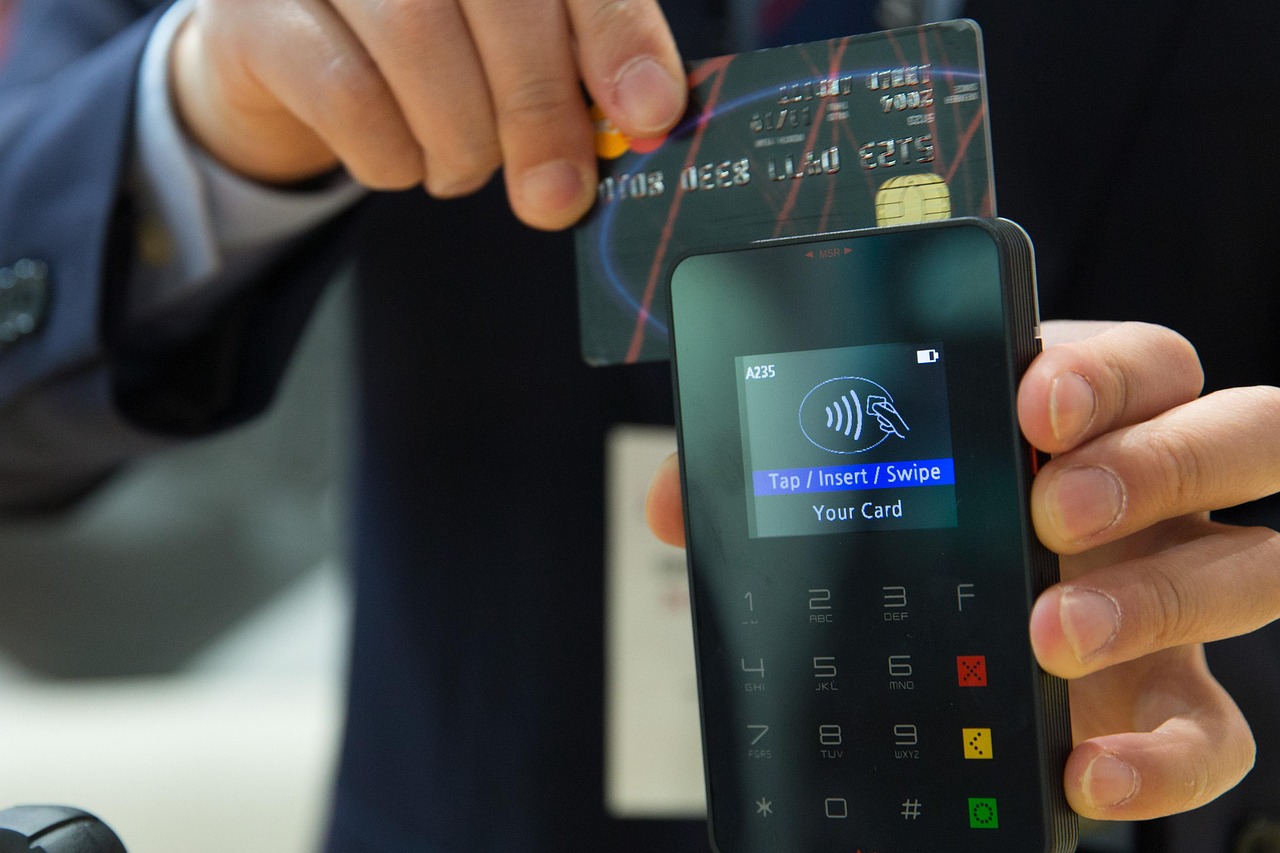
The core components of a modern EPOS setup typically include a touchscreen terminal or tablet, a receipt printer, a barcode scanner, a cash drawer, and — critically — an integrated card payment device. The software layer is what transforms these into something genuinely powerful: cloud-hosted dashboards, multi-site management, promotions engines, and integrations with accounting tools like Xero or QuickBooks.
For a deeper orientation, the complete guide to EPOS and POS systems for UK businesses covers the full landscape of available system types and how to match them to your sector.
Key Benefits of Switching for UK Retail and Hospitality Businesses
For Retailers
- Live inventory management — every sale adjusts your stock count automatically, with low-stock alerts to prevent lost sales.
- Variant and matrix support — clothing retailers managing size and colour combinations, for example, benefit enormously from EPOS-native product matrix tools. See how this applies specifically in our guide to EPOS systems for clothing shops.
- Faster, more accurate checkout — barcode scanning and integrated payments reduce transaction time and human error.
- Customer loyalty programmes — built-in CRM tools let you identify and reward your best customers without a separate platform.
For Hospitality and F&B Businesses
- Table management and covers tracking — dedicated hospitality EPOS software maps your floor, tracks open bills, and allows partial or split payments natively.
- Kitchen display and printer routing — orders sent directly to the kitchen reduce errors and speed up service without a paper trail.
- Modifiers and allergen flagging — staff can add course modifications and allergen notes at the point of order, supporting compliance with Natasha's Law requirements for allergen labelling and information.
- Online ordering and delivery integration — many hospitality EPOS platforms connect directly to delivery aggregators, centralising orders from multiple channels.
What to Look for When Choosing Your First EPOS System
Not every system is right for every business. Use this framework when evaluating your options:
| Selection Criterion | Why It Matters | What to Ask Suppliers |
|---|---|---|
| Integrated payments | Eliminates double-entry errors and speeds up checkout | Is the card terminal natively integrated, or a separate device with manual reconciliation? |
| Cloud vs. on-premise | Cloud systems allow remote reporting and automatic updates; on-premise may suit low-connectivity environments | Does the system operate offline if broadband drops, and does data sync when reconnected? |
| Scalability | A system that fits your business today should grow with it | Can I add terminals, locations, or user accounts without migrating to a different platform? |
| Support and training | Downtime at peak trade is costly; ongoing support quality matters more than launch-day help | What are your support hours, response SLAs, and is telephone support included? |
| Software depth | Reporting, promotions, CRM, and integrations determine long-term value | Can I see a live demo of the back-office reporting and stock management tools? |
| Hardware quality | Commercial-grade hardware outlasts consumer tablets and reduces long-term cost | What is the warranty, and do you supply replacement hardware quickly if a terminal fails? |
| Payment flexibility | Contactless, mobile wallets, and card-not-present payments are now customer expectations | Does the integrated terminal support Apple Pay, Google Pay, and chip-and-PIN? |
If you are specifically evaluating options as a smaller business, our practical buyer's guide to till systems for small businesses compares the most relevant approaches by business size and budget.
What Does It Cost to Move from a Traditional Till to an EPOS System in the UK?
Cost is invariably the first question, and it deserves an honest answer. The figures below are indicative market ranges based on typical UK supplier pricing; your actual investment will depend on the number of terminals, software tier, payment processing arrangement, and whether hardware is purchased outright or on a subscription.
Typical UK Cost Ranges (Indicative Guidance Only)
- Entry-level single-terminal setup (tablet-based, cloud software, basic reporting): typically from around £300–£600 upfront for hardware, plus a software subscription from approximately £20–£50 per month.
- Mid-market single or dual-terminal setup (commercial touchscreen, integrated printer and scanner, full stock and CRM software): hardware typically from £800–£1,500, with software subscriptions broadly in the £50–£120 per month range.
- Multi-terminal or multi-site retail/hospitality: hardware costs scale per terminal; expect software licences from approximately £80–£200+ per month depending on the number of sites and feature set required.
- Payment processing fees: card transaction rates in the UK typically range from approximately 0.3%–1.75% per transaction depending on card type and your processing volume. These are in addition to hardware and software costs.
Some providers offer all-in-one monthly packages bundling hardware, software, and support — useful for managing cash flow. For those prioritising payment cost, our guide to card machines with no monthly fee explores transaction-only pricing models. For budget-conscious operators, the most affordable EPOS options for small businesses breaks down where you can genuinely save without compromising on essential functionality.
For a tailored figure specific to your site and requirements, request a free demo and personalised quote from EPOS Direct — the team will build a configuration that fits your actual operation rather than quoting a generic bundle.
How to Make the Switch: A Step-by-Step Upgrade Process
A poorly managed transition can disrupt trade. A well-managed one is largely invisible to your customers. Here is a proven sequence:
- Audit your current setup — document what your till currently does (payment types accepted, any basic reporting, connected peripherals) so you know exactly what you need to replicate or improve.
- Define your non-negotiables — list the three to five features that would directly solve your biggest operational pain points. These become your evaluation filter when speaking to suppliers.
- Request demonstrations, not just brochures — a live demo using your own product types or menu structure reveals whether the software genuinely fits your workflow. EPOS Direct offers dedicated retail EPOS software demos and restaurant EPOS software demos so you can evaluate before committing.
- Plan your data migration — export your product list, pricing, and any customer data from your current system in a clean, structured format. Most EPOS suppliers provide import templates.
- Schedule the go-live strategically — plan installation for your quietest trading period (a Monday morning or post-trading-hours rollout is typically best). Avoid bank holidays and known peak dates.
- Train your team before launch — a one-hour structured walkthrough with every team member who will use the system prevents errors and reduces staff anxiety. Most reputable suppliers include on-site or remote training.
- Run parallel briefly if needed — for the first day or two, keeping your old till available as a backup provides reassurance, though most well-installed systems do not require this.
- Review your first reports — the real value begins once your first week's data is in the system. Spend time in the reporting dashboard understanding what it tells you about sales patterns, top products, and staff performance.
If integrated card payments are new to your business, our guide to combining a card machine and till system explains how to get the most from a unified payments and POS setup.
Why UK Businesses Choose EPOS Direct for Their Till Upgrade
EPOS Direct is a specialist UK supplier of EPOS and POS systems, working with independent retailers, restaurants, pharmacies, and multi-site operations across the country. The business offers end-to-end support: hardware, proprietary software, integrated payments, and ongoing UK-based customer care — all from a single point of contact.
Key reasons businesses choose EPOS Direct include:
- Purpose-built software for retail, hospitality, and pharmacy — not generic platforms adapted awkwardly to sector needs. Explore the full EPOS Direct software range to see how each version is tailored to its sector.
- Transparent, sector-specific offers — see retail EPOS system offers or hospitality and restaurant EPOS offers for current configurations and pricing.
- Genuine pre-sales expertise — the team configures systems around your actual workflow, not a template. You can talk to an EPOS expert online before making any commitment.
- Comprehensive onboarding — installation, data migration support, and staff training are included, making the transition straightforward even for businesses with no prior EPOS experience.
For the full range of solutions, current offers, and product information, visit the EPOS Direct UK home page.
Ready to Upgrade Your Till?
Moving from a traditional till to a modern EPOS system is a genuine turning point for most businesses — one that pays back in saved time, reduced errors, and sharper commercial insight within weeks. The key is choosing a system and a supplier who understand your sector, provide honest guidance on costs, and stand behind the technology with real support.
EPOS Direct's team helps UK businesses through this transition every day. Whether you are ready to commit or still comparing your options, request a free demo or request a call back and let us show you exactly what the right EPOS system can do for your business.
Written by the EPOS Direct UK team, who work with retailers, restaurateurs, and independent business owners across the United Kingdom every day to help them find, install, and get the most from their EPOS systems.
Frequently asked questions
- How much does it cost to switch from a cash till to an EPOS system in the UK?
- Costs vary depending on your business size and requirements. A basic single-terminal EPOS bundle from a UK supplier typically starts from around £300 to £600 for hardware (touchscreen terminal, receipt printer and card reader). Monthly software subscriptions usually range from £20 to £60 per month. Larger multi-terminal setups for restaurants or retail chains can run from £1,000 upwards. EPOS Direct UK offers flexible packages with transparent pricing, and many businesses find the efficiency gains and reduced errors pay back the investment within months.
- Will I lose all my sales data and product information when I swap out my old till?
- Not necessarily. A good EPOS provider will help you migrate your existing product catalogue, pricing and where possible historical sales data into the new system. EPOS Direct UK offers onboarding support to ensure your menu or product list is set up correctly before you go live, minimising disruption to your trading day.
- Do I need a fast internet connection for an EPOS system to work?
- Most modern EPOS systems work best with a stable broadband connection, but many — including options available from EPOS Direct UK — also offer offline or local-network modes so your till keeps working even if the internet drops. For UK hospitality and retail environments, a wired ethernet connection to your router is recommended for maximum reliability, though Wi-Fi setups are also widely used.
