We use cookies to make your experience better.
To comply with the new e-Privacy directive, you agree to the privacy policy and our use of cookies

Why It's Time to Upgrade Your Old Till System to a Modern EPOS — A UK Business Guide
Why It's Time to Upgrade Your Old Till System to a Modern EPOS — A UK Business Guide
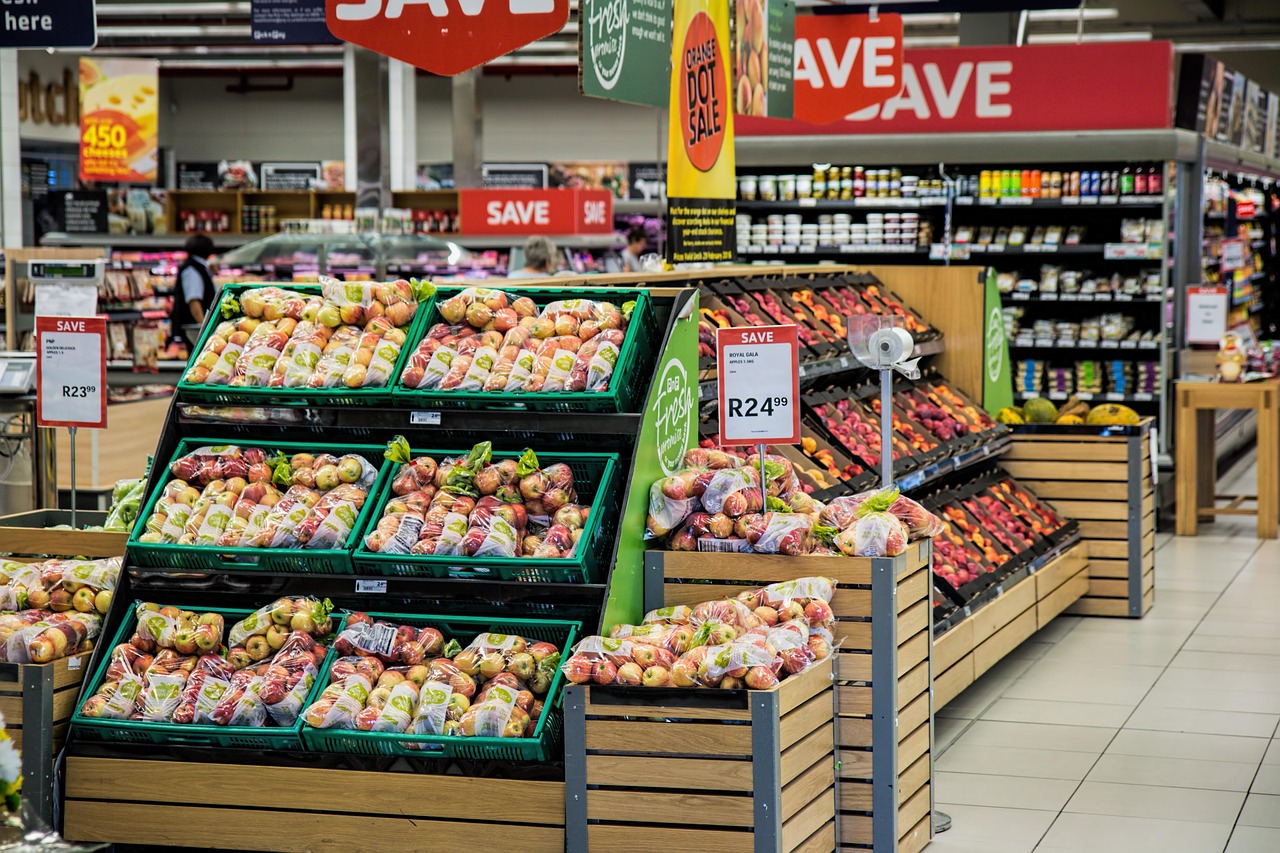
Upgrading from a traditional cash register to a modern EPOS system is one of the most impactful operational decisions a UK business owner can make. A current EPOS setup does far more than process sales — it manages stock, tracks staff performance, integrates card payments, and generates the reporting insight that helps you run a leaner, more profitable business. If your current till is limiting what you can see and control, this guide explains exactly what to look for, what to expect, and how to make the switch with confidence.
Signs Your Current Till System Is Holding Your Business Back
Most business owners don't plan a till upgrade — they're pushed into one by mounting frustration. Before dismissing those frustrations as minor inconveniences, consider whether any of the following are familiar.
- Manual stock counts: If you're still reconciling inventory with a spreadsheet or pen-and-paper count, you're spending hours on work a modern system would handle automatically.
- No end-of-day insight: A traditional till produces a Z-read total. An EPOS system produces a breakdown by product, category, staff member, and payment method — data you can actually act on.
- Card payment friction: Running a separate card terminal that doesn't communicate with your till creates reconciliation errors, slower service, and a disjointed customer experience.
- No remote access: If you can only see your sales figures when you're standing at the counter, you have a visibility problem — especially if you manage more than one site.
- Hardware failure risk: Older systems often run on obsolete software that no longer receives security patches. This is a compliance and data-security concern, not merely an inconvenience.
If two or more of these apply, you're not just running an outdated till — you're actively leaving margin on the table. Our guide on switching from a cash register to a modern EPOS system explores the practical steps in more detail.
What Is an EPOS System and How Does It Differ from a Traditional Till?
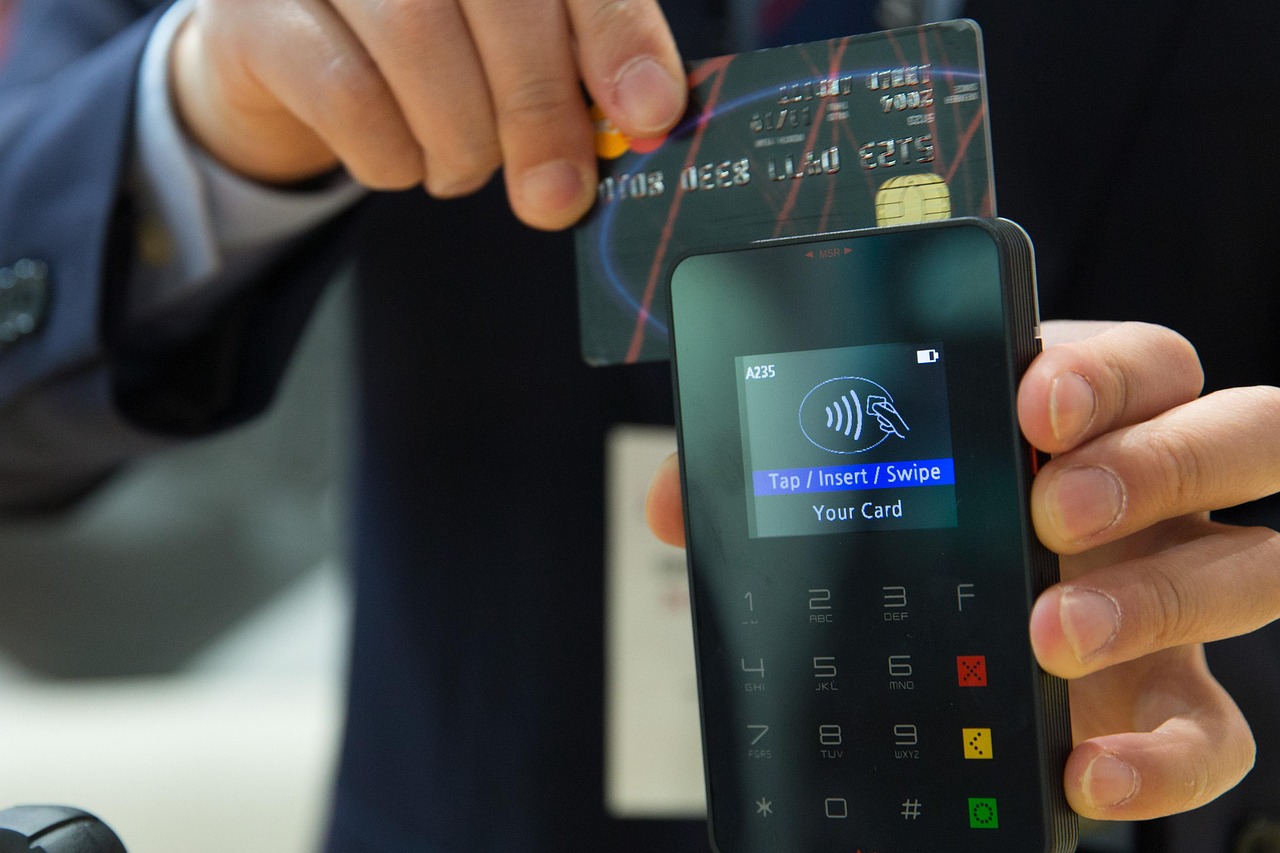
An EPOS (Electronic Point of Sale) system combines purpose-built hardware — typically a touchscreen terminal, receipt printer, cash drawer, and barcode scanner — with cloud-connected software that manages every transaction and the data surrounding it. The crucial difference from a traditional electronic cash register is that an EPOS system is a business management platform, not merely a payment device.
| Feature | Traditional Cash Register | Modern EPOS System |
|---|---|---|
| Sales processing | Basic — totals and change calculation | Full itemised transactions with payment-type split |
| Stock management | None or manual | Automatic real-time stock deduction and low-stock alerts |
| Reporting | Z-read end-of-day total | Granular reports by product, category, hour, staff, and site |
| Card payment integration | Separate terminal, manual reconciliation | Fully integrated — one tap, one receipt, one report |
| Remote access | Not possible | Cloud dashboard accessible from any device |
| Software updates | Rarely or never | Automatic, ongoing — no downtime required |
| Loyalty & CRM | Not available | Built-in customer profiles, loyalty schemes, and email capture |
| Scalability | Single terminal only | Easily scaled to multiple terminals and sites |
Key Benefits of Switching for UK Retailers and Hospitality Businesses
The case for moving to EPOS differs slightly depending on your sector, so it's worth separating the two most common use cases.
For Retail
- Accurate stock control means you order what you actually need and avoid over-buying or running out of bestsellers during peak periods.
- Integrated card payments remove the manual matching of card receipts to till totals — a time-consuming daily task that also introduces errors. See our guide to the best EPOS systems with integrated card payments in the UK for a detailed breakdown.
- Loyalty programmes built into the software allow you to reward repeat customers without a third-party app.
- Faster checkout reduces queues and improves customer satisfaction — particularly relevant for convenience retail and independent shops.
For Hospitality and Restaurants
- Table management and course-by-course ordering reduce kitchen errors and improve table turn.
- Integrated kitchen display screens replace printed tickets, improving speed and reducing waste.
- Allergen and modifier prompts on the terminal help front-of-house staff handle dietary requirements accurately — a legal obligation under UK allergen regulations (Natasha's Law, enforced since October 2021; verify current requirements via the Food Standards Agency).
- Split billing and service charge management are handled automatically, reducing friction at the end of service.
If you're in hospitality and ready to explore your options, you can browse our hospitality and restaurant EPOS offers or book a restaurant EPOS software demo to see the system in action before committing.
How to Choose the Right EPOS System for Your Business Type
Choosing an EPOS platform is a medium-term commitment, so it pays to be systematic. Here are the practical questions worth asking before you speak to a supplier.
What does your business actually need right now?
A single-site independent retailer has very different requirements from a multi-location F&B group. Start with the workflows that cost you the most time or cause the most errors — that's where EPOS will deliver the fastest return. Our practical buyer's guide to till systems for small businesses is a useful starting point if you're comparing entry-level options.
Does the software grow with you?
Look for a platform that supports multiple terminals, user permissions, and multi-site reporting — even if you only need one terminal today. Migrating to a new system in two years because you've outgrown your EPOS is expensive and disruptive.
How does payment integration work?
Fully integrated card payments — where the EPOS software talks directly to the card terminal — are significantly more efficient than a semi-integrated or standalone setup. Ask your supplier whether integration is native or requires a third-party middleware layer, as this affects both reliability and support accountability.
What does ongoing support look like?
Hardware fails. Software behaves unexpectedly during a Saturday rush. The quality of your supplier's support offering — response times, out-of-hours cover, whether support is UK-based — matters as much as the product itself.
You can also explore the EPOS Direct software platform to get a clear picture of what's included before requesting a demo.
What to Expect During the Switchover
A well-managed EPOS installation should cause minimal disruption to your trading day. Here's a realistic overview of what the process looks like.
- Scoping call: Your supplier reviews your current setup, menu or product catalogue, payment provider, and any integrations (accounting software, booking systems, etc.).
- System configuration: Products, categories, pricing, VAT rates, and user accounts are set up before hardware arrives — so you're not configuring anything on the day of installation.
- Hardware installation: Terminal, printer, scanner, and cash drawer are installed and tested, usually within a few hours for a single-site setup.
- Data migration: Where possible, existing product data is imported rather than re-entered manually — a significant time saving if you carry a large product range.
- Staff training: A good supplier provides on-site or remote training tailored to different user roles — managers need to understand reporting; floor staff need to process sales efficiently. Most teams are comfortable with a well-designed EPOS interface within a single shift.
- Go-live support: Reputable suppliers provide a supported go-live period so there's someone available if questions arise in the first days of trading.
How Much Does It Cost to Replace a Till System with EPOS in the UK?
Cost is understandably one of the first questions businesses ask, and it's worth being clear about what you're actually paying for. EPOS pricing in the UK typically breaks down into hardware, software, and payment processing.
Indicative price ranges (UK market, guidance only)
- Entry-level single-terminal setup (hardware + software): typically from around £300–£600 as a one-off purchase, or from approximately £20–£40 per month on a subscription model.
- Mid-range retail or hospitality setup: most complete single-site installations fall in the range of £600–£1,500 for hardware, with software subscriptions commonly ranging from £30–£80 per month depending on features.
- Multi-terminal or multi-site configurations: pricing scales with the number of terminals and sites; indicative monthly costs for a two-to-four terminal business typically range from £60–£150 per month for software alone.
- Card payment processing: transaction fees vary by provider and volume — it's worth negotiating rates as part of your EPOS procurement rather than treating them as fixed.
The decision between buying outright and subscribing monthly is worth careful thought. Our detailed guide on monthly EPOS subscription vs outright purchase walks through the financial trade-offs for different business sizes. For a broader look at what's available, the EPOS Direct UK home page brings together current offers and configuration options across all business types.
If retail is your focus, you can view our current retail EPOS offers for indicative pricing on hardware and software bundles.
Why UK Businesses Trust EPOS Direct for Their Till Upgrade
EPOS Direct has been supplying point-of-sale systems to UK retailers, restaurants, and specialist sectors — including pharmacy — for many years. The team works with independent businesses and multi-site operators across the country, which means the advice you receive is grounded in practical, day-to-day operational experience rather than a generic sales pitch.
What distinguishes the EPOS Direct approach:
- UK-based support with real people who understand the operational pressures of UK retail and hospitality trading.
- Sector-specific software — the platform is configured for retail, hospitality, and pharmacy, rather than a one-size-fits-all solution. Pharmacy businesses can explore the platform via the pharmacy EPOS software demo.
- Transparent pricing — no hidden setup fees or surprise costs when you go live.
- Hardware and software from one supplier — so accountability for your system sits with a single point of contact, not split between a hardware reseller and a software vendor.
For an independent comparison of how EPOS Direct's offering stacks up, our complete competitor comparison guide provides an honest, feature-by-feature breakdown.
Ready to Make the Switch?
The gap between a traditional till and a modern EPOS system is not merely technical — it's the difference between running your business on gut instinct and running it on accurate, timely data. For most UK retailers and hospitality operators, the return on a well-chosen EPOS system becomes visible within months: fewer stock discrepancies, faster service, cleaner end-of-day reconciliation, and a clearer picture of what's actually driving your revenue.
EPOS Direct UK makes the transition straightforward, from initial scoping through to staff training and beyond. To take the next step, request a free demo at a time that suits you, or talk to an EPOS expert online if you'd prefer to discuss your specific requirements first. If you'd like someone to call you, you can also request a call back from the team.
Written by the EPOS Direct UK team, who work with UK retailers, restaurateurs, and specialist businesses every day to help them choose, install, and get the most from their point-of-sale systems.
Frequently asked questions
- How disruptive is it to switch from a cash till to an EPOS system mid-trading?
- Most businesses find the switchover far less disruptive than expected. A reputable supplier like EPOS Direct will typically configure your system off-site, migrate any existing product data, and schedule installation outside peak hours. Staff training on a modern touchscreen EPOS usually takes just a few hours, and many systems can be fully live within a single day.
- How much does it typically cost to upgrade to an EPOS system in the UK?
- Costs vary depending on your setup size and software needs. As a general guide, a single-terminal EPOS bundle in the UK — including hardware (touchscreen, receipt printer, cash drawer, card reader) and software — starts from around £300 to £700 for entry-level systems, rising to £1,000–£2,500 or more for feature-rich retail or hospitality configurations. Many providers, including EPOS Direct, also offer monthly payment plans or leasing options to spread the cost, making it accessible for small independents as well as multi-site operators.
- Will my sales data and product listings be lost when I move to a new EPOS system?
- Not if you plan the migration carefully. A good EPOS provider will help you import existing product catalogues, pricing and, where available, historical sales data into the new system. If your old till stored data digitally, this transfer is usually straightforward. Even if you only have paper records, most EPOS setups allow manual bulk import via spreadsheet, so you can be up and running with your full product range from day one.
