We use cookies to make your experience better.
To comply with the new e-Privacy directive, you agree to the privacy policy and our use of cookies


How to Replace Your Old Till System with a Modern EPOS: The Complete UK Business Guide
How to Replace Your Old Till System with a Modern EPOS System
Switching from a traditional cash register to a cloud-connected EPOS system is one of the highest-return investments a UK retailer or hospitality business can make — and the transition is far simpler than most owners expect. A modern EPOS system replaces your old till's limited functionality with real-time stock control, integrated card payments, detailed sales reporting, and remote management, all from a single touchscreen terminal. Whether you run an independent shop, a café, a restaurant, or a multi-site operation, this guide walks you through every stage of the upgrade: what to look for, what it costs, and how to switch without a single day of disruption.
Signs Your Old Till System Is Holding Your Business Back
Most business owners know something is wrong before they can articulate exactly what. If any of the following feel familiar, your current setup is costing you time, money, or customers.
- Manual stock counts: You or your staff are counting stock by hand because your till cannot track inventory automatically. Shrinkage goes undetected and over-ordering is routine.
- No integration with card payments: Staff type totals manually into a card machine, creating opportunities for keying errors and slowing down queues.
- No end-of-day insight: Your only report is a Z-reading total. You cannot tell which products sold best, which staff member processed the most refunds, or what your busiest hour was.
- Compliance anxiety: Making Tax Digital (MTD) requirements mean HMRC expects digital VAT records. A till that produces only paper receipts leaves you reconciling spreadsheets manually — check GOV.UK for current MTD obligations relevant to your turnover threshold.
- Repair costs spiralling: Parts for older electronic tills are increasingly scarce. If your machine is more than five to seven years old, maintenance may soon cost more than replacement.
- No loyalty or CRM features: Competitors are retaining customers with digital loyalty programmes; your till has no way to capture a customer's email address, let alone reward repeat visits.
If two or more of these apply, you have already waited long enough.
What a Modern EPOS System Actually Is — and How It Differs
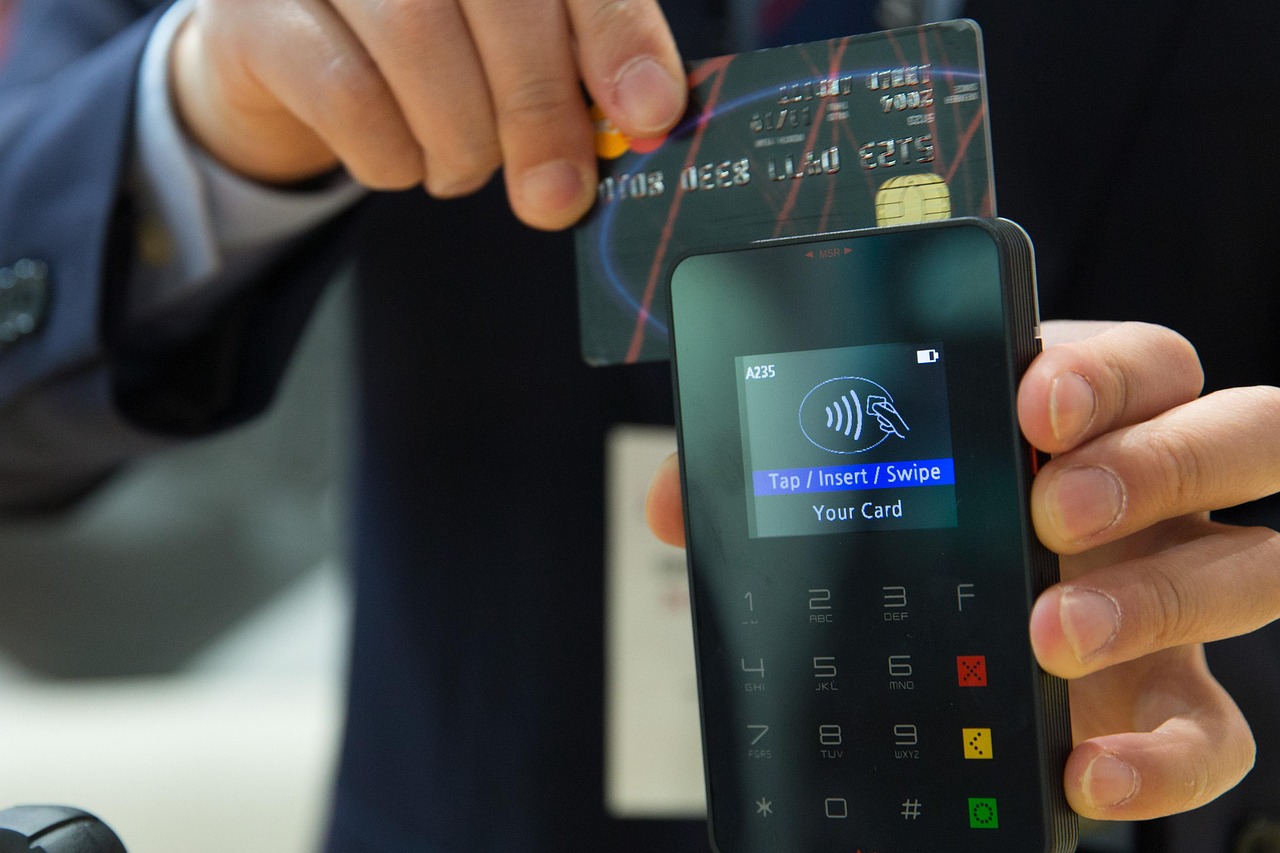
A modern EPOS (Electronic Point of Sale) system is a networked platform, not merely a till. At its core is a touchscreen terminal running purpose-built software that handles sales processing, but that software also synchronises in real time with a cloud back-office, giving you live visibility of your business from any device, anywhere.
The contrast with a traditional cash register is fundamental:
| Feature | Traditional Till / Cash Register | Modern EPOS System |
|---|---|---|
| Stock management | Manual counts only | Automatic, real-time stock depletion per sale |
| Sales reporting | Daily Z-total only | Hourly, product-level, staff-level, multi-site |
| Card payment integration | Separate, manually keyed terminal | Fully integrated — one tap, no re-keying |
| Remote access | None | Full back-office access via browser or app |
| Software updates | None or costly engineer visits | Automatic over-the-air updates |
| Customer loyalty / CRM | None | Built-in loyalty, email capture, promotions |
| Making Tax Digital readiness | Manual reconciliation required | Digital records generated automatically |
| Scalability | Single terminal, fixed location | Multi-terminal, multi-site, online integration |
For a deeper look at how software drives these advantages, explore the EPOS Direct software platform and see the specific features available to retail and hospitality operators.
Key Benefits for UK Retailers and Hospitality Businesses
Retail
- Automated reorder alerts prevent stockouts on bestsellers without requiring manual checks.
- Barcode scanning and variant management (size, colour, style) eliminate mis-picks and speed up the checkout queue.
- Integrated online and in-store inventory ensures your webshop never oversells stock held on the shop floor.
If you run a fashion or clothing retail business, our dedicated guide to the best EPOS systems for clothing shops in the UK covers variant management and seasonal stock planning in detail.
Hospitality and F&B
- Table management and course firing replace paper order pads, reducing kitchen errors dramatically.
- Split bills and allergen prompts at the point of order improve both guest experience and compliance.
- Real-time covers and revenue tracking let managers make staffing decisions during service, not the morning after.
To see these features in action before you commit, you can book a restaurant EPOS software demo with the EPOS Direct team.
What to Look for When Choosing a Replacement EPOS System
The market is crowded. Here are the criteria that distinguish a system worth buying from one you will regret in eighteen months.
- UK-based support: When your system goes down at 6 pm on a Friday, you need a phone number that is answered by someone in the same time zone who understands UK retail law, VAT rates, and your sector.
- Integrated payments: A system where the EPOS and card machine talk to each other natively removes keying errors and reconciliation headaches. See our comparison of combined card machine and till systems for a full breakdown of what integration actually means in practice.
- Cloud back-office with offline mode: Cloud reporting is essential; but your system must continue processing sales if the internet drops. Confirm this before signing anything.
- Scalability: Even if you have one site today, choose a system that can add terminals, sites, or an online channel without a complete re-platform.
- Transparent pricing: Avoid systems with opaque transaction fees layered on top of monthly software fees on top of hardware rental. Understand the total cost of ownership across three years, not just the upfront quote.
- Data migration support: Your existing product catalogue, pricing, and customer data should transfer across. Ask specifically how this is handled.
If you are still comparing options across the wider market, our practical guide to the best till systems for small businesses in the UK provides a thorough, sector-neutral comparison.
How Much Does It Cost to Upgrade to a Modern EPOS System in the UK?
Pricing varies significantly depending on hardware configuration, number of terminals, and software tier. The figures below are honest indicative ranges based on typical UK market conditions — they are not quotes, and your actual investment will depend on your specific requirements.
| Business Type | Typical Setup | Indicative Hardware Cost | Indicative Software / Monthly Fee |
|---|---|---|---|
| Small independent retailer | 1 terminal, barcode scanner, receipt printer, cash drawer | Typically from £500–£900 | Often from £30–£60 per month |
| Café or small restaurant | 1–2 terminals, kitchen printer, integrated card payments | Typically from £700–£1,400 | Often from £50–£80 per month |
| Multi-site retail or hospitality | 3+ terminals per site, back-office reporting, loyalty module | Quoted per project | Often from £80–£150+ per month |
Some providers, including EPOS Direct, offer hardware purchase, leasing, and rental options — each with different cash-flow implications. If upfront cost is a concern, it is worth asking whether a spread-payment model makes the investment manageable from day one. For businesses conscious of ongoing costs, our guide to the most affordable EPOS systems for small businesses in the UK explores the lower-cost tiers of the market honestly.
Card payment transaction fees are separate from EPOS software fees and depend on your card processor and monthly turnover — always read the merchant services agreement carefully alongside the EPOS contract. Our overview of card machines with no monthly fee is useful if you are evaluating payment processing options in parallel.
How to Switch from an Old Till to a New EPOS System Without Disrupting Your Business
The single biggest anxiety most owners have is downtime. Here is how a well-managed transition actually works.
- Audit your current setup. List every product, price, and any existing customer or supplier data you need to migrate. The cleaner your data going in, the smoother your go-live.
- Choose your go-live date strategically. Avoid your busiest week of the year. A quieter Monday morning — when you can afford a couple of slow transactions while staff build confidence — is usually ideal.
- Set up and test off-site (or after hours). Your new EPOS system should be configured, loaded with your product database, and fully tested before it goes anywhere near a live customer. EPOS Direct's onboarding team handles this configuration for you.
- Train your team before the switch, not during it. Most modern EPOS interfaces are intuitive, but a one-hour session the day before go-live removes every hesitation. Ask your provider about staff training as part of the installation package.
- Run parallel briefly if needed. For the first day or two, you can keep your old till nearby (switched off, as a fallback reference). In practice, most businesses never need it after the first hour.
- Review your first week's reports. The first real benefit you will notice is the data. Check your hourly sales split, your top-selling products, and your refund log. This information was always there; now you can actually see it.
The EPOS Direct team provides dedicated installation support, on-site or remote, as part of its standard setup process. If you would prefer to talk through the process before committing, you can talk to an expert online at a time that suits you.
Frequently Asked Questions from Business Owners Considering an Upgrade
Will my staff find it difficult to learn?
Modern EPOS interfaces are deliberately designed around speed and simplicity. Most staff members — including those who have used a traditional till for years — are comfortable processing sales within an hour of first use. The complexity sits in the back-office reporting, which is typically managed by owners and managers rather than frontline staff.
Can I keep my existing card machine, or do I need to change it?
This depends on your chosen EPOS system and your current payment processor. Some card terminals can be integrated with a new EPOS via middleware; others cannot. True native integration — where the card machine and EPOS share a single transaction record — is always preferable to a loosely coupled workaround. If your card machine contract is nearing renewal, timing your EPOS upgrade to coincide is usually the cleanest approach. Our guide to the best wireless card machines for small businesses in the UK covers what to look for in a new payment terminal.
What happens to my data if I ever want to switch providers in the future?
Always ask, before signing, whether you can export your full product catalogue, sales history, and customer data in a standard format (CSV is the minimum). Reputable providers will say yes without hesitation. This question alone tells you a great deal about a supplier's confidence in their own product.
Why UK Businesses Choose EPOS Direct for Their Till Upgrade
EPOS Direct is a UK-based EPOS provider supplying hardware and software to independent retailers, restaurants, cafés, pharmacies, and multi-site operators across the country. The business was built around the principle that independent businesses deserve enterprise-grade technology without enterprise-grade complexity or cost.
What distinguishes EPOS Direct in practice:
- UK-based sales and support teams who understand the operational realities of British retail and hospitality, including VAT, MTD, and UK-specific payment processing.
- Purpose-built software for retail, restaurant, and pharmacy sectors — not a generic platform stretched to fit every use case. You can view a retail EPOS software demo or a pharmacy EPOS software demo before making any decision.
- Flexible hardware and payment options covering outright purchase, leasing, and rental to suit businesses at different stages of growth.
- Dedicated onboarding including data migration, installation, and staff training — not a box shipped to your door with a PDF manual.
Visit the EPOS Direct home page for the latest system offers and full product information, or browse the specific offers pages for retail EPOS systems and hospitality and restaurant EPOS systems.
For more about the company and its full range of solutions, the complete guide to EPOS Direct's EPOS and POS systems for UK businesses covers every sector and system tier in detail.
Ready to Make the Switch?
Replacing an outdated till is not a technical project — it is a business decision that typically pays for itself within months through reduced staff time, fewer errors, and sharper purchasing decisions. The longer you delay, the longer those gains sit on the table uncollected.
The best next step is a no-obligation conversation with someone who has helped hundreds of UK businesses through exactly this process. Request a free demo from EPOS Direct today, or request a call back at a time that suits your schedule. There is no hard sell — just an honest assessment of what the right system for your business looks like, and what it will cost.
Written by the EPOS Direct UK team, who work with independent retailers, restaurant operators, and hospitality businesses across the United Kingdom every day to help them find, install, and get the most from their EPOS systems.
Frequently asked questions
- How much does it cost to upgrade from an old till to a modern EPOS system in the UK?
- Costs vary depending on your business size and requirements. In the UK, a basic single-terminal EPOS setup typically starts from around £300 to £600 for hardware, with software subscriptions ranging from £20 to £80 per month. Mid-range systems with stock management, reporting and integrated payments can run £800 to £1,500 upfront. EPOS Direct UK offers flexible packages with no hidden fees — contact us for a tailored quote based on your business type.
- Will I lose my sales data when switching from my old till to a new EPOS system?
- Not if you plan the migration carefully. A reputable EPOS provider will help you export and transfer existing product data, customer records and historical sales figures to your new system. EPOS Direct UK includes data migration support as part of the onboarding process, so your transition is as smooth as possible.
- How long does it take to install and set up a new EPOS system to replace an existing till?
- For most small to medium UK businesses, a new EPOS system can be installed and fully operational within one to three days. Simple single-till setups can often go live the same day. Multi-terminal or multi-site installations may take longer but can be staggered to avoid disrupting trading hours.
