We use cookies to make your experience better.
To comply with the new e-Privacy directive, you agree to the privacy policy and our use of cookies


How to Upgrade Your Old Till System to a Modern EPOS: A Complete Guide for UK Businesses
How to Replace Your Old Till System with a Modern EPOS Solution
Swapping out an ageing till for a modern EPOS solution is one of the most impactful operational decisions a UK retailer, restaurateur or independent business owner can make. A contemporary EPOS system does far more than process sales — it manages stock, tracks staff performance, generates real-time reports and integrates seamlessly with card payment technology. This guide walks you through everything you need to know: the warning signs that your current setup is costing you, how to evaluate the right system, what the upgrade process actually looks like, and how much you should realistically expect to invest.
Signs Your Old Till System Is Holding Your Business Back
Most business owners don't replace their till until something breaks. By that point, they've often absorbed months — sometimes years — of hidden inefficiency. Here are the clearest indicators that your current system is working against you:
- Manual stock counts and spreadsheet reconciliation. If your end-of-day routine involves counting stock by hand or reconciling sales figures in Excel, you're spending hours on tasks a good EPOS system handles automatically.
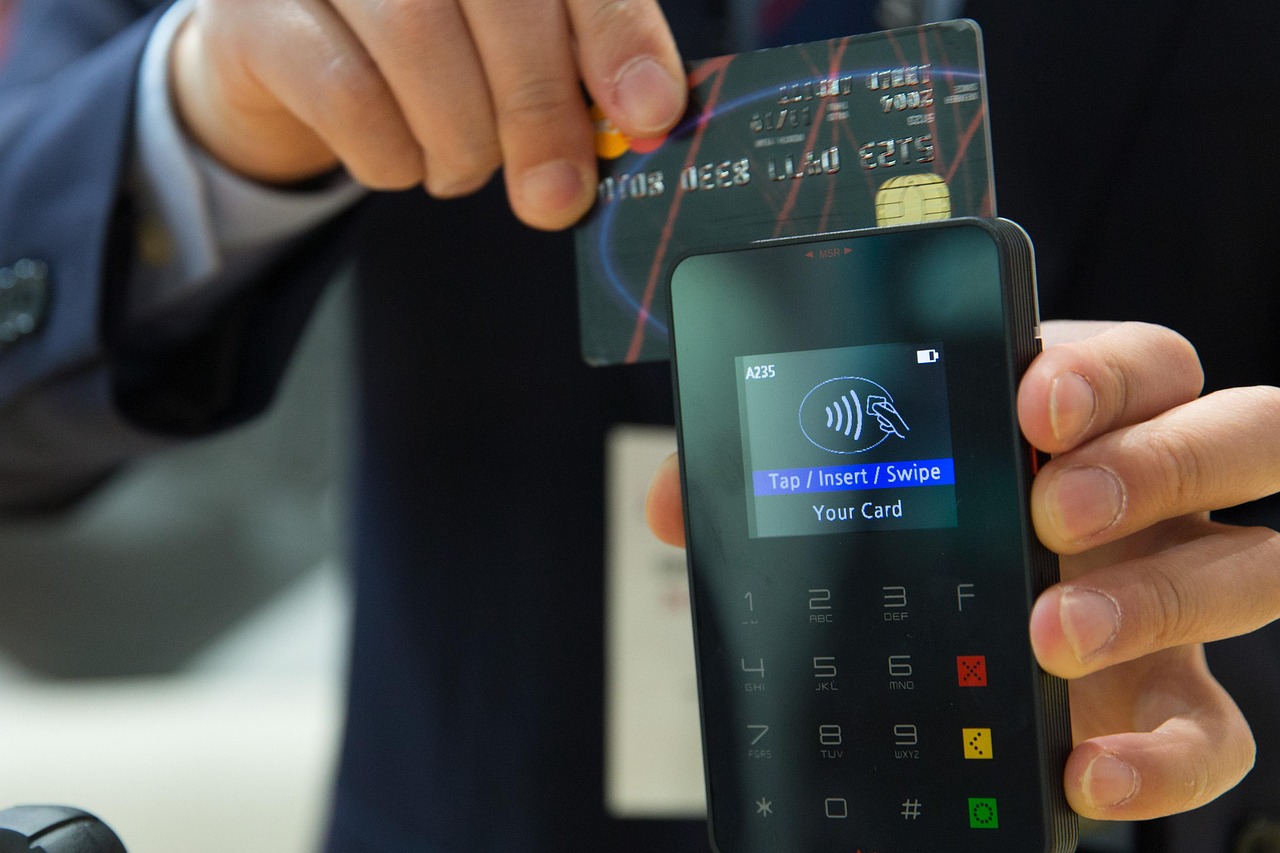
- No integration with your card machine. If your card reader and till operate independently, you're manually entering transaction totals twice — a recipe for errors and wasted time. A combined card machine and till system eliminates this entirely.
- Limited or no sales reporting. Traditional electronic cash registers produce basic Z-readings and nothing more. If you can't answer "which products drove profit last Tuesday?" without digging through receipts, that's a significant intelligence gap.
- Slow checkouts at peak times. Ageing hardware with sluggish processors frustrates staff and customers alike, directly affecting queue times and basket abandonment.
- No cloud backup. If your sales history lives solely on a local hard drive, a hardware failure means losing it permanently.
- Difficulty accepting modern payment types. Contactless, mobile wallets and split-bill payments are now customer expectations, not novelties. An older till may not support them.
If two or more of these resonate, you're almost certainly leaving efficiency — and revenue — on the table.
What Is an EPOS System and How Does It Differ from a Traditional Till?
An EPOS (Electronic Point of Sale) system is an integrated hardware and software platform that replaces the standalone cash register with a networked, intelligent business management tool. Where a traditional till records a sale and opens a cash drawer, an EPOS system simultaneously updates stock levels, records the transaction against a customer profile, applies any active loyalty scheme, and pushes the data to a cloud-based reporting dashboard — all in the same moment.
The hardware typically includes a touchscreen terminal, receipt printer, barcode scanner and cash drawer, often paired with a fully integrated card reader. The software is where the real power lies: real-time inventory management, staff scheduling, supplier ordering triggers, VAT reporting and, in hospitality settings, table management and kitchen display systems.
For a thorough overview of how these components fit together, the complete guide to EPOS and POS systems for UK businesses covers the landscape in detail.
Key Benefits of Switching to an EPOS System for UK Businesses
The business case for upgrading is straightforward once the benefits are laid out concretely:
- Accurate, real-time stock control. Every sale automatically deducts from inventory. Low-stock alerts prevent you from running out of bestselling lines unexpectedly.
- Faster, integrated payments. Connecting your card machine directly to your EPOS terminal removes manual keying errors and speeds up every transaction.
- Actionable sales data. Understand your peak trading hours, your highest-margin products and your most valuable customers — information that shapes smarter buying and staffing decisions.
- Multi-site and remote management. Cloud-based systems allow you to view sales and manage menus or product catalogues across multiple locations from a single dashboard, even from your phone.
- Simplified VAT and HMRC compliance. Good EPOS software generates VAT-ready reports that make quarterly returns and Making Tax Digital (MTD) obligations considerably easier to manage. For the most current MTD requirements, always verify directly with HMRC's official guidance.
- Staff accountability. Individual login codes, sales-per-staff reports and permission levels create a clearer picture of performance and help reduce shrinkage.
Retailers looking for sector-specific context will find practical guidance in our article on EPOS systems for small businesses.
How to Choose the Right EPOS System Before You Upgrade
The market is crowded, and the wrong choice can be as costly as not upgrading at all. These are the questions worth asking before you commit:
Does it fit your sector?
A system built for retail will feel clunky in a restaurant kitchen, and vice versa. Hospitality businesses need table plans, course-by-course ordering and kitchen display integration. Retailers need fast barcode scanning, variant management (size, colour, style) and supplier purchase orders. Clothing retailers, for instance, have specific requirements around size-and-colour matrix stock management — our guide to EPOS systems for clothing shops goes into this in depth.
What are the total costs — hardware, software and support?
Always evaluate total cost of ownership, not just the upfront price. Factor in monthly software licences, payment processing rates, training time and any ongoing support contract. We cover this fully in the cost section below.
How does it handle card payments?
Check whether the system integrates natively with a card machine, or whether you'll need a separate device and manual reconciliation. Many businesses are also now exploring wireless card machine options that give staff the flexibility to take payments tableside or anywhere on the shop floor.
What does implementation support look like?
Ask specifically about data migration (can you import existing product catalogues and customer records?), on-site installation, staff training and what happens if something goes wrong on a busy Saturday afternoon. A supplier's support model is often more important than its feature list.
Comparing EPOS Upgrade Approaches: Which Route Is Right for You?
| Approach | Best for | Typical setup | Key consideration |
|---|---|---|---|
| Entry-level tablet EPOS | Solo traders, market stalls, pop-ups | Tablet + app + mobile card reader | Limited stock and reporting depth; lower upfront cost |
| Standalone countertop terminal | Small shops, cafés, single-site food businesses | Dedicated terminal + receipt printer + integrated card reader | More robust; purpose-built hardware lasts longer than consumer tablets |
| Full EPOS suite (retail) | Independent retailers, boutiques, pharmacy | Terminal(s) + barcode scanner + back-office software + stock module | Requires proper onboarding; delivers the most comprehensive stock intelligence |
| Hospitality EPOS system | Restaurants, pubs, cafés, quick-service | Front-of-house terminal + kitchen display/printer + table management | Integration between front-of-house and kitchen is critical; check KDS compatibility |
| Multi-site cloud EPOS | Growing chains, franchises, multi-location independents | Centralised cloud dashboard + terminals at each location | Highest capability; ensure internet redundancy (offline mode) is included |
Step-by-Step: How the Upgrade Process Works with EPOS Direct UK
Replacing a till system sounds disruptive. In practice, a well-managed upgrade can be completed with minimal downtime — often over a single evening or a planned quiet trading period. Here's how EPOS Direct UK approaches it:
- Discovery and needs assessment. A specialist reviews your current setup, your business type, transaction volumes, number of product lines, and any specific integrations you need (e-commerce, accounting software, loyalty platforms).
- System design and proposal. You receive a tailored hardware and software recommendation — not a generic package — along with transparent pricing and a clear timeline.
- Data migration. Your existing product catalogue, pricing, and where applicable customer records, are imported into the new system before go-live. You don't start from zero.
- Installation and configuration. Hardware is installed and configured on-site. Software is set up to your specific requirements — tax rates, user permissions, receipt branding, category structures.
- Staff training. Your team is walked through the system before it goes live. Good training is the single biggest factor in how quickly staff feel confident with a new setup.
- Go-live and support. You begin trading on the new system with ongoing technical support available should any questions arise.
If you'd like to see the software in action before committing, you can book a retail EPOS software demo or, for hospitality businesses, explore the restaurant EPOS software demo online.
How Much Does It Cost to Replace a Till System with EPOS in the UK?
Costs vary considerably depending on the complexity of your setup, the number of terminals and the software tier you need. The following are honest indicative ranges based on typical UK market pricing — not exact quotes, which depend on your specific requirements.
- Entry-level single-terminal setup: Typically from around £300–£600 for hardware, with software subscriptions from approximately £20–£50 per month. Suitable for very small or single-operator businesses.
- Mid-range retail or café setup: Hardware for a complete countertop system (terminal, scanner, printer, cash drawer) typically falls in the £600–£1,500 range. Software at this level generally runs £40–£100 per month, depending on features and support included.
- Full retail or hospitality suite: Multi-terminal environments with advanced stock management, kitchen display systems or back-office modules typically involve hardware investment from £1,500 upwards, with software from £80–£200 per month or more for multi-site licences.
Many suppliers, including EPOS Direct UK, offer finance or rental options that spread hardware costs and reduce the upfront commitment. Payment processing fees are separate and depend on your chosen card payment provider and transaction volumes.
For businesses particularly focused on keeping costs lean, our guide to affordable EPOS systems for small businesses outlines what you can realistically get at different price points. If a no-commitment card payment solution matters to you, it's also worth reading our overview of card machines with no monthly fee.
To get an accurate figure for your specific situation, the most practical step is to request a free demo and tailored quote from EPOS Direct UK.
Common Concerns About Switching — and How to Overcome Them
"My staff won't adapt to new technology."
Modern EPOS interfaces are designed around touchscreen simplicity. Most staff members are comfortable with the fundamentals within a few hours of hands-on training. A good supplier provides structured training before go-live, not a manual and a helpline number.
"What happens if the internet goes down?"
Reputable systems include an offline mode that allows you to continue processing sales when connectivity drops. Transactions are queued and synced automatically once the connection is restored. Always confirm offline capability with any prospective supplier before signing.
"I'll lose all my product and customer data."
A properly managed migration ensures your data transfers cleanly. Ask your supplier for a written confirmation of what data will be migrated and in what format, and request a test import before go-live.
"It's too expensive to justify right now."
Consider the cost of not upgrading: manual errors, stock discrepancies, slow checkouts and missed reporting intelligence all carry real financial consequences. Many businesses find the operational savings — in staff hours and reduced shrinkage alone — offset the system cost within the first year. Finance and rental options also make it possible to spread investment rather than absorb it all upfront.
The practical buyer's guide to till systems for small businesses offers a balanced look at how to weigh up the decision if you're still on the fence.
Ready to Make the Switch?
Replacing an ageing cash register with a properly specified EPOS system is not simply a technology upgrade — it's a foundational business improvement that touches stock management, customer experience, staff efficiency and financial reporting simultaneously. The businesses that move quickly gain a meaningful operational edge; those that delay often find the gap between themselves and better-run competitors grows wider over time.
EPOS Direct UK works with independent retailers, restaurants, pharmacies and multi-site businesses across the United Kingdom every day, helping them select, install and get the most from modern EPOS solutions. Whether you're ready to move forward or still weighing your options, the team is available to help without pressure or obligation.
Visit the EPOS Direct UK home page to explore current offers and the full range of systems available, or talk to an expert online to discuss your specific requirements today. For sector-specific offers, browse our retail EPOS offers or hospitality and restaurant EPOS offers directly.
Written by the EPOS Direct UK team, who support UK businesses with EPOS and POS system selection, installation and ongoing service every day.
Frequently asked questions
- How long does it take to switch from an old till to a new EPOS system?
- For most small to medium UK businesses, the full transition — including hardware setup, software configuration and staff training — typically takes between one and five business days. EPOS Direct UK offers on-site installation and remote support to minimise downtime, meaning many businesses are fully operational on their new system within 24 to 48 hours.
- How much should I budget to replace my till with an EPOS system in the UK?
- Costs vary depending on the size of your business and the features you need. A basic single-terminal EPOS setup for a small UK retailer or café typically starts from around £300 to £600 for entry-level hardware bundles. Mid-range systems with a touchscreen terminal, receipt printer, barcode scanner and card reader commonly range from £700 to £1,500. Larger multi-terminal or hospitality installations with kitchen display screens and stock management software can run from £1,500 to £4,000 or more. Many providers, including EPOS Direct UK, offer leasing and finance options to spread the cost.
- Will I lose my existing sales data when I switch to a new EPOS system?
- In most cases, no. A reputable EPOS supplier will help you migrate your existing product catalogue, customer records and historical sales data to the new system. EPOS Direct UK provides a dedicated onboarding process that includes data migration support, so your transaction history and stock levels carry over before you go live.
