We use cookies to make your experience better.
To comply with the new e-Privacy directive, you agree to the privacy policy and our use of cookies

Switching EPOS Systems: Everything UK Businesses Need to Know Before They Upgrade
Switching EPOS Systems: A Complete Guide for UK Businesses
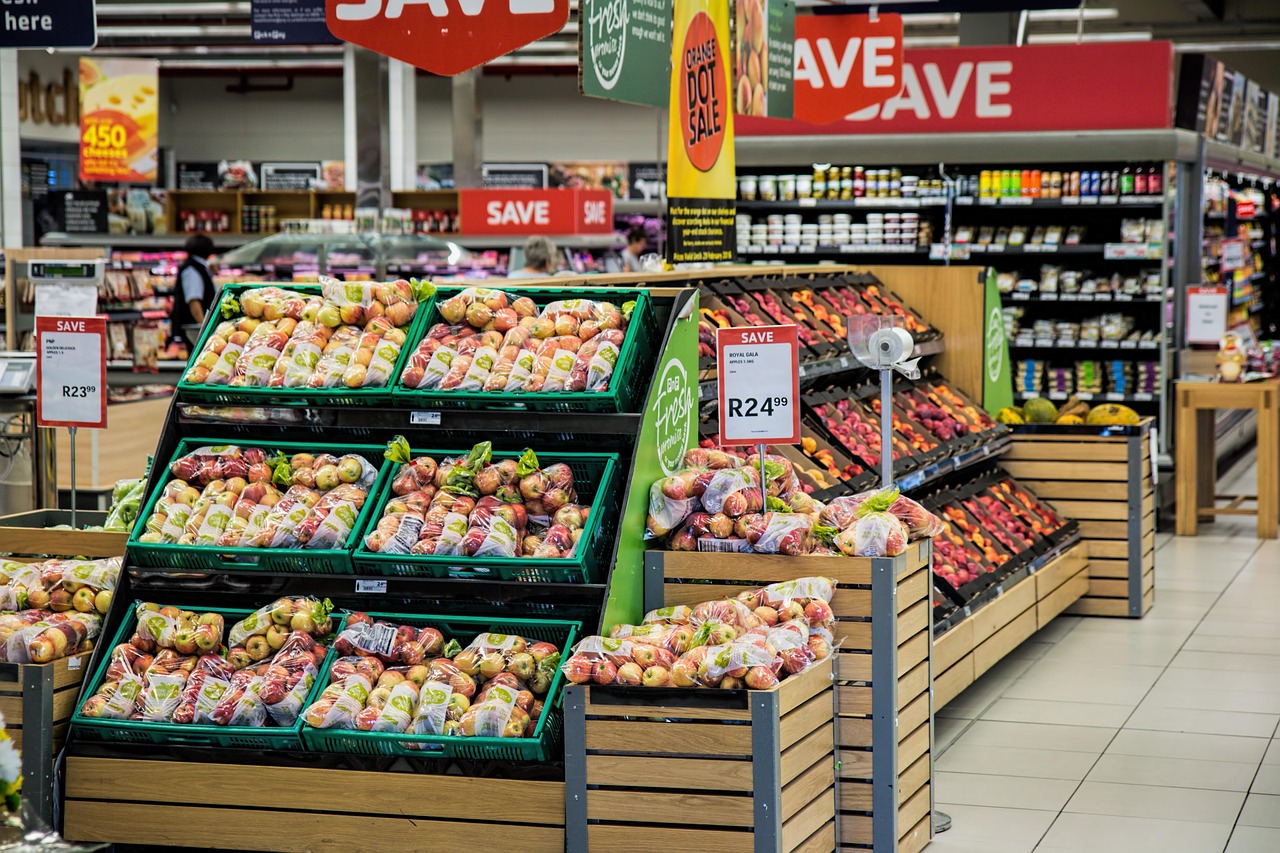
Replacing your point-of-sale setup is one of the most operationally significant decisions a UK retailer, restaurateur or independent business owner can make. Done well, it unlocks better reporting, faster service and lower long-term costs; done badly, it disrupts trading, corrupts data and erodes staff confidence. This guide walks you through every stage of the process — from auditing what you have today to going live on a new system with minimal disruption — so you can make a confident, well-informed switch.
Why UK Businesses Change Their EPOS System — and When It Makes Sense
Most businesses don't switch EPOS systems on a whim. The decision usually follows a period of mounting frustration: software that can't keep pace with the business, hardware that crashes during peak periods, or a provider that takes days to respond to support calls. Other common triggers include expanding to a second site, launching an online channel, or outgrowing a basic till that was perfectly adequate at launch.
The right time to switch is when the cost of staying — in lost sales, staff workarounds, poor reporting or missed integrations — consistently outweighs the upheaval of moving. If your team is manually reconciling stock at the end of every shift because the system can't do it automatically, or if your card payments and till are running on separate systems that don't communicate, the case for change is already strong. For smaller operations weighing up their options, our practical guide to the best till systems for small businesses covers the fundamentals in plain terms.

How to Audit Your Current EPOS Setup Before You Switch
Before you approach a single new supplier, document what you actually have. A thorough audit prevents you from replicating the same problems in a new system and gives prospective providers the information they need to give you an accurate proposal.
What your audit should cover
- Hardware inventory: List every terminal, barcode scanner, cash drawer, receipt printer and card reader — including age, condition and whether it is owned or leased.
- Software and integrations: Note every platform your current EPOS connects to: accounting software, e-commerce, loyalty programmes, payroll and booking systems.
- Data volume and format: How many SKUs, customer records, supplier accounts and months of transaction history does your system hold? Ask your current provider what export formats are available (CSV, XML, JSON).
- Contract status: Check your existing contract for notice periods, early-exit clauses and data-portability obligations. UK businesses have rights under UK GDPR regarding personal data held by processors — the ICO website is the authoritative source for guidance on this.
- Pain points ranked by severity: Score each problem (1–10) by its operational impact. This prioritisation shapes your feature brief for the new system.
Key Features to Look for in Your Next EPOS System
The features that matter most depend heavily on your sector, but certain capabilities separate genuinely capable modern systems from legacy platforms dressed up with a new interface.
Non-negotiable capabilities for most UK businesses
- Real-time stock management — updates inventory the moment a sale is processed, across every channel and location.
- Integrated card payments — a combined till and card machine removes reconciliation friction and reduces the risk of discrepancies. See our guide to combining a card machine with a till system for a deeper look at how this works in practice.
- Cloud-based reporting — access sales data, margin analysis and staff performance from anywhere, in real time.
- Scalable multi-site architecture — if a second site is even a possibility, confirm the system handles it natively rather than via a costly bolt-on.
- Open API or pre-built integrations — compatibility with Xero, QuickBooks, Shopify or your preferred platforms should be confirmed, not assumed.
- Sector-specific workflows — clothing retailers need size and colour matrix management; restaurants need table plans, course firing and allergen tracking. Generic systems often disappoint here.
If your business is in fashion retail, our dedicated article on the best EPOS systems for clothing shops in the UK covers the sector-specific requirements in detail.
Understanding the True Cost of Switching EPOS Systems in the UK
Many businesses underestimate the full cost of a switch because they focus on the headline monthly fee and overlook the surrounding expenses. A realistic budget should account for all of the following.
| Cost Category | What's Included | Indicative Range (UK) |
|---|---|---|
| Software subscription | Cloud EPOS licence, updates, support | Typically £30–£150 per terminal per month |
| Hardware (if new) | Terminal, printer, scanner, cash drawer | Typically £500–£2,000+ per station (purchase) or available on bundled plans |
| Installation and setup | On-site configuration, network setup | Often included by providers; standalone engineers typically £150–£400 per day |
| Data migration | Product, customer and historic transaction import | May be included; bespoke migrations typically £200–£800 |
| Staff training | On-site, remote or self-service sessions | Often bundled; additional days typically £200–£500 |
| Early exit from old contract | Remaining months' fees or penalty clause | Varies — check contract carefully |
| Transaction/payment fees | Per-transaction percentage or flat fee | Typically 0.5%–1.75% per card transaction depending on volume and card type |
All figures above are illustrative estimates based on typical UK market conditions and should be treated as a starting framework for budgeting. Request itemised quotes from providers to compare like for like. If cost is a primary consideration, our guide to the most affordable EPOS systems for small UK businesses outlines where genuine savings can be made without sacrificing core functionality.
One question buyers frequently ask is: can I avoid a long-term hardware contract? Yes — many providers now offer flexible monthly arrangements, and some offer card machines without a monthly fee. Our breakdown of the best card machines with no monthly fee is worth reading alongside any EPOS quote.
How to Migrate Your Data, Stock and Sales History Safely
Data migration is the stage most likely to go wrong if it isn't planned meticulously. A single corrupted product file can mean hours of manual correction and missed sales during your first trading period on the new system.
A practical migration checklist
- Export everything from your old system before you begin any switchover — products, prices, barcodes, customer accounts, supplier details and historic transactions. Store copies in at least two locations.
- Clean your data before import. Duplicate SKUs, inconsistent category names and orphaned records will cause problems in any system. Use a spreadsheet to standardise fields before the new provider imports them.
- Agree a migration spec in writing with your new provider — which fields map to which, what happens to data that doesn't match, and who is responsible if records are lost.
- Run a parallel test. Import a sample of 50–100 products and process mock transactions on the new system before committing your full dataset.
- Confirm stock counts. Conduct a physical stocktake immediately before go-live and use those figures as the opening inventory in the new system — don't rely on the numbers carried over from a legacy system that may have been inaccurate for months.
- Retain read-only access to your old system for at least 90 days post-migration for reference and audit purposes — particularly important for VAT records.
Another common question at this stage: do I need to keep historic sales data, and for how long? HMRC requires most UK businesses to retain VAT records for at least six years. If your old system holds that history, ensure it is exported and stored in a format you can open independently of the old software before your licence expires.
Minimising Downtime and Disruption During the Switchover
The goal is to go live on a Tuesday morning, not a Friday lunchtime in peak season. Timing, sequencing and preparation determine whether a switchover is seamless or stressful.
Practical steps to protect trading continuity
- Choose a low-traffic period. For most retail businesses, a quiet weekday in January or September is preferable to pre-Christmas or school holidays. Restaurants should avoid switching during a bank holiday week or a significant local event.
- Brief your team well in advance. Staff anxiety about new technology is real and valid. Hands-on training sessions — not just a video link — in the week before go-live significantly reduce errors on day one.
- Prepare a manual fallback. Keep a basic written order pad, a card reader with mobile connectivity and a petty cash float available for the first trading day in case of unexpected issues.
- Assign a go-live lead. One person should be the designated point of contact for every technical query on launch day — ideally someone who attended the full training, not the busiest person on the floor.
- Stagger if you have multiple sites. Go live on your quietest or most technically confident location first, iron out any issues, and then roll out to remaining sites in sequence.
How to Choose the Right EPOS Provider for Your Business
Technology is only part of the decision. The provider relationship — support responsiveness, account management, software development roadmap and commercial flexibility — determines whether the system works for you long after installation.
Evaluating providers: what to ask and assess
- UK-based support: Confirm whether support is available during your trading hours and whether engineers can attend your site if needed. Remote-only support is a significant risk for businesses that can't afford terminal downtime.
- Software update frequency: Ask how often the platform is updated and whether updates are pushed automatically or require scheduled downtime. A stagnant platform is a liability.
- References from similar businesses: Request case studies or references from businesses of a comparable size and sector — not just generic testimonials.
- Contract terms and exit rights: Understand minimum commitment periods, rolling renewal clauses and what happens to your data at the end of the contract.
- Demo environment: Any credible provider should offer a working demo of their software. You can explore the EPOS Direct retail software demo or, if you operate in hospitality, the restaurant EPOS software demo to see the platform in action before any commitment.
For a broader overview of what to look for in a modern EPOS platform, the complete 2026 guide to EPOS systems for small businesses covers selection criteria across a wide range of business types. You'll also find the full range of EPOS Direct's solutions and current offers on the EPOS Direct UK home page.
Quick-Reference: The Core Answer
Switching to a new EPOS system requires three things to go well: a thorough audit of your existing setup (data, contracts, integrations), a realistic budget that includes migration and training costs alongside the headline subscription, and a carefully timed go-live plan that protects trading continuity. Businesses that skip the audit or underestimate the data migration work consistently experience the most disruption.
Ready to Make the Switch? Talk to EPOS Direct UK
EPOS Direct UK works with independent retailers, restaurant groups, pharmacies and multi-site businesses across the United Kingdom, guiding them through every stage of their EPOS transition — from initial scoping to post-launch support. Whether you're a small shop weighing up your first proper EPOS investment or an established operation moving away from a legacy system, the process is manageable with the right partner alongside you.
To see the platform for yourself, request a free demo at a time that suits you, or browse the current retail EPOS offers and hospitality and restaurant EPOS offers to understand what's included. If you'd prefer to talk through your specific situation first, you can talk to an expert online or request a call back at your convenience.
Written by the EPOS Direct UK team, who support UK businesses with EPOS and POS systems every day.
Frequently asked questions
- How long does it take to switch to a new EPOS system?
- For most UK small to medium businesses, a full EPOS switchover takes between one and four weeks from sign-up to go-live. This includes hardware delivery, software configuration, staff training, and data migration. A single-site retail or hospitality business can often be up and running in under two weeks when working with a responsive provider like EPOS Direct UK.
- How much does it cost to switch EPOS systems in the UK?
- Costs vary depending on your setup, but as a rough guide: entry-level EPOS packages for a single till start from around £300 to £600 for hardware, with monthly software subscriptions typically ranging from £20 to £80 per month. Multi-site or hospitality setups with kitchen display screens, handhelds and integrated payments can range from £1,000 to £3,000 or more upfront. Always factor in any early termination fees from your existing provider, which can range from £0 to several hundred pounds depending on your contract terms.
- Will I lose my sales data and product catalogue when I switch EPOS providers?
- You should not lose your data if your new provider offers a proper data migration service. Most reputable EPOS companies, including EPOS Direct UK, can import your existing product catalogue, customer records, and stock levels from CSV files or directly from common platforms. However, detailed historical transaction reports may not transfer in full, so it is good practice to export and archive your old reports before switching.
