We use cookies to make your experience better.
To comply with the new e-Privacy directive, you agree to the privacy policy and our use of cookies


Till System For Beginners — Complete 2026 Guide
Till System For Beginners — Complete 2026 Guide
Setting up a till system for the first time can feel daunting — there are hardware choices, software subscriptions, card payment integrations and staff training to think about before you've served a single customer. The good news is that modern EPOS (Electronic Point of Sale) systems are designed to be intuitive, and with the right guidance most business owners are processing sales confidently within a day of installation. This guide walks you through everything you need to know, from understanding what a till system actually does to choosing the right setup for your budget and sector.
What a Modern Till System Actually Does
A till system is no longer just a drawer full of cash. Today's EPOS systems combine a touchscreen terminal, barcode scanner, receipt printer and card reader with cloud-based software that tracks every sale, manages your stock levels, generates reports and often handles staff rotas — all from a single interface. The cash drawer is still there if you need it, but it sits alongside contactless, chip-and-PIN and mobile payments as one of several payment methods rather than the centrepiece.
At its most practical, a till system records what you sold, for how much, to which payment method, at what time — and surfaces that data in a dashboard so you can make better decisions. For a first-time buyer, that combination of speed, accuracy and business intelligence is the real reason to upgrade from a basic cash register.
If you are making exactly that move, our guide on switching from a cash register to a modern EPOS system covers the practical steps in detail.
The Core Components You Need to Understand
Before comparing products, it helps to know which parts of an EPOS system you are actually buying. Most setups consist of:
- Terminal (hardware): the touchscreen device your staff use at the counter — either a dedicated all-in-one unit or a tablet running EPOS software.
- POS software: the application that manages your product catalogue, pricing, discounts, stock and reporting. This is often subscription-based and delivered via the cloud.
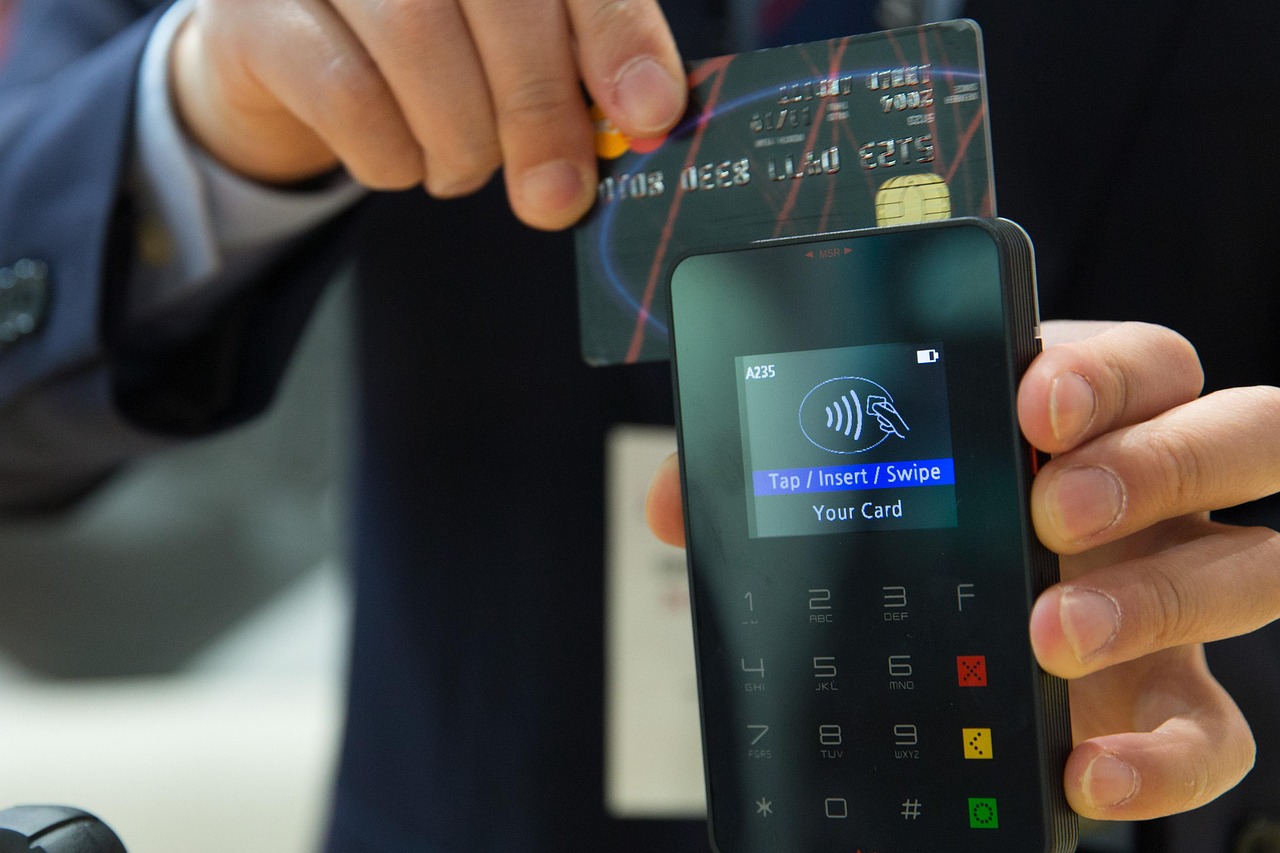
- Card payment integration: a card machine that connects to the software so card sales are recorded automatically without manual reconciliation. Our guide to card machines and till systems combined explains why this integration matters.
- Peripherals: barcode scanner, receipt printer and cash drawer — the physical accessories that complete the setup.
- Back-office portal: a browser or app dashboard where you manage your product library, view reports and update pricing remotely.
You do not always need every component on day one. A sole-trader market stall, for instance, might start with a tablet terminal and a wireless card reader and add a receipt printer later. Scalability is one of the most underrated buying criteria for any first purchase.
What Should a First-Time Buyer Actually Look For?
Real buyers ask a handful of very practical questions when they are new to EPOS. Here are the most important ones — and what the honest answers look like.
Is it easy enough for my staff to learn quickly?
Staff training time is a genuine business cost. Look for systems with a clean, colour-coded touchscreen interface, a short onboarding process and supplier-provided training materials. Most reputable EPOS providers offer video walkthroughs, live chat support and — critically — UK-based telephone support during trading hours. Ask any supplier how long the average business takes to go live, and whether training is included in the setup fee.
Will it work if the internet goes down?
Offline mode is non-negotiable for most physical retail and hospitality businesses. A good EPOS system stores sales locally and syncs to the cloud when connectivity is restored, so a broadband blip does not stop you trading. Confirm this with any supplier before signing a contract — not every cloud-based system handles offline gracefully.
Does it work for my specific type of business?
A café has very different needs from a clothing boutique or a pharmacy. Hospitality setups typically require table management, kitchen display screens and split-bill functionality; retail needs detailed inventory tracking and supplier purchase orders; pharmacies may need dispensing integration and age-verification prompts. Choosing a system built for your sector — rather than a generic tool — saves significant configuration time and frustration.
You can explore sector-specific options on the EPOS Direct UK home page, where current offers and detailed product information are available across retail, hospitality and specialist verticals.
Comparing Your Setup Options: A Practical Tier Guide
Not every business needs a full multi-terminal setup on day one. The table below outlines three common starting points, what each includes and the kind of business each suits best.
| Setup Tier | Typical Components | Best Suited To | Indicative Monthly Cost (UK) |
|---|---|---|---|
| Starter | Tablet terminal, integrated card reader, cloud software | Market traders, pop-ups, sole traders, early-stage cafés | Typically from £30–£60/month (software + payment fees) |
| Core Retail / Hospitality | Dedicated touchscreen terminal, barcode scanner, receipt printer, cash drawer, integrated card machine | Independent shops, salons, small restaurants, coffee shops | Typically £60–£150/month (subscription) or from ~£500–£1,200 outright hardware + software subscription |
| Multi-Terminal / Advanced | 2+ terminals, kitchen display, table management, advanced reporting, staff management module | Growing restaurants, multi-department retailers, pharmacies | Typically £150–£350+/month, or higher outright purchase plus support contract |
These figures are indicative market ranges for guidance only and will vary based on supplier, contract length, hardware spec and your card processing volume. Always request a written quote for your specific requirements.
For a deeper breakdown of the buy-outright versus subscription decision, our article on monthly EPOS subscriptions versus outright purchase lays out the financial trade-offs clearly.
Understanding the True Cost of a Till System
First-time buyers often focus on the hardware price and overlook the ongoing costs that accumulate over a contract term. A complete cost picture includes:
- Hardware: the terminal, scanner, printer and cash drawer — either purchased outright or bundled into a lease/subscription.
- Software licence: most modern EPOS software is priced per terminal per month, typically ranging from £20 to £80 per terminal depending on the feature set.
- Card processing fees: charged as a percentage of each card transaction (and sometimes a small per-transaction fee). Rates in the UK market typically range from around 0.5% to 1.75% for card-present transactions, though the exact rate depends on your card mix, volume and provider.
- Setup and installation: some providers include this; others charge separately. Confirm upfront.
- Support and maintenance: look for a UK-based support team and check whether remote support, on-site engineer visits and software updates are included or billed additionally.
The most cost-effective route for most independent businesses starting out is a subscription-based model that bundles hardware, software and support — it keeps upfront costs low and makes budgeting predictable. That said, if you plan to use your system for five-plus years, outright purchase often works out cheaper in total.
Sector-Specific Advice for New Buyers
Retail businesses
Retail EPOS systems live or die on their stock management capabilities. You need a system that lets you add products by barcode, tracks stock depletion in real time, raises low-stock alerts and ideally integrates with your suppliers' order systems. If you sell online as well as in-store, unified inventory management — where your webstore and EPOS share a single stock pool — is essential to avoid overselling. See our practical buyer's guide to the best till systems for small businesses for a detailed retail-focused comparison.
Hospitality and food service
Restaurants, cafés and bars need features that retail systems do not: table plans, covers tracking, modifier prompts ("sauce on the side?"), kitchen display or printer routing, and tip handling. Integrated card payments are particularly important here — a wireless card machine that talks directly to the till removes the manual key-in step that causes end-of-night reconciliation headaches. Our guide to the best wireless card machines for small businesses covers the options relevant to F&B environments.
Specialist sectors
Pharmacies, opticians and other regulated businesses may need sector-specific compliance features — age-verification prompts, dispensing workflow integration or patient record linkage. Generic EPOS software rarely handles these well. Specialist providers who understand the regulatory landscape are worth the additional investment.
How EPOS Direct UK Supports First-Time Buyers
EPOS Direct UK has spent years helping independent retailers, restaurant owners and specialist businesses across the United Kingdom choose, install and grow with their first EPOS system. The approach is consultative rather than product-led: the team asks about your sector, transaction volume, staff count and budget before making a recommendation — because the right system for a single-terminal deli is genuinely different from the right system for a six-table restaurant.
All systems come with UK-based support, and new customers can explore the software in detail before committing. If you run a retail business, the retail EPOS software demo lets you see the interface and feature set hands-on. Hospitality buyers can explore functionality through the restaurant EPOS software demo, and pharmacy businesses can try the pharmacy EPOS software demo.
For those who want to see current hardware and software bundles before booking a demo, the retail EPOS offers page and hospitality and restaurant EPOS offers page set out what is available at each price point.
If you want to understand how EPOS Direct UK compares with other providers, our till system comparison with competitors gives an honest breakdown of the key differences.
Next Steps: Getting Started With Confidence
The single most useful thing a first-time buyer can do is speak with someone who understands EPOS before committing to any hardware or software contract. A fifteen-minute conversation will surface requirements you have not thought of yet — and save you from buying a system that needs replacing in two years.
- Define your priorities: list the three or four features that matter most for your day-to-day operation — fast checkout, stock tracking, integrated card payments, offline mode, kitchen printing, or whatever is most relevant to your sector.
- Set a realistic budget: include hardware, software, card fees and support over a two-year horizon, not just the upfront cost.
- Request a live demo: see the software in action with your own product scenarios rather than a generic walkthrough.
- Check the support offering: confirm UK-based support hours, response times and what happens if your terminal develops a fault mid-service.
- Read the contract carefully: understand the minimum term, what happens at renewal and who owns the hardware at the end of a lease.
The Direct Answer: What Is a Till System, in Plain Terms?
A till system — properly called an EPOS system — is a combination of hardware (touchscreen terminal, card reader, printer) and software that records sales, accepts payments, manages stock and produces business reports. Modern systems work for businesses of any size, are cloud-connected for remote management and are far more accessible to new users than the terminology suggests. Most first-time buyers are fully operational within a single day of installation.
Ready to Find the Right System?
Choosing your first till system is one of the most impactful operational decisions you will make as a business owner — and it does not need to be complicated. EPOS Direct UK's team is available to answer questions, walk you through a live demo and help you find a setup that fits your business now and scales with you as you grow.
Talk to an expert online to get personalised guidance with no sales pressure, or request a free demo to see the software in action before making any commitment. You can also request a call back and a member of the UK team will be in touch at a time that suits you.
Written by the EPOS Direct UK team, who work with retail, hospitality and specialist businesses across the United Kingdom every day to help them find the right EPOS solution for their needs.
Frequently asked questions
- How much does till system for beginners cost in United Kingdom?
- Costs vary by provider and scope. EPOS Direct UK offers transparent pricing tailored to EPOS & POS systems businesses.
- Is till system for beginners suitable for small businesses?
- Yes — solutions can be scaled to fit independent operators as well as multi-site groups.
- What should I look for when choosing?
- Prioritise reliability, support, total cost of ownership and proven results in United Kingdom.
