We use cookies to make your experience better.
To comply with the new e-Privacy directive, you agree to the privacy policy and our use of cookies

The Best Till Systems for Fish and Chip Shops: What to Look For and Why It Matters
The Best Till Systems for Fish and Chip Shops: What to Look For and Why It Matters
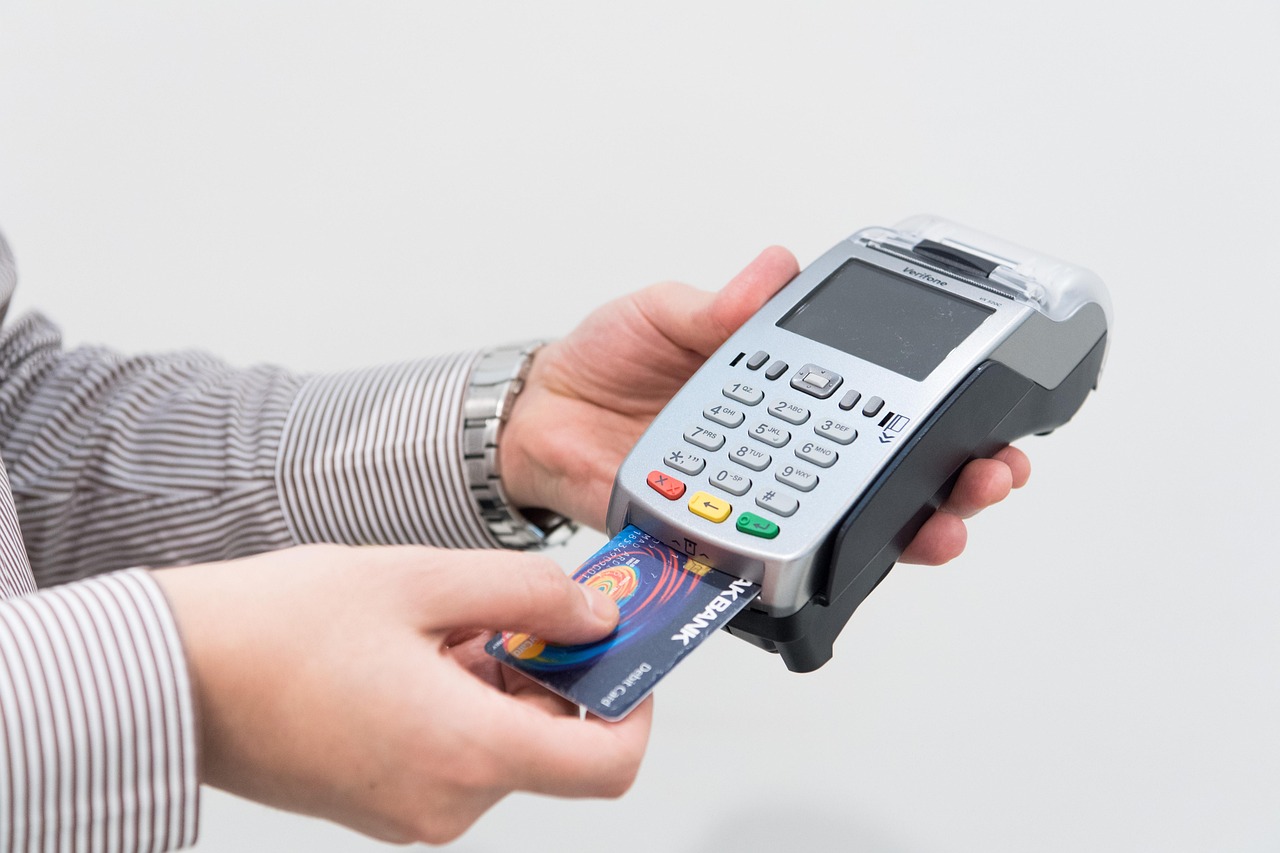
A modern EPOS till system transforms a fish and chip shop from a cash-in, food-out operation into a tightly managed, data-driven business — faster at the counter, sharper on stock, and far easier to run at the end of a busy Friday night. The right system handles everything from rush-hour queue management and portion-based ingredient tracking to integrated card payments and end-of-day reporting, without adding complexity to an already demanding kitchen environment. This guide walks chippy owners through exactly what to look for, what to expect to pay, and how to make a confident buying decision.
Written by the EPOS Direct UK team, who help independent food businesses and hospitality operators across the United Kingdom choose, configure and get the most from their EPOS and POS systems every day.
Why a Dedicated EPOS Till Makes a Real Difference in a Chippy
A traditional cash register records a sale — nothing more. A purpose-built EPOS system for a fish and chip shop does considerably more: it links the till to your stock room, your payment terminal, your supplier orders, and your end-of-day accounts in one connected workflow. That matters enormously in a takeaway environment where margins are tight, waste is a constant pressure, and customers expect to be served quickly.
Consider a typical Friday evening: queues form fast, staff are juggling orders for cod, haddock, pies and sides, phone orders are stacking up, and cash and card payments are arriving simultaneously. Without a structured system, errors creep in — wrong items, missed payments, over-ordering on batter mix, under-ordering on fish portions. A well-configured EPOS system eliminates the vast majority of these failure points.
Beyond the counter, there is a compliance dimension. UK businesses taking card payments are subject to Payment Card Industry Data Security Standards (PCI DSS). A dedicated EPOS system with an integrated, certified payment solution helps you meet those requirements without managing it manually. For guidance on the standards themselves, the PCI Security Standards Council website is the authoritative source.
If you are currently running a basic cash register and considering an upgrade, our guide on how to switch from a cash register to a modern EPOS system is a practical starting point for understanding what the transition involves.
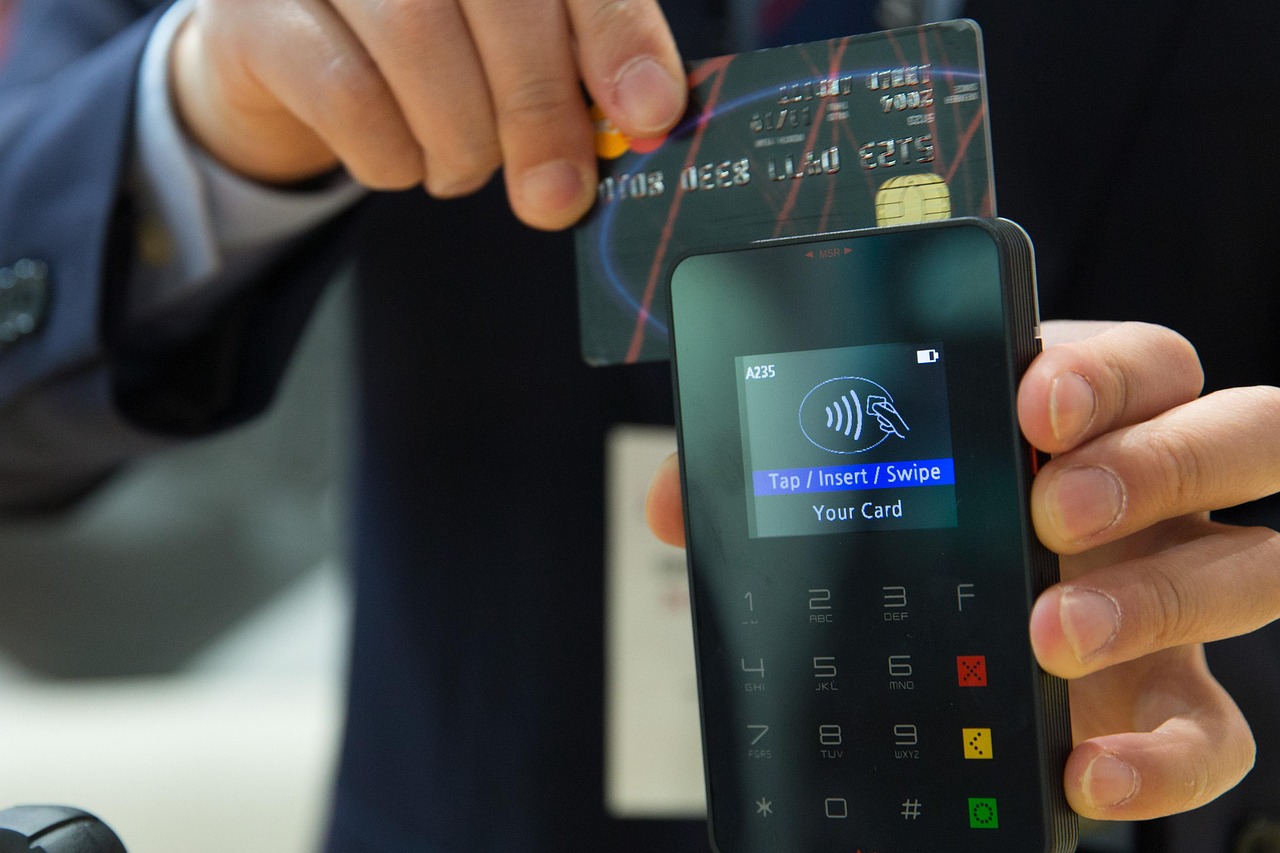
Key Features to Look For in a Fish and Chip Shop Till System
Not every EPOS system is built with a takeaway chippy in mind. The features below are the non-negotiables that genuinely experienced operators look for — not marketing bullet points, but practical capabilities that make a difference during service.
Quick-service layout and programmable product buttons
A touchscreen till should be configurable so your most popular items — cod, chips, battered sausage, mushy peas — are one tap away. Reducing button presses per transaction directly reduces queue length and staff stress during peak hours.
Modifier and portion options
Fish and chip shops deal in variations: small chips, large chips, open or wrapped, salt and vinegar or plain. Your till needs to handle modifiers cleanly and print or display them clearly to the kitchen or fryer station.
Kitchen display or kitchen printer integration
Routing orders directly from the till to a kitchen printer or display screen removes the need for verbal communication across a noisy shop, reduces errors, and keeps service moving.
Phone and collection order management
Many chippies take advance orders, especially around busy periods. A system that lets staff log a phone order, attach a collection time, and flag it at the right moment keeps everything organised without a paper notepad system prone to errors.
Cash and card handling in one workflow
Splitting cash and card into separate reconciliation processes at close of day is a recipe for discrepancies. Look for a system where both payment types feed into a single transaction log and daily report.
How EPOS Tills Help You Manage Rush-Hour Orders and Queues
The Friday evening rush is where a chippy's till system either earns its place or exposes its weaknesses. Speed of transaction is the primary metric: every second saved at the point of sale translates directly into shorter queues and more covers served per hour.
Modern EPOS systems contribute to queue management in several practical ways:
- One-touch popular combos: Preset meal deal buttons mean a common order — for example, a large cod and chips with a can of Coke — is a single tap rather than three separate selections.
- Split payments: A table or group paying partly in cash and partly by card is handled cleanly, without staff needing to manually calculate splits.
- Order number display: Customer-facing order number screens or printed receipts with collection numbers remove the need for staff to call out names, reducing confusion in a busy shop.
- Parallel transaction processing: Better systems allow a second transaction to begin while the payment terminal is processing a card — saving meaningful time across hundreds of transactions per week.
For businesses considering wireless card acceptance as part of a faster service model, our overview of the best wireless card machines for small businesses in the UK covers the practical options in detail.
Stock Control and Supplier Management for Fish and Chip Shops
Ingredient waste is one of the biggest margin destroyers in a chippy. Fish is expensive, cooking oil is expensive, and both have a defined shelf life. A good EPOS system with stock control functionality allows you to track ingredient depletion against sales, which means you can identify over-ordering patterns, reduce spoilage, and make more accurate supplier purchase decisions.
How ingredient-level stock tracking works
Rather than simply recording that you sold a portion of chips, the system deducts the appropriate weight of potatoes from your stock count. Over time, you build an accurate picture of actual consumption versus theoretical consumption — and the difference often reveals where waste, theft or over-portioning is happening.
Supplier purchase orders
Some EPOS platforms allow you to generate purchase orders directly from the till back-office, triggered automatically when a stock item falls below a set reorder level. For a chippy buying fresh fish several times a week, this removes the risk of running short on a Thursday before the weekend rush.
Wastage recording
End-of-day wastage entry — logging unsold cooked fish or chips — feeds into your cost-of-goods reporting and gives you an honest picture of true food margin, not just the theoretical figure calculated from purchase invoices.
Integrated Payments, Receipts and End-of-Day Reporting
A frequently asked question from chippy owners evaluating new systems is: do I need my card machine and till to be connected, or can they run separately? The honest answer is that integration saves time, reduces errors, and makes end-of-day reconciliation significantly less painful.
With an integrated payment solution, the till sends the transaction total directly to the card reader — no manual keying of amounts, which is a common source of discrepancies. Every card payment is automatically logged against its corresponding sale, so your Z-report at close of day ties up cleanly.
End-of-day reports from a well-configured EPOS system typically include:
- Total sales by payment type (cash, card, contactless)
- Sales breakdown by product or category
- Average transaction value
- Refunds and voids
- Gross profit by item, where ingredient costs are configured
- Staff sales summary, useful where multiple staff members are on shift
Our guide to EPOS systems with integrated card payments in the UK explores the technology and the key questions to ask providers before committing.
Cloud-Based vs Traditional Till Systems: Which Is Right for Your Chippy?
This is one of the most practically important decisions a chippy owner faces, and it is worth thinking through carefully rather than defaulting to what feels familiar.
| Factor | Cloud-Based EPOS | Traditional (On-Premise) EPOS |
|---|---|---|
| Data access | Accessible from any device, anywhere — ideal for owners not always on-site | Data stored locally; access typically requires physical presence |
| Software updates | Automatic, included in subscription | Manual updates; may require engineer visit or additional cost |
| Internet dependency | Requires stable broadband; good systems include offline mode | Fully functional without internet |
| Upfront cost | Lower — hardware plus monthly software subscription | Higher upfront licence and hardware investment |
| Scalability | Easy to add terminals or locations | Each additional terminal typically requires additional licence |
| Reporting | Real-time, accessible remotely via dashboard | Report generation usually on-site only |
| Best suited to | Owner-operators who want remote oversight; businesses with reliable broadband | Operators with intermittent connectivity or a preference for local control |
For most independent chippies with reliable broadband, a cloud-based system offers a better balance of cost, flexibility and insight. If you want to explore the financial case further, our article comparing monthly EPOS subscription versus outright purchase sets out the real-world numbers and considerations.
How Much Does a Till System Cost for a Fish and Chip Shop?
Cost is understandably one of the first questions operators ask, and it deserves a straight answer rather than a vague "it depends." The figures below are indicative ranges typical for the UK market — not quotes, and not competitor pricing. Always request a personalised proposal based on your specific setup.
Indicative cost ranges
- Entry-level single-terminal setup (touchscreen till, receipt printer, cash drawer, basic cloud software): typically from around £300–£600 for hardware, plus a software subscription from approximately £30–£60 per month.
- Mid-range setup with kitchen printer, integrated card terminal and stock control: hardware investment typically in the range of £700–£1,500, with monthly software costs from approximately £50–£100 per month depending on the feature set.
- Multi-terminal or more advanced setup (second till, customer display screen, advanced reporting): overall investment typically from £1,500 upward for hardware, with software costs scaling accordingly.
Payment processing fees are separate from system costs and are set by your payment provider or acquirer. These vary based on card volume and card type (credit, debit, contactless). Always read the full fee schedule before signing with any payment provider.
Many operators find that a subscription model — spreading the cost monthly rather than paying outright — makes an EPOS system accessible without a large initial outlay. You can explore our hospitality and restaurant EPOS offers to see current package options, or request a free demo to see the system in action before committing to anything.
If you are comparing providers, our complete 2026 EPOS system comparison guide gives an honest breakdown of how different approaches stack up against each other.
Making the Right Choice for Your Business
The best till system for a fish and chip shop is the one that fits the specific rhythm of your operation — your peak times, your menu complexity, your staff setup, and your appetite for technology. There is no single right answer, but there are clear wrong ones: a system that is too slow at the counter, too difficult for staff to learn, or too limited to grow with your business will cost you more in lost sales and frustration than it saves.
A few final questions worth asking any provider before you commit:
- Does the system work in offline mode if your broadband drops during a busy service?
- What does the onboarding and training process look like — and is it included in the price?
- How is technical support provided, and during what hours?
For broader context on selecting the right system, our complete buyer's guide to till systems for small businesses in the UK covers the full evaluation framework in depth. You can also find further information and offers on the EPOS Direct UK home page.
Take the Next Step with EPOS Direct UK
EPOS Direct UK works with independent food businesses, takeaways and hospitality operators across the United Kingdom, helping them find a system that fits their environment, budget and ambitions — not the other way around. Whether you are replacing an ageing cash register, opening a new shop, or scaling to multiple sites, we can help you make a confident, well-informed decision.
Talk to an expert online about your specific requirements, or request a call back at a time that suits you. If you would rather see the software first, you can access a restaurant EPOS software demo right now — no commitment, no sales pressure, just a clear picture of what modern EPOS looks like in practice.
Frequently asked questions
- What should a good till system for a fish and chip shop actually do?
- A purpose-built chippy till should handle quick-serve order entry, split orders for eat-in and takeaway, apply meal deal pricing, manage portion-level stock, accept card and contactless payments, and produce end-of-day Z-reports. Look for a touchscreen interface that staff can learn in minutes during busy service periods.
- How much does a proper EPOS system cost for a fish and chip shop in the UK?
- For a single-terminal setup in a UK fish and chip shop, you can typically expect to pay between £500 and £1,200 upfront for hardware, or opt for a monthly subscription model starting from around £30 to £75 per month including software and support. EPOS Direct UK offers tailored packages, so the final cost depends on whether you need kitchen display screens, card payment integration or multi-site management.
- Can I use my EPOS till to take phone and online orders as well as counter orders?
- Yes. Modern EPOS systems like those from EPOS Direct UK can integrate with online ordering platforms and accept phone orders directly into the same queue as counter sales. This means your kitchen sees every order in one place, reducing errors and keeping service times down during peak hours.
