We use cookies to make your experience better.
To comply with the new e-Privacy directive, you agree to the privacy policy and our use of cookies


The Complete Till System Guide: Choosing the Right POS for Your UK Business
The Complete Till System Guide for UK Retail & Hospitality Businesses
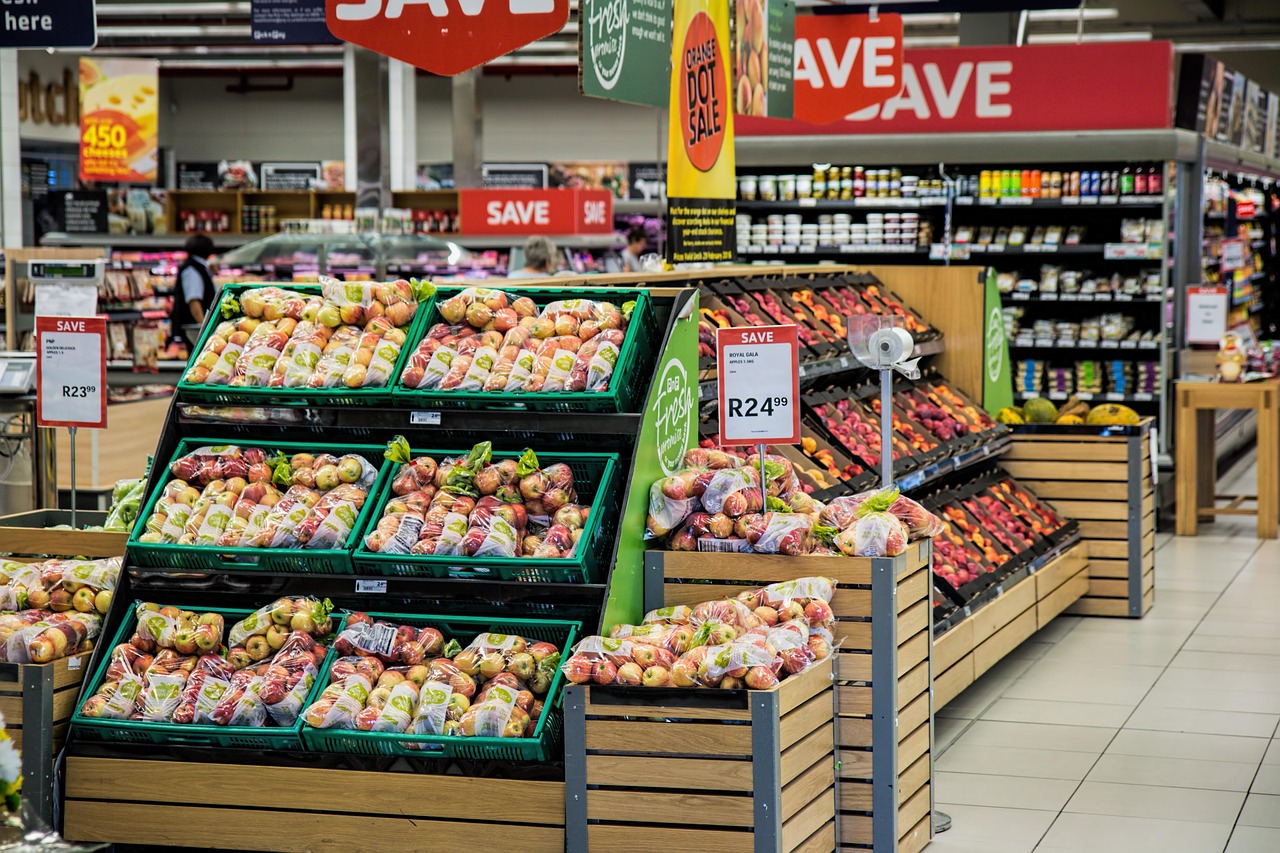
A modern till system is the operational backbone of any retail or hospitality business — handling payments, tracking stock, managing staff, and generating the insights that drive smarter decisions. Whether you're fitting out a first shop, upgrading ageing hardware, or evaluating cloud-based alternatives, this guide covers everything you need to choose, buy and implement the right solution with confidence. For a full overview of current deals and hardware options, the EPOS Direct UK home page is the best starting point.
What Is a Till System and How Does It Work?
At its core, a till system — also called an EPOS (Electronic Point of Sale) or POS system — is a combination of hardware and software that processes sales transactions. When a customer buys something, the system records the item, calculates the total, processes payment, updates stock levels and logs the transaction for reporting. Modern systems do considerably more: they integrate with card readers, loyalty programmes, accounting platforms and online ordering channels, turning a simple checkout into a data hub for the whole business.
The hardware typically includes a touchscreen terminal or tablet, a receipt printer, a cash drawer, and a barcode scanner. The software — either installed locally or hosted in the cloud — is where the real intelligence lives: inventory management, staff permissions, sales analytics and customer records all reside here and are accessible in real time.
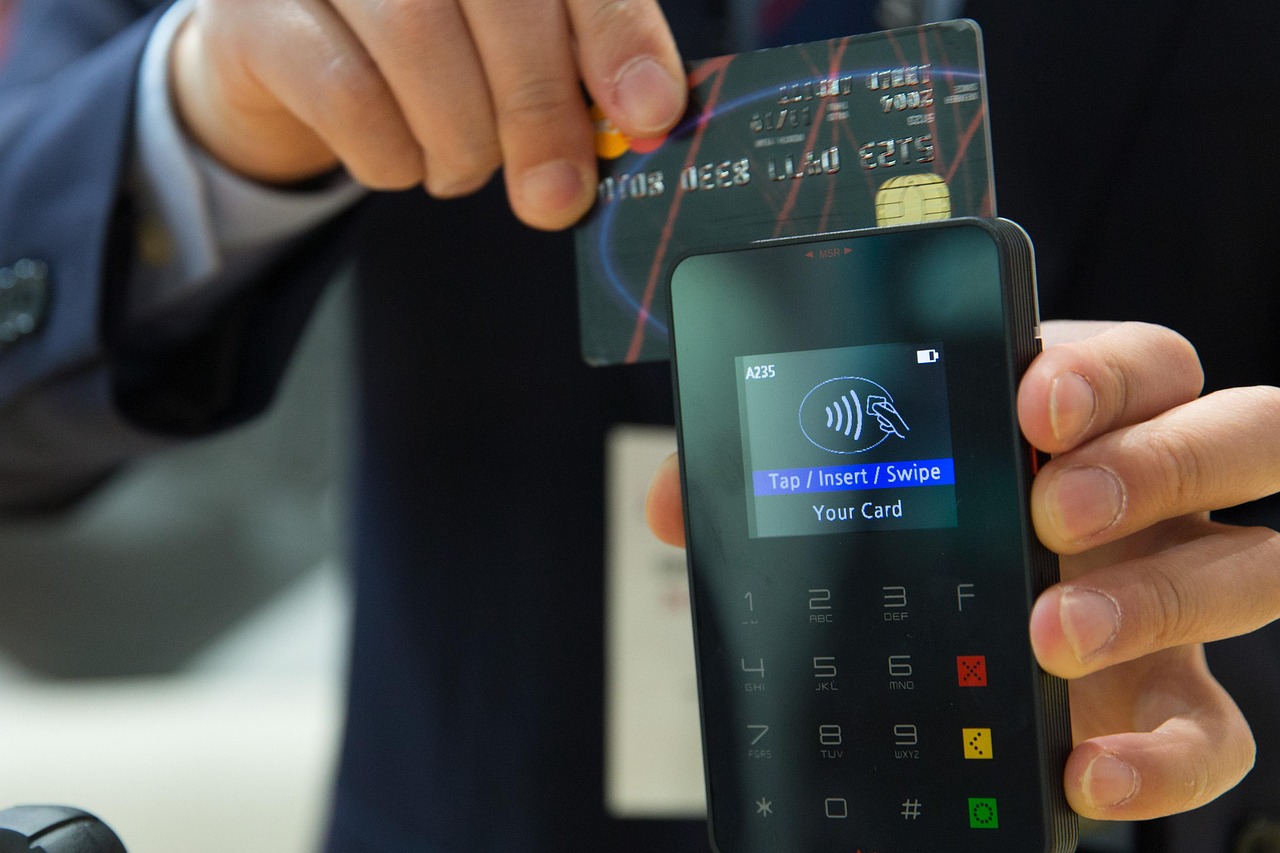
Types of Till Systems: Traditional, Cloud-Based and Mobile POS
Choosing between system types is one of the first and most consequential decisions you'll make. Each architecture suits different businesses and risk profiles.
Legacy (Server-Based) Systems
Older EPOS setups store all data on a local server on your premises. They can work offline without interruption, but software updates are manual, remote access is limited, and the upfront cost of server hardware is significant. For most new installations, local-server systems are being phased out in favour of hybrid or full-cloud alternatives.
Cloud-Based EPOS
Cloud-based systems store data remotely and sync in real time across every terminal and device. Owners can check sales, reorder stock or manage staff rotas from anywhere with an internet connection. Updates happen automatically and subscription pricing spreads cost over time. The trade-off is dependency on broadband — a consideration worth addressing with a secondary 4G/5G connection as a failsafe.
Mobile and Tablet POS
Tablet-based systems (typically iPad or Android) are increasingly popular in hospitality and independent retail. They're portable, intuitive and faster to deploy than traditional fixed terminals. Many businesses run a hybrid model: fixed terminals at the counter supplemented by mobile handhelds for tableside ordering or pop-up selling. If card acceptance is central to your setup, our guide to combining a card machine and till system explains how integrated payment hardware reduces errors and speeds up every transaction.
Must-Have Features in a Modern Till System
The features that genuinely matter depend on your sector, but the following are non-negotiable for most UK businesses:
- Integrated card payments: Accepting debit and credit cards, contactless and digital wallets (Apple Pay, Google Pay) is essential. Fragmented systems that require manual reconciliation between a separate card terminal and your EPOS create errors and slow down service. See our roundup of EPOS systems with integrated card payments for a sector-by-sector comparison.
- Real-time inventory management: Stock counts that update automatically with each sale prevent overselling, reduce write-offs and flag reorder points before you run out.
- Reporting and analytics: At minimum, look for hourly and daily sales breakdowns, best-selling product reports and margin analysis. More advanced systems provide staff performance data and predictive restocking suggestions.
- Staff management: Clock-in/out, individual logins, permission levels and tip tracking are valuable for any business with more than two or three employees.
- Multi-site management: If you plan to expand, choose a system that lets you manage multiple locations from a single dashboard without paying for a separate licence per site.
- Offline mode: Critical for businesses that experience occasional connectivity issues — your system should queue transactions locally and sync when the connection is restored.
- Integrations: Xero, QuickBooks, Sage, Deliveroo, Uber Eats, WooCommerce — confirm that your shortlisted system connects natively with the platforms you already use.
You can explore how these features are implemented in practice by watching the retail EPOS software demo or the restaurant EPOS software demo directly from EPOS Direct.
What Does a Till System Cost in the UK?
Cost is invariably the first question buyers ask — and the answer depends heavily on whether you purchase hardware outright or take a monthly subscription, how many terminals you need, and which software tier you choose.
| Business Type | Typical Hardware Cost | Typical Monthly Software Fee | Best Fit |
|---|---|---|---|
| Single-terminal small retail or café | From approx. £300–£600 (outright) | From approx. £20–£50/month | Sole traders, market stalls, small independents |
| Mid-size retail shop (1–3 tills) | From approx. £800–£2,000 per terminal | From approx. £50–£120/month | Boutiques, pharmacies, gift shops, newsagents |
| Restaurant or bar (full hospitality setup) | From approx. £1,500–£4,000+ (full kit) | From approx. £80–£200/month | Restaurants, pubs, takeaways, hotels |
| Multi-site enterprise | Negotiated per project | From approx. £150/month upwards | Chains, franchises, managed venue groups |
All figures above are indicative ranges typical for the UK market and are provided as a guide only. Actual costs vary by supplier, configuration and contract terms. Always request a detailed written quote.
Beyond hardware and software, factor in installation, staff training, ongoing support contracts, and card processing fees (typically charged as a percentage of turnover by your payment provider). If you're weighing up whether to commit to a monthly plan or buy outright, our article on monthly EPOS subscriptions versus outright purchase breaks down the financial case for both approaches clearly.
Retail vs Hospitality: Where Till Systems Differ
Retail and hospitality businesses share a need for fast, accurate transactions — but the workflows that surround the checkout are quite different, and the software must reflect that.
Retail Priorities
- Barcode scanning and SKU-level inventory with variant management (size, colour, material)
- Customer loyalty schemes and CRM integration
- Ecommerce channel synchronisation (stock and pricing parity between physical and online stores)
- Purchase order management and supplier tracking
- Age-verification prompts for alcohol, tobacco or pharmacy lines
Independent pharmacies have particularly specific compliance requirements around dispensing records and patient data — the pharmacy EPOS software demo from EPOS Direct demonstrates how specialist software addresses these needs.
Hospitality Priorities
- Table and floor plan management with covers tracking
- Course-by-course ordering and kitchen display system (KDS) integration
- Split bills, service charge management and tipping workflows
- Delivery platform integrations (Deliveroo, Just Eat, Uber Eats)
- Allergen and dietary labelling prompts at point of order
- Bar tabs, pre-authorisation and hotel property management system (PMS) links
If you're fitting out a restaurant, bar or café, reviewing the hospitality and restaurant EPOS offers from EPOS Direct is a practical next step. Retailers should explore the retail EPOS offers page for hardware and software bundles suited to shop environments.
How to Choose the Right System for Your Business Size
System complexity should scale with operational need — not aspiration. Over-specified systems create unnecessary cost and complexity; under-specified ones become constraints within months. Here's a practical framework:
Sole Traders and Micro-Businesses (1–2 staff)
A single tablet or compact touchscreen terminal running cloud software, paired with an integrated card reader, is almost always sufficient. Prioritise simplicity, low monthly cost and strong mobile app support so you can manage the business on the go. Wireless card acceptance is often as important as the till itself — our guide to the best wireless card machines for small businesses is a useful companion read.
Growing Independents (3–20 staff)
Look for systems with robust staff management, multi-terminal support and supplier integrations. At this stage, reporting tools start to pay for themselves — understanding your best-selling lines and peak trading hours directly informs buying, staffing and marketing decisions. For a thorough evaluation of options at this level, our practical buyer's guide for small businesses covers the key contenders and selection criteria.
Established Multi-Site Businesses
Enterprise-grade cloud EPOS with centralised management, granular user permissions, API access and dedicated account management becomes the priority. Evaluate total cost of ownership over a three-to-five-year horizon, including support SLAs, onboarding and hardware refresh cycles. Always ask suppliers specifically how they handle data portability if you ever need to switch — this is often overlooked and can be costly to resolve later.
Installation, Training and Ongoing Support
The quality of implementation often determines whether a new system delivers its promised value. Hardware that sits misconfigured, or staff who revert to manual workarounds because training was inadequate, are wasted investments.
What Good Onboarding Looks Like
- On-site or remote installation with pre-configured hardware — not a box dropped at the door with a manual
- Data migration support for existing product libraries, customer records and pricing
- Role-specific training for managers and front-line staff, not a single generic walkthrough
- A structured go-live period with dedicated support contact during the first few trading days
Ongoing Support: Questions to Ask Before You Sign
- What are the support hours — and is weekend cover included for hospitality businesses?
- Is technical support UK-based, and what is the average response time for critical issues?
- How are software updates delivered, and do major version upgrades cost extra?
- What is the hardware warranty period, and what happens if a terminal fails during a busy trading period?
EPOS Direct UK offers both remote and on-site installation across the United Kingdom, with ongoing UK-based support. You can talk to an expert online to discuss your specific setup, or request a call back at a time that suits you.
A Quick Summary: The Core Answer
A till system combines payment processing hardware with EPOS software to manage sales, inventory, staff and reporting in one place. For most UK businesses, a cloud-based system on a monthly subscription offers the best balance of capability, cost and flexibility — with total investment typically ranging from a few hundred pounds for a basic single-terminal setup to several thousand for a full multi-terminal hospitality installation. The right choice depends on your sector, transaction volume, integration requirements and growth plans.
Ready to Choose Your System?
EPOS Direct UK has been helping retail, hospitality and specialist businesses across the United Kingdom select, install and get the most from their EPOS systems. Our team understands the practical realities of trading in this market — from VAT compliance and allergen regulation to the demands of peak-season trading — and every recommendation is based on genuine operational experience.
The clearest next step is to see the software in action before committing. Request a free demo from EPOS Direct, or explore our full EPOS software range to compare features across retail, hospitality and pharmacy solutions. If you'd prefer to talk through your requirements first, our specialists are available to advise with no obligation — simply connect with an expert online and get a recommendation tailored to your business.
Written by the EPOS Direct UK team, who support retail and hospitality businesses across the United Kingdom with EPOS and POS system selection, installation and ongoing software development every day.
Frequently asked questions
- How much does a till system cost for a small UK business?
- For a small UK business, a basic cloud-based till system typically starts from around £300–£500 for hardware (touchscreen terminal, card reader and receipt printer), plus a monthly software subscription of roughly £20–£60 per month. A more comprehensive EPOS bundle with stock management, reporting and multi-user access can cost £800–£1,500 upfront. Many providers, including EPOS Direct, offer finance options or flexible monthly plans to spread the cost.
- Do I need an internet connection to run a till system?
- Most modern cloud-based till systems require an internet connection to sync sales data, process card payments and update stock in real time. However, many systems — including those from EPOS Direct — offer an offline mode so you can continue processing cash sales during a brief outage, with data syncing automatically once connectivity is restored.
- What's the difference between a till system and an EPOS system?
- A traditional till system is essentially a cash register that records sales and stores cash. An EPOS (Electronic Point of Sale) system does all of that and much more — it manages stock levels, generates sales reports, integrates with payment terminals, supports loyalty schemes and can connect to e-commerce platforms. For most UK retail and hospitality businesses today, an EPOS system delivers significantly more value than a standalone till.
