We use cookies to make your experience better.
To comply with the new e-Privacy directive, you agree to the privacy policy and our use of cookies


Smart Till Systems with Built-In Stock Management for UK Retailers
Till Systems with Stock Management: The Complete Guide for UK Businesses
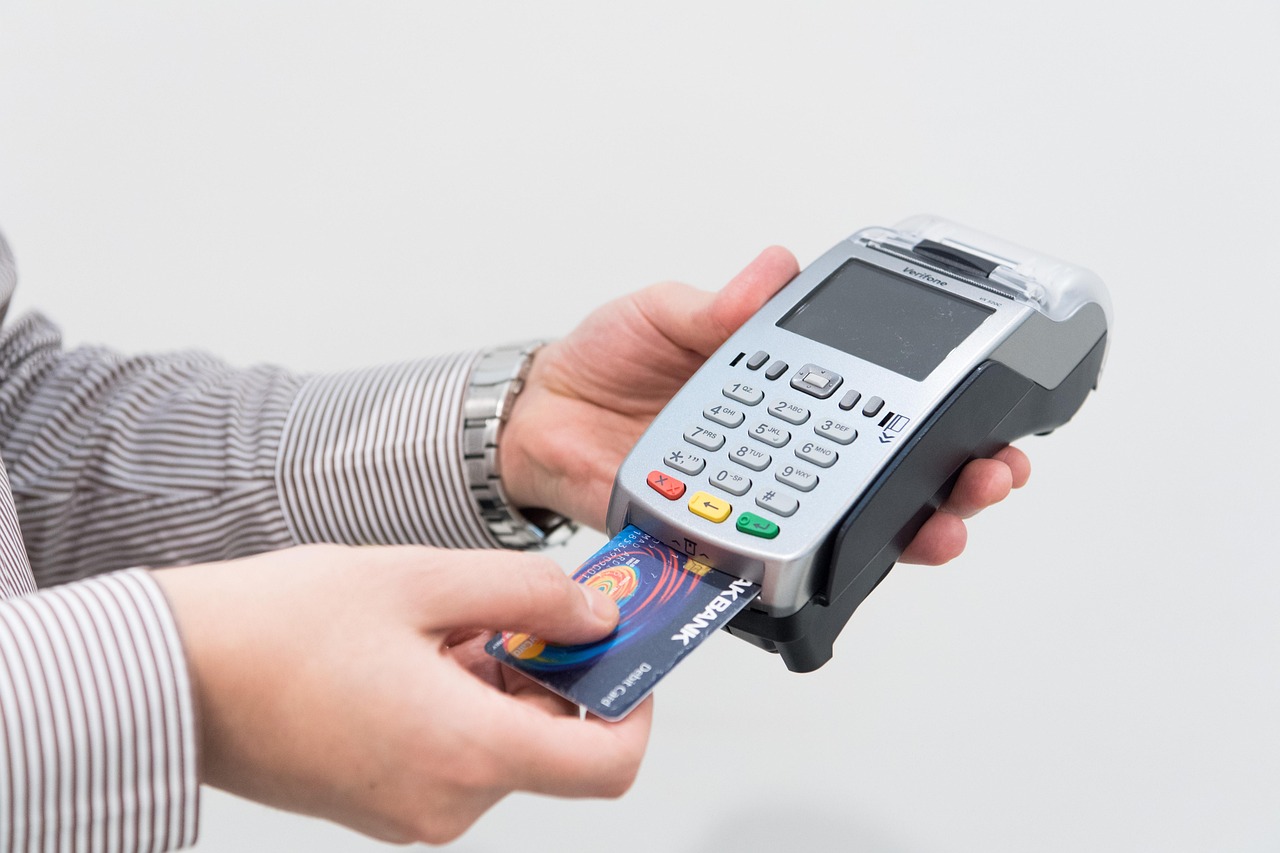
A modern till system that connects sales directly to stock levels is no longer a luxury reserved for large retailers — it is the operational backbone of any UK business serious about margins, accuracy and growth. The right setup automatically deducts inventory with every transaction, flags low-stock items before you run out, and gives you the kind of clear, real-time visibility that prevents the twin profit killers of shrinkage and overordering. This guide walks you through everything you need to know to choose, cost and implement the best solution for your operation.
Written by the EPOS Direct UK team, who help UK retailers, hospitality operators and specialist businesses find and deploy the right EPOS and POS systems every day.
What Is a Till System with Stock Management and Why Does It Matter?
At its core, a till system with integrated stock management combines a point-of-sale terminal — the hardware used to process sales — with inventory software that updates in real time as goods are sold, returned or received. Rather than running two separate tools and reconciling them manually, everything happens in one connected platform.
For UK businesses, this matters for three concrete reasons:
- Profitability: Knowing exactly what you hold prevents you buying stock you already have, and stops you losing sales because a bestseller quietly ran out.
- Compliance: For licensed premises or pharmacies, accurate stock records are part of your regulatory obligations. Automated audit trails reduce the administrative burden significantly.
- Scalability: A system that syncs stock across multiple tills, sites or online channels grows with you rather than becoming a blocker.
If you are still using a standalone cash register or a basic card reader, you are almost certainly losing money you cannot see. Businesses that upgrade to an integrated EPOS solution consistently report better stock accuracy and reduced write-offs. For a broader introduction to what EPOS technology can do, explore the complete guide to EPOS and POS systems for UK businesses.
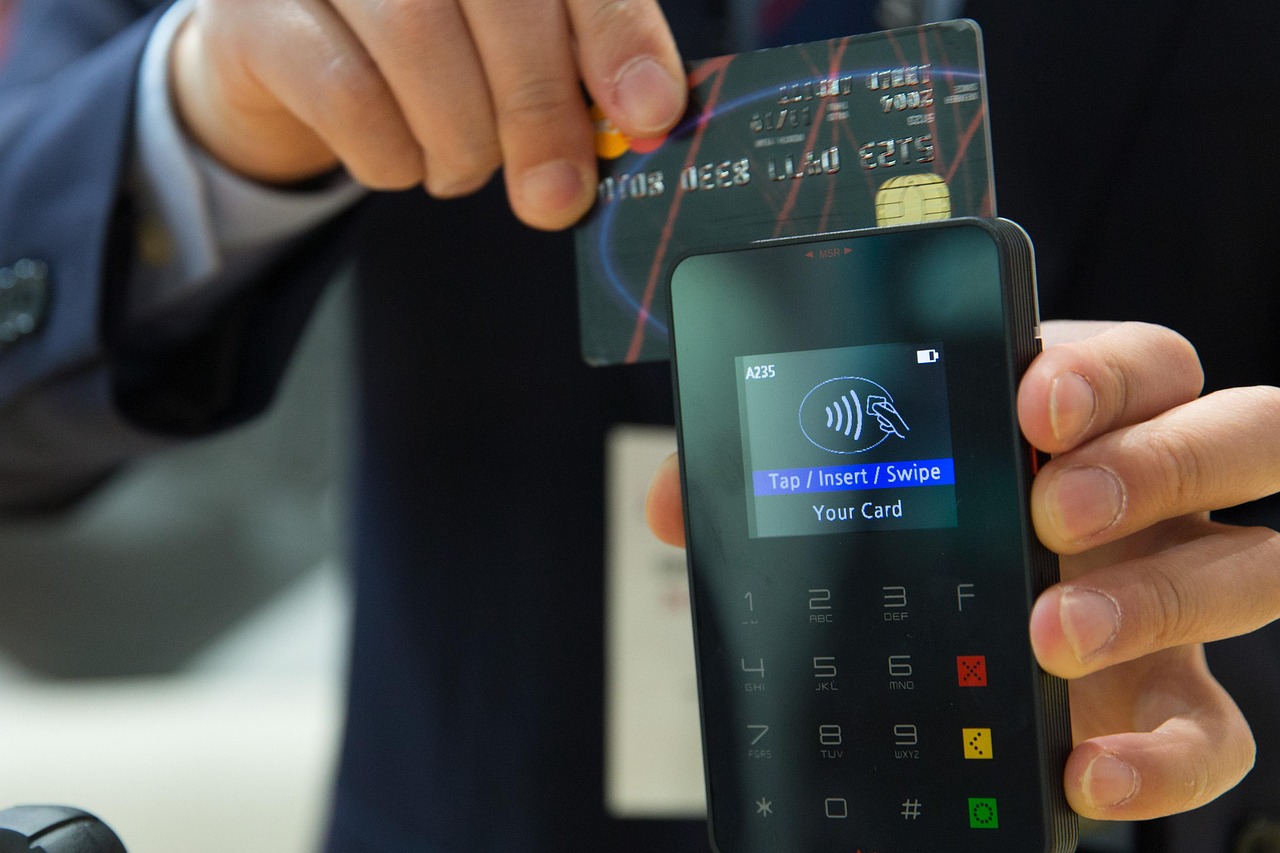
Key Features to Look for in a Retail Till with Inventory Control
Not all systems are built equal. When evaluating any platform, prioritise these capabilities:
Real-Time Stock Deduction
Every sale should decrement inventory the moment the transaction completes — not at end of day. This is the minimum requirement for accurate stock visibility.
Multi-Location and Multi-Till Synchronisation
If you operate more than one terminal or site, stock updates must propagate instantly across all of them. A customer service failure at one till because of stale stock data at another is entirely avoidable.
Supplier and Purchase Order Management
The best systems let you raise purchase orders directly within the platform, track deliveries against expected quantities, and reconcile discrepancies before they hit your P&L.
Low-Stock Alerts and Reorder Triggers
Automated alerts — delivered via the dashboard, email or SMS — mean your team acts on the right information at the right time, rather than discovering a stockout at the worst possible moment.
Barcode Scanning and SKU Management
For retail businesses with large product ranges, built-in barcode functionality is non-negotiable. It eliminates manual entry errors and accelerates stocktakes dramatically.
Reporting and Analytics
Stock management only creates value if you act on the data. Look for best-seller reports, slow-mover identification, wastage tracking and gross-margin analysis — all filterable by date range, category or location.
Clothing retailers have particular needs around size, colour and variant tracking. Our dedicated guide to EPOS systems for clothing shops in the UK explores matrix inventory management in depth.
How Real-Time Stock Tracking Reduces Shrinkage and Overordering
Shrinkage — the gap between what your records say you hold and what you physically have — costs UK retailers hundreds of millions of pounds each year, according to industry bodies such as the British Retail Consortium. It arises from theft, supplier short-delivery, administrative error and spoilage. An integrated till system addresses each of these vectors.
- Theft detection: When every sale is recorded against inventory, unexplained discrepancies become visible quickly. Regular automated stock counts highlight variances that would otherwise go unnoticed for months.
- Supplier accuracy: Goods-received notes created in your EPOS let you compare delivered quantities against invoiced quantities before items enter your live stock count.
- Overordering: With a live view of current stock levels and velocity data showing how quickly each SKU sells, buyers make purchasing decisions on evidence rather than instinct — typically reducing dead stock and tied-up working capital.
For food and beverage operators, ingredient-level recipe costing adds another layer: each dish sold deducts the constituent ingredients, giving kitchen managers genuine waste visibility rather than vague end-of-week figures.
Choosing Between Cloud-Based and On-Premise Stock Management
This is one of the most common questions buyers ask, and the honest answer is that cloud-based systems suit the majority of UK businesses in 2025 and beyond.
| Factor | Cloud-Based | On-Premise |
|---|---|---|
| Upfront cost | Lower — hardware plus monthly subscription | Higher — server hardware, licences, installation |
| Remote access | Full — access reports and stock from any device | Limited — typically requires VPN or on-site access |
| Software updates | Automatic, included in subscription | Manual, often at additional cost |
| Offline resilience | Good modern systems cache data locally during outages | Fully functional without internet |
| Scalability | Add terminals or locations instantly | Requires additional infrastructure investment |
| Data security | Enterprise-grade cloud security; GDPR-compliant hosting | Responsibility sits with the business |
| Best suited for | Most retail, hospitality and multi-site operators | High-security or low-connectivity environments |
Cloud solutions also integrate far more naturally with e-commerce platforms, accounting tools such as Xero or Sage, and delivery aggregators — meaning your stock picture stays accurate whether a sale happens in-store, online or via a third-party app.
You can explore the EPOS Direct software platform in detail, and book a retail EPOS software demo to see the stock management features working live before you commit to anything.
EPOS Solutions by Business Type: Matching the System to Your Operation
Different sectors have meaningfully different stock management requirements. Here is how the key verticals map to the right feature set:
Independent Retail
General merchandise, gift shops and convenience stores need fast barcode scanning, variant management and clear reorder reporting. A compact all-in-one terminal with cloud stock sync is typically the most cost-effective choice. See our practical guide to the best till systems for small businesses in the UK for a full breakdown of entry-level options.
Fashion and Apparel
Size-colour-style matrix inventory is essential. Look for systems that allow you to set up product variants cleanly and report on performance at variant level, not just at product level.
Hospitality and Restaurants
Table management, kitchen display integration and recipe-based ingredient deduction are the stock management priorities here. Our hospitality and restaurant EPOS offers are designed specifically for these workflows, and you can see the software in action via the restaurant EPOS software demo.
Pharmacy
Regulated stock categories, controlled drug records and NHS integration requirements make pharmacy one of the more complex environments. Dedicated pharmacy EPOS software with a proper audit trail is essential. Book a pharmacy EPOS software demo to understand how a purpose-built platform handles these requirements.
How Much Does a Till System with Stock Management Cost in the UK?
Cost is invariably the first question buyers ask, and the honest answer is that it depends heavily on the number of terminals, the features required and whether you need specialist hardware. The following ranges are indicative of what UK businesses typically pay — they are not quotes and will vary based on your specific configuration.
- Entry-level, single-terminal retail: Hardware typically from around £300–£600 upfront; software subscriptions from approximately £30–£60 per month. Basic stock management is usually included at this tier.
- Mid-range, multi-terminal or multi-site: Hardware costs scale with terminal count; software licences typically range from £60–£150 per month per site, with advanced stock and purchasing modules often included.
- Full hospitality or specialist retail (pharmacies, high-SKU operations): End-to-end packages — hardware, software, installation, training and support — commonly fall in the range of £100–£300 per month on a managed contract, with larger operations negotiating bespoke pricing.
Payment integrations are a closely related cost. Many businesses ask whether they can use their existing card machine alongside a new EPOS system, or whether they need a combined solution. Our guide to card machine and till system combined setups covers the options in full, including how to avoid paying unnecessarily for duplicate hardware. If transaction fees are a concern, our article on card machines with no monthly fee may also be relevant to your situation.
For businesses on tighter budgets, our guide to the most affordable EPOS systems for small UK businesses sets out how to get full-featured stock management without overpaying. You can also browse current packages and pricing directly on the EPOS Direct UK home page, where the latest offers and bundle information are kept up to date.
What to Ask Before You Buy: Three Questions That Sharpen Your Decision
- Does the system work offline? Internet outages happen. Confirm that the till can process sales and queue stock updates locally, syncing when connectivity is restored — this is particularly important for markets, events and rural locations.
- How is stock imported and maintained? If you have hundreds or thousands of SKUs, you need to know whether the system accepts bulk CSV uploads, integrates with your existing supplier catalogues, and how variant products (sizes, colours, flavours) are handled at import.
- What does support look like after go-live? Stock management issues at 6pm on a Saturday need a real response. Understand the support hours, the channel (phone, chat, email) and what is included in your subscription versus what is charged as an add-on.
How to Get Set Up with EPOS Direct UK: From Demo to Go-Live
EPOS Direct UK works with businesses across retail, hospitality and specialist sectors throughout the United Kingdom. The typical journey from first contact to a live, trading system looks like this:
- Discovery: A conversation with one of the team to understand your sector, scale, current pain points and integration requirements. You can start this online by choosing to talk to an expert online or by requesting a call back at a time that suits you.
- Demo: A live walkthrough of the software and hardware relevant to your business type, showing stock management, reporting and payment processing working together. Request a free demo to see the platform in action with no obligation.
- Proposal: A clear, itemised proposal covering hardware, software, training, installation and ongoing support — no hidden costs.
- Setup and data migration: The EPOS Direct team handles system configuration, product import and peripheral setup. For businesses with large catalogues, this stage is supported with tooling that reduces manual effort significantly.
- Training: On-site or remote training for your team, covering till operation, stock receiving, reporting and day-end procedures.
- Go-live and aftercare: Ongoing UK-based support to ensure the system continues to work for your business as it evolves.
If you are ready to explore retail-specific packages now, view the current retail EPOS offers for an overview of what is available at different price points.
Conclusion
Integrating your till with stock management is one of the highest-return operational decisions a UK business can make — reducing shrinkage, eliminating guesswork in purchasing, and giving you the kind of data that turns stock from a liability into a strategic advantage. The right system depends on your sector, your scale and how you plan to grow, but the core principle is straightforward: real-time accuracy at the point of sale creates better decisions everywhere else in the business.
EPOS Direct UK works with independent retailers, hospitality operators and specialist businesses across the country to design and deploy systems that genuinely fit the way they work. Request a free demo today or talk to an expert online — and take the first step towards stock management that actually works.
Frequently asked questions
- Can a till system automatically update stock levels when I make a sale?
- Yes. Modern EPOS till systems deduct stock in real time the moment a sale is processed, giving you an accurate live count across all product lines. Some systems also trigger low-stock alerts or automatic purchase orders so you never run out of your best sellers.
- How much should I budget for a till system with stock management in the UK?
- Costs vary depending on the number of terminals and features required. As a general guide, UK businesses can expect to pay roughly £300–£800 for entry-level hardware per terminal, with software subscriptions typically ranging from £30 to £120 per month. Full multi-site or hospitality packages with advanced inventory modules may cost more. EPOS Direct UK offers tailored quotes so you only pay for what you need.
- Will the system work if my internet connection goes down?
- Most quality EPOS systems, including those from EPOS Direct UK, offer offline mode functionality. Sales and stock adjustments are stored locally and automatically synced back to the cloud once your connection is restored, so your business keeps running without interruption.
