We use cookies to make your experience better.
To comply with the new e-Privacy directive, you agree to the privacy policy and our use of cookies

The Best Touchscreen Till Systems for Cafes: A Complete Buyer's Guide
The Best Touchscreen Till Systems for Cafes: A Complete Buyer's Guide
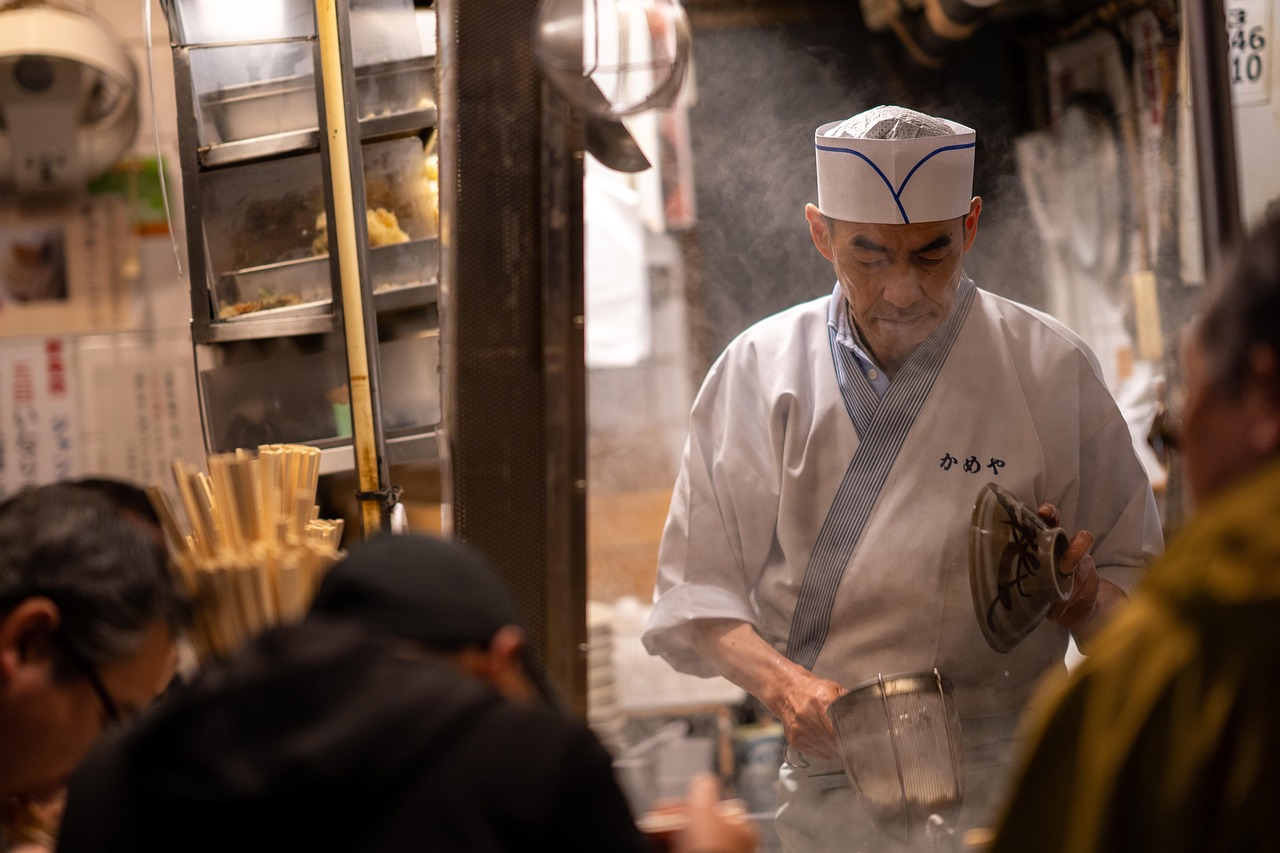
A well-chosen till system is one of the most impactful investments a café owner can make — affecting everything from queue length and order accuracy to end-of-day reporting and customer loyalty. Modern touchscreen EPOS systems are purpose-built for the pace and pressure of café service, replacing clunky legacy tills with intuitive, cloud-connected platforms that help your team work faster and your business grow smarter. This guide covers everything you need to know to choose the right setup for your café in the UK.
Why Cafés Need a Purpose-Built EPOS System
A generic till designed for retail simply cannot keep pace with the demands of a busy café. You need a system that handles rapid-fire drink orders, modifier options (oat milk, extra shot, no sugar), split bills, and table management — all simultaneously, during a morning rush with a queue out the door.
Purpose-built café EPOS platforms are engineered around these workflows. They display a clear, customisable menu grid on a touchscreen, push orders directly to a kitchen or bar printer, and reconcile payments in seconds. The result is faster service, fewer mistakes, and a noticeably better experience for your customers.
Beyond the counter, the right system gives you visibility over your entire business: which drinks sell best, when your peak hours are, how much milk you have left, and whether last Tuesday's promotional deal was worth running again. That kind of insight, delivered in real time, is what separates a profitable café from one that simply stays afloat.
Key Features to Look for in a Café Till System
Not every EPOS platform is equal, and the feature set that matters for a café is specific. Before you commit to any system, run it against this checklist:
Order Management and Menu Customisation
- Modifier and variant support: Your system must handle drink customisations (size, milk type, syrups, temperature) without slowing staff down. Look for a modifier workflow that requires minimal screen taps.
- Quick-edit menus: Seasonal specials, daily soups, and "sold out" items should take seconds to update — not a call to your supplier's support desk.
- Kitchen display or printer integration: Orders should travel instantly to the kitchen or barista station, eliminating handwritten tickets and the errors that come with them.
Payment Flexibility
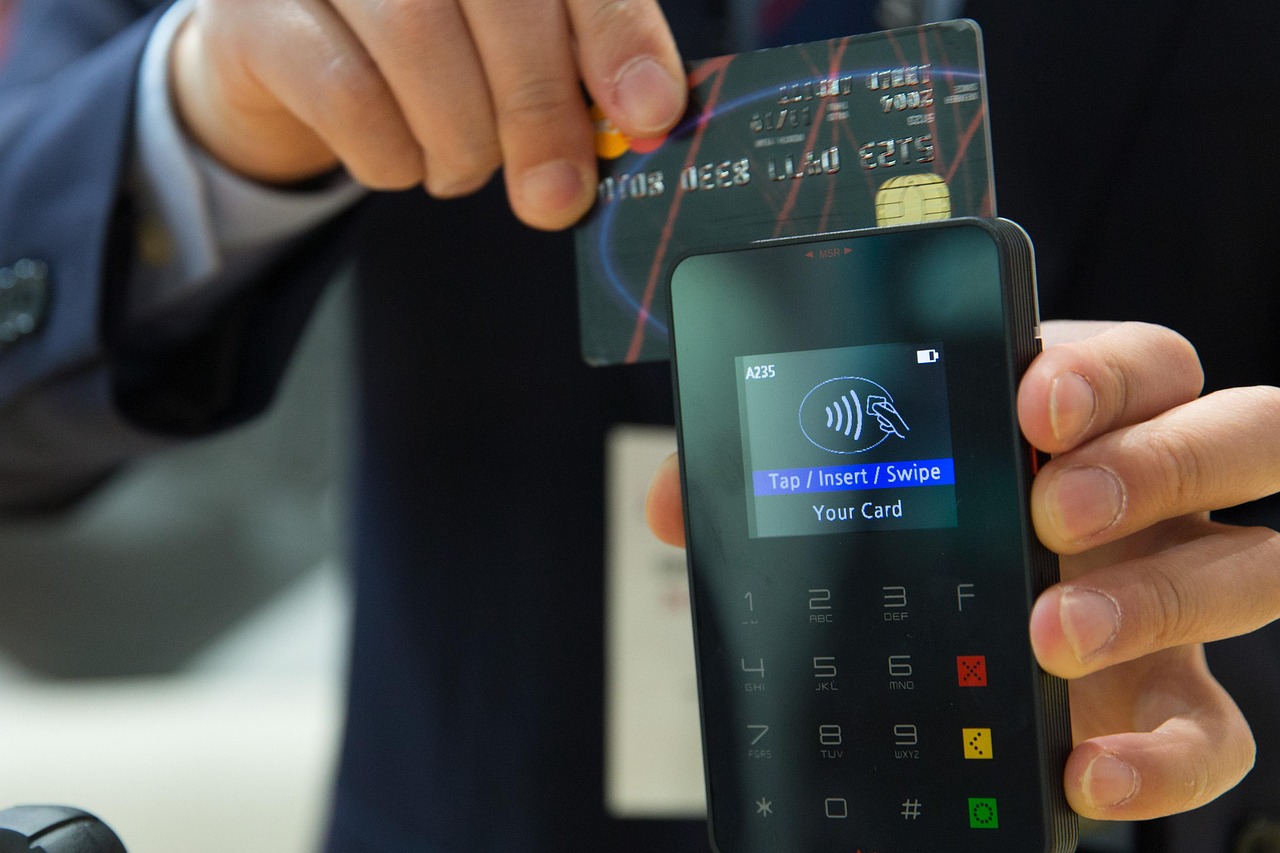
- Contactless, chip-and-PIN, Apple Pay and Google Pay as standard — customers expect all of these.
- Split-bill and partial-payment capability for groups.
- Integrated card processing, so payments reconcile automatically rather than being manually matched at close of day.
Stock and Ingredient Management
- Ingredient-level stock tracking (e.g., recording that a flat white uses 200ml of whole milk) so you can monitor usage without manual counting.
- Low-stock alerts that flag when supplies need reordering before you run out mid-service.
Reporting and Analytics
- Real-time sales dashboards accessible on any device.
- Product-level performance reports so you can rationalise your menu based on actual sales data.
- Shift and staff reports to manage labour costs accurately.
Loyalty and Customer Engagement
- Built-in or integrated loyalty programmes (stamp cards, points, targeted offers) that reward regulars without requiring a separate app or card system.
How a Touchscreen EPOS System Speeds Up Service and Reduces Errors
Speed and accuracy are the twin pillars of great café service. A touchscreen EPOS system addresses both simultaneously, and the mechanisms are worth understanding before you buy.
Faster ordering: A well-designed menu layout on a touchscreen allows staff to complete a complex drink order in two or three taps. Compare that to scrolling through a paper menu, calling out to the barista, and manually entering a price — the time saving per transaction is modest, but multiplied across hundreds of daily interactions it becomes significant.
Direct kitchen communication: When an order is entered at the till, it appears immediately on a kitchen display screen or prints at the barista station. There is no risk of misheard orders or illegible handwriting. Cafés that make this switch typically report a measurable drop in remake orders and food waste.
Integrated payments: Because the till and the card reader share the same system, the payment amount is sent automatically to the terminal — no manual keying, no transposition errors, no disputes over what was charged. For cafés processing dozens of card payments an hour, this alone justifies the upgrade.
Staff training: Intuitive touchscreen interfaces dramatically reduce the time it takes to onboard new staff. A well-designed café EPOS can have a new team member processing orders confidently within a shift, rather than the several days required to master a traditional till system.
If you are also evaluating systems for other business types, our guide to the best till systems for small businesses in the UK covers the broader market with practical, format-agnostic advice.
Integrations That Matter: Payments, Stock and Loyalty
A café till system is only as powerful as the ecosystem it sits within. Standalone software that does not talk to your payment terminal, accounting package, or supplier portal creates manual reconciliation work that eats into the time you save at the counter.
Payment Processing Integration
Integrated card payments mean your EPOS sends the transaction total directly to the terminal — no manual entry, no mismatch. If you are still running a separate card machine that does not communicate with your till, you are creating unnecessary work every close of business. For more detail on payment hardware options, our guide to the best wireless card machines for small businesses in the UK is a useful companion read, and our dedicated article on card machine and till system combinations explains exactly how integration works in practice.
Accounting and Payroll
Look for EPOS software that connects natively or via API with accounting packages such as Xero or QuickBooks. End-of-day sales data flowing automatically into your accounts removes hours of manual bookkeeping each week.
Stock and Supplier Management
Some café EPOS platforms allow you to set reorder points and generate purchase orders automatically. Even basic stock alerts — notifying you when whole milk or a popular syrup falls below a threshold — can prevent costly service interruptions.
Loyalty and CRM
Integrated loyalty programmes tied to the EPOS mean customer data, points and redemptions are tracked in one place. The most effective café loyalty schemes are ones staff can manage without leaving the till screen — reducing friction for customers and improving uptake significantly.
Cloud-Based vs On-Premise: Which Is Right for Your Café?
This is one of the most common questions café owners raise during system selection, and the answer depends on your priorities.
| Consideration | Cloud-Based EPOS | On-Premise EPOS |
|---|---|---|
| Access to data | Real-time, from any device, anywhere | On-site only, unless configured with remote access |
| Upfront cost | Lower — subscription model typical | Higher — licence and server hardware |
| Software updates | Automatic, included in subscription | Manual, often chargeable |
| Internet dependency | Requires broadband; good systems work offline temporarily | Fully independent of internet connectivity |
| Scalability | Easy — add terminals or locations centrally | Requires additional hardware and configuration per site |
| Data security | Managed by provider; look for UK GDPR compliance | Your responsibility; requires IT resource |
| Best for | Most independent cafés and small groups | Cafés with unreliable connectivity or specific IT policies |
For the vast majority of UK independent cafés, cloud-based EPOS offers a compelling combination of lower upfront cost, automatic updates, and the ability to monitor your business remotely — whether you are at a second site, at home, or on a supplier visit. The key question to ask any provider is how their system behaves when the internet goes down: a quality cloud EPOS will continue processing sales locally and sync once connectivity is restored.
How Much Does a Café Till System Cost in the UK?
Cost is inevitably a central consideration, and the range across the market is wide. The figures below are indicative of typical UK market pricing — they are intended as honest guidance for budgeting purposes, not as quotes or guarantees.
Hardware
- Entry-level tablet-based setup (touchscreen tablet, stand, card reader, receipt printer): typically from around £300–£600 for a single-terminal setup, purchased outright.
- Mid-range all-in-one touchscreen terminal with customer-facing display, integrated printer and card processing: most setups fall in the range of £600–£1,200 per terminal.
- Full café setup with multiple terminals, kitchen printer or display, cash drawer and networking: typically from £1,500 upwards depending on configuration.
Software and Ongoing Costs
- Cloud EPOS software subscriptions for cafés typically run from approximately £30–£80 per month per terminal, depending on the feature tier and provider.
- Some providers bundle software, support and payment processing into a single monthly fee — useful for cash-flow management.
- Payment processing fees are charged per transaction (typically a small percentage of each card payment) and vary by provider and monthly volume.
If budget is a key driver in your decision, our guide to the most affordable EPOS systems for small businesses in the UK provides a frank assessment of where you can reduce cost without sacrificing essential functionality. You may also find value in reviewing options with no ongoing monthly software fees — our article on card machines with no monthly fee is relevant if you are assessing your total cost of ownership.
What should you budget? A realistic starting point for a single-terminal café EPOS — hardware, software, and card processing included — is typically £50–£100 per month on a managed subscription, or a higher upfront outlay if you prefer to own the hardware outright. Multi-terminal setups scale accordingly. Always request an itemised quote that separates hardware, software, support, and processing costs so you can compare providers on a like-for-like basis.
Why UK Café Owners Choose EPOS Direct for Their Till Setup
EPOS Direct has been supporting UK hospitality and retail businesses with end-to-end EPOS solutions for many years, working with independent cafés, bakeries, coffee chains and food-to-go operators across the country. The combination of purpose-built hardware, flexible software, and UK-based expert support makes EPOS Direct a trusted partner for café owners who want a system that actually works — not just one that looks good in a brochure.
What Sets EPOS Direct Apart for Cafés
- Hospitality-specific software: The platform is designed with café and restaurant workflows at its core — modifiers, kitchen printing, table plans, and split payments are all handled elegantly.
- Integrated payments: EPOS Direct's card processing connects seamlessly with the till, eliminating the reconciliation headaches that come from running separate systems.
- Cloud reporting: Access your café's sales data, staff performance, and stock levels from any device, at any time. You can view the restaurant and café EPOS software demo to see the reporting interface in action before you commit.
- UK-based support: When something goes wrong during a Saturday morning rush, you need to reach a real person who understands your setup. EPOS Direct provides dedicated UK support for all customers.
- Flexible hardware options: From compact tablet setups for small cafés to multi-terminal configurations for busy high-street sites, EPOS Direct offers hardware that fits the space and budget.
For a broader overview of everything EPOS Direct offers across sectors, visit the EPOS Direct home page for full details, current offers, and more information. If you would like to explore the full range of hospitality system options, our hospitality and restaurant EPOS offers page details current packages and pricing.
You can also explore our wider range of guides for UK businesses — including our in-depth article on EPOS systems for small businesses — if you are still weighing up your options across different system types.
Making the Right Choice for Your Café
Choosing a touchscreen EPOS system is not simply a technology decision — it is a business decision that will shape every transaction, every customer interaction, and every management report your café produces. The best system is the one that fits your specific workflow, scales with your ambitions, and is backed by a provider you can genuinely rely on.
Start by mapping your pain points: are orders going wrong? Is the queue taking too long? Are you spending hours reconciling payments manually? Let those answers drive your feature priorities, then evaluate providers against them — not the other way around.
EPOS Direct's team works with UK café owners at every stage of this journey, from initial specification to installation and ongoing support. Talk to an expert online to discuss your café's specific requirements, or request a free demo and see the system in action before making any commitment. Getting the right till setup is one of the smartest investments you can make in your café's future.
Written by the EPOS Direct UK team, who work with hospitality and retail businesses across the United Kingdom every day, helping them find EPOS and POS solutions that genuinely fit their needs.
Frequently asked questions
- What hardware do I actually need to run a touchscreen till in my cafe?
- At minimum you need a touchscreen terminal, a receipt printer and a cash drawer. Most UK cafe setups also add a card payment terminal integrated directly with the EPOS software to speed up checkout. EPOS Direct bundles these components together so you are not sourcing hardware separately.
- How much should I budget for a cafe till system in the UK?
- Entry-level touchscreen till systems for small cafes in the UK typically start from around £300 to £500 for basic hardware, with monthly software subscriptions ranging from £20 to £60 per month depending on features. A fully configured system with receipt printer, cash drawer and integrated card payments commonly comes in between £600 and £1,200 upfront. EPOS Direct offers flexible packages and finance options so you can spread the cost.
- Can a cafe till system handle table service as well as counter orders?
- Yes. Modern EPOS systems designed for hospitality can manage both counter and table service from the same touchscreen interface. You can assign orders to table numbers, split bills and send tickets directly to a kitchen printer, making it suitable whether you run a grab-and-go counter or a seated cafe environment.
