We use cookies to make your experience better.
To comply with the new e-Privacy directive, you agree to the privacy policy and our use of cookies


The Best Touchscreen Till Systems for Restaurants in the UK
Touchscreen Till Systems for Restaurants: Everything UK Hospitality Owners Need to Know

A modern touchscreen till system transforms the way a restaurant operates — from the moment a guest sits down to the second a payment clears. For UK hospitality owners weighing their options, the right electronic point-of-sale (EPOS) setup can meaningfully reduce errors, accelerate table turns, and give managers the real-time data they need to run a tighter business. This guide covers everything you need to evaluate, compare and choose the system that fits your venue.
Written by the EPOS Direct UK team, who work with restaurants, cafés, bars and food-service businesses across the United Kingdom every day.
What Is a Touchscreen Till System and Why Do Restaurants Need One?
A touchscreen EPOS till for a restaurant is a purpose-built point-of-sale platform combining a touch-enabled screen, restaurant-specific software, and integrated hardware — card readers, receipt printers, kitchen display screens — into a unified system. Unlike a basic cash register or a retail-oriented till, it is engineered around the rhythm of food service: split bills, course-by-course ordering, modifier prompts ("medium-rare?", "no onions"), and real-time communication between the floor and the kitchen.
The case for switching is straightforward. Research consistently shows that order errors are among the leading causes of food waste and customer dissatisfaction in hospitality. A touchscreen system with on-screen modifier prompts and direct kitchen printing or display removes the handwritten-ticket bottleneck entirely. Managers gain live sales data, cover counts, and product mix reports that simply do not exist in a manual or legacy system.
Key Features to Look for in a Restaurant Till System
Not every EPOS platform marketed to restaurants is built with the same depth. When evaluating options, experienced buyers should scrutinise the following:
- Table and floor-plan management — A visual layout of your dining room so staff can see at a glance which tables are open, seated or awaiting payment.
- Course management and firing — The ability to send starters and mains to the kitchen at different times, preventing dishes arriving simultaneously.
- Item modifiers and allergen flagging — Mandatory prompts for allergen information align with Natasha's Law requirements (in force since October 2021 in Great Britain); verify current guidance at food.gov.uk.
- Split-bill and multi-tender payments — Essential for party dining; guests expect to pay separately by different methods.
- Real-time reporting and dashboards — Gross profit per dish, hourly covers, and void tracking visible to managers from any device.
- Offline resilience — A system that continues taking orders during a broadband outage and syncs when connectivity returns.
- Staff management — Clock-in/out, role-based permissions, and tip tracking.
If you are also running a small retail counter alongside your café or restaurant, it is worth reading our guide to the best till systems for small businesses in the UK to understand how the same platform can serve both environments.
How a Touchscreen EPOS System Speeds Up Table Service and Takeaways
Speed and accuracy are the twin pillars of hospitality profitability. A touchscreen system addresses both simultaneously.
Table Service
With a floor-plan-linked till, a server selects the table number, enters the order by tapping itemised menus on screen, confirms modifiers, and fires it directly to the kitchen printer or kitchen display screen (KDS) — all in under a minute. There is no paper pad to decipher, no shouted ticket, and no delay if a second server needs to add drinks to the same table.
Takeaway and Counter Service
For counter-service venues, a second customer-facing display shows the order building in real time, reducing disputes and giving the customer confidence before payment. Takeaway integration — connecting directly to platforms like Deliveroo, Just Eat and Uber Eats — means delivery orders drop straight onto the KDS without manual re-entry, eliminating a significant source of error during busy periods. We cover how these integrations work in detail in our guide to EPOS systems with integrated card payments.
Handheld Ordering
Wireless handheld terminals let servers take orders tableside and send them to the kitchen without returning to the fixed till. For a busy 60-cover restaurant, this can meaningfully increase the number of turns per session — a critical lever on profitability.
Touchscreen Till Hardware Options: Countertop, Handheld and Kitchen Display
A complete restaurant EPOS deployment typically combines several hardware components. Understanding each helps you specify the right bundle from the outset.
| Hardware Component | Primary Use | Best For | Key Consideration |
|---|---|---|---|
| Countertop touchscreen terminal | Primary order entry, payment processing, manager reporting | All restaurant types | Screen size (15"–22") and IP rating for kitchen-adjacent positions |
| Handheld tablet / PDA | Tableside ordering and payment | Restaurants with 40+ covers, outdoor terraces | Battery life, drop resistance, Wi-Fi range across the venue |
| Customer-facing display | Order confirmation, upsell prompts, tipping screen | Counter-service, QSR, takeaway counters | Touchscreen vs. passive display depending on workflow |
| Kitchen display screen (KDS) | Replaces kitchen printer tickets; shows live order queue | High-volume kitchens, allergen-sensitive menus | Bump-bar control, colour-coded timing alerts |
| Kitchen receipt printer | Prints order dockets at the pass or specific stations | Kitchens preferring paper backup | Thermal print speed, paper width, grease resistance |
| Self-service kiosk | Customer-led ordering, queue reduction | QSR, high-footfall takeaways | Integration with loyalty, upsell logic, accessibility compliance |
You can explore the full hardware range and request a tailored configuration through EPOS Direct's hospitality and restaurant EPOS offers.
Integration with Payments, Reservations and Delivery Platforms
A touchscreen till is only as powerful as the ecosystem it sits within. Restaurants running a disconnected patchwork of apps — one system for bookings, another for delivery, a third for payments — lose time reconciling data and risk errors at every handover point.
Integrated Card Payments
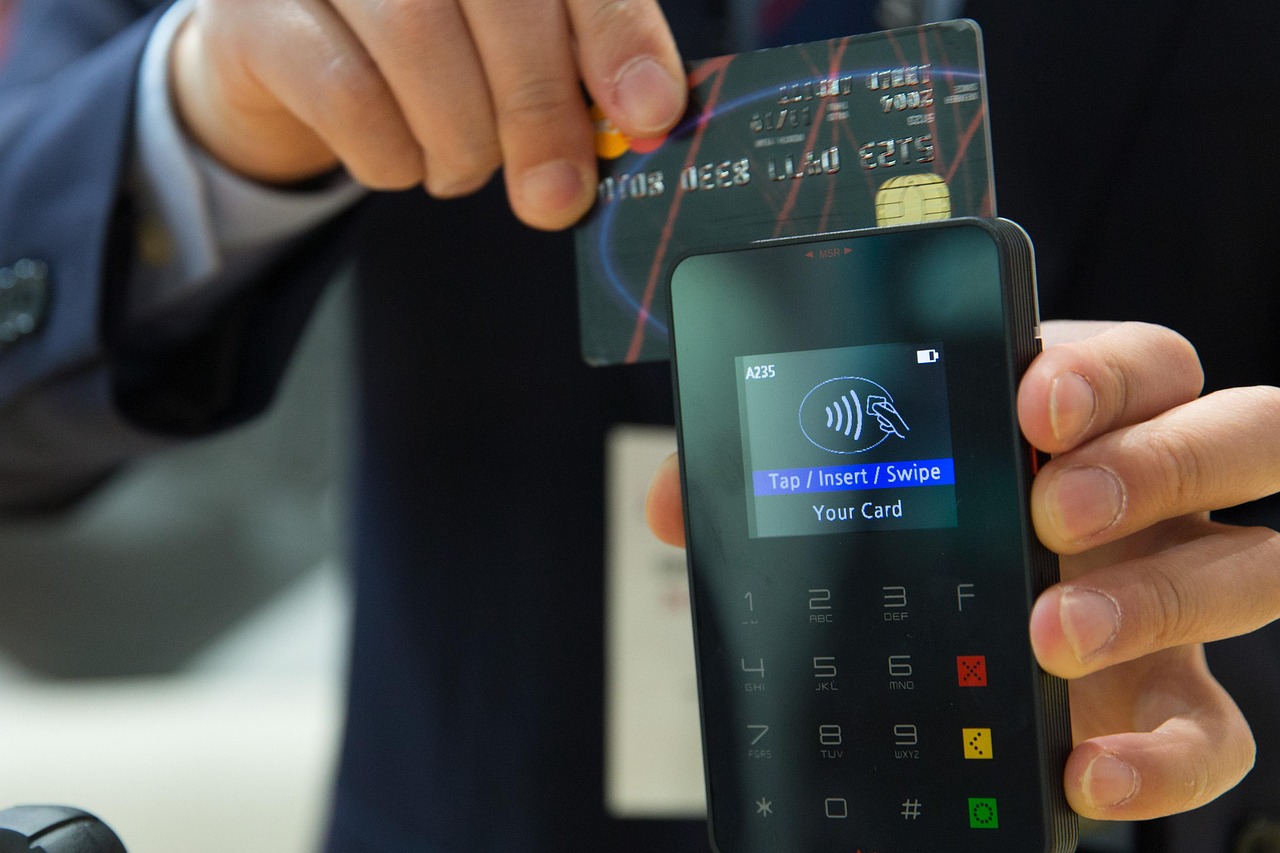
The most operationally significant integration is between the EPOS and the card terminal. When these are unified, the total passes automatically to the payment device, removing the need for staff to manually key an amount — a common source of payment discrepancies. Our detailed guide to card machines and till systems combined explains the different integration approaches and what to ask suppliers before committing. For venues that want flexibility, it is also worth reviewing the best wireless card machines for small businesses to understand standalone vs. integrated options.
Reservation System Integration
Connecting your EPOS to a reservations platform (such as ResDiary, OpenTable or Collins) means that booking data — covers, dietary notes, pre-orders — flows into the till before guests arrive, giving front-of-house a complete picture at the start of service.
Delivery Platform Integration
Direct API connections to Deliveroo, Just Eat and Uber Eats remove the need for a separate tablet per platform. Orders are consolidated into a single KDS queue, prep times are consistent, and end-of-day reconciliation is far simpler. This is an increasingly standard expectation for any serious restaurant EPOS.
To see how EPOS Direct's software handles these integrations live, explore the restaurant EPOS software demo — no commitment required.
How Much Does a Restaurant Touchscreen Till System Cost in the UK?
This is among the first questions any owner asks — and the honest answer is that cost varies considerably based on the number of terminals, hardware specification, software tier and whether you purchase outright or subscribe monthly.
Indicative UK Market Ranges
- Entry-level single-terminal setup (software, one touchscreen, card reader, receipt printer): typically from around £500–£900 upfront, or from approximately £30–£60 per month on a subscription plan.
- Mid-tier restaurant bundle (2–3 terminals, KDS, handheld, integrated payments): most setups fall between approximately £1,500 and £3,500 upfront, or £80–£150 per month on a managed subscription.
- Multi-site or high-volume venue (full floor plan, multiple KDS, self-service kiosks, full integration stack): bespoke pricing; indicatively £4,000–£10,000+ for hardware, with software and support costs quoted separately.
These are indicative market ranges to give you a realistic budget expectation — your actual quote will depend on your specific configuration. Transaction and payment processing fees are separate and governed by your acquiring bank or payment provider.
The question of whether to buy outright or subscribe is worth thinking through carefully. Our dedicated article on monthly EPOS subscriptions versus outright purchase lays out the genuine trade-offs for UK businesses. If you want a no-obligation figure for your venue, talk to an expert online and get a configuration priced to your exact needs.
Can a Restaurant Till System Work Without the Internet?
Yes — and it should. Any reputable restaurant EPOS platform must offer a local server or offline mode that keeps orders flowing during a broadband outage. Payments in offline mode typically require card-present chip-and-PIN transactions to queue locally and sync later; contactless and online authorisations are unavailable without connectivity. Confirm your supplier's offline capability explicitly before signing, and ask how data sync is handled when the connection is restored.
Why UK Restaurants Choose EPOS Direct for Their Till Systems
EPOS Direct is one of the UK's established EPOS and POS system providers, working with independent restaurants, pub groups, hotel F&B operations, and multi-site food businesses. The proposition rests on three pillars that consistently matter to hospitality operators:
- Hardware ownership flexibility — Restaurants can purchase hardware outright or take a managed subscription, avoiding long-term lock-in that many providers impose.
- UK-based support — Access to telephone and remote support from a UK team who understand the operational pace of hospitality; critical when a system issue arises at 7pm on a Friday during a busy service.
- Purpose-built restaurant software — The EPOS Direct hospitality platform includes table management, course firing, allergen prompts, KDS integration and delivery platform connectivity as standard, not as expensive add-ons.
You can review the full range of current hardware and software bundles — including seasonal promotions — through the EPOS Direct UK home page. For more options across different business types, the complete guide to EPOS and POS systems for UK businesses is a useful companion read.
Next Steps: Getting the Right System for Your Restaurant
Choosing a touchscreen till system is one of the most consequential technology decisions a restaurant owner makes. The right platform pays for itself in reduced errors, faster table turns and richer management data within months; the wrong one creates friction at the point where a smooth operation matters most.
The clearest path forward is to see the software working with your own menu structure and floor plan before committing. Request a free demo from EPOS Direct to walk through the hospitality platform with a specialist, or if you are ready to discuss hardware configurations and pricing, request a call back and a member of the team will be in touch at a time that suits your operation.
Frequently asked questions
- How much does a touchscreen till system typically cost for a UK restaurant?
- In the UK, a restaurant touchscreen till system generally starts from around £300–£500 for a basic single-terminal setup, rising to £1,000–£2,500 or more for a full package including software, card payment integration, kitchen display screens and installation. Many suppliers, including EPOS Direct, offer monthly payment plans or leasing options to spread the cost, with software subscriptions typically ranging from £30–£80 per month depending on features and number of terminals.
- Can a touchscreen till system handle split bills and table management at the same time?
- Yes. A good restaurant EPOS system lets staff split bills by item or evenly between diners, track open tables in real time on a visual floor plan, and reassign or merge tables without losing order data. These features are standard on most modern hospitality touchscreen systems and dramatically reduce end-of-meal friction for both staff and customers.
- Do I need an internet connection for my restaurant till system to work?
- Most modern cloud-based restaurant till systems require an internet connection for full functionality such as real-time reporting and online order sync. However, reputable EPOS providers build in offline mode so the system keeps taking orders and payments locally if your broadband drops, then automatically syncs data when the connection is restored. Always confirm offline capability before purchasing.
