We use cookies to make your experience better.
To comply with the new e-Privacy directive, you agree to the privacy policy and our use of cookies


Best Touchscreen Till Systems for UK Retail Shops: A Complete Buyer's Guide
Touchscreen Till Systems for UK Retail: Everything You Need to Know Before You Buy
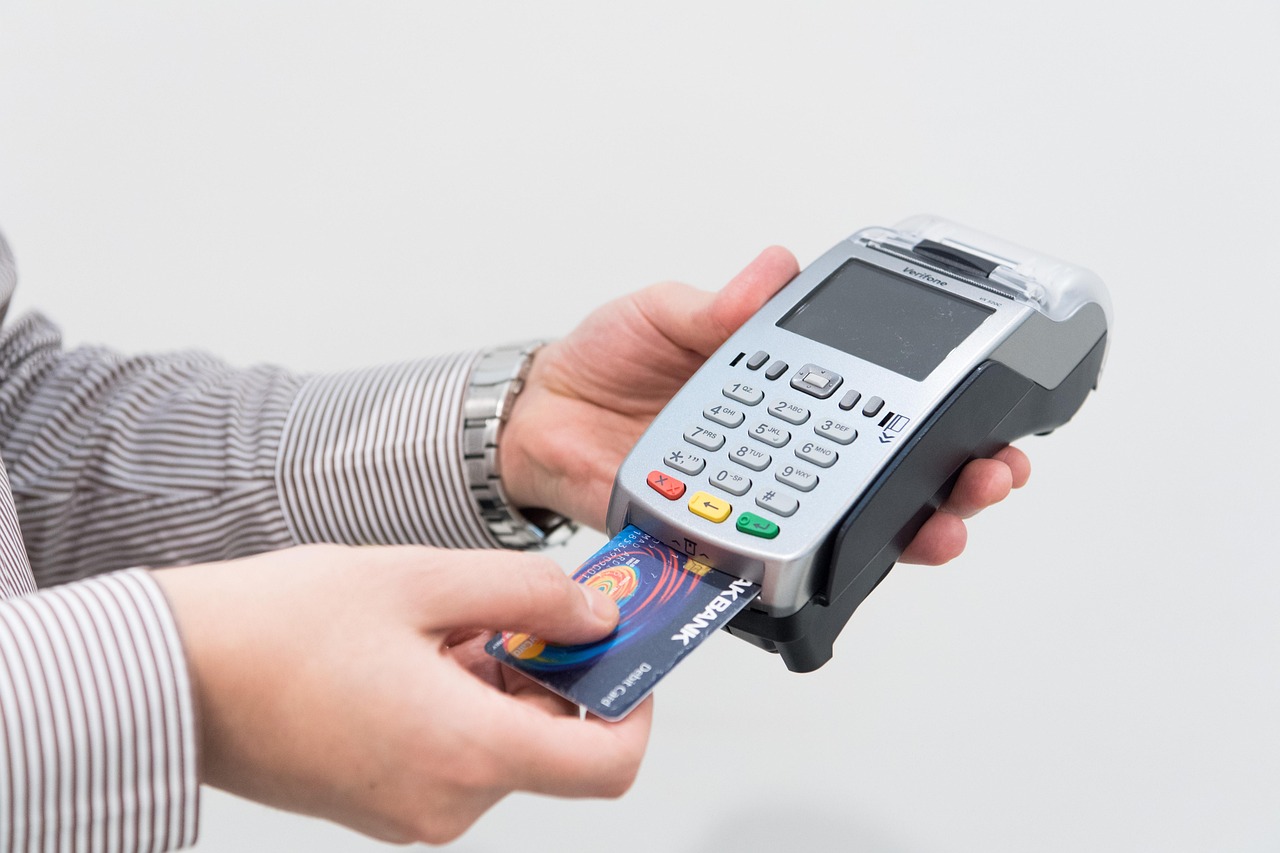
A modern touchscreen till does far more than process payments — it becomes the operational hub of your retail business, connecting sales, stock, staff and customer data in real time. For UK retailers weighing up their options, the right electronic point-of-sale (EPOS) system can meaningfully reduce shrinkage, speed up service and give you the reporting clarity to make smarter buying decisions. This guide covers everything from core features and honest UK pricing to cloud versus on-premise architecture, so you can choose with confidence.
Written by the EPOS Direct UK team, who work with independent retailers, chains and specialist stores across the United Kingdom every day.
What Is a Touchscreen Till System and How Does It Work in Retail?
At its simplest, a retail touchscreen till is a touchscreen terminal running point-of-sale software, connected to peripheral hardware — barcode scanner, receipt printer, cash drawer, card terminal — and linked to a back-office database that tracks every transaction. When a staff member scans a product, the system simultaneously records the sale, decrements the stock count, applies any promotions and processes payment, all within a few seconds.
Modern EPOS systems go several steps further. They log which staff member completed each sale, flag low-stock products automatically, generate end-of-day Z-reports for accounting, and — in cloud-connected systems — sync data across multiple tills and locations in real time. The result is a single source of truth for your entire retail operation, accessible from a back-office dashboard or even a smartphone.
Core hardware components typically included
- Touchscreen terminal — usually a 15-inch or larger all-in-one unit, or a tablet-based solution for smaller footprints
- Barcode scanner — handheld or hands-free presentation scanner for fast checkout
- Receipt printer — thermal printers are standard; many setups also support email and SMS receipts
- Cash drawer — electronically triggered and reconciled against POS records
- Integrated card terminal — increasingly, retailers want payments fully integrated rather than a separate standalone machine; see our guide on combining a card machine and till system for a detailed breakdown
Key Features to Look For in a Retail Touchscreen Till
Not every system is built the same way, and retail has specific demands that hospitality or service businesses do not share. Before shortlisting any solution, benchmark it against these criteria.
Stock and inventory management
This is the feature most retailers underestimate until they suffer a costly stockout or write-off. A good retail EPOS system should offer real-time stock decrement on every sale, configurable low-stock alerts, supplier purchase order generation, and — for larger operations — multi-location stock visibility. Some platforms also support stock-take scanning via a mobile app, dramatically reducing the time and disruption of physical counts.
Promotions and pricing flexibility
Retail pricing is rarely static. Look for native support for timed promotions, multi-buy discounts (e.g. three for two), customer loyalty schemes and price override permissions by staff role. Manual discounting should require manager approval to prevent margin erosion.
Reporting and analytics
The value of an EPOS till is largely in the data it produces. Prioritise systems that offer sales-by-product, sales-by-category, hourly footfall comparison, margin analysis and staff performance reports — all exportable for your accountant or ERP system.
Integration capability
If you sell online as well as in-store, your till system must integrate with your e-commerce platform (Shopify, WooCommerce and similar) to maintain a single shared stock pool. Equally important are integrations with accounting software such as Xero or QuickBooks, and — for larger retailers — ERP systems.
Payment flexibility
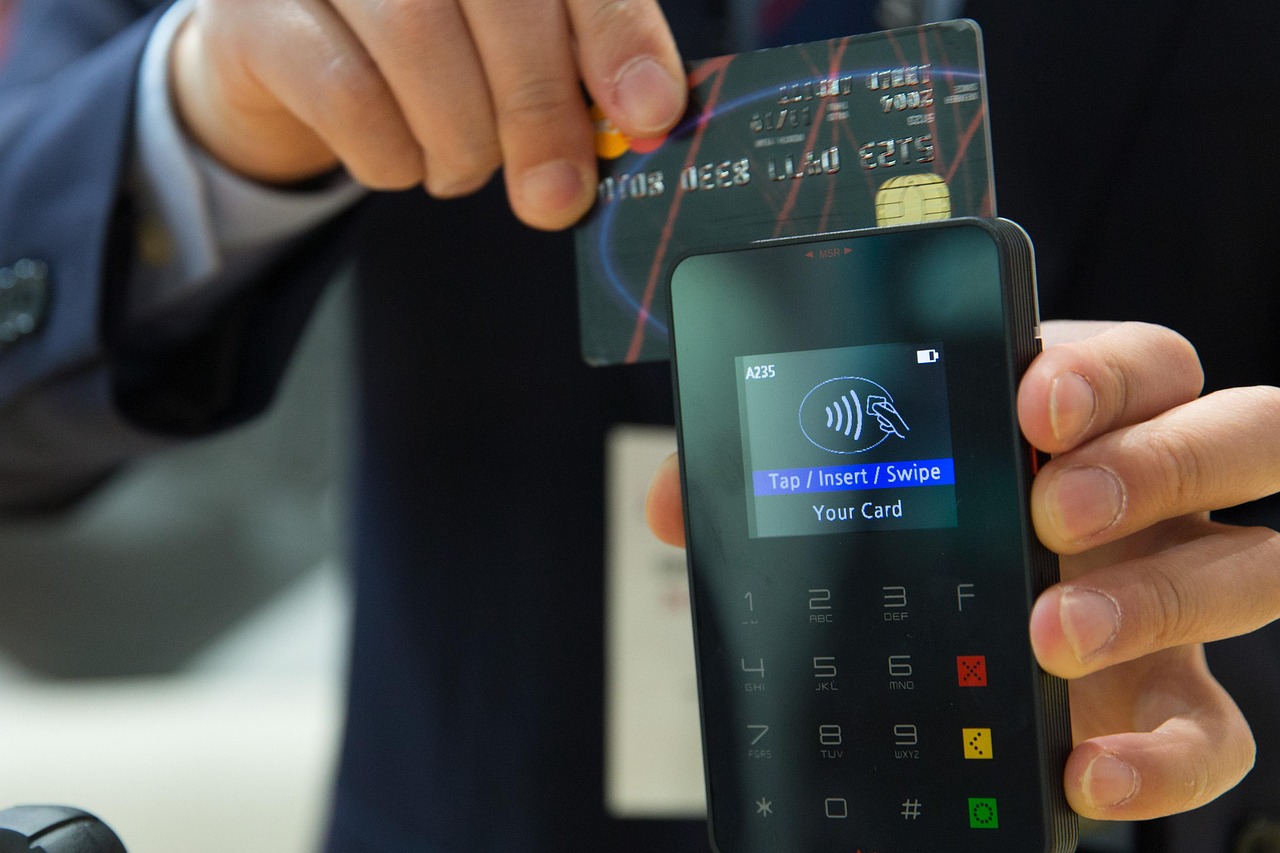
UK consumer payment preferences have shifted decisively toward contactless, mobile wallets and buy-now-pay-later. Ensure your system handles all card schemes and contactless methods, and explore EPOS systems with fully integrated card payments so that payment data flows directly into your sales records without manual reconciliation.
How a Modern EPOS Till System Improves Sales and Stock Control
The business case for upgrading from a legacy cash register or a basic tablet app is straightforward once you look at the operational levers involved.
- Faster transaction times reduce queue length and improve the customer experience, directly supporting repeat purchase
- Automatic reorder alerts prevent lost sales from out-of-stocks — a persistent problem for independent retailers managing manually
- Margin visibility on every product line means you can rationalise slow-moving SKUs and concentrate promotions on high-margin categories
- Staff accountability through individual login codes reduces shrinkage and simplifies till discrepancy investigations
- Loyalty scheme integration gives you a first-party customer database — valuable for email marketing and personalised offers without relying on third-party platforms
Retailers who move to a fully integrated EPOS setup typically find that the time saved on manual stock reconciliation and end-of-day cash counting alone justifies the investment. For smaller operations, our practical overview of the best till systems for small UK businesses outlines which feature tiers are genuinely necessary at each stage of growth.
Touchscreen Till Costs in the UK: What Should You Expect to Pay?
Pricing varies significantly depending on hardware quality, software licensing model and the level of support included. The figures below are honest indicative ranges for the UK market — not quotes — and your actual investment will depend on your specific requirements.
| Setup Type | Typical Hardware Cost | Software / Subscription | Best For |
|---|---|---|---|
| Entry-level tablet system | Typically from £300–£600 per station | From around £30–£60/month | Market traders, pop-ups, very small shops |
| Mid-range all-in-one EPOS terminal | Typically £800–£1,500 per station | From around £50–£100/month | Independent retailers, boutiques, convenience stores |
| Full retail EPOS suite (terminal + peripherals) | Typically £1,500–£2,500 per station | From around £80–£150/month | Fashion, pharmacy, multi-department stores |
| Multi-site / enterprise configuration | Quoted per project | Typically negotiated annually | Chains, franchises, retail groups |
It is worth understanding the difference between monthly subscription models and outright hardware purchase before you commit — our dedicated article on monthly EPOS subscriptions versus outright purchase walks through the financial trade-offs in detail. For an accurate quote tailored to your business, request a call back from the EPOS Direct team — costs vary considerably depending on the number of tills, required integrations and support level.
Cloud-Based vs On-Premise Touchscreen Till Systems: Which Is Right for You?
This is the architectural decision with the longest-lasting consequences, and it is one most retailers benefit from thinking through carefully before signing any contract.
Cloud-based EPOS systems
Data is stored and processed on remote servers. The till functions via an internet connection, with most modern systems offering an offline mode that queues transactions locally and syncs when connectivity is restored. Updates roll out automatically. You can access reports and back-office functions from any device, anywhere — which is particularly useful for multi-location retailers or owners who are not always on-site. Monthly subscription pricing keeps upfront costs lower.
On-premise EPOS systems
All data resides on a local server within your premises. The system functions entirely independently of internet connectivity, which appeals to retailers in areas with unreliable broadband or those with particularly stringent data governance requirements. Updates require manual installation, and remote access requires additional configuration. Upfront costs are higher, but there are no ongoing software licence fees once purchased.
For the majority of UK independent and multi-site retailers, a cloud-based system with robust offline capability strikes the best balance. To see the software in action before deciding, you can book a retail EPOS software demo directly with the EPOS Direct team.
Top Reasons UK Retailers Are Switching to Touchscreen EPOS Systems
The shift from legacy electronic cash registers and basic card terminals to integrated EPOS is accelerating across UK retail, driven by a combination of operational pressure and consumer expectation.
- Making Tax Digital compliance — HMRC's MTD initiative (verify current applicability at gov.uk) is pushing retailers toward digital record-keeping, and a cloud EPOS system with accounting integration satisfies this requirement naturally
- Card and contactless dominance — with cash transactions representing a declining share of UK retail spend, integrated card processing is no longer optional; standalone card machines create reconciliation friction that integrated systems eliminate
- Staffing efficiency — modern EPOS systems allow one member of staff to manage a till station far more effectively than legacy hardware permitted, reducing labour cost per transaction
- Customer experience expectations — digital receipts, loyalty points, personalised promotions and fast checkout are now baseline expectations among UK shoppers
- Business intelligence — independent retailers increasingly compete with national chains on service and curation; granular sales data gives them the same analytical tools the multiples have used for decades
Explore the full range of hardware and software options available at EPOS Direct UK, where you will find current offers and detailed product information across all retail sectors.
How to Get Set Up with EPOS Direct: Installation, Training and Support
Choosing the right system is only the first step — implementation quality determines whether you realise the investment's full value. EPOS Direct UK provides end-to-end support designed specifically for retailers who need to be operational quickly without extensive technical resource in-house.
What the onboarding process typically covers
- Needs assessment — a consultation to map your product categories, team size, payment requirements and reporting priorities
- Hardware configuration — terminals, scanners, printers and cash drawers pre-configured and tested before delivery
- Data migration — product library, supplier records and customer data transferred from your existing system where applicable
- On-site or remote installation — depending on your location and setup complexity
- Staff training — hands-on training for till operators and manager-level users covering reporting and back-office functions
- Ongoing UK-based support — telephone and remote support to keep your system running without reliance on third-party IT contractors
If you are ready to see exactly how the software handles your retail environment, book a retail EPOS software demo at a time that suits you. Alternatively, talk to an expert online to discuss your requirements without any obligation.
Making Your Decision: A Quick Summary
A well-specified retail EPOS system pays for itself through faster checkout, tighter stock control and richer business data — but only if it is matched to the genuine complexity of your operation. For most UK retailers, a cloud-based touchscreen till with integrated card payments, real-time stock management and strong reporting capability represents the right balance of functionality, cost and future-proofing. Avoid over-specifying for features you will not use, and equally avoid under-investing in a system that will create operational bottlenecks within twelve months.
EPOS Direct UK works with retailers across every sector and scale — from single-site independents to growing multi-location groups. To find the right configuration for your business, view our current retail EPOS offers or request a free demo and speak with a specialist who understands the specific pressures UK retail faces today.
Frequently asked questions
- How much does a touchscreen till system cost for a small retail shop in the UK?
- For a single-site small retail shop in the UK, a touchscreen till system typically costs between £300 and £800 for the hardware (touchscreen terminal, receipt printer, cash drawer and barcode scanner). Software licences generally run from £20 to £60 per month depending on features. EPOS Direct offers competitive bundled packages that include hardware, software and full UK-based support, so you can spread the cost and avoid large upfront payments. Always check what is included — some providers charge separately for installation and training.
- Do touchscreen till systems work without an internet connection?
- Most modern cloud-based EPOS systems, including those from EPOS Direct, are designed to keep working in offline mode if your internet connection drops. Sales can still be processed locally and data syncs automatically once connectivity is restored. If your shop is in an area with unreliable broadband, ask your provider about offline resilience before committing.
- Can a retail till system manage stock and send low-stock alerts automatically?
- Yes — a quality touchscreen EPOS system goes far beyond processing payments. It can track stock levels in real time, automatically deduct items as they are sold, generate purchase orders and send low-stock alerts so you never run out of your best-selling products. EPOS Direct's retail software includes built-in inventory management, supplier management and detailed stock reports accessible from any device.
