We use cookies to make your experience better.
To comply with the new e-Privacy directive, you agree to the privacy policy and our use of cookies

The Complete Guide to POS Systems for UK Businesses: What to Look For and How to Choose
The Complete Guide to POS Systems for UK Businesses: What to Look For and How to Choose
Choosing the right point of sale system is one of the most consequential technology decisions a UK business owner will make — it touches every transaction, every customer interaction, and every management report your team relies on. The good news is that the UK market now offers genuinely excellent options across every budget and sector, from compact cloud till setups for sole traders to enterprise-grade EPOS platforms serving multi-site retailers and restaurant groups. This guide cuts through the noise and gives you a practical, experience-led framework for evaluating, comparing and selecting a system that will serve your business for years.
Written by the EPOS Direct UK team, who help UK businesses across retail, hospitality, pharmacy and beyond select and deploy EPOS and POS systems every day.
What Is a POS System and How Does It Work in a UK Business Context?
A point of sale (POS) system is the combination of hardware and software that processes a sale — capturing what was sold, at what price, by whom, and through which payment method — and feeds that data into your wider business operations. In a UK context, this means the system must handle VAT correctly, integrate with UK-standard card payment technology (including contactless and mobile wallets), and produce records compatible with Making Tax Digital (MTD) obligations where applicable.
Modern systems go far beyond the old electronic cash register. A well-configured EPOS (Electronic Point of Sale) platform will manage stock levels in real time, track staff performance, generate end-of-day reports, and sync with your accounting software — all from a single dashboard accessible from anywhere with an internet connection.
Key Features to Look for in a UK Point of Sale System
Not every feature list is equal. The following are the capabilities that consistently matter most to UK business owners — ranked by the impact they have on day-to-day operations.
Non-Negotiable Core Features
- VAT management: The system must handle standard (20%), reduced (5%) and zero-rated products correctly and produce VAT-compliant receipts. Verify that reports are structured to support MTD submissions.
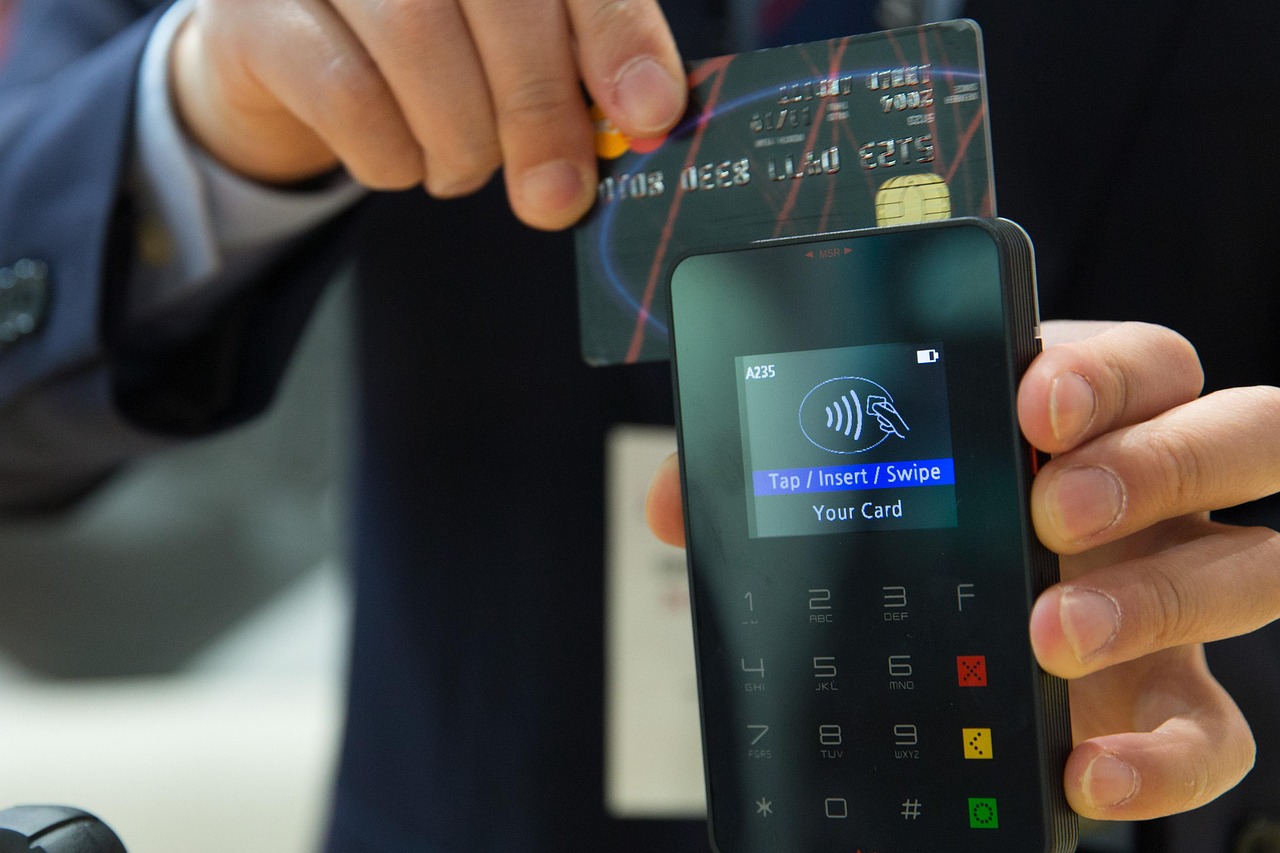
- Integrated card payments: Look for seamless integration with card terminals rather than a separate standalone machine. This eliminates keying errors and speeds up reconciliation. If you need standalone payment flexibility, our guide to the best wireless card machines for small businesses in the UK covers the options in depth.
- Real-time stock control: Every sale should automatically decrement stock. Alerts for low stock and support for barcode scanning are essential for any product-based business.
- Reporting and analytics: Sales by product, category, staff member, hour of day and payment type — accessible on-screen and exportable. The ability to spot your best-performing lines at a glance is genuinely business-critical.
- Customer accounts and loyalty: Even modest loyalty programmes measurably increase repeat visit rates for UK retailers and hospitality venues.
Features That Separate Good Systems from Great Ones
- Multi-site management from a single login
- Online ordering and click-and-collect integration
- Staff clock-in and permissions management
- Supplier management and purchase ordering within the same platform
- Open API or pre-built integrations with Xero, Sage, QuickBooks and popular e-commerce platforms
POS Systems for Retail vs Hospitality: Which Type Do You Need?
Retail and hospitality operations have fundamentally different requirements. Choosing the wrong category of system — even a technically excellent one — creates friction every single working day.
Retail EPOS
Retail systems are built around product catalogues, barcode scanning, stock management and customer purchase history. A clothing boutique needs size and colour variants; a pharmacy needs prescription workflows and patient records; a convenience store needs age-verification prompts and multi-supplier management. If you run a fashion retail business, our article on the best EPOS systems for clothing shops in the UK explores sector-specific considerations in detail. You can also book a retail EPOS software demo to see how the platform handles your specific product types.
Hospitality EPOS
Restaurants, cafés, pubs and hotels need table management, course-by-course ordering, kitchen display system (KDS) integration, split billing, allergen prompts and cover tracking. A system that cannot manage an open table and send orders directly to the kitchen will create chaos during a Friday evening service. To explore restaurant-specific capabilities hands-on, you can request a restaurant EPOS software demo directly.
How Much Does a POS System Cost in the UK?
Cost is the question every buyer asks early — and rightly so. The honest answer is that pricing varies significantly depending on whether you buy outright or subscribe, how many terminals you need, and which software tier you require. The table below gives indicative ranges for the UK market as a general guide; always request a tailored quote for your specific setup.
| Business Type | Typical Setup | Indicative Hardware Cost | Indicative Monthly Software Cost | Best For |
|---|---|---|---|---|
| Sole trader / market stall | Tablet + card reader | Typically from £200–£400 | From £20–£40/month | Lowest entry cost, mobile use |
| Small retail or café (1 till) | Touch terminal, receipt printer, cash drawer | Typically £500–£1,200 | From £40–£80/month | Full stock & reporting at one location |
| Mid-size retailer or restaurant | 2–4 terminals, KDS or label printer, scanner | Typically £1,500–£4,000 | From £80–£150/month | Multi-terminal, advanced reporting |
| Multi-site or high-volume operation | Full hardware suite per site, central management | £4,000+ depending on sites | From £150/month upwards | Centralised control, enterprise reporting |
These figures are indicative only and reflect typical UK market conditions — your actual costs will depend on hardware specification, payment processing agreements and support packages. For businesses prioritising value, our guide to the most affordable EPOS systems for small businesses in the UK is a useful companion read. If eliminating monthly card machine fees is a priority, explore our overview of card machines with no monthly fee.
Cloud-Based vs On-Premise POS: Which Is Right for Your Business?
This is one of the most frequently debated questions among UK buyers — and the answer has shifted decisively in recent years.
Cloud-Based POS
Data is stored remotely and accessed via the internet. Updates are automatic, software is always current, and you can view sales data from any device, anywhere. The vast majority of modern UK EPOS deployments are cloud-based. The main consideration is internet reliability — a good cloud system will have an offline mode so trading continues if connectivity drops, syncing data automatically when the connection is restored.
On-Premise POS
Software and data are stored locally on your own servers. This gives maximum control and no dependency on internet connectivity, but requires more significant upfront investment in hardware and ongoing IT maintenance. On-premise remains relevant for very large operations with complex bespoke requirements or where data sovereignty is a strict organisational requirement.
For most UK independent businesses and growing multi-site operators, cloud-based EPOS is the practical, cost-effective and future-proof choice. To see how a cloud platform performs in practice, you can request a free demo with no obligation.
What Hardware Do You Need With a UK POS System?
Hardware requirements depend on your sector and volume of trade. Below is a practical breakdown of what each component does and when you genuinely need it.
- Touch-screen terminal or tablet: The primary interface for your staff. Dedicated EPOS terminals are more robust than consumer tablets for high-volume environments.
- Receipt printer: Thermal printers are the standard — fast, low-maintenance and cost-effective to run. A legal requirement for VAT-registered businesses issuing receipts on request.
- Cash drawer: Essential if you accept cash. Should connect via the receipt printer for automatic triggering on sale completion.
- Barcode scanner: Indispensable for any retail business selling barcoded products; dramatically speeds up checkout and eliminates keying errors.
- Card payment terminal: Integrated card machines that communicate directly with your EPOS software prevent the double-keying problem that causes till discrepancies. Our guide to combined card machine and till systems explains the integration options in full.
- Kitchen display system (KDS) or kitchen printer: For any table-service or counter-service food operation — eliminates paper tickets and reduces errors.
- Customer-facing display: Improves transparency at the till and can display loyalty points, promotional messaging or digital receipts.
- Label printer: Required for delis, food preparation areas, or any retailer producing own-label barcodes.
Practical Decisions Before You Buy: Questions Worth Asking
Does the system grow with your business?
A single-site café that opens a second location, or a boutique that adds an online store, needs a platform that scales without requiring a complete replacement. Ask specifically how multi-site management works, whether e-commerce integration is included, and what the per-additional-terminal pricing looks like. Our broader guide to EPOS systems for small businesses walks through scaling considerations in detail.
What does the support package actually include?
UK businesses trading six or seven days a week cannot afford hours of downtime waiting for support. Establish whether telephone support is included, what the guaranteed response time is, and whether on-site engineer visits are available. Support quality is frequently the differentiator between systems that look similar on a feature comparison.
How straightforward is staff training?
The best system in the world delivers zero value if your team cannot use it confidently. Intuitive interface design, quality onboarding resources and the ability to configure staff permissions so that junior team members see only what they need — these practical factors determine real-world adoption.
Why UK Businesses Choose EPOS Direct for Their Till Systems
EPOS Direct is a UK-based EPOS and POS system provider serving independent businesses, growing chains and large multi-site operators across retail, hospitality, pharmacy and specialist sectors. The company offers purpose-built software for each vertical — meaning a café, a pharmacy and a fashion retailer each get an interface and feature set designed for their specific workflows, rather than a generic system stretched to fit.
All hardware is sourced, configured and supported from within the UK, and the team provides dedicated onboarding, training and ongoing telephone support. Whether you are equipping your first till or overhauling a multi-site estate, you can talk to an EPOS Direct expert online to discuss your requirements without commitment.
For sector-specific information and current package pricing, visit the EPOS Direct UK home page for the latest offers and system information, or browse directly to our retail EPOS offers and hospitality and restaurant EPOS offers pages. Pharmacy businesses can explore a dedicated pharmacy EPOS software demo. If you would prefer to speak with a specialist directly, request a call back and a member of the team will be in touch at a time that suits you.
The Bottom Line
Selecting a point of sale system for your UK business is not simply a hardware purchase — it is a decision about how you will run your operations, serve your customers and manage your growth for the next several years. The right system should handle VAT correctly, integrate seamlessly with your payment terminal, give you reliable real-time data, and be backed by support you can actually reach when something goes wrong. Start by identifying your sector's specific requirements, establish a realistic total cost of ownership across both hardware and software, and always test the software before you commit. EPOS Direct is ready to help you find the right fit — explore the full range at eposdirect.co.uk software pages or request a free, no-obligation demo today.
Frequently asked questions
- How much should I expect to pay for a point of sale system in the UK?
- Costs vary depending on the setup you need. A basic single-terminal POS system in the UK typically starts from around £300 to £600 for hardware, with software subscriptions ranging from £20 to £80 per month. Full retail or hospitality bundles with a touchscreen till, receipt printer, barcode scanner and card reader can range from £700 to £1,500 or more. EPOS Direct offers flexible pricing and leasing options so you can spread the cost.
- Do UK POS systems work with card payment machines?
- Yes, most modern UK POS systems integrate directly with card payment terminals, including chip and PIN, contactless and Apple or Google Pay. When choosing a system, it is worth confirming whether the POS software integrates natively with your payment provider or whether you will need a separate device. EPOS Direct systems are compatible with leading UK payment processors.
- Can I manage multiple shop locations from one POS system?
- Yes. Cloud-based POS systems allow you to manage stock levels, sales reports and staff across multiple sites from a single dashboard. This is particularly useful for UK retailers or restaurant groups with more than one location. EPOS Direct provides multi-site management as part of its EPOS software, giving you real-time visibility across all your venues.
