We use cookies to make your experience better.
To comply with the new e-Privacy directive, you agree to the privacy policy and our use of cookies


How to Switch from a Traditional Cash Register to a Modern EPOS System
Switching from a Traditional Cash Register to an EPOS System: Your Complete UK Guide
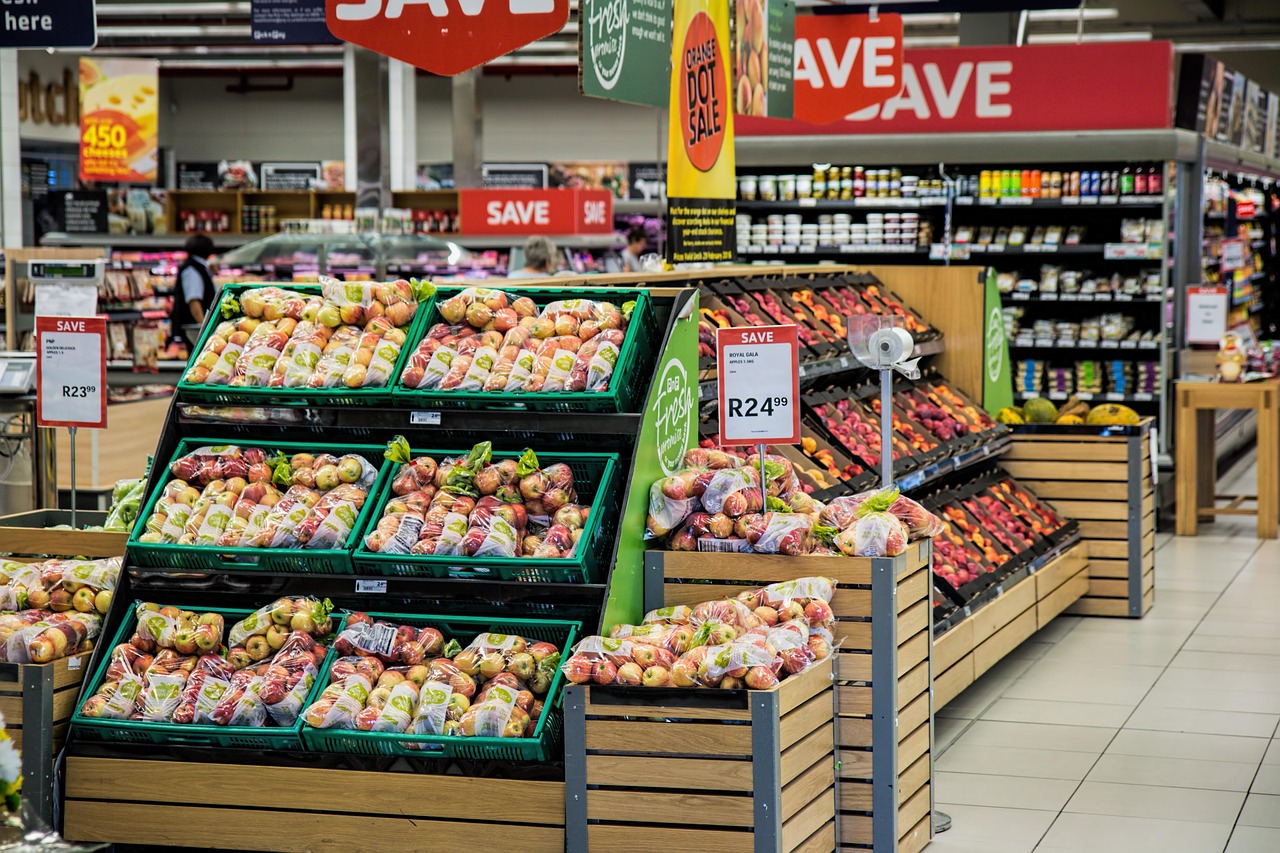
Moving from a mechanical cash register to a modern EPOS system is one of the most impactful operational decisions a UK retailer or hospitality operator can make. A current-generation EPOS platform doesn't simply process sales — it connects your entire business: stock, staff, payments, and reporting all flow through a single, unified system. For businesses still relying on traditional tills, the question is rarely whether to upgrade, but how to do it confidently and cost-effectively.
Why Traditional Cash Registers Are Holding Your Business Back
The humble cash register served retail well for over a century, but the modern trading environment has outgrown it. A standalone till records transactions and opens a cash drawer — and that is essentially where its usefulness ends. It cannot tell you which products are running low, which staff member is outselling others, or whether your Tuesday lunch service is more profitable than Saturday dinner.
The practical consequences compound quietly. Business owners relying on traditional tills typically spend hours each week on manual stock counts, handwritten end-of-day reports, and reconciling discrepancies they cannot easily trace. There is no integrated card payment, no loyalty programme, no online ordering connection, and no data to guide purchasing decisions.
- No real-time stock visibility — you discover you've run out of a bestseller only when a customer asks for it.
- Manual reporting burden — sales data must be collated by hand, introducing errors and consuming time better spent on customers.
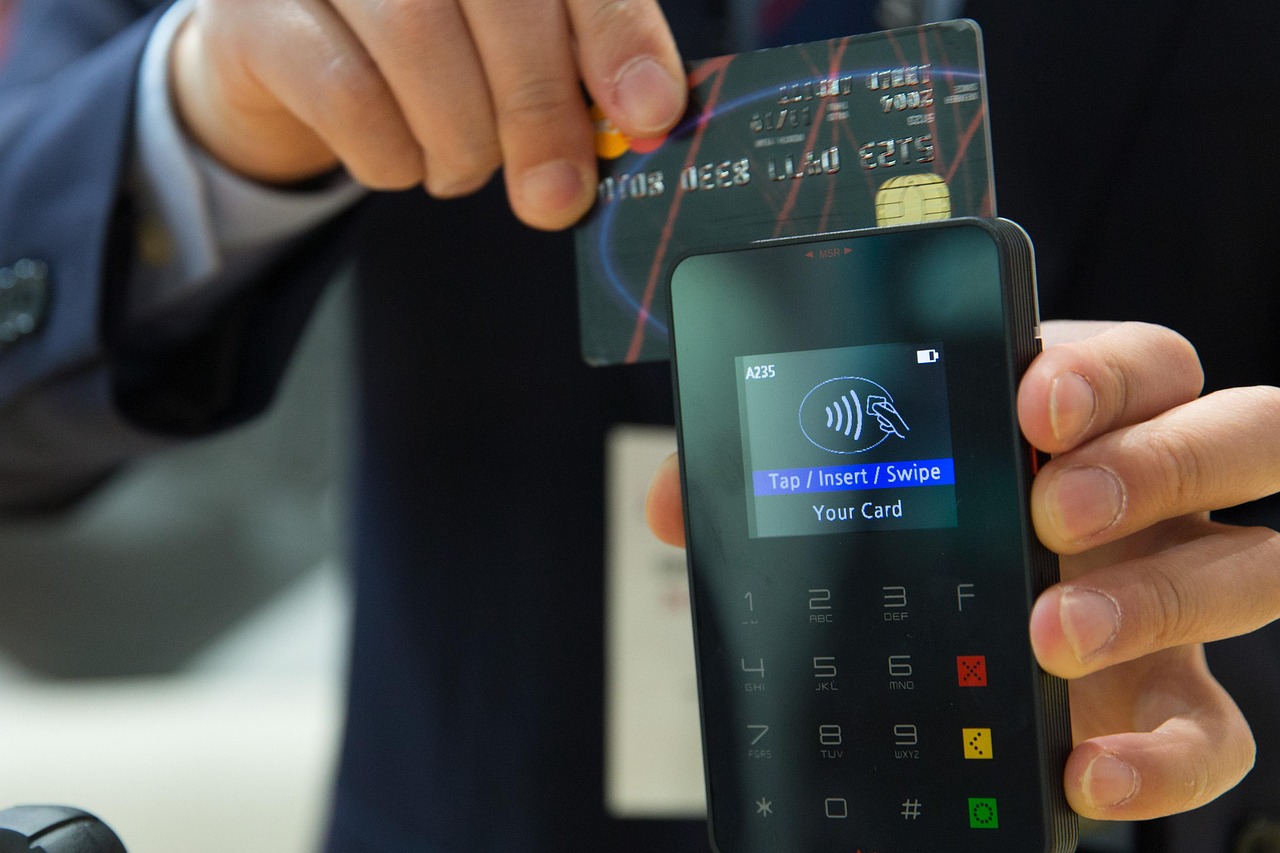
- No integrated card payments — separate card terminals mean double-keying amounts, reconciliation headaches, and a slower queue.
- Limited staff accountability — without logins and audit trails, loss prevention is difficult to enforce.
- Zero scalability — adding a second location, an online channel, or a self-service kiosk is simply not possible on a traditional register.
If any of the above resonates with your daily operation, an EPOS system is not a luxury upgrade — it is a business-critical investment.
What Is an EPOS System and How Does It Differ from a Cash Register?
EPOS stands for Electronic Point of Sale. At its core, an EPOS system combines purpose-built hardware — typically a touchscreen terminal, receipt printer, cash drawer, and barcode scanner — with intelligent software that manages sales, inventory, customer data, and reporting from a central dashboard.
The critical distinction is intelligence. A cash register is a transaction recorder; an EPOS system is a business management platform that happens to process sales. Every time a product is sold, the software automatically decrements stock, logs the transaction against the relevant staff member, and updates your dashboard — all without any manual input.
Core components of a modern EPOS setup
- Touchscreen POS terminal — fast, intuitive interface for staff
- EPOS software — the intelligence layer managing products, pricing, discounts, and reports
- Integrated card payment — seamless acceptance of chip-and-pin, contactless, and mobile wallets
- Receipt printer — paper and/or email receipts
- Barcode scanner — rapid, accurate product lookup
- Back-office dashboard — accessible on any browser, often including a mobile app
For a deeper look at how modern software distinguishes leading systems, explore the EPOS Direct UK EPOS software platform — it covers retail, hospitality, and specialist sectors including pharmacy.
Key Benefits of Upgrading to an EPOS System for UK Retailers and Hospitality Businesses
The benefits of switching are tangible and measurable, not merely theoretical. UK business owners consistently report gains across four areas: time, accuracy, customer experience, and growth capacity.
For retailers
- Live stock management — low-stock alerts, automated reorder triggers, and multi-location stock visibility eliminate the guesswork from purchasing.
- Faster checkout — barcode scanning and integrated card payment reduce transaction time significantly, shortening queues during peak hours.
- Richer customer data — loyalty programmes, purchase history, and CRM tools support repeat business and targeted promotions.
- Clothing and fashion-specific features — matrix inventory handles size and colour variants effortlessly. Our guide to the best EPOS systems for clothing shops in the UK covers this in detail.
For hospitality and F&B businesses
- Table management and kitchen display — orders fire directly to the kitchen, reducing errors and verbal relays.
- Split bills and course management — essential for restaurants and cafés managing complex covers efficiently.
- Real-time covers and revenue data — know your busiest sittings, most profitable dishes, and staff performance at a glance.
- Integration with online ordering and delivery platforms — orders flow directly into the till, removing the need for manual re-entry.
Whether you run a boutique retailer, a busy café, or a multi-site restaurant group, an EPOS system scales with you in ways a traditional register fundamentally cannot. If you are still weighing your options, our complete guide to EPOS systems for small businesses is a useful starting point.
How to Choose the Right EPOS System for Your Business
Not every EPOS system is built equally, and the right choice depends on your sector, transaction volume, and growth plans. The questions below are the ones a competent EPOS consultant will ask — and the ones you should be asking yourself before committing to any system.
Questions worth asking before you commit
- What sector-specific features do I genuinely need? A fashion retailer needs variant inventory (size, colour); a restaurant needs table plans and kitchen routing; a pharmacy needs PMR integration. Generic systems often fall short in specialist environments.
- What are the true ongoing costs? Software licences, payment processing fees, and support contracts all vary. Some providers charge a monthly fee; others operate on a one-off licence model. Our guide to EPOS systems with no monthly fee explains what to look for if recurring costs are a concern.
- How will card payments be handled? Integrated card machines process payments directly through the EPOS, eliminating double-keying. See our guide to combined card machine and till systems for a thorough breakdown of what integration genuinely means in practice.
Selection criteria at a glance
| Consideration | What to look for | Red flags |
|---|---|---|
| Software depth | Sector-specific features, regular updates, cloud back-office access | Generic POS with no industry vertical, no update history |
| Hardware quality | Commercial-grade terminals rated for high-volume use | Consumer tablets repackaged as POS hardware |
| Payment integration | Native card terminal integration, support for contactless and mobile wallets | Third-party card machine with no software link |
| Support & onboarding | UK-based support, dedicated onboarding, training included | Online-only chat, no phone support, training charged separately |
| Scalability | Multi-site capability, online channel integration, API access | Single-site licence with no upgrade path |
| Contract terms | Transparent pricing, clear exit terms, no hidden rollover clauses | Long lock-in periods, opaque fee schedules |
What to Expect During the Switch: A Step-by-Step Migration Overview
One of the most common concerns among business owners considering a change is disruption. Done properly, a migration from a traditional register to an EPOS system should be methodical, low-risk, and largely invisible to your customers.
- Audit your current setup — Document your product list, pricing, and any existing customer or supplier data. Even a basic spreadsheet of your product catalogue is a meaningful starting point.
- Choose and configure your system — Work with your EPOS provider to configure software settings: tax rates, product categories, user permissions, and payment methods. A good provider handles this configuration for you.
- Import your product data — Most platforms accept a CSV or spreadsheet import. For businesses with large catalogues, this step is where professional support pays for itself.
- Hardware installation — Terminal placement, network connectivity, and peripheral setup (scanner, printer, cash drawer) are typically completed by an engineer or via guided remote support.
- Staff training — A well-designed EPOS interface is intuitive, and most staff are comfortable with the basics within a single training session. Ensure your team practises common scenarios: returns, discounts, split payments.
- Soft launch and parallel running — Where possible, run your EPOS alongside your old till for a short period to build confidence before fully switching over.
- Go live and review — Your provider should remain available for the first few trading days. Use this period to refine product layout, adjust user roles, and ensure reporting is capturing what you need.
If you would like to see how the software works before committing, book a retail EPOS software demo or, for hospitality, request a restaurant EPOS software demo — both are available at no cost and no obligation.
Costs Involved in Moving from a Cash Register to EPOS in the UK
Pricing transparency is, regrettably, not universal in this sector. The following ranges are indicative of what UK businesses typically encounter in the current market and should be used as a planning benchmark — actual quotes will depend on your specific configuration, number of terminals, and chosen software tier.
Typical UK EPOS cost ranges (indicative guidance only)
| Cost category | Indicative range | Notes |
|---|---|---|
| Hardware (single terminal bundle) | Typically from £500 to £1,500+ | Includes touchscreen terminal, receipt printer, cash drawer, and scanner. Commercial-grade hardware costs more than consumer-grade but lasts significantly longer. |
| EPOS software (monthly licence) | Typically from £30 to £150+ per month per terminal | Varies by feature depth, sector, and number of users. Some providers offer perpetual licences — see our guide on no-monthly-fee EPOS options for context. |
| Card payment processing | Transaction rates typically from 0.5% to 1.75%+ per transaction | Rates depend on card type, volume, and your payment processor agreement. Integrated solutions generally offer cleaner reconciliation regardless of rate. |
| Installation & onboarding | Often included; standalone typically £100–£400 | Some providers include onboarding in the package; others charge separately. Clarify this before signing. |
| Ongoing support | Typically from £0 (included) to £50+ per month | UK-based telephone support is worth prioritising — downtime costs far more than a support contract. |
For businesses sensitive to recurring monthly fees, it is worth exploring whether a perpetual licence or bundled hardware-and-software package better suits your cash flow. The alternatives till system guide covers a range of approaches and their respective trade-offs.
To get an accurate picture of what your specific setup would cost, request a free demo and tailored quote from EPOS Direct UK — the team will scope a solution based on your actual requirements rather than a generic price list.
Why EPOS Direct UK Is the Trusted Choice for Your Upgrade
EPOS Direct UK is a long-established British EPOS provider supplying retailers, hospitality businesses, and specialist sectors — including pharmacy — across the United Kingdom. The team works with independent operators and multi-site groups alike, providing sector-specific software, commercial-grade hardware, UK-based support, and a structured onboarding process designed to make the transition straightforward.
What sets EPOS Direct UK apart
- Sector-specific software — purpose-built platforms for retail, restaurant, and pharmacy environments, not a one-size-fits-all solution adapted reluctantly to your sector.
- UK-based expert support — real people, available by telephone, who understand your business context.
- Transparent, competitive pricing — clear quotes with no hidden fees, and a range of hardware and software configurations to suit different budgets.
- Integrated card payment solutions — fully integrated card terminals eliminate the reconciliation friction of standalone machines. Explore our guidance on the best wireless card machines for small businesses for supplementary reading.
- Proven migration process — a structured onboarding methodology that gets businesses live quickly and confidently.
You can explore the full range of solutions and current offers on the EPOS Direct UK home page, where you'll find sector-specific packages, hardware bundles, and software demos.
For retail businesses, view the current retail EPOS offers. For restaurants, cafés, and hospitality operators, browse the hospitality and restaurant EPOS offers. Alternatively, talk to an EPOS expert online — the team is available to answer sector-specific questions and help you identify the right configuration before you spend a penny.
Written by the EPOS Direct UK team, who support UK retailers, restaurants, and specialist businesses with EPOS selection, installation, and ongoing management every day.
Ready to Make the Switch?
Replacing a traditional cash register with a modern EPOS system is one of the clearest, most measurable upgrades available to any UK retail or hospitality business. The technology is mature, the migration process is well-understood, and the operational gains — in time, accuracy, and commercial insight — begin from day one of going live.
EPOS Direct UK is ready to guide you through every step, from initial scoping to training and beyond. Request your free demo today and discover exactly what a modern EPOS system can do for your business — with no obligation and no pressure.
Frequently asked questions
- How much does it cost to move from a cash register to an EPOS system in the UK?
- Costs vary depending on your business size and requirements. A basic single-terminal EPOS setup in the UK typically starts from around £300 to £600 for hardware (touchscreen till, receipt printer, and cash drawer). Software subscriptions usually range from £20 to £80 per month depending on features such as stock management, CRM, and reporting. EPOS Direct UK offers flexible packages and finance options, so you can spread the cost rather than paying everything upfront.
- Will I lose my sales data when I switch from my old till to a new EPOS system?
- You will not lose historical sales data if you plan the migration carefully. Most modern EPOS providers, including EPOS Direct UK, offer onboarding support to help you import existing product catalogues, pricing, and where applicable, customer records. Your old cash register data can often be exported manually or via CSV files before the switch. It is worth backing everything up before you begin.
- How long does it take to set up an EPOS system and train staff to use it?
- Most EPOS systems can be physically set up and configured within a few hours to a full working day, depending on how many terminals you need and the complexity of your menu or product catalogue. Staff training is typically straightforward — modern touchscreen interfaces are designed to be intuitive, and most employees feel comfortable within one to two days of use. EPOS Direct UK provides hands-on training and ongoing UK-based support to minimise any disruption to trading.
