We use cookies to make your experience better.
To comply with the new e-Privacy directive, you agree to the privacy policy and our use of cookies


How to Upgrade Your Old Till System to a Modern EPOS: A UK Business Guide
Ready to Upgrade Your Old Till to a Modern EPOS System? Here's Everything You Need to Know
Switching from an ageing cash register to a modern EPOS system is one of the most impactful operational decisions a UK retailer or hospitality business can make. A capable EPOS platform does far more than process sales — it manages stock, tracks staff performance, integrates card payments, and generates the reporting insight that helps you run a leaner, more profitable business. If your current till is slowing you down, this guide walks you through every stage of the upgrade: what to look for, what it costs, and how to get it right first time.
Signs Your Old Till System Is Holding Your Business Back
Many business owners tolerate a struggling till far longer than they should, absorbing the hidden costs of inefficiency without realising how much they add up. Some warning signs are obvious; others are subtler but equally damaging.
- Stock is managed by guesswork. If you're counting shelves manually, ordering on instinct, or regularly running out of bestsellers, your till is not giving you the data you need.
- End-of-day reconciliation takes too long. A modern EPOS closes out in minutes. If your current process stretches to an hour or more, that's productive time lost every single day.
- You can't accept card payments natively. Separate card terminals that don't communicate with your till create reconciliation headaches, increase the chance of human error, and slow down queues.
- No reporting means no insight. If you can't answer questions like "which product has the highest margin?", "which staff member has the highest average basket?", or "what time is my busiest hour?", you're flying blind.
- Customers notice. Slow, clunky checkouts, handwritten receipts, and the inability to process loyalty cards or gift vouchers all affect how professional your business appears.
- Your till can't grow with you. Adding a second terminal, opening a new location, or integrating an online shop should be straightforward. If any of those feel impossible with your current setup, you've already outgrown it.
What Is an EPOS System and How Does It Differ from a Traditional Till?
A traditional electronic cash register records sales and stores cash. An EPOS (Electronic Point of Sale) system is a networked software and hardware platform that records every transaction and uses that data to run a connected, intelligent operation. The difference is not simply cosmetic — it's architectural.
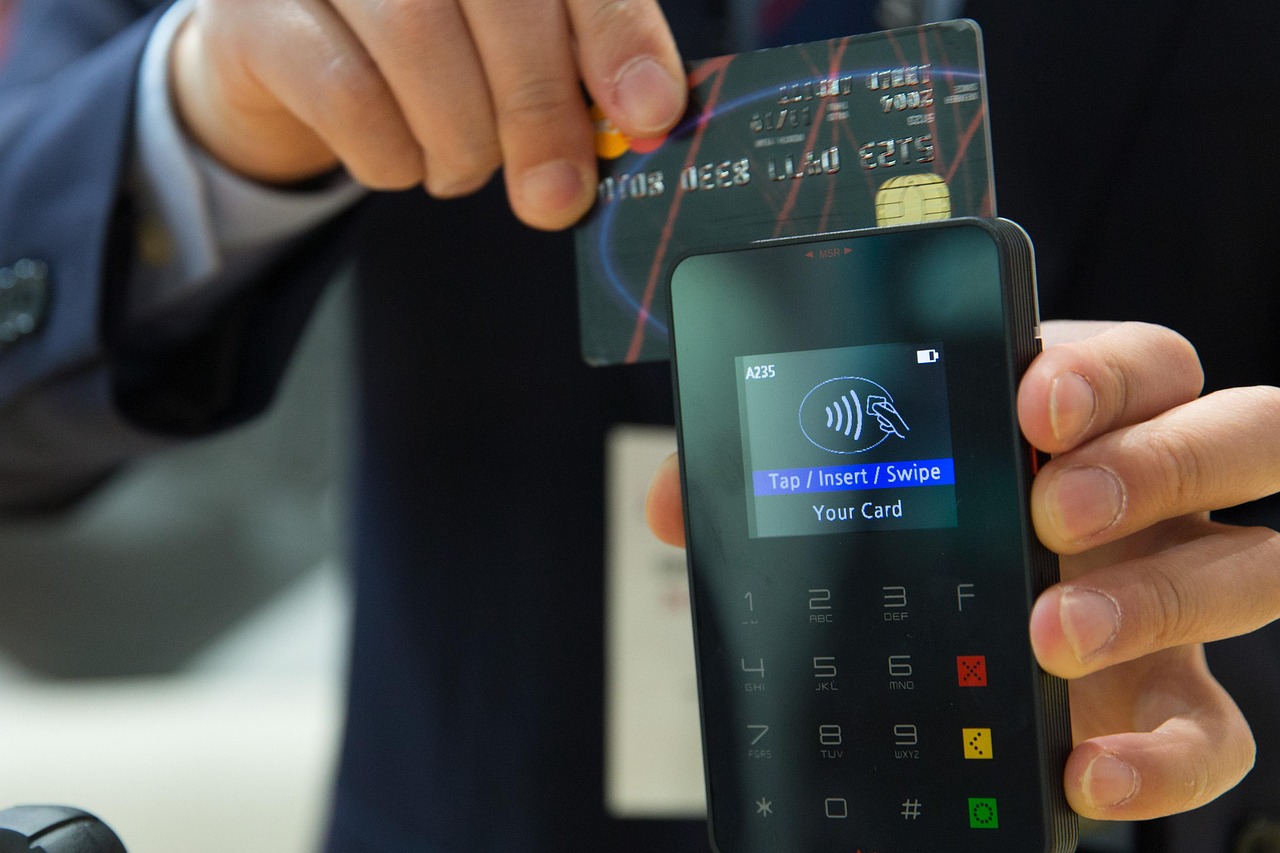
Where a cash register is a closed, standalone device, an EPOS system typically comprises a touchscreen terminal (or tablet), integrated card payment processing, a receipt printer, a barcode scanner, and cloud-based software that syncs data in real time. That cloud layer is what makes the difference: your sales, stock levels, and reports are available anywhere, on any device, at any moment.
For a deeper look at how modern EPOS platforms compare to older setups, the Complete Guide to EPOS and POS Systems for UK Businesses covers the full landscape in detail.
Key Benefits of Switching to an EPOS System
The return on investment from a well-chosen EPOS platform tends to come from several directions simultaneously.
For Retailers
- Live stock management: Every sale automatically updates your inventory. Low-stock alerts and automatic reorder triggers keep shelves full without daily manual counts.
- Integrated payments: Card, contactless, and mobile payments process through one system, eliminating the need to reconcile two separate devices at the end of the day. Businesses exploring this integration will find our guide on card machine and till system combinations especially useful.
- Loyalty and promotions: Built-in loyalty programmes, discount engines, and voucher redemption encourage repeat visits and increase basket sizes.
- Multi-location consistency: Manage pricing, promotions, and stock across multiple branches from a single dashboard — invaluable for any retailer with ambitions to scale.
For Hospitality and F&B Businesses
- Table and course management: Servers send orders direct to the kitchen printer from the floor, reducing verbal errors and speeding up table turns.
- Modifier and allergen handling: Complex menu customisation — dietary swaps, upsells, allergen flags — is handled cleanly at the point of order.
- Split bills and service charge management: Functions that cause delays and errors on legacy systems become frictionless on a modern EPOS.
- Reservation and online ordering integration: Sync with booking platforms and delivery aggregators so all revenue flows into one reporting view.
What to Look for When Choosing an EPOS System in the UK
Not every EPOS platform is built the same. Buying the wrong system can mean paying twice — once for the original installation and again when you outgrow it. Use the following criteria as a decision framework.
| Criterion | What to Assess | Why It Matters |
|---|---|---|
| Software depth | Does it cover stock, reporting, loyalty, and staff management natively? | Bolt-on tools create data silos and extra monthly costs |
| Payment integration | Is card processing built in or third-party? | Native integration means fewer reconciliation errors and faster checkout |
| Hardware quality | Commercial-grade or repurposed consumer tablets? | Commercial terminals handle the heat, spills, and continuous use of a live trading environment |
| Cloud vs. local | Does it work offline? Are reports accessible remotely? | Cloud access adds flexibility; offline capability protects against connectivity outages |
| UK compliance | Is VAT reporting and Making Tax Digital (MTD) compatibility supported? | HMRC's MTD initiative continues to expand; your EPOS should support compliant VAT records |
| Scalability | Can you add terminals, users, or locations without a platform change? | Avoids the cost and disruption of switching again as you grow |
| Support model | UK-based support? What are the response SLAs? | A till failure during a Saturday lunchtime service needs a fast, knowledgeable response |
| Sector fit | Is the software designed for your specific vertical? | A retail EPOS and a hospitality EPOS have fundamentally different workflows |
Clothing retailers and fashion boutiques have particular requirements around size and colour matrix management — our guide to the best EPOS systems for clothing shops examines those specific needs in full.
How the Upgrade Process Works: From Old Till to EPOS
A well-managed till upgrade should cause minimal disruption to trading. Here is how a professional EPOS installation typically unfolds.
- Discovery and needs assessment. A specialist reviews your current setup, transaction volumes, product catalogue complexity, and growth plans. This stage determines which hardware configuration and software tier fits your operation.
- Data migration. Your existing product list, pricing, and where applicable customer records are imported into the new system. A good provider will do this for you — you should not need to re-enter thousands of SKUs manually.
- Hardware installation. Terminals, receipt printers, barcode scanners, cash drawers, and kitchen display screens (for hospitality) are installed and tested. Payment devices are activated and connected.
- Staff training. Most modern EPOS interfaces are intuitive, but structured training — even a two-hour session — dramatically reduces errors and builds confidence. Look for providers who include this as standard.
- Go-live and early support. The first few trading sessions are the most important. A reputable provider offers heightened support in the immediate post-installation period.
- Ongoing optimisation. Once trading, you'll want to refine your reporting dashboards, set up loyalty programmes, and explore integrations. Schedule a review with your provider after the first month.
If you'd like to see how the software operates before committing, book a retail EPOS software demo or, for restaurants and cafés, explore the restaurant EPOS software demo — both give you a live walkthrough of real functionality.
How Much Does It Cost to Upgrade to an EPOS System in the UK?
Cost is one of the first questions any business owner asks, and it's a fair one. The honest answer is that pricing varies considerably depending on the number of terminals, the software tier, and whether hardware is purchased outright or taken on a monthly plan. The following ranges are indicative of the UK market and are intended as orientation, not quotes.
- Entry-level single-terminal setups (tablet-based, cloud software, basic stock management): typically from around £20–£40 per month on a subscription plan, or a modest upfront cost if hardware is purchased outright.
- Mid-range retail or hospitality systems (commercial terminal, integrated card payments, full stock and reporting): most setups fall in the region of £50–£120 per month all-in on a managed plan, depending on features and support level.
- Multi-terminal or multi-site operations (two or more tills, kitchen display screens, loyalty, advanced analytics): bespoke pricing is the norm here, but budgeting from approximately £100–£250 per month per site gives a reasonable planning figure.
- Outright hardware purchase: Businesses that prefer to own their hardware outright typically pay from around £500–£1,500 per terminal for commercial-grade equipment, with ongoing software subscription costs on top.
One cost many businesses overlook is payment processing rates. Integrated card acceptance through your EPOS provider often delivers more competitive rates than a standalone card machine, particularly at higher transaction volumes. For context on card acceptance costs, our guide to the best wireless card machines for small businesses covers processing rates and what to look for in a payment deal. Businesses that want to avoid ongoing card machine subscription fees should also read about card machines with no monthly fee to understand the trade-offs.
For small businesses specifically, our guide to affordable EPOS systems for small UK businesses goes further into how to keep costs manageable without compromising on capability.
Is an EPOS System Right for a Small Business?
Absolutely — and this is one of the most common questions smaller operators raise. The perception that EPOS systems are complex, expensive, or only suitable for large chains is outdated. Cloud-based EPOS platforms have made enterprise-grade functionality accessible to single-site independents at genuinely modest monthly costs. A café with five tables, a boutique with one member of staff, or a market trader with a tablet-based setup can all benefit from real-time stock tracking, integrated card payments, and daily sales reporting. The practical guide to till systems for small UK businesses is an excellent next read for anyone at this stage of the decision.
For a broader overview specifically focused on independent and growing businesses, the complete guide to EPOS systems for small businesses covers software selection, hardware options, and what to prioritise on a tight budget.
Why UK Businesses Choose EPOS Direct for Their Till Upgrade
EPOS Direct has been supplying and supporting EPOS and POS systems to UK businesses across retail, hospitality, pharmacy, and beyond for many years. The team works directly with business owners — not via resellers — which means the advice you receive is grounded in real operational experience rather than a generic sales script.
What distinguishes a supplier worth trusting is not just the hardware or the software; it's what happens after the sale. EPOS Direct provides UK-based support, structured onboarding, and systems designed to scale alongside your business rather than constrain it. Whether you're a single-site independent or a growing multi-location operation, the team can configure a solution that fits now and adapts as your needs change.
You can explore the full range of solutions, current offers, and supporting resources at the EPOS Direct home page, where you'll also find the latest hardware and software packages available.
For businesses ready to take the next step, the options below will get you started without any obligation:
- View our retail EPOS offers — current packages for shops, boutiques, and multi-product retailers
- View our hospitality EPOS offers — solutions for restaurants, cafés, pubs, and takeaways
- Talk to an EPOS expert online — get specific answers to your questions from someone who knows the systems
- Request a free demo — see a full working system in action before you commit to anything
Making the Move: A Decision Worth Taking
An ageing till system costs you more than you realise — in time, in missed insight, in slower service, and in the ceiling it places on your growth. Modern EPOS technology is more accessible, more affordable, and more capable than it has ever been, and the process of switching is far less disruptive than most business owners expect when managed by an experienced provider.
If you're ready to find out exactly what a system upgrade would look like for your specific business, request a call back from the EPOS Direct team and get a recommendation tailored to your operation — no jargon, no pressure, and no obligation.
Written by the EPOS Direct UK team, who help UK retailers, restaurateurs, and independent business owners choose, install, and get the most from their EPOS and POS systems every day.
Frequently asked questions
- Can I keep my existing hardware when switching to an EPOS system?
- In some cases yes — certain peripherals such as barcode scanners, receipt printers and cash drawers can be reused if they support standard connectivity (USB or Ethernet). However, the till terminal itself is usually replaced. An EPOS Direct specialist can assess your current setup and advise which components are compatible, so you only pay for what you actually need.
- How much does it typically cost to upgrade to an EPOS system in the UK?
- Costs vary depending on your business size and requirements. As a guide, a single-terminal EPOS bundle from EPOS Direct UK typically starts from around £300–£600 for an entry-level retail or hospitality setup, with monthly software subscriptions often ranging from £20 to £60 per month. Multi-site or high-volume operations may invest more. Many businesses find the efficiency gains, reduced shrinkage and improved reporting deliver a return on investment within the first year.
- How long does it take to set up a new EPOS system and train my staff?
- Most single-site EPOS installations can be completed in a single day, including hardware setup, software configuration and basic staff training. EPOS Direct UK provides on-site or remote setup support and ongoing UK-based customer service, so your team can be up and running quickly with minimal disruption to trading.
