We use cookies to make your experience better.
To comply with the new e-Privacy directive, you agree to the privacy policy and our use of cookies


What Is an EPOS System and Do You Need One for Your Business?
What Is an EPOS System? A Plain-English Guide for UK Businesses
An EPOS system — Electronic Point of Sale — is a digital platform that replaces the traditional cash till with an integrated combination of hardware and software, handling sales transactions, stock control, customer data and business reporting in a single connected solution. Unlike a basic cash register, a modern EPOS system captures rich data at every transaction, giving UK retailers, restaurateurs and service businesses the real-time intelligence they need to run more profitably. Whether you are opening your first shop or upgrading ageing equipment, this guide explains precisely how these systems work, what they cost, and how to choose the right one.
EPOS vs Traditional Till: What Has Actually Changed?
The humble cash register had one job: total a sale and open a drawer. It did that job for over a century, but it left business owners flying blind — no automated stock count, no sales trends, no customer history. An EPOS system fundamentally changes the relationship between a transaction and the data it generates.
Every sale processed through an EPOS terminal automatically updates stock levels, logs which member of staff completed the transaction, records the payment method, and feeds into end-of-day reporting. That single moment at the counter now does the work that previously required hours of manual reconciliation. For a business owner looking at alternatives to a traditional till system, the contrast in operational value is stark.
- Stock accuracy: Real-time inventory updates prevent overselling and flag reorder points automatically.
- Staff accountability: Individual log-ins mean every transaction is attributed to a team member, reducing shrinkage.
- Integrated payments: Card terminals linked directly to the EPOS software eliminate manual keying errors and speed up settlement.
- Reporting depth: Hourly, daily and period-over-period sales reports are generated without any manual effort.
How an EPOS System Works: Hardware, Software and Payments Explained
A complete EPOS setup has three layers working in concert: the physical hardware a customer and cashier interact with, the software that processes and stores all data, and the payment infrastructure that moves money securely.
Hardware
A typical point-of-sale terminal includes a touchscreen monitor or tablet, a receipt printer, a barcode scanner, and a cash drawer. Hospitality environments often add kitchen display screens or order printers. Retail environments may integrate label printers for shelf-edge pricing. The hardware does not have to be complex — a single tablet-based terminal can be sufficient for a market trader, while a multi-lane supermarket requires networked stations across the floor.
Software
The software is where an EPOS system earns its value. It manages the product catalogue, applies pricing rules, handles promotions, processes refunds, and generates reports. Modern platforms — such as those available through EPOS Direct's own software suite — operate in the cloud, meaning your data is accessible from any device and updated continuously without manual backups.
Payments
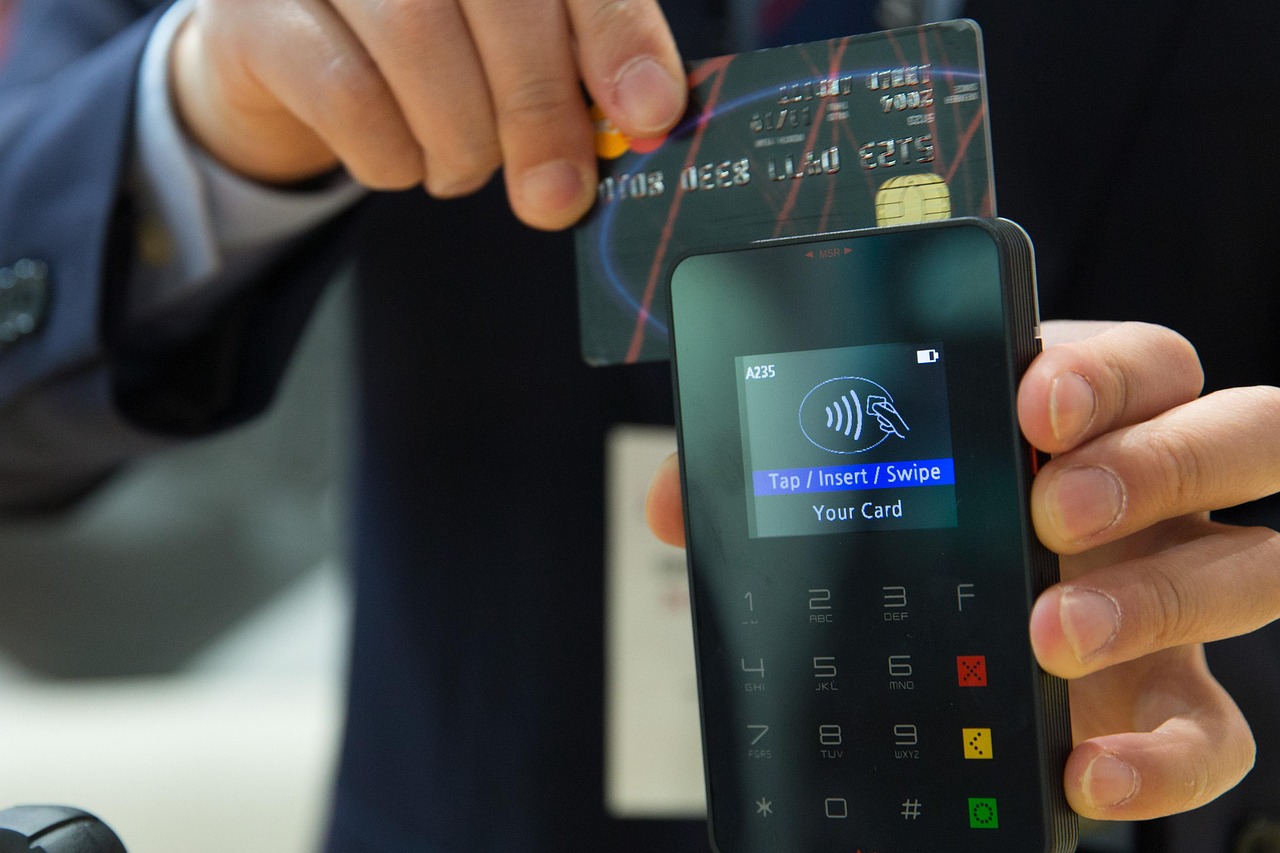
Integrated card payment is now a baseline expectation for UK consumers. A well-designed EPOS setup connects directly to a card machine, so the amount from the EPOS screen is automatically sent to the terminal — no re-keying, no mis-keyed figures. For businesses exploring portable solutions, our guide to the best wireless card machines for small businesses explains the options in detail. Equally, for those who want everything in one device, read about card machine and till system combined setups that reduce counter clutter.
Key Features to Look for in a Modern EPOS System
Not every EPOS platform is built equally. A system that excels in a café may be poorly suited to a pharmacy. Before committing to any solution, assess it against the following criteria:
- Inventory management: Can it handle variants (size, colour, batch number)? Does it alert you at low stock thresholds?
- Reporting and analytics: Are sales reports available by product, category, time of day, and staff member?
- Payment flexibility: Does it accept contactless, chip-and-PIN, mobile wallets and split payments?
- Cloud access: Can you check takings remotely, from a phone or laptop, without being on site?
- Multi-site capability: If you plan to expand, can one system manage several locations centrally?
- Integration ecosystem: Does it connect to your accounting software (Xero, QuickBooks), loyalty schemes or e-commerce platforms?
- Customer support: Is UK-based technical support available, and during the hours you trade?
If cost is a priority, it is also worth exploring whether a system carries ongoing subscription costs — our article on EPOS systems with no monthly fee outlines what is genuinely achievable.
Which Industries Benefit Most from EPOS Technology?
Virtually any business that processes transactions can benefit, but some sectors see particularly pronounced gains.
Retail
Retailers — from independent boutiques to multi-branch chains — rely on EPOS for accurate stock management, loyalty programmes, and the ability to process returns without friction. Fashion retailers in particular benefit from variant tracking across sizes and colours; see our dedicated guide to the best EPOS systems for clothing shops for sector-specific advice.
Hospitality and Restaurants
Restaurants, cafés and pubs use EPOS to manage table plans, send orders directly to the kitchen, split bills, and track allergen information alongside each menu item. The pace of a busy service demands a system that is intuitive under pressure. If you run a food and beverage business, our restaurant EPOS buyer's guide covers the most important considerations in depth, and you can book a restaurant EPOS software demo to see how the workflow translates in practice.
Pharmacy and Healthcare Retail
Pharmacies face regulatory complexity around controlled substances, patient records and NHS claim processing. Specialist EPOS software addresses these requirements directly — explore the pharmacy EPOS software demo to see how compliance-oriented features are built in from the ground up.
Small and Independent Businesses
Sole traders, market vendors and small independents often assume EPOS is beyond their budget or complexity threshold. In practice, entry-level systems are both affordable and straightforward. The complete guide to EPOS systems for small businesses sets out exactly what is realistic for a lean operation.
How Much Does an EPOS System Cost in the UK?
Cost depends on three variables: the hardware bundle you choose, the software subscription model, and whether card processing is integrated or separate. The following table gives indicative market ranges to help frame your expectations — treat these as approximate guidance, not fixed quotes.
| Setup Type | Typical Hardware Cost | Typical Software Cost | Best Suited To |
|---|---|---|---|
| Entry-level tablet system | From approximately £300–£600 (one-off) | From £0–£30 per month | Sole traders, market stalls, small cafés |
| Mid-range countertop terminal | From approximately £600–£1,200 (one-off) | From £30–£70 per month | Independent retailers, small restaurants |
| Full multi-station setup | From approximately £1,500–£4,000+ per site | From £70–£150+ per month | Multi-lane retail, busy restaurants, multi-site |
| Hosted / no-upfront-cost model | Hardware included in contract | From £40–£100+ per month all-in | Businesses preferring predictable monthly outlay |
All figures are indicative market ranges for the UK only and are provided for budgeting guidance. Actual pricing varies by supplier, configuration and contract length. Always request a formal quote before committing.
Card processing fees are separate and typically charged per transaction as a percentage of turnover. Businesses with lower card volumes may also benefit from reading about card machines with no monthly fee, which can reduce standing costs.
Cloud-Based vs On-Premise EPOS: Which Is Right for You?
This is one of the most practical questions a buyer faces, and the answer has shifted considerably in recent years.
Cloud-Based EPOS
Your data lives on remote servers, accessible from any device with an internet connection. Updates roll out automatically, there is no server hardware to maintain on-site, and most providers offer remote diagnostics. The trade-off is dependency on a reliable broadband connection — though reputable systems include an offline mode that queues transactions until connectivity is restored.
On-Premise EPOS
Data is stored locally on a server at your premises. This suits environments with unreliable internet or where data sovereignty is a strict requirement. The initial infrastructure cost is higher, and software updates require more deliberate management, but the system can operate entirely independently of external connectivity.
For the majority of UK businesses opening or upgrading today, a cloud-based system with offline fallback represents the most practical and cost-effective route. It offers the flexibility to manage your business remotely — checking live sales from home, updating a product's price across all tills instantly — without the overhead of maintaining local server hardware.
How to Choose and Set Up Your First EPOS System
The selection process need not be overwhelming if you approach it methodically.
- Map your must-have features. List the five things you absolutely need the system to do — accurate stock tracking, table management, loyalty integration — and use that list to filter out unsuitable options immediately.
- Consider your transaction volume. A system handling 20 transactions a day has very different performance requirements from one processing 500. Ensure the solution is specified appropriately.
- Evaluate total cost of ownership. Hardware, software, payment processing fees, installation and ongoing support all contribute to the real cost. Compare like-for-like across any supplier you shortlist.
- Demand a live demonstration. Screenshots and brochures are not sufficient. See the software respond to real scenarios — a refund, a multi-item discount, a stock adjustment. You can book a retail EPOS software demo with EPOS Direct to do exactly this.
- Check support and training provision. Even intuitive software requires staff training. Confirm what onboarding is included and what happens when something goes wrong at 11pm on a Saturday.
- Plan your data migration. If you are moving from an existing system, establish how product data, stock counts and customer records will transfer. A good supplier will guide you through this process.
For businesses who want to see the full range of current hardware and software bundles, the EPOS Direct UK home page is the best starting point for offers, comparisons and further information.
Making the Right Decision with Confidence
A well-chosen EPOS system pays for itself many times over — through time saved on manual reconciliation, stock losses avoided, and the sharper commercial decisions that good data makes possible. The technology has matured to the point where even a single-person business can access the same quality of insight that was once reserved for large retail chains.
The EPOS Direct UK team works with businesses across retail, hospitality, pharmacy and beyond every day, helping owners identify the right configuration for their specific operation. If you are ready to take the next step, request a free demo to see our systems in action, or talk to an expert online who can answer your specific questions without any obligation.
Written by the EPOS Direct UK team, who support UK retailers, restaurateurs and independent businesses with EPOS and POS systems every day.
Frequently asked questions
- What is the difference between an EPOS system and a standard till?
- A standard till records sales and holds cash. An EPOS (Electronic Point of Sale) system does all of that plus manages stock levels in real time, generates sales reports, integrates with card payment terminals, and can connect to accounting software like Xero or QuickBooks. In short, it replaces several separate tools with one joined-up system.
- How much does an EPOS system typically cost for a small UK business?
- Costs vary depending on the setup. A basic entry-level EPOS bundle for a single retail or hospitality site in the UK typically starts from around £300 to £600 for hardware (touchscreen terminal, receipt printer, and card reader), with software subscriptions ranging from £20 to £80 per month. More advanced multi-site or hospitality setups with kitchen display screens and table management can cost £1,000 or more upfront. Many suppliers, including EPOS Direct UK, offer finance options and free demonstrations so you can find the right fit before committing.
- Can I use an EPOS system if I am not very technical?
- Yes. Modern EPOS systems are designed with non-technical users in mind. Most use simple touchscreen interfaces similar to a tablet, and reputable UK suppliers will handle installation, import your product data, and provide staff training. Ongoing support is usually included in the monthly subscription, so you have someone to call if anything goes wrong.
