We use cookies to make your experience better.
To comply with the new e-Privacy directive, you agree to the privacy policy and our use of cookies


Best Wireless Card Payment Machines for Small Business UK (2026 Guide)
Best Wireless Card Payment Machines for Small Business UK (2026 Guide)
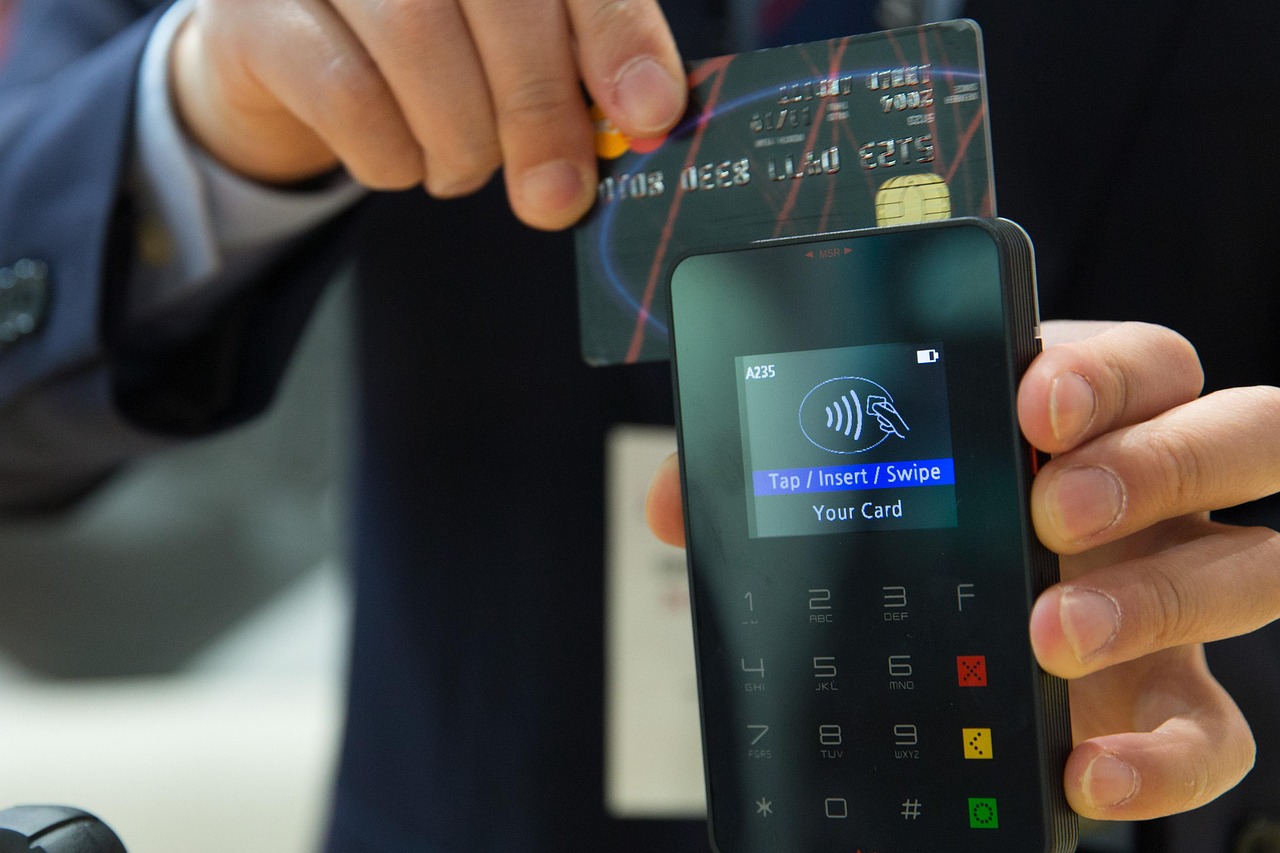
A good wireless card payment machine can be the difference between a smooth sale and a lost customer — especially for small businesses operating across multiple locations, taking payments tableside, or attending markets and pop-up events. The UK market in 2026 offers an impressive range of portable card readers, from standalone pay-as-you-go devices to fully integrated EPOS terminals, and choosing the right one depends on far more than monthly fee alone. This guide cuts through the noise to help UK small business owners identify exactly what they need, what it will cost, and when a standalone machine might be holding them back.
Written by the EPOS Direct UK team, who help UK businesses select, set up and get the most from card payment and EPOS solutions every day. For more offers and information across our full product range, visit the EPOS Direct UK home page.
What Is a Wireless Card Payment Machine — and Do You Really Need One?
A wireless card payment machine is a portable terminal that accepts debit and credit card payments without a fixed physical connection to a till or router. Most modern devices connect via Wi-Fi, 4G/LTE, or Bluetooth, and accept contactless, chip-and-PIN, and mobile wallet payments (Apple Pay, Google Pay). They comply with PCI-DSS security standards, which govern how cardholder data must be handled in the UK — verified through the Payment Card Industry Security Standards Council.
For the majority of UK small businesses, the honest answer is: yes, you need some form of card acceptance. Cash transactions have declined sharply over the past several years, and a growing number of UK consumers expect to pay by card or contactless at every point of sale — including market stalls, mobile services, and pop-up retail. The question is not whether to accept cards, but which solution genuinely fits your workflow and budget.
Who benefits most from a portable terminal?
- Market traders and street food vendors who move between locations
- Hospitality businesses taking payments tableside or at the bar
- Mobile service providers — personal trainers, mobile beauticians, tradespeople
- Retail pop-ups and seasonal concession stands
- Small cafés and delis with limited counter space

Key Features to Look for in a Wireless Card Machine for Small Businesses
Not all card readers are created equal. Before comparing providers, establish which features your daily operations actually require.
Essential criteria
- Connectivity: Wi-Fi alone is fine for fixed premises; 4G SIM support is essential if you trade away from a stable network.
- Battery life: Look for devices offering at least eight hours of active use on a single charge — critical for full trading days.
- Transaction speed: Slow processing creates queues. Modern terminals should process contactless transactions in under two seconds.
- Receipt options: Built-in receipt printer, e-receipt via SMS or email, or both — consider what your customers prefer.
- Card scheme coverage: Ensure the device accepts Visa, Mastercard, American Express, and contactless schemes including Apple Pay and Google Pay.
- Security certifications: Confirm PCI-DSS compliance and EMV chip certification as a minimum.
- Software integration: Can it connect to your existing stock management, accounting software, or EPOS system?
- Reporting dashboard: Access to transaction history, refunds, and end-of-day summaries matters for bookkeeping.
A question worth asking before you buy
Will your payment data stay siloed in the card machine, or will it flow automatically into your wider business system? Standalone devices often mean manual reconciliation — a hidden time cost that integrated systems eliminate.
Types of Wireless Card Machine Available in the UK in 2026
The UK market broadly groups portable card payment solutions into three tiers. Understanding the distinctions helps you avoid overpaying for features you do not need — or underspending on a device that cannot scale with you.
| Solution Type | Best For | Connectivity | Typical Monthly Cost (Indicative) | Integration Capability |
|---|---|---|---|---|
| Pay-as-you-go card reader (e.g. small dongle-style devices) | Sole traders, very low volumes | Bluetooth to smartphone | No monthly fee; higher per-transaction rate (typically 1.5%–2.5%) | Limited — app-based only |
| Standalone portable terminal | Small shops, cafés, market traders | Wi-Fi and/or 4G | Typically from £15–£40/month (merchant account + device rental) | Moderate — some API/CSV export |
| Integrated EPOS terminal (wireless Android or touchscreen) | Growing retail, hospitality, multi-site | Wi-Fi and/or 4G; LAN option | Typically from £30–£80/month (software + hardware + payments) | Full — stock, CRM, loyalty, reporting |
For businesses processing significant monthly volumes, negotiated merchant account rates can reduce per-transaction costs considerably compared with pay-as-you-go pricing. If you are uncertain which tier suits your business, talk to an expert online — it is free and avoids a costly decision made on incomplete information.
You can also explore our practical guidance on the best wireless card machines for small businesses in the UK for a deeper comparison of specific hardware options currently available.
How Much Does a Wireless Card Machine Cost? Fees, Contracts and Hidden Charges Explained
Cost transparency is one of the most common concerns UK small business owners raise — and rightly so, because the advertised price rarely tells the whole story.
What you are likely to pay
- Hardware cost: Entry-level card readers range from around £19 to £60 as a one-off purchase. Mid-range standalone terminals are typically available from £150–£300 to buy outright, or on a monthly rental from around £15.
- Transaction fees: Pay-as-you-go providers typically charge 1.5%–2.5% per transaction. Merchant accounts through a bank or acquirer often offer blended rates from 0.75%–1.5% depending on turnover.
- Monthly software or service fees: Standalone devices may have no monthly fee (but higher transaction rates); integrated EPOS solutions typically carry a monthly software licence, often from £25–£60 per terminal.
- Contract length: Pay-as-you-go has none; merchant account contracts typically run 12–36 months. Read cancellation terms carefully.
Hidden charges to watch for
- Minimum monthly service charges (common in merchant account agreements)
- PCI non-compliance fees if you do not complete required security questionnaires
- Chargeback handling fees
- 4G SIM data charges if not bundled
- Software update or support fees billed separately
If monthly fees are a primary concern, our guide to card machines with no monthly fee for UK businesses explains the real trade-offs between zero-fee and subscription models.
All figures above are indicative market ranges for UK small businesses in 2026. Always request a written quote and compare total cost of ownership, not headline rates alone.
Wireless Card Machines vs Integrated EPOS Systems: Which Is Right for Your Business?
This is the question many small business owners do not ask early enough. A standalone card machine processes payments; an integrated EPOS system manages your entire business — stock, staff, sales reporting, loyalty programmes, and payments — in one place.
When a standalone card machine is sufficient
- You have very low transaction volumes (fewer than 20–30 per day)
- Your product range is simple and does not require stock tracking
- You are testing a new trading location or a temporary venture
When an integrated EPOS solution makes more sense
- You manage inventory across multiple product lines or locations
- You need end-of-day sales reports that reconcile automatically with your accounting software
- You run a loyalty scheme, need customer purchase history, or want to manage staff permissions
- Manual reconciliation between your card machine and till is already consuming time
Our detailed guide on combining a card machine with a till system walks through exactly how integrated payment and EPOS setups work in practice, and what to look for when selecting one.
For clothing retailers in particular, the demands of size and variant management make integrated systems especially valuable — you can explore that in our guide to the best EPOS systems for clothing shops in the UK.
Ready to see what a fully integrated setup looks like in action? Request a free demo from the EPOS Direct team — no obligation and no sales pressure.
How to Set Up a Wireless Card Payment Machine for Your Small Business
Setup complexity varies significantly by device type, but for most small businesses the process follows a predictable sequence.
- Choose your acquiring bank or payment processor. Your merchant account determines your transaction fees and the payment schemes you can accept. Compare at least two or three providers before signing.
- Select compatible hardware. Ensure the terminal works with your chosen processor and, if relevant, your EPOS software. Mismatched hardware is a common and avoidable mistake.
- Complete PCI-DSS compliance. Your processor will require you to complete a Self-Assessment Questionnaire (SAQ). This is a regulatory requirement, not optional — non-compliance attracts fees and, in serious cases, loss of card acceptance rights.
- Connect and configure. For Wi-Fi devices, connect to your network and update firmware. For 4G devices, insert the SIM and confirm signal strength at your trading location before going live.
- Test transactions. Run a test payment — and a test refund — before your first live trading day.
- Train your staff. Even simple devices have nuances (how to void, how to reprint a receipt). Five minutes of staff training prevents embarrassment at the point of sale.
- Integrate with your EPOS or accounting system. If using an integrated solution, your provider should configure the connection and confirm reconciliation is working before handover.
If you are building out a broader till and payment setup for the first time, our practical buyer's guide to till systems for small businesses covers the full decision process from scratch.
Why UK Small Businesses Choose EPOS Direct for Card Payment Solutions
EPOS Direct has supported UK small businesses with integrated payment and EPOS solutions for many years, working across retail, hospitality, pharmacy, and beyond. Our approach combines purpose-built EPOS software with payment hardware that is configured, tested, and supported before it reaches you — not shipped in a box for you to work out alone.
What sets our approach apart
- Integrated by design: Our card payment terminals connect directly to our EPOS software, so your payment data, stock levels, and sales reports are always in sync.
- Sector-specific expertise: Whether you run a café, a clothing boutique, or a convenience store, we configure solutions around your workflow — not a generic template.
- Transparent pricing: We present total cost of ownership clearly, including hardware, software, and payment processing, so you can make an informed comparison.
- UK-based support: Access to a dedicated support team means problems are resolved quickly, not routed through automated overseas helpdesks.
To explore how our solutions are priced for your sector, view our retail EPOS offers or our hospitality and restaurant EPOS offers. You can also explore our EPOS software in detail before committing to anything.
For a broader look at how EPOS systems fit together for small businesses of all types, our complete 2026 guide to EPOS systems for small business is the most thorough starting point we offer.
Making the Right Choice for Your Business
The right wireless card payment solution for a UK small business is the one that matches your trading environment, integrates cleanly with your wider operations, and delivers transparent, predictable costs from day one. For many businesses, a standalone card reader is a sensible start; for those managing stock, multiple staff, or growing sales volumes, an integrated EPOS and payment solution consistently proves the better long-term investment.
The EPOS Direct UK team is ready to help you navigate the options without pressure or jargon. Request a call back from our specialists, or request a free demo to see how our integrated payment and EPOS solutions perform in a real business environment. The right setup pays for itself — but only if it is the right one for you.
Frequently asked questions
- What is the cheapest wireless card payment machine for small businesses in the UK?
- Entry-level wireless card machines in the UK typically start from around £20–£50 as a one-off purchase or are available free with a merchant account. However, the cheapest upfront option is not always the most cost-effective — transaction fees, monthly charges, and contract lock-ins can make low-cost hardware expensive over time. EPOS Direct offers transparent pricing bundles that combine card machine hardware with integrated EPOS software, helping small businesses reduce overall costs.
- Do wireless card machines work without Wi-Fi?
- Yes. Most modern wireless card payment machines support both Wi-Fi and 4G/SIM connectivity, meaning they can process payments even without a fixed broadband connection. This makes them ideal for market traders, mobile businesses, pop-up shops, and hospitality venues. Always check that your chosen device supports dual connectivity before purchasing.
- Can I integrate a wireless card machine with my till or EPOS system?
- Yes, and doing so can significantly speed up checkout and reduce human error. Integrated card machines communicate directly with your EPOS software so payment totals are passed automatically — no manual re-keying required. EPOS Direct UK offers fully integrated card payment and EPOS solutions designed specifically for UK retail and hospitality businesses.
