We use cookies to make your experience better.
To comply with the new e-Privacy directive, you agree to the privacy policy and our use of cookies

Best Wireless Card Payment Terminals for UK Retail Shops: A Complete Buyer's Guide
Best Wireless Card Payment Terminals for UK Retail Shops: A Complete Buyer's Guide
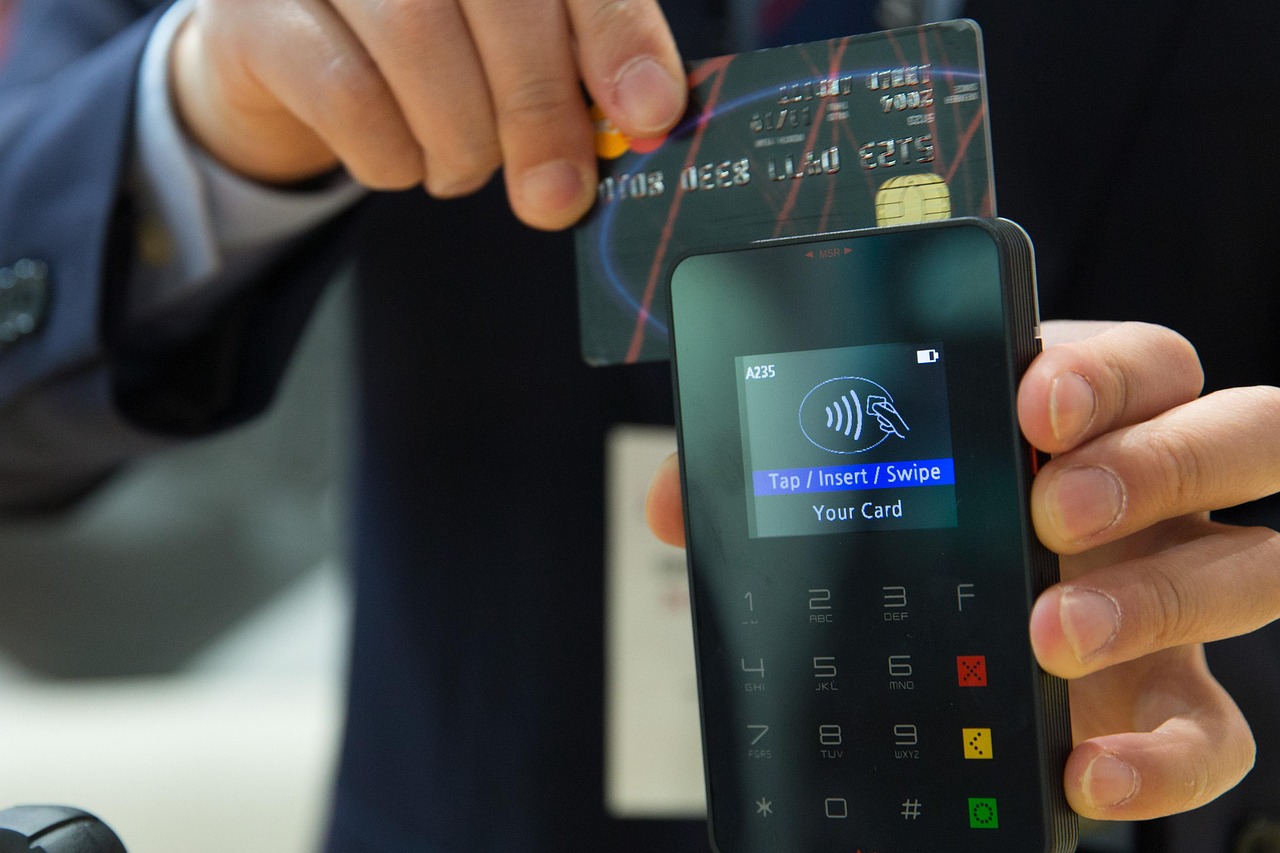
For UK retail businesses, the ability to accept card payments quickly, securely and anywhere on the shop floor has become a fundamental expectation — not a premium add-on. Wireless card payment terminals give retailers the freedom to serve customers at the till, on the shop floor, at pop-up events or across multiple checkout points without being tethered to a fixed connection. Choosing the right terminal, however, requires understanding how different devices integrate with your wider EPOS setup, what fees you will actually pay, and which features genuinely matter for a retail environment.
Why UK Retailers Are Moving Away From Fixed Card Terminals
The shift towards wireless payment acceptance in UK retail has been driven by two converging forces: changing consumer behaviour and the maturation of EPOS technology. British shoppers now expect to pay by contactless, Apple Pay, Google Pay or chip-and-PIN wherever they are standing — not only at a fixed desk. Retailers who cannot meet that expectation risk abandoned transactions and, ultimately, lost customers.
Beyond consumer preference, wireless terminals solve genuine operational problems. A fixed terminal creates a bottleneck during busy periods, forcing staff to direct customers to a single point. A portable or mobile device allows a team member to complete a sale at the fitting room, at a trade counter or during a queue-busting moment on the shop floor. For retailers running market stalls, pop-up events or multiple concession spaces, a device that works over 4G or WiFi is simply indispensable.
The UK payments landscape has also matured. The Financial Conduct Authority (FCA) regulates payment service providers operating in Great Britain, and the major card schemes — Visa and Mastercard — have set clear technical standards for terminal certification. This means that modern wireless devices available through reputable UK providers are robust, secure and fully compliant by default.
Key Features to Look for in a Retail Card Payment Terminal
Not all terminals are equal, and the features that matter in a café differ significantly from those that matter in a busy fashion retailer or a pharmacy. Before comparing devices, build a clear picture of what your retail environment actually demands.
Connectivity Options
- WiFi: Ideal for permanent retail premises with a reliable broadband connection. Offers fast transaction speeds and typically lower ongoing data costs.
- 4G / cellular: Essential for market traders, pop-up retailers and any location where WiFi is unavailable or unreliable. Look for terminals with a built-in SIM or the ability to use a data SIM of your choosing.
- Bluetooth: Used primarily for pairing a terminal with a tablet-based EPOS system rather than for connecting to the internet directly.
Payment Method Acceptance
At a minimum, any terminal purchased in 2025 and beyond should accept chip-and-PIN, contactless cards and NFC-based mobile wallets (Apple Pay, Google Pay, Samsung Pay). Check that the device's contactless limit is set to the current UK maximum — the FCA and UK Finance periodically review this threshold, so confirm the current figure directly with your payment provider at the time of purchase.
Battery Life and Durability
In a retail environment, a terminal that needs charging mid-shift is a liability. Look for devices rated for a full trading day on a single charge — typically eight hours or more of active use. Ruggedised or splash-resistant casings are worth prioritising if your team works in a warehouse, garden centre or food hall context.
Screen Size and Receipt Options
A colour touchscreen makes staff training significantly easier and reduces errors. Check whether the device prints physical receipts (useful for higher-value purchases and older customers who prefer paper) or whether it sends digital receipts only — both approaches have their place depending on your customer base.
Integration with Your EPOS Software
This is the feature that separates a standalone card machine from a genuinely powerful retail tool. A terminal that communicates directly with your EPOS software eliminates manual keying of sale amounts, reduces human error and gives you accurate, reconciled end-of-day reports automatically. We cover this in detail in the next section.
How Wireless Terminals Integrate with Your EPOS System
The greatest efficiency gains come not from the terminal itself, but from the connection between the terminal and your point-of-sale software. When the two systems speak to each other — a setup sometimes called an integrated or semi-integrated payment solution — the cashier completes a sale on the EPOS screen and the terminal automatically receives the correct amount to charge. The customer taps or inserts their card, and the authorisation result flows back to the EPOS, which then prints the receipt and updates stock records in real time.
This integration removes the single most common source of payment error in retail: a staff member manually typing the wrong amount into a standalone terminal. It also dramatically speeds up the checkout process, which matters enormously during peak trading hours.
If you are considering a fully joined-up approach, our guide to card machines and till systems combined explains the architecture in detail and helps you assess whether an integrated or standalone setup better suits your operation. For a broader overview of solutions that bring payments and EPOS together, the best EPOS systems with integrated card payments in the UK is a useful companion read.
The key questions to ask any provider before committing are: does the terminal integrate directly with your EPOS software, or does it require a middleware layer? What happens to transaction data if connectivity drops — does it queue and sync, or are records lost? And who is responsible for support when a payment or software issue arises?
Types of Wireless Payment Terminals Available in the UK
The UK market offers several distinct categories of wireless terminal, each suited to a different retail context.
| Terminal Type | Best Suited To | Connectivity | EPOS Integration | Typical Use Case |
|---|---|---|---|---|
| Portable countertop (WiFi) | Fixed retail premises | WiFi | Full integration available | Fashion, gift shops, electronics retail |
| Mobile (4G SIM) | Market stalls, pop-ups, delivery | 4G cellular | Standalone or app-based | Farmers' markets, trade shows, mobile vendors |
| Smart terminal (Android-based) | Growing SME retailers | WiFi + 4G | App-based or deep integration | Independent retailers wanting an all-in-one device |
| Tablet + Bluetooth terminal | Premium or design-led retail | WiFi (tablet) + Bluetooth | Full integration via tablet EPOS | Boutiques, showrooms, concierge-style retail |
| Integrated EPOS terminal | Multi-till, high-volume retail | WiFi (wired fallback) | Native integration | Supermarkets, department stores, pharmacies |
Smart Android-based terminals deserve particular attention: they run payment apps alongside lightweight EPOS functionality on a single handheld device, making them an attractive option for sole traders and small independent retailers who want simplicity without sacrificing integration. That said, for any retailer processing significant volumes, a dedicated EPOS system with a paired terminal will always offer more reporting depth, stock management capability and long-term scalability.
Understanding Costs, Transaction Fees and Contracts in the UK Market
One of the most common questions retailers ask is straightforward: what will this actually cost me? The answer has several layers, and it pays to understand each one before signing anything.
Hardware Costs
Entry-level standalone mobile card readers are available from as little as £20–£50 outright, though these typically offer limited integration and fewer features. Mid-range portable terminals with WiFi and 4G capability typically cost from around £150 to £350 per device when purchased outright. Smart terminals with larger screens and Android-based software sit towards the upper end of that range or higher. When purchased as part of a full EPOS bundle — hardware, software and payment integration together — the overall package cost varies considerably depending on the number of tills, peripherals and software tiers required; most small retail setups fall broadly in the range of a few hundred to a few thousand pounds depending on configuration.
Our guide to monthly EPOS subscriptions versus outright purchase examines the trade-offs in detail and is worth reading before you commit to either route.
Transaction Fees
Most UK payment providers charge a percentage of each card transaction, sometimes combined with a small fixed pence-per-transaction fee. Consumer debit and credit card rates are regulated under UK interchange rules, but the rates you are quoted will depend on your monthly processing volume, average transaction value and the provider you choose. As a general guide, rates for small retailers often sit somewhere between 0.5% and 2.5% per transaction depending on card type and pricing model — but you should request a written quote based on your actual volumes rather than relying on headline figures. Always check whether the quoted rate applies to all card types or only to standard consumer cards, as commercial cards and international cards frequently attract higher rates.
Contract Terms
Terminal rental contracts in the UK typically run from 12 to 48 months. Shorter contracts offer more flexibility but sometimes carry higher monthly fees. Longer contracts may offer lower monthly costs but can include significant early termination charges. Read the small print carefully, particularly around auto-renewal clauses and what happens if your business closes or changes significantly during the contract period.
If you are comparing options for a smaller operation, our practical guide to wireless card machines for small businesses in the UK addresses the cost and contract landscape in a small-business context specifically.
How to Choose the Right Terminal for Your Retail Business Size
The right solution depends less on brand preference and more on the operational realities of your specific business. Use the following framework as a starting point.
Sole Traders and Market Retailers
Prioritise portability, 4G connectivity and low upfront cost. A smart terminal or a reliable mobile card reader paired with a simple app will typically suffice. You may not need deep EPOS integration at this stage, though it is worth choosing a provider you can grow with.
Independent Retail Shops (1–3 Tills)
This is the tier where integration delivers the most visible return on investment. A portable WiFi terminal that communicates directly with a full EPOS system eliminates reconciliation headaches, gives you real-time stock visibility and enables meaningful sales reporting. Our guide to the best till systems for small UK businesses provides a complementary perspective on building out the full checkout setup. You can also find current bundles and configurations on the EPOS Direct UK home page, where the team regularly updates offers and information relevant to independent retailers.
Multi-Location or High-Volume Retailers
At this scale, the priority shifts to centralised reporting, consistent staff training across sites and robust hardware that can handle the throughput of a busy trading day. Native integration between payment terminals and EPOS software is non-negotiable. For a broader perspective on the EPOS landscape at this scale, the complete EPOS guide for small businesses in 2026 covers the decision architecture in full.
If you are unsure which tier your business falls into, or your requirements span more than one category — for example, a retailer who also operates a café concession — talking to an expert online is the fastest way to get a setup recommendation based on your actual situation rather than a generic template.
Getting Started: Setup, Support and Next Steps with EPOS Direct
EPOS Direct UK has helped thousands of independent and growing retailers across Great Britain build payment and EPOS setups that work reliably in the real world. The team's experience spans fashion retail, pharmacy, convenience, garden centres, gifts and beyond — which means the advice you receive is grounded in the operational realities of retail, not just the technical specifications of hardware.
What the Onboarding Process Looks Like
- Initial consultation: A specialist reviews your current setup, transaction volumes, number of tills and software requirements to recommend the right combination of hardware and payment integration.
- Demo and configuration: You can see the software in action before committing. A retail EPOS software demo gives you a clear picture of the interface your staff will use every day.
- Installation and training: Hardware is configured to your specification and your team is trained on both the EPOS system and the payment terminal workflow, minimising the risk of errors at the point of sale.
- Ongoing support: UK-based technical support is available to resolve issues quickly — a critical consideration given that a payment terminal failure during a busy Saturday can cost a retailer meaningfully in lost sales.
Ready to Explore Your Options?
If you would like to see current retail EPOS and payment bundles, visit the retail EPOS offers page for up-to-date configurations and pricing. Alternatively, request a free demo and a member of the EPOS Direct team will walk you through the options most relevant to your retail environment — with no obligation and no sales pressure.
The Bottom Line
A wireless card payment terminal is no longer a nice-to-have for UK retailers — it is a core piece of trading infrastructure. The decision that genuinely moves the needle is not which device to buy in isolation, but how well that device integrates with your EPOS software, your reporting workflows and the day-to-day rhythm of your shop floor. Get that integration right and the terminal pays for itself quickly in time saved, errors avoided and customers served more efficiently.
EPOS Direct UK combines hardware, software and payment integration into cohesive retail setups backed by expert support. Whether you run a single-till independent shop or a growing multi-site operation, the team is ready to help you find the configuration that fits. Talk to an expert online today or explore the full range of solutions at EPOS Direct.
Written by the EPOS Direct UK team, who work with independent and growing retailers across Great Britain every day to design, install and support EPOS and payment solutions that perform under real retail conditions.
Frequently asked questions
- How much does a wireless card payment terminal typically cost for a UK retail shop?
- In the UK, wireless card payment terminals generally range from around £150 to £400 to purchase outright, depending on the brand and features. Some providers offer rental plans from as little as £15–£30 per month, which can suit smaller retailers. You will also pay transaction fees, typically between 0.3% and 1.75% per transaction depending on your card volume and the provider you choose. Always check whether there are monthly minimums or long tie-in contracts before signing up.
- Can a wireless card terminal connect directly to my existing till or EPOS system?
- Yes, most modern wireless card payment terminals are designed to integrate with EPOS systems via Bluetooth, Wi-Fi or direct API connection. When you use a terminal supplied or recommended by your EPOS provider, transactions can sync automatically with your stock levels, sales reports and receipts, removing the need for manual reconciliation at the end of the day.
- Do wireless card terminals work if my shop has a poor Wi-Fi signal?
- Many wireless card terminals support 4G or dual SIM connectivity as a fallback, meaning they can process payments using a mobile data network if your broadband or Wi-Fi is unreliable. This makes them a solid choice for pop-up retail, markets or shops located in areas with patchy internet coverage. Always confirm whether the terminal you are considering includes a SIM card or requires you to source mobile data separately.
