We use cookies to make your experience better.
To comply with the new e-Privacy directive, you agree to the privacy policy and our use of cookies


Best Wireless Card Payment Terminals for UK Retail & Hospitality Businesses
Best Wireless Card Payment Terminals for UK Retail & Hospitality Businesses

Wireless card payment terminals have become an essential tool for UK businesses that need flexibility at the point of sale — enabling staff to take payments anywhere on the premises, at the counter, tableside, or even at outdoor events. The best solutions pair seamlessly with a full EPOS system, keeping transactions, stock, and reporting in sync without additional effort. This guide covers everything independent retailers, hospitality operators, and service businesses need to know before choosing a terminal — from connectivity and integration to realistic cost expectations and the questions worth asking before signing any agreement.
What Is a Wireless Card Payment Terminal and How Does It Work?
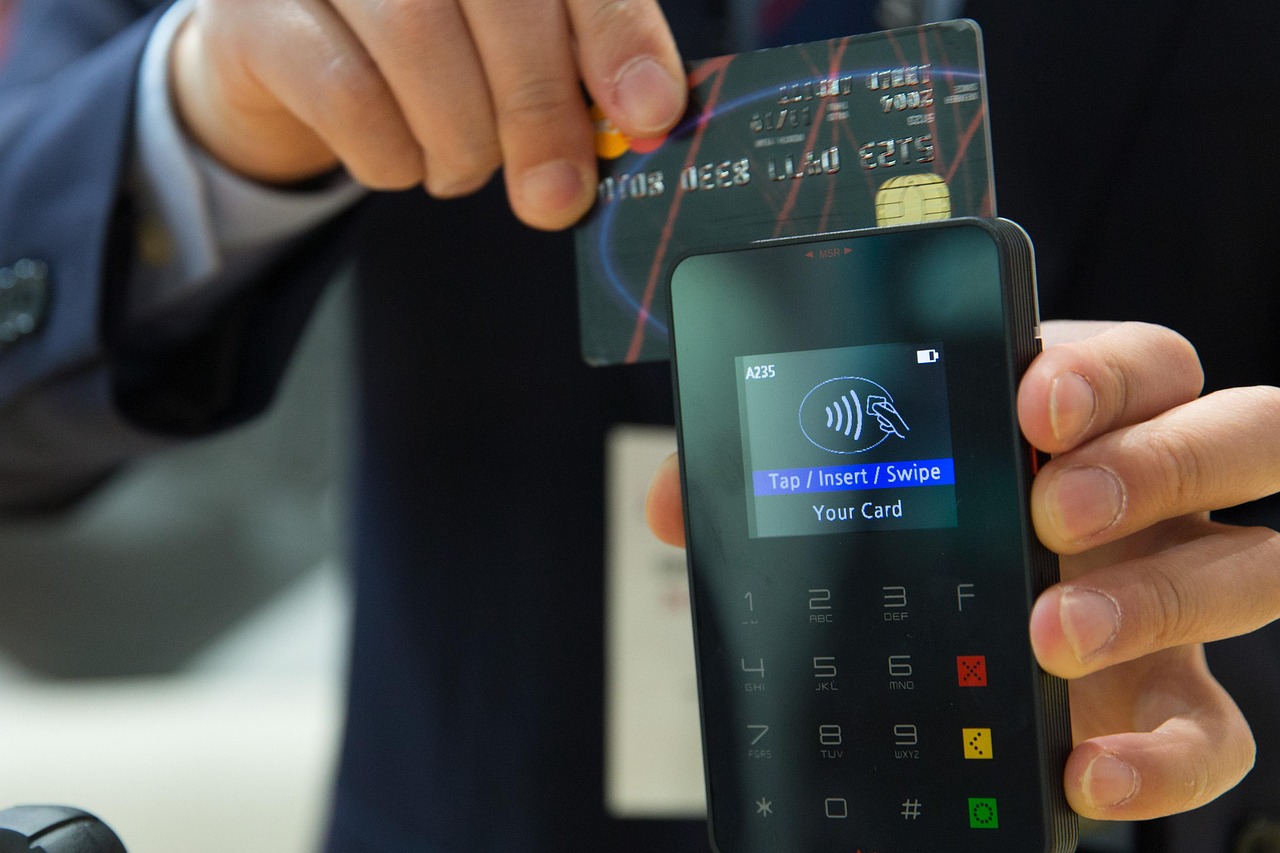
A wireless card payment terminal is a handheld or portable device that processes debit and credit card payments — including contactless, chip-and-PIN, and mobile wallet transactions such as Apple Pay and Google Pay — without a fixed cable connection to a till or counter. Rather than being tethered to a point-of-sale desk, the device communicates over Wi-Fi, Bluetooth, or a mobile data network (4G/5G), which is what makes it genuinely mobile.
In practical terms, the terminal connects to a payment gateway that sits between the merchant and the card networks (Visa, Mastercard, Amex). When a customer taps, inserts, or presents their card, the terminal encrypts the transaction data and routes it for authorisation — typically in two to three seconds. Modern terminals are PCI DSS compliant by design, meaning the hardware and associated software meet the Payment Card Industry Data Security Standards required for UK merchants. You can verify current PCI DSS requirements at the PCI Security Standards Council website.
The key distinction between a standalone card machine and an integrated wireless terminal is how data flows. An integrated terminal talks directly to your EPOS software, automatically reconciling the payment amount with the order, updating stock levels, and recording the transaction — eliminating manual keying and the reconciliation errors that come with it.
Key Features to Look for in a Wireless Card Terminal for UK Businesses
Not every portable terminal is suited to every environment. Evaluating the following criteria before purchasing will save considerable frustration later.
Connectivity Options
- Wi-Fi: Ideal for fixed premises such as shops, salons, and restaurants where a strong and reliable wireless network exists throughout the trading area.
- 4G/5G SIM: Best for market traders, mobile caterers, pop-up events, and delivery drivers — anywhere a fixed network is unavailable or unreliable.
- Bluetooth + base station: A common setup in hospitality, where the terminal syncs with a countertop hub and roams freely across the venue during service.
- Dual connectivity: Terminals that support both Wi-Fi and mobile data provide a useful failover, keeping you trading if the broadband drops.
Battery Life and Durability
A terminal that cannot last a full service period is a liability, not an asset. For hospitality, look for a rated battery life of at least eight hours under continuous use. Retail environments with lighter transaction volumes can typically manage with six hours, provided charging docks are accessible. IP-rated splash resistance is worth prioritising in bar or kitchen-adjacent environments.
Payment Method Coverage
As a minimum, any terminal deployed in the UK should accept chip-and-PIN, magnetic stripe (for international cards), and contactless payments up to the current contactless limit set by UK Finance — check the UK Finance website for the latest limit, as it has been updated periodically. Apple Pay, Google Pay, and Samsung Pay should also be supported, as wallet payments now account for a growing share of consumer transactions.
Screen, Receipt, and Print Options
Colour touchscreens make operation easier for staff and reduce training time. Consider whether you need an integrated receipt printer (common in hospitality) or whether digital receipts via email or SMS are sufficient for your customer base — they reduce paper waste and speed up the transaction.
How Wireless Payment Terminals Integrate with Your EPOS System
Integration is where genuine operational efficiency is won or lost. A wireless terminal that is simply "paired" with an EPOS screen via Bluetooth will send the correct payment amount automatically, but a deeply integrated solution goes further — it pulls the order total directly from the EPOS, confirms payment status back to the system, and triggers stock deductions and sales reporting in real time.
For retailers, this means your inventory figures remain accurate without manual adjustment. For hospitality businesses, it means tableside payments close the table in the EPOS instantly, freeing it for the next booking without a trip back to the counter. If you are exploring how a combined card machine and EPOS till can streamline your entire operation, our guide to card machine and till system combined solutions for UK businesses covers the practical options in detail.
When evaluating integration depth, ask the following:
- Does the terminal communicate two-way with the EPOS, or is it one-directional (amount push only)?
- Does payment confirmation automatically close the order in the EPOS software without additional staff action?
- Are refunds processed directly from the EPOS, or must staff switch to a separate terminal interface?
- Does the integration support split payments — for example, one card and one cash on the same order?
If you would like to see how EPOS Direct's software handles payment integration in practice, you can view a retail EPOS software demo or explore the restaurant EPOS software demo to understand exactly how the workflow connects from order to payment.
Comparing Terminal Approaches: What Suits Your Setup?
The market broadly offers three deployment approaches. The table below compares them across the criteria that matter most to UK merchants.
| Approach | Best For | Connectivity | EPOS Integration | Typical Monthly Cost Range | Key Trade-Off |
|---|---|---|---|---|---|
| Standalone wireless terminal | Sole traders, pop-ups, low-volume mobile businesses | 4G SIM or Wi-Fi | Minimal or none | Typically from £15–£30/month (indicative) | No stock or order sync; manual reconciliation required |
| Integrated countertop + wireless pair | Independent retail, small cafés, salons | Wi-Fi or Bluetooth hub | Moderate — amount push, payment confirmation | Typically £30–£70/month all-in (indicative) | Depends on venue Wi-Fi quality; roam range limited |
| Full EPOS + deeply integrated wireless fleet | Multi-terminal restaurants, retail groups, hospitality venues | Wi-Fi + 4G failover | Full two-way — orders, payments, stock, reporting | Typically £60–£150+/month depending on scale (indicative) | Higher initial investment; requires reliable network infrastructure |
Note: All cost ranges above are broad indicative figures for general market guidance only and will vary based on transaction volumes, provider, contract length, and hardware bundle. Always request a tailored quote before committing.
Typical Costs and Contract Considerations for UK Merchants
Understanding the full cost of a wireless terminal arrangement requires looking beyond the headline monthly rental figure. UK merchants should account for several distinct cost components.
Transaction Fees
Payment processors typically charge a percentage of each transaction — commonly in the range of 0.5% to 2.5% depending on card type (debit vs. credit), transaction volume, and whether you are on an interchange-plus or blended pricing model. Higher-volume businesses generally negotiate lower rates. The FCA and the Payment Systems Regulator (PSR) oversee interchange regulation in the UK — the PSR website is worth checking if you want to understand how interchange caps affect the fees you are charged.
Hardware and Rental
Terminals may be purchased outright or rented. Outright purchase prices for quality integrated wireless hardware typically fall from around £200 to £600 per unit (indicative). Monthly rental agreements are common and typically bundle in replacement cover and software updates. Some providers offer zero-upfront arrangements in exchange for a longer contract commitment — read the exit clause carefully.
Contract Length and Exit Terms
Twelve-month agreements are common for hardware rental, while payment processing contracts can run from rolling monthly to thirty-six months. Before signing, establish the early termination fee structure and whether transaction rate reviews are contractually permitted. Our guide to card machines with no monthly fee covers the trade-offs of pay-as-you-go versus subscription arrangements if avoiding fixed monthly costs is a priority for your business.
EPOS Software Subscription
If you are combining a terminal with a full EPOS system, factor in the software licence — typically a monthly per-terminal or per-location fee. Bundled EPOS-plus-terminal packages from specialist providers often deliver better value than sourcing hardware and software separately. Explore affordable EPOS system options for small UK businesses to benchmark what full-system packages cost at entry level.
Which Industries Benefit Most from Wireless Card Payments?
While almost any customer-facing business gains something from portable payment capability, several sectors see transformative operational improvements.
Restaurants, Bars, and Cafés
Tableside payment has become an expectation rather than a luxury for UK diners. Bringing the terminal to the guest eliminates the awkward wait, reduces walkaway risk, and speeds table turns — directly improving covers per service. Hospitality businesses managing this workflow at scale can view EPOS Direct's hospitality and restaurant EPOS offers to understand how integrated terminal solutions are packaged for the sector.
Independent Retail
Clothing boutiques, gift shops, and independent food retailers benefit from the ability to serve customers on the shop floor rather than directing them to a fixed checkout. This is especially valuable during busy periods when queue management matters. Our detailed look at the best EPOS systems for clothing shops in the UK explores how wireless payment fits within a broader retail technology setup.
Market Traders and Mobile Vendors
For businesses operating without fixed premises — farmers' markets, festivals, trade shows — a 4G-enabled terminal is the only viable option. Reliability and battery life are paramount here, and choosing a terminal with a physical SIM rather than a data-sharing arrangement with a smartphone reduces single points of failure.
Healthcare, Pharmacy, and Personal Services
Pharmacies and private healthcare practices often need to take payment at the consultation or dispensing point rather than a traditional till. If your business operates in this space, a pharmacy EPOS software demo demonstrates how wireless payment integrates with dispensing workflows and patient records.
Accommodation and Events
Hotels, B&Bs, and event venues benefit from the ability to process payments at reception, in function rooms, or during check-out without routing guests to a single desk — reducing friction at the moments that shape guest perception most.
How to Choose the Right Wireless Terminal for Your Business Size and Setup
A genuinely useful purchasing decision rests on a handful of concrete questions rather than feature lists alone.
How many terminals do you need?
Single-terminal businesses can often use a simpler, lower-cost solution. As soon as you operate more than two terminals simultaneously, the case for a fully integrated EPOS system strengthens considerably — because reconciling multiple standalone devices manually is time-consuming and error-prone. For smaller operations starting out, our practical buyer's guide to till systems for small UK businesses outlines sensible entry points.
Is your premises network reliable enough?
Wi-Fi-dependent terminals are only as reliable as your broadband connection. If you have experienced outages, consider a 4G fallback option. Some EPOS terminals also support offline mode — processing transactions locally and syncing when connectivity resumes — which is worth verifying with your provider before purchasing.
What does growth look like for your business?
A terminal solution that serves you well at launch should scale without forcing a full hardware replacement. Check whether adding terminals, locations, or users is a straightforward configuration change within your provider's platform or whether it requires new contracts and additional setup costs. The complete 2026 guide to EPOS systems for small businesses addresses scalability considerations in useful depth.
For a complete overview of what EPOS Direct offers across retail and hospitality — including bundled terminal and software packages — visit the EPOS Direct UK home page for current offers and information.
Making the Right Choice: A Summary
The right wireless payment terminal for a UK business is the one that fits seamlessly into how your team already works — processing payments reliably, feeding accurate data back to your EPOS, and scaling without friction as you grow. Connectivity, battery life, integration depth, and total cost of ownership (not just the monthly rental) are the four criteria that separate genuinely useful solutions from those that create more administration than they save.
EPOS Direct UK works with independent retailers, restaurants, and service businesses across the United Kingdom every day, helping them identify the right combination of EPOS software, hardware, and integrated payment solutions for their specific setup. If you are ready to explore your options, request a free demo to see how our solutions work in practice, or talk to an expert online for tailored advice without obligation.
Written by the EPOS Direct UK team, who support UK businesses with EPOS and POS system selection, implementation, and ongoing service every day.
Frequently asked questions
- What is the difference between a portable and a mobile card payment terminal?
- A portable terminal connects via Wi-Fi or Bluetooth and is designed to roam within a fixed premises — ideal for tableside payments in restaurants or queue-busting in retail. A mobile terminal uses a 4G or 3G SIM card and can be used anywhere with a signal, making it perfect for market stalls, pop-up shops, or field-based businesses. Both are classed as 'wireless,' so it is important to confirm which connectivity suits your trading environment before purchasing.
- How much does a wireless card payment terminal typically cost for a UK business?
- Costs vary depending on whether you buy outright or take a contract. Outright hardware purchase in the UK generally ranges from around £50 to £300 per terminal depending on the brand and capabilities. Merchant service providers may offer the terminal free or heavily subsidised in exchange for a rolling or fixed-term contract, with transaction fees typically between 0.3% and 1.75% per transaction for UK card-present payments. Integrated solutions from specialist EPOS providers like EPOS Direct often bundle the terminal with software and support, which can work out more cost-effective at scale. Always check for monthly rental fees, PCI DSS compliance fees, and any minimum monthly transaction thresholds before signing.
- Can a wireless card terminal connect directly to my existing till or EPOS software?
- Yes, in many cases it can — but compatibility depends on both the terminal model and your EPOS software. Integrated card payment setups pass the transaction total directly from your EPOS to the terminal, eliminating manual keying errors and speeding up the checkout process. When sourcing a terminal through your EPOS provider, integration is typically pre-configured and supported, which is one of the main advantages of buying your payment hardware and till system from the same supplier.
