We use cookies to make your experience better.
To comply with the new e-Privacy directive, you agree to the privacy policy and our use of cookies


Alternatives Till System — Complete 2026 Guide
Alternatives Till System — Complete 2026 Guide
Businesses across the UK are increasingly questioning whether their existing till setup truly serves them — or whether a more capable, integrated point-of-sale solution would better support their growth. The honest answer is that modern EPOS systems offer far more than a traditional cash register ever could: smarter stock control, built-in reporting, seamless card payments, and cloud-based management that works whether you run one site or ten. This guide walks through what to look for, how different approaches compare, and how to choose the right solution with confidence.
Understanding What a "Till System" Actually Means in 2026
The word "till" still conjures the image of a cash drawer and a numeric keypad. In practice, the term now encompasses everything from a basic tablet app paired with a card reader, through to a fully integrated EPOS (Electronic Point of Sale) system with touchscreen terminals, barcode scanners, kitchen display screens, and cloud-based back-office software. Knowing which category you actually need — and which you're currently missing out on — is the starting point for any informed decision.
- Traditional cash register: Counts sales and opens a cash drawer. No stock sync, no reporting exports, no integration with card payments or accounting software.
- Tablet-based app: Lightweight, low upfront cost. Good for market stalls or pop-ups; struggles with high-volume retail or hospitality environments where reliability is non-negotiable.
- Cloud EPOS system: A dedicated terminal running specialist software, connected to payment processing, stock management, loyalty tools, and remote reporting — all updateable without you touching the hardware.
- Integrated EPOS suite: Multi-terminal setups across a single site or estate, with centralised reporting and staff management. The gold standard for scaling businesses.
For a thorough grounding in how these tiers work in practice, the Complete EPOS System Guide for UK Retail and Hospitality Businesses is a strong starting point.
Why Businesses Look for a Better Till Solution
The trigger for searching out a better system is almost always one of a handful of recurring frustrations: lost stock accuracy, end-of-day reconciliation that takes far too long, payment terminals that don't talk to the till, or software that can't produce a usable sales report. These are not minor inconveniences — they represent real margin leakage.
Other common drivers include:
- Opening a second location and realising the existing setup cannot be replicated or centrally managed
- Card processing fees that feel opaque or poorly structured
- A system that slows down service during peak hours
- No integration with an online store or booking platform
- Outright hardware failure with no support contract in place
If any of these resonate, it is worth exploring whether a purpose-built EPOS solution — rather than a workaround — is the more cost-effective path. You can also talk to an expert online to discuss your specific setup before committing to anything.
Key Questions to Ask Before Switching
Making a well-informed choice means interrogating the specifics of your business model rather than simply shopping for the lowest monthly fee. Three questions consistently separate good decisions from regrettable ones.
Does the system integrate with how you actually take payment?
A card machine that sits beside your till rather than connecting to it creates double-entry risk and slows reconciliation. Fully integrated solutions pass the basket total directly to the payment terminal, record the transaction automatically, and flag discrepancies in real time. For businesses weighing this up, our guide to combined card machine and till systems explains exactly what integration looks like in practice and why it matters.
What does ownership of the system actually cost over two or three years?
A "cheap" monthly subscription can become expensive when transaction fees, support charges, and hardware rental are factored in. Conversely, a higher upfront investment in owned hardware and software sometimes results in a lower total cost of ownership across a three-year window. EPOS systems with no monthly fee are a genuine option for businesses that prefer a capital expenditure model — worth understanding before assuming subscription is always the right structure.
Is the solution genuinely built for your sector?
A system designed primarily for hospitality may lack the variant management a clothing retailer needs; a retail-focused platform may not support table plans or kitchen printing. Sector-specific capability matters more than headline feature lists. Clothing retailers, for example, will find detailed guidance in our article on the best EPOS systems for clothing shops in the UK.
Comparing Your Options: A Practical Breakdown
The table below maps common business profiles against solution types, to help clarify which approach tends to fit best. This is indicative guidance, not a rigid rule — your specific volume, team size, and ambitions all affect the outcome.
| Business Profile | Recommended Approach | Key Features to Prioritise | Typical Monthly Outlay (Indicative) |
|---|---|---|---|
| Market trader / pop-up | Tablet app + wireless card reader | Portability, offline mode, low upfront cost | Typically from £15–£40/month |
| Independent retail shop | Single-terminal cloud EPOS | Stock management, barcode scanning, end-of-day reporting | Typically from £30–£80/month |
| Clothing / fashion boutique | Cloud EPOS with variant management | Size/colour matrix, customer accounts, supplier ordering | Typically from £40–£90/month |
| Café / quick-service restaurant | Hospitality EPOS with kitchen printing | Fast item lookup, modifier prompts, split bills | Typically from £50–£100/month |
| Full-service restaurant | Table-management EPOS suite | Table plans, course management, covers reporting, reservations link | Typically from £70–£150/month |
| Multi-site retailer | Integrated EPOS estate | Centralised stock, head-office reporting, staff management | Typically from £100–£250+/month across sites |
| Pharmacy | Specialist pharmacy EPOS | PMR integration, controlled drug logs, age verification prompts | Typically from £60–£120/month |
All ranges are indicative of typical UK market pricing as of 2026 and should be used for budgeting guidance only. Actual costs depend on hardware configuration, transaction volumes, and support tiers selected. Request a tailored quote for accurate figures.
What Genuinely Capable EPOS Software Includes
The software layer is where most of the value lives — and where cheaper solutions tend to disappoint first. A well-specified EPOS platform should include, at minimum:
- Real-time stock tracking with low-stock alerts and reorder triggers
- Sales reporting by product, category, hour, and staff member
- Customer loyalty and CRM tools built in, not bolted on at extra cost
- Role-based staff permissions and clock-in/clock-out functionality
- Integration with major accounting platforms (Xero, QuickBooks, Sage)
- Cloud back-office access — so you can check performance from anywhere
- Ongoing software updates included in the subscription or licence
If you would like to see this in action before making any commitment, try the retail EPOS software demo or, for food service businesses, explore the restaurant EPOS software demo — both are available without obligation.
The Card Payment Question
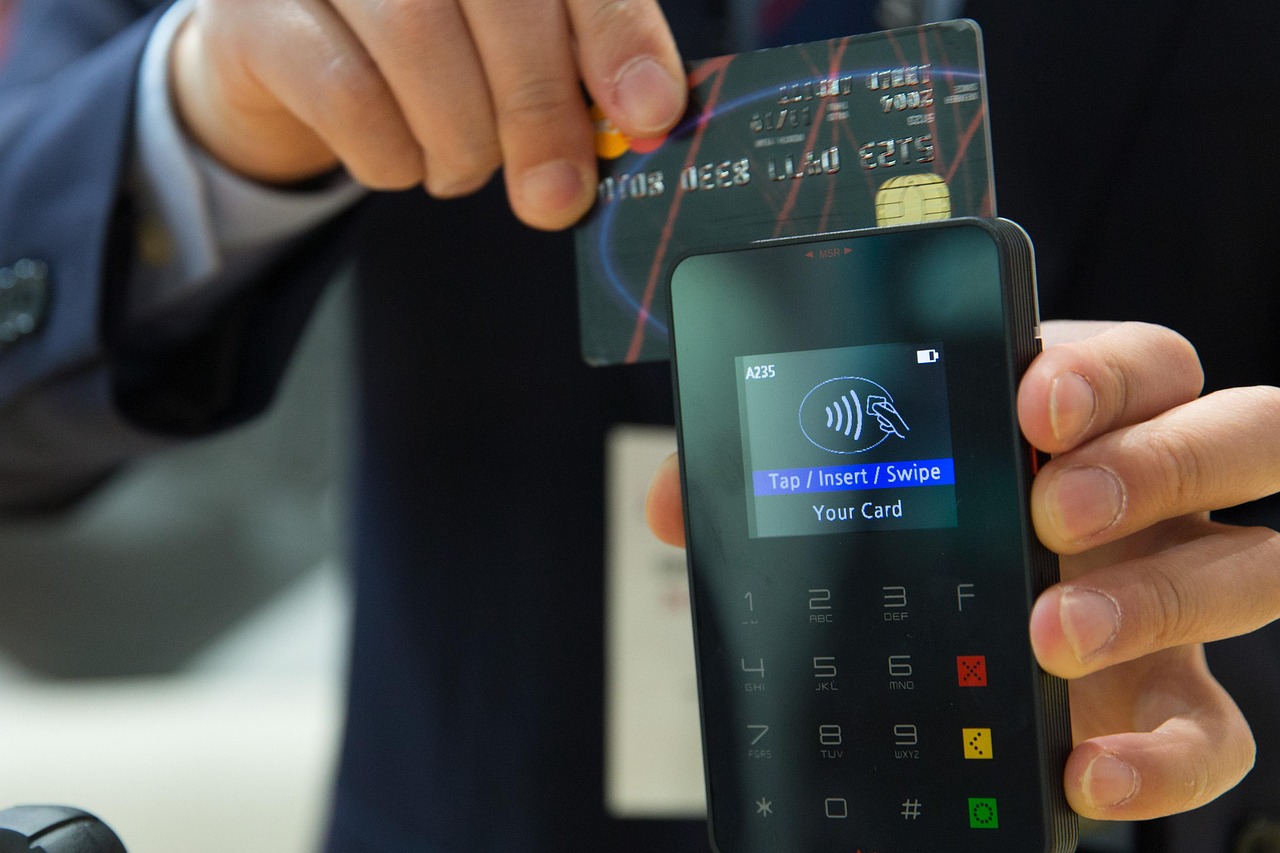
No modern till setup is complete without a considered approach to card and contactless payment. The UK market has moved decisively toward integrated payment terminals, and businesses still using a standalone card machine risk slower service and reconciliation errors. For smaller businesses weighing the options, this guide to the best wireless card machines for small businesses covers what to look for in a portable payment solution.
Transaction fees in the UK typically range from around 1% to 2.5% per card transaction for small businesses, depending on the processor, card type, and monthly volume. Businesses processing higher volumes often access preferential rates. Always compare the total cost of payment processing — not just the headline percentage — when evaluating a combined EPOS and payments package.
How EPOS Direct UK Approaches This
EPOS Direct UK has been helping British businesses replace outdated till setups with integrated, purpose-built EPOS solutions across retail, hospitality, and specialist sectors. The approach is deliberately consultative: a conversation about your specific workflow, team size, and growth plans precedes any hardware or software recommendation. There is no single "standard" package pushed at every enquiry — the goal is a system that fits the business rather than the other way around.
The product range spans entry-level single-terminal retail setups through to multi-site hospitality suites, with owned hardware options, flexible finance, and UK-based support as standard. Software is developed in-house, which means updates, integrations, and support all come from the same team. You can browse the full range of current offers and information on the EPOS Direct UK home page, or explore specific packages via the retail and hospitality offer pages.
For businesses ready to see the platform in action, requesting a free demo takes minutes and gives a clear, no-obligation view of what the software actually looks like in daily use. If you prefer a conversation first, request a call back and one of the team will work through the options with you.
Making the Decision: A Practical Checklist
Before finalising any EPOS investment, run through these criteria honestly against whichever solution you are considering:
- Does the software genuinely support your sector's specific workflows (retail variants, hospitality modifiers, pharmacy compliance, etc.)?
- Is card payment integrated — or will you still be entering amounts manually into a separate terminal?
- What is the total cost of ownership across 36 months, including hardware, software, support, and payment processing?
- Is UK-based support available — and what are the guaranteed response times?
- Can the system scale to a second or third location without requiring a complete platform change?
- Are software updates included, and how are they delivered?
- Is there a demo or trial period so your team can evaluate the interface under realistic conditions?
For small business owners starting this process from the beginning, our complete EPOS guide for small businesses provides a structured framework for working through these questions step by step.
Conclusion
Upgrading from a basic till to a fully integrated EPOS system is one of the highest-return operational investments a UK retailer or hospitality business can make — provided the solution genuinely matches the business rather than simply replacing one inflexible system with another. The key is specificity: the right sector fit, genuine payment integration, transparent total costs, and software that grows with you.
EPOS Direct UK specialises in exactly this kind of matched, consultative approach. To explore what the right system looks like for your business, view our current retail EPOS offers or browse our hospitality and restaurant EPOS packages — or simply talk to an expert online today.
Written by the EPOS Direct UK team, who work with UK retail, hospitality, and specialist businesses every day to help them find, implement, and get the most from their EPOS systems.
Frequently asked questions
- How much does alternatives till system cost in United Kingdom?
- Costs vary by provider and scope. EPOS Direct UK offers transparent pricing tailored to EPOS & POS systems businesses.
- Is alternatives till system suitable for small businesses?
- Yes — solutions can be scaled to fit independent operators as well as multi-site groups.
- What should I look for when choosing?
- Prioritise reliability, support, total cost of ownership and proven results in United Kingdom.
