We use cookies to make your experience better.
To comply with the new e-Privacy directive, you agree to the privacy policy and our use of cookies

Top Card Payment Machines for UK Retail Shops: A Practical Buyer's Guide
Top Card Payment Machines for UK Retail Shops: A Practical Buyer's Guide
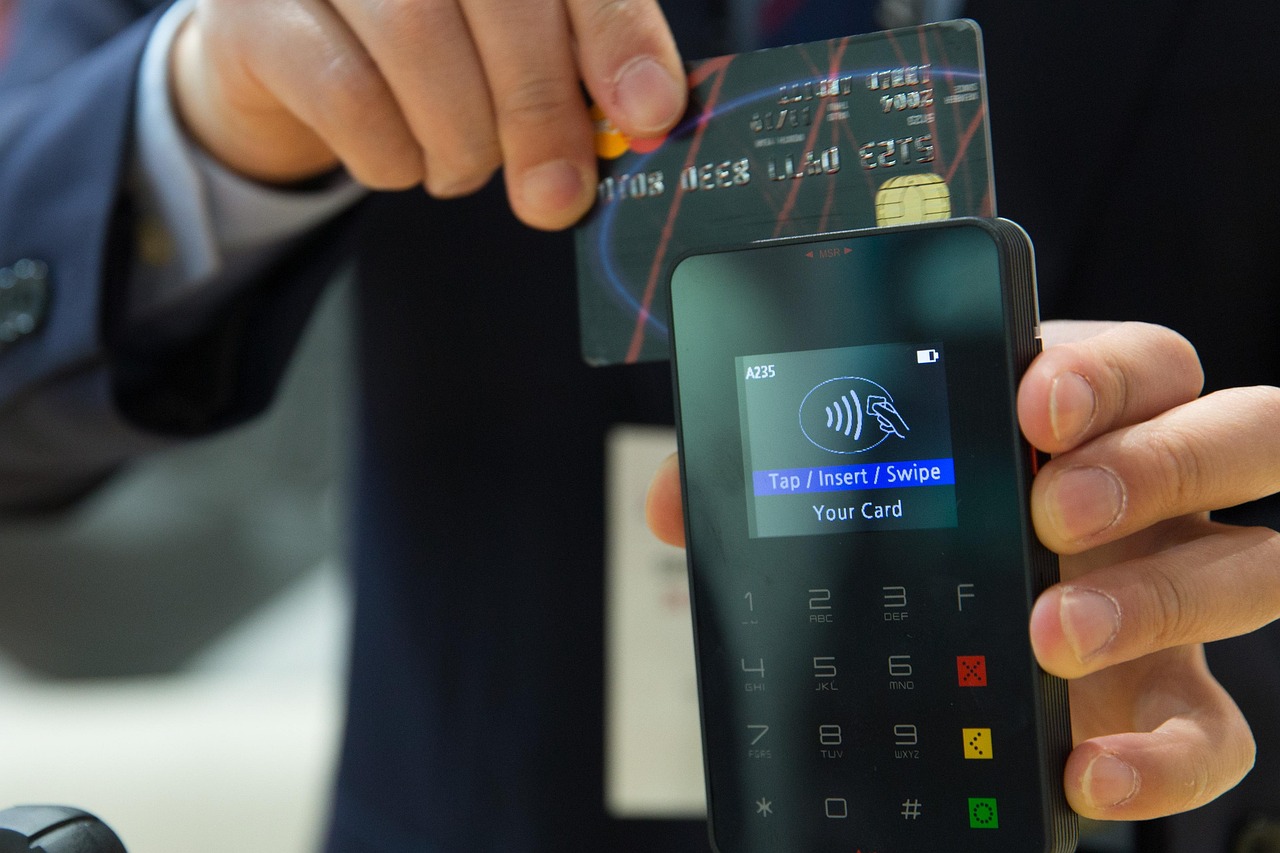
Accepting card payments is no longer optional for UK retailers — it's the baseline expectation of every modern shopper. The right card payment machine reduces friction at the checkout, protects you from chargebacks, and — when properly integrated with your EPOS system — gives you real-time data on every sale. This guide cuts through the noise to help you identify the terminal setup that genuinely fits your shop, your transaction volumes and your budget.
Why the Card Terminal Decision Matters More Than Most Retailers Realise
A card machine is not a commodity. The wrong choice costs you in transaction fees compounded across thousands of sales, in downtime during busy periods, and in the hidden friction of a system that doesn't talk to your stock management or reporting software. UK retailers operating on thin margins need a setup that is fast, reliable, PCI-DSS compliant, and priced fairly for their turnover — not one that looked cheap on the tin.
The Payment Systems Regulator (PSR) actively monitors interchange fees and card scheme rules in the UK. Retailers are well within their rights to question contract terms and shop around. Understanding the landscape before you sign anything is time well spent.
Types of Card Payment Machine Available to UK Retailers
There is no single "best" terminal in isolation — the right type depends on your shop layout, mobility requirements and EPOS setup. The main categories are:
Countertop Terminals
Wired (typically Ethernet or dial-up) and fixed to the checkout desk. Reliable, cost-effective and ideal for single-lane retail environments such as convenience stores, off licences and independent fashion boutiques where the customer always comes to the till. Battery failure is never a concern.
Wireless and Portable Terminals
Connect via Wi-Fi or GPRS/4G and untether the payment point from the desk entirely. Useful for larger floor spaces, market stalls, pop-up retail or anywhere staff need to take payment tableside or across a showroom. If portability is your priority, our dedicated guide to the best wireless card machines for small businesses in the UK explores this category in depth.
Mobile Card Readers
Compact Bluetooth devices paired with a smartphone or tablet. Entry-level cost, genuinely portable, but transaction fees are often higher and integration with full EPOS software is limited. Best suited to very low-volume sellers or market traders rather than established shops.
Integrated EPOS Terminals
A card payment module built into or directly paired with your EPOS touchscreen till, so the sale amount is sent automatically from your POS software to the terminal — no manual entry, no keying errors, full end-of-day reconciliation in one place. This is the standard that growing retailers should be working towards.
Key Features to Look for in a Retail Card Terminal
- Contactless and NFC support: Mandatory in modern retail. Ensure the device supports Apple Pay, Google Pay and standard contactless as well as chip-and-PIN.
- Connection redundancy: A terminal that can fall back from Wi-Fi to 4G (or vice versa) prevents lost sales during outages.
- Receipt printing options: Integrated thermal printer, external printer pairing, or digital receipt by SMS/email — confirm which your workflow needs.
- Transaction speed: Aim for sub-five-second card processing. In a queue-heavy environment, slow terminals directly erode customer satisfaction.
- PCI-DSS compliance: Non-negotiable. Verify the device and your payment processor are compliant. Your acquiring bank or processor should confirm this in writing.
- EPOS integration API: If you run dedicated retail software, confirm the terminal integrates natively rather than requiring a workaround. More on this in the section below.
- Screen visibility: A customer-facing display builds trust and reduces disputes — particularly valuable in busy retail environments.
- Tipping and split-payment support: Less critical in pure retail than hospitality, but useful for gift-card splitting or mixed-tender transactions.
How Card Payment Machines Integrate with Your EPOS System
Integration is where the real efficiency gains live. A standalone terminal that requires manual entry of every transaction amount introduces human error, slows down checkout and makes end-of-day reconciliation a manual headache. A properly integrated setup means:
- The till software sends the exact amount to the terminal automatically
- Payment confirmation returns to the EPOS to close the sale and update stock
- All transaction data flows into your reporting dashboard without re-entry
- Refunds can be initiated directly from the EPOS interface
Not all EPOS platforms integrate with all terminal brands, so matching the two is essential before purchasing. Our comprehensive guide to the best EPOS systems with integrated card payments in the UK covers the leading solutions side by side. If you're currently running an older cash register and are weighing the move to a full EPOS setup, the practical steps are laid out in our guide on how to switch from a cash register to a modern EPOS system.
At EPOS Direct UK, our retail EPOS software is built with card payment integration at its core. You can request a retail EPOS software demo to see exactly how the payment flow works in practice before committing to any hardware.
Transaction Fees and Contract Costs: What UK Retailers Actually Pay
This is the question every retailer asks — and rarely gets a straight answer on. The honest picture is that costs vary materially based on your monthly turnover, card mix and negotiating position. Here is a realistic framework:
Typical Transaction Fee Ranges
- Consumer debit cards: Interchange-regulated in the UK, so underlying interchange is capped. Effective rates through a merchant services provider typically fall between roughly 0.3% and 0.7% per transaction for established businesses.
- Consumer credit cards: Higher interchange, typically resulting in effective rates in the range of 0.6% to 1.5% for most UK retailers.
- Business and corporate cards: These are not subject to interchange regulation and can carry meaningfully higher rates — always check your pricing schedule.
- Flat-rate pricing (common with mobile readers): Often quoted as a single percentage (for example, around 1.5% to 1.75%) regardless of card type. Simpler to predict but frequently more expensive for higher-volume retailers.
Hardware and Monthly Costs
- Entry-level mobile card readers: typically available for a one-off cost of under £50, though per-transaction fees are often higher to compensate.
- Mid-range countertop or wireless terminals (standalone): typically from around £100 to £250 to purchase outright, or available on rental from approximately £15 to £30 per month.
- Integrated EPOS terminal packages (hardware plus software): monthly subscription models typically range from roughly £30 to £80 per month depending on features and support levels. Outright purchase options exist for businesses that prefer to own their equipment. Our article on monthly EPOS subscription vs outright purchase helps you work through which model suits your business.
All figures above are indicative market ranges for guidance only and should not be taken as quotes. Always request a formal written quote from any provider, confirm all fees in the contract, and check for minimum monthly charges, PCI compliance fees and chargeback handling costs before signing.
Card Payment Machine Options Compared: A Retail Decision Framework
Rather than ranking devices by brand name (which changes faster than any article can be updated), the table below compares the four main solution approaches against the criteria that matter most to UK retailers:
| Solution Type | Best For | Typical Upfront Cost | EPOS Integration | Mobility | Fee Structure |
|---|---|---|---|---|---|
| Countertop (wired) | Single-lane fixed checkout | ~£100–£250 to buy | Good — widely supported | None | Interchange-plus or blended |
| Wireless / portable terminal | Larger retail floor, multi-checkout | ~£150–£300 to buy | Good — widely supported | High (Wi-Fi / 4G) | Interchange-plus or blended |
| Mobile card reader (Bluetooth) | Market traders, pop-ups, very low volume | Under £50 | Limited — app only | Very high | Flat-rate (often higher %) |
| Integrated EPOS terminal | Established shops wanting full data flow | Part of EPOS package | Native / seamless | Countertop or wireless | Negotiated merchant rate |
Questions Retailers Commonly Get Wrong Before Buying
"Can't I just use the cheapest reader I can find?"
You can — but "cheap" hardware often comes with higher per-transaction fees that cost far more over a year than a modestly priced integrated terminal with a competitive merchant rate. Run the maths on your actual monthly card turnover before deciding. A retailer processing £15,000 per month in card sales can see a meaningful difference even between a 0.1% fee variation.
"Does the terminal brand matter, or is it all the same underneath?"
Brand matters primarily in the context of software integration, support quality and reliability track record. The underlying payment networks (Visa, Mastercard) are standardised — but the speed of processing, the quality of the integration API and the responsiveness of the provider when something goes wrong vary considerably. Choose a provider, not just a device.
"What happens if my card machine goes offline during a busy period?"
Confirm before purchase whether the terminal supports offline card acceptance (where approved transactions are stored and submitted when connectivity returns) and what the liability rules are during that window. Not all terminals or processors offer this, and policies differ. For shop types with high transaction density — such as off licences or convenience stores — this is a non-negotiable question to ask. Our guide to the best till systems for off licences in the UK addresses resilience requirements specific to that retail environment.
How to Choose the Right Setup for Your Retail Business
The honest answer is that the best card payment setup for your shop is the one that integrates cleanly with your EPOS software, costs a fair effective rate for your actual card mix, and is supported by a provider who picks up the phone when something goes wrong. Start with these steps:
- Audit your current card volumes: How much do you take by card per month, and what proportion is contactless vs chip-and-PIN vs online? This determines which fee model is most competitive for you.
- Confirm EPOS compatibility first: Speak to your EPOS provider before selecting a terminal. Integrated payment is far preferable to a standalone setup. Explore what's available on the EPOS Direct UK home page for current offers and configuration options.
- Compare total cost of ownership: Hardware cost plus monthly rental plus per-transaction fees plus any PCI fee. Ask every provider to quote on the same basis so you're comparing like with like.
- Read the contract carefully: Note minimum contract length, notice periods, early termination fees and minimum monthly transaction charges. These are where unexpected costs hide.
- Test before committing: Any reputable provider should offer a demo. Request a free demo from EPOS Direct UK to see how integrated card payments work within a full retail EPOS environment.
If you're assessing how our system compares against alternatives, our complete comparison guide sets out the differences in a straightforward, honest format.
Making Your Final Decision
For most established UK retail shops, the right answer is an integrated EPOS terminal — one where the payment machine and the till software work as a single system, giving you fast checkouts, accurate stock data and clean financial reporting without manual reconciliation. Mobile readers suit the very smallest or most mobile operations; countertop and wireless terminals fit the middle ground well when paired with compatible EPOS software.
The EPOS Direct UK team works with independent retailers across the country every day, helping them match the right card payment hardware to their specific business. Whether you run a single boutique or a small chain, we can help you build a setup that's reliable, fairly priced and built to grow with you. Talk to an expert online or explore our retail EPOS offers to take the next step.
Written by the EPOS Direct UK team, who help UK retailers select, configure and support EPOS and card payment systems every day.
Frequently asked questions
- What is the difference between a standalone card terminal and one integrated with an EPOS system?
- A standalone card terminal processes payments independently, meaning staff must manually key in totals — which slows checkout and increases human error. An integrated card terminal connects directly to your EPOS system so the sale total is sent automatically, reducing mistakes, speeding up service and keeping your sales data in one place. For most retail shops, integrated terminals are the smarter long-term choice.
- How much does a card payment machine typically cost for a UK retail shop?
- Costs vary depending on the type of terminal and provider. In the UK, a basic countertop card machine can cost anywhere from £0 upfront on a rental contract (typically £15–£30 per month) to £150–£300 to purchase outright. Portable and mobile terminals sit in a similar range. On top of hardware, you will pay transaction fees, usually between 0.3% and 1.75% per transaction depending on your card mix and monthly volume. Bundled EPOS and payment packages from providers like EPOS Direct UK can offer better overall value than sourcing hardware and payment processing separately.
- Can I use any card payment machine with my existing till system?
- Not always. Many card terminals only integrate cleanly with specific EPOS platforms via certified payment APIs or direct integrations. Before committing to a terminal, confirm it is compatible with your till software. EPOS Direct UK supplies card payment hardware pre-configured to work with their EPOS systems, removing the guesswork and avoiding costly integration issues.
