We use cookies to make your experience better.
To comply with the new e-Privacy directive, you agree to the privacy policy and our use of cookies


The Best Card Payment Machines for Small Businesses in the UK
The Best Card Payment Machines for Small Businesses in the UK
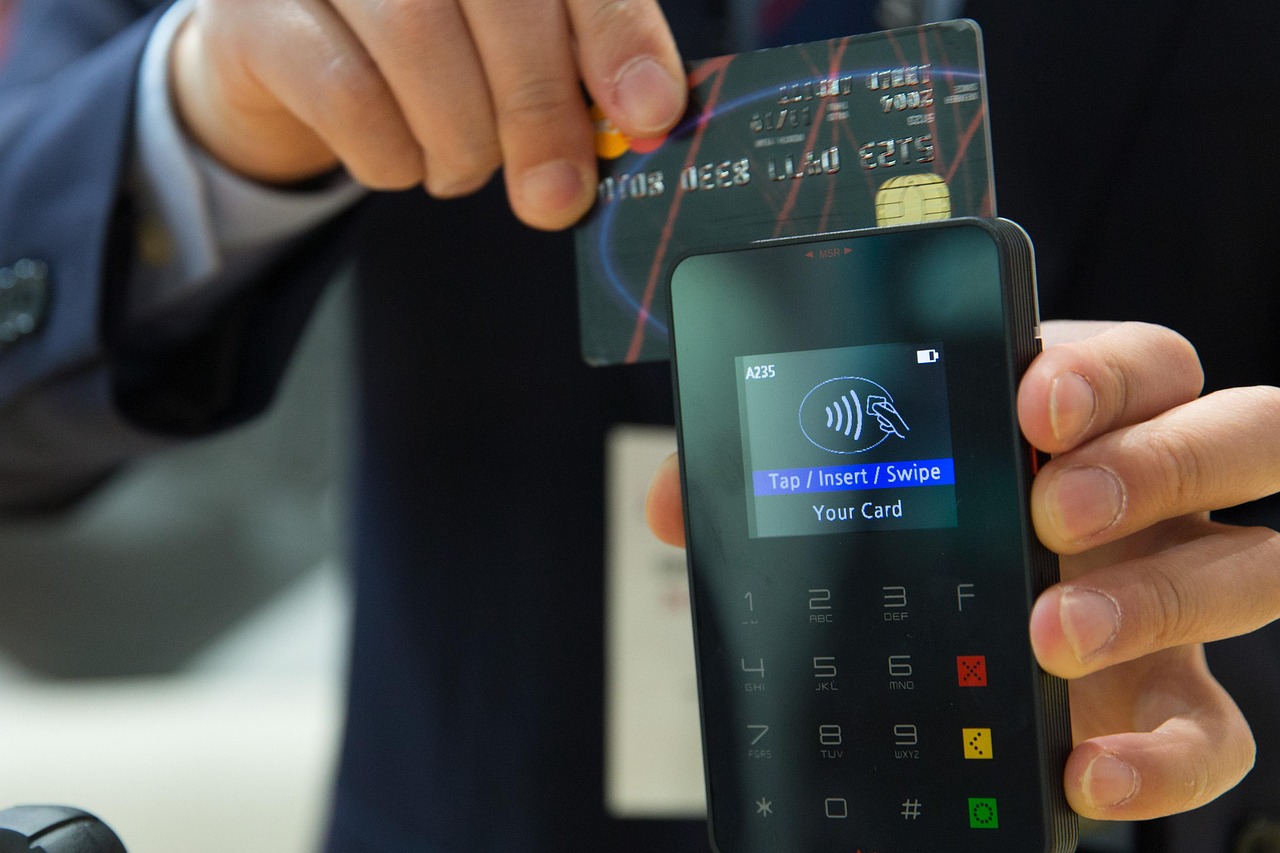
Choosing the right card payment terminal is one of the most consequential decisions a small business owner makes — it affects every transaction, every customer interaction, and a meaningful slice of monthly overheads. The good news is that the UK market in 2024 offers more genuinely excellent options than ever before, from compact mobile readers that fit in a jacket pocket to fully integrated countertop terminals that talk directly to your till. This guide cuts through the noise, giving you a clear, practical framework for selecting the terminal that best fits your trading environment, cost appetite, and growth plans.
What to Look for in a Card Machine as a Small Business
Before comparing specific terminals, it pays to understand which attributes actually matter for a business at your stage. Many providers lead with hardware aesthetics or headline transaction rates; the criteria below are what experienced operators — and the team at EPOS Direct — consistently find to be decisive in the real world.
Accepted payment methods
A modern terminal must accept chip-and-PIN, contactless (including Apple Pay and Google Pay), and magnetic stripe as a baseline. If you serve international visitors or corporate clients, look for Amex acceptance too. Contactless limits in the UK were raised to £100 per transaction in 2021, meaning a significant proportion of everyday purchases now complete without a PIN entry — so contactless reliability is non-negotiable.
Settlement speed
How quickly funds land in your account varies considerably between payment providers. Some settle within one business day; others take two to three. For cash-flow-sensitive businesses — hospitality, market traders, independent retailers — next-day settlement can make a real operational difference. Always confirm the settlement timeline before signing any agreement.
Connectivity and reliability
Consider where the terminal will actually be used. A countertop machine in a fixed location can rely on your broadband, but a portable device serving tables or a mobile unit attending events needs robust 4G or dual-SIM capability. Battery life matters for mobile traders: look for terminals rated at a full trading day on a single charge.
Receipt options
Digital receipts sent by email or SMS reduce paper costs and feed into CRM data capture — valuable for marketing. Confirm whether your terminal supports paperless receipts natively, or whether that requires an integration with your EPOS software.
Integration capability
A standalone card machine that does not talk to your till creates double-keying, reconciliation headaches and slower service. This is the single most overlooked consideration for growing businesses. See the complete guide to combining a card machine and till system for a thorough breakdown of how these two components should work together.
Types of Card Payment Terminals: Countertop, Portable and Mobile
Countertop terminals
Designed for a fixed service point — a shop counter, reception desk, or bar — countertop terminals connect via Ethernet or Wi-Fi and typically offer the most stable connection and longest operational life. They are generally the most cost-effective option per transaction for businesses with consistent footfall at a single location.
Portable (cordless) terminals
Portable terminals use Wi-Fi or Bluetooth to roam within a defined area — ideal for restaurants taking payment at the table, hotels processing check-out across a reception area, or salons where the stylist brings the terminal to the client. Battery life typically ranges from eight to twelve hours of active use. For a detailed assessment of this category, the guide to wireless card machines for small businesses is worth reading alongside this article.
Mobile (SIM-enabled) terminals
Mobile terminals carry their own 4G SIM and require no Wi-Fi infrastructure at all — the natural choice for market traders, food-truck operators, mobile tradespeople, and pop-up retailers. Some providers offer dual-SIM devices that automatically switch networks for coverage resilience. The trade-off is typically a slightly higher transaction fee to offset connectivity costs.
| Terminal type | Best suited to | Connectivity | Typical monthly cost range | Key consideration |
|---|---|---|---|---|
| Countertop | Retail, pharmacy, fixed hospitality | Ethernet / Wi-Fi | Typically £15–£35/month | Most stable; requires fixed location |
| Portable / wireless | Restaurants, salons, hotels | Wi-Fi / Bluetooth | Typically £20–£40/month | Freedom within premises; battery-dependent |
| Mobile (SIM-enabled) | Markets, food trucks, mobile trades | 4G / dual-SIM | Typically £20–£45/month | Works anywhere; SIM data cost included or extra |
| EPOS-integrated terminal | Retail, hospitality, pharmacy | Ethernet / Wi-Fi / 4G | Part of broader EPOS package | Eliminates double-keying; unified reporting |
Costs shown are indicative market ranges for the UK and will vary by provider, transaction volume and contract length. They are not quotes.
Top Card Payment Machines Suited to UK Small Businesses
Rather than ranking by brand name — which can mislead when the right terminal depends entirely on your context — the following profiles describe the categories of solution that consistently serve UK small businesses well, and what to prioritise within each.
Integrated EPOS terminals
For any business already running, or planning to run, a point-of-sale system, an integrated terminal is almost always the superior long-term investment. Payment data flows automatically into your EPOS — stock levels update, Z-reports balance instantly, and end-of-day reconciliation takes minutes rather than an hour. The guide to EPOS systems with integrated card payments explains precisely how this integration works and what to check before committing to a provider.
Android-based smart terminals
The newer generation of Android-powered smart terminals — touchscreen devices running downloadable apps — bridges the gap between a traditional card machine and a lightweight EPOS. They can run inventory apps, loyalty programmes, and reporting dashboards. Ideal for businesses that want more than a basic terminal without investing in a full countertop EPOS setup.
Compact mobile readers
Small Bluetooth or 4G readers paired with a smartphone or tablet suit sole traders and micro-businesses with lower transaction volumes. They typically carry no monthly fee in exchange for a higher per-transaction percentage. If no monthly fee is a hard requirement, review the options for card machines with no monthly fee before deciding — the maths does not always favour the pay-per-use model once volume grows.
How Card Machines Integrate with Your EPOS or Till System
Integration — the ability of your card terminal and your till or EPOS to communicate in real time — is not a luxury feature; it is an operational necessity for any business processing more than a handful of transactions a day. When the two systems are joined, the cashier sends the basket total directly to the terminal, the customer taps or inserts their card, and the authorisation flows back automatically. There is no manual re-entry of amounts, no mismatch risk, and no delay.
Beyond speed, integrated payment unlocks consolidated reporting: every sale, refund and card-type split appears in one dashboard, making VAT returns simpler and giving you a genuinely accurate picture of trading performance. For businesses considering upgrading their entire point-of-sale setup, the practical buyer's guide to till systems for small businesses covers the hardware and software questions in full.
Integration is achieved through payment APIs or certified middleware supplied either by the terminal provider, the EPOS software vendor, or both. Always ask prospective suppliers: "Which card terminal providers are natively certified with your EPOS software?" — and get the answer in writing.
Understanding Transaction Fees, Contracts and Hidden Costs
Pricing in the UK card payment market is genuinely complex, and many small business owners underestimate total cost of ownership by focusing on the headline transaction rate. The real question is: what will I actually pay per month once all charges are included?
Transaction fees
Consumer debit card transactions are typically priced at a flat rate or a small percentage of the transaction value. Credit card rates are usually higher. Business and corporate cards carry a premium — often significantly so — under interchange-based pricing models. Under UK regulation (confirmed by the Payment Systems Regulator), interchange fees on consumer cards are capped, but acquirer margins vary widely. Always request a full rate card covering consumer debit, consumer credit, business cards, and international cards.
Monthly rental or subscription fees
Most providers charge a monthly terminal rental or software subscription. Indicative ranges for the UK market: entry-level terminals from approximately £15 per month; mid-range integrated solutions typically £25–£50 per month; full EPOS packages with integrated payments from around £50 per month upwards depending on features and number of terminals. These are market-wide approximations — your actual quote will depend on volume, contract length, and the specific hardware you select.
Contract length and exit fees
Standard contracts run 12 to 36 months. Longer terms often secure better rates but carry early-termination charges that can be substantial. Rolling monthly agreements offer flexibility at the cost of higher per-transaction rates. Read the termination clause before signing anything.
Charges that catch businesses out
- PCI DSS compliance fees — some providers charge a separate annual or monthly fee for Payment Card Industry Data Security Standard compliance. Verify whether this is included or billed separately.
- Chargeback administration fees — a charge applied each time a customer disputes a transaction.
- Minimum monthly service charges — if your transaction fees do not reach a specified floor, some acquirers top up to that floor automatically.
- Paper roll and consumables — minor individually, but worth factoring into the monthly total.
- SIM data charges — on mobile terminals, confirm whether 4G data is included in the rental or billed separately.
For the most transparent view of what a full card-enabled EPOS setup costs, explore the guide to affordable EPOS systems for small businesses, which addresses value-for-money options without sacrificing capability.
Which Card Machine Suits Your Business Type?
Independent retailers
A countertop or Android smart terminal integrated with retail EPOS software is usually the optimal configuration — stable, fast, and able to update stock in real time at the point of sale. Businesses selling across a physical store and an online shop should prioritise a provider whose card terminal integrates with their e-commerce platform as well. Browse EPOS Direct's full range of offers and solutions for retail-specific configurations, or go directly to the retail EPOS offers page to see current packages.
Restaurants, cafés and bars
Table-service environments call for portable terminals that accept payment tableside — reducing walk-backs to the counter and improving customer experience. Integration with kitchen display systems and reservation software adds further operational value. The hospitality and restaurant EPOS offers from EPOS Direct are tailored to exactly this environment. A restaurant EPOS software demo is a practical way to see the payment flow in action before committing.
Mobile and market traders
A 4G-enabled mobile terminal — or a smart terminal with its own SIM — is the natural choice, prioritising coverage over all other factors. Battery stamina across a full trading day is critical; ask for independent verification of quoted battery life, not just the manufacturer's figure.
Service businesses and trades
Plumbers, electricians, beauticians and similar sole traders typically need a compact device that connects to a smartphone and generates digital receipts. Low upfront cost and a simple monthly or pay-as-you-go structure suits variable income patterns.
Pharmacies and healthcare retail
Pharmacies benefit from EPOS integration that links payments directly to dispensing and stock management workflows. If this applies to you, the pharmacy EPOS software demo is a relevant starting point for understanding how card payment fits into a compliant, regulated retail environment.
Getting Started with Card Payments Through EPOS Direct
EPOS Direct has helped thousands of UK businesses design payment and EPOS setups that genuinely fit their trading model — not a generic package dressed up as bespoke. The process begins with understanding your business: transaction volumes, trading environment, existing hardware, and growth plans. From there, the right terminal type, connectivity model, and integration approach become clear choices rather than guesswork.
If you are at the research stage, the complete guide to EPOS systems for small businesses and the broader EPOS Direct guide to POS systems for UK businesses provide the deeper context behind the recommendations in this article. When you are ready to explore specific options, talk to an expert online — the team can answer questions about card machine compatibility, integration, and pricing without any obligation.
Businesses that prefer to see the system working before any conversation can request a free demo, which covers both the hardware and the EPOS software in a live environment. For those who would rather start with a call, request a call back and a specialist will be in touch at a time that suits your schedule.
The Bottom Line
The right card payment terminal for a UK small business is not the one with the lowest advertised rate or the sleekest design — it is the one that integrates cleanly with your till system, settles funds promptly, handles the payment types your customers prefer, and fits your monthly cost structure without surprises. For most businesses, an integrated EPOS and payment solution delivers the clearest long-term value: faster service, accurate reporting, and a single point of accountability when things need resolving.
EPOS Direct specialises in exactly this kind of joined-up solution for UK retailers, restaurants and independent businesses. If you are ready to find the setup that fits your business, talk to an expert at EPOS Direct today — no jargon, no pressure, just practical guidance from a team that works with small business owners every day.
Written by the EPOS Direct UK team, who help UK businesses select, install and operate EPOS and card payment systems every day.
Frequently asked questions
- How much does a card payment machine typically cost for a small business in the UK?
- Costs vary depending on the type and provider. A basic mobile card reader can start from around £20–£50 as a one-off purchase with pay-as-you-go transaction fees of 1.5–2.5%. Dedicated countertop or portable terminals from merchant service providers are often supplied free on a contract, but monthly fees typically range from £15 to £40 plus per-transaction rates of 0.3–1.5% depending on card type. Integrated terminals that connect to an EPOS system may have a higher upfront cost but reduce manual errors and speed up checkout, delivering better long-term value for growing businesses.
- Can I use a card machine without a full EPOS system?
- Yes, standalone card terminals work independently and simply process payments via a merchant account. However, pairing your card machine with an EPOS system means sales data, stock levels and receipts are all synced automatically. For small businesses planning to grow, an integrated setup from a provider like EPOS Direct saves time and reduces the risk of reconciliation errors at the end of each day.
- What is the difference between a portable and a mobile card machine?
- A portable card machine connects to your broadband via Bluetooth or Wi-Fi and is designed for use within your premises — ideal for table-side payments in a restaurant or roaming around a shop floor. A mobile card machine uses a SIM card and works anywhere with a mobile signal, making it perfect for market traders, delivery drivers or pop-up businesses. Both accept chip and PIN, contactless and mobile wallet payments like Apple Pay and Google Pay.
