We use cookies to make your experience better.
To comply with the new e-Privacy directive, you agree to the privacy policy and our use of cookies


Top EPOS Systems for Fast Food Restaurants in the UK: What to Look For and Who Delivers
The Best EPOS Systems for Fast Food Restaurants in the UK

For fast food operators across the UK, the EPOS system sitting at the heart of your counter is not merely a till — it is the operational engine that determines how quickly customers are served, how accurately orders reach the kitchen, and how confidently you can manage margins at pace. The right hospitality EPOS platform combines speed, reliability, and deep integration with the tools fast food businesses depend on, from kitchen display screens to delivery aggregators. This guide sets out exactly what to look for, what to expect to pay, and how to make a confident buying decision.
Why Fast Food Restaurants Need a Specialist EPOS System
A generic retail till will process a transaction, but it cannot manage the particular pressures of a fast food environment: high volume, rapid order customisation, split-second kitchen communication, and the increasingly complex demands of multi-channel ordering. Fast food outlets — whether a single-site takeaway, a burger counter in a food hall, or a growing QSR chain — need technology built specifically for hospitality workflows.
The difference shows up immediately in practice. A hospitality-grade EPOS system allows staff to fire orders directly to a kitchen display system (KDS) the moment they are placed, eliminating handwritten tickets and the errors that come with them. It handles modifiers and upsells cleanly — extra sauce, no onions, meal deal upgrades — without slowing the queue. It also surfaces the sales data operators need to manage food costs intelligently, from best-selling items by hour to wastage trends by day of week.
If your business is currently running on a cash register or a basic tablet solution, our guide on how to switch from a cash register to a modern EPOS system explains the practical steps involved and what to expect from the transition.
Key Features to Look for in a Fast Food EPOS System
Not every feature marketed to hospitality businesses is equally relevant to fast food. The list below reflects what genuinely matters at the counter and in the kitchen, based on the real-world requirements of UK quick-service operators.
Speed and Simplicity at the Point of Sale
- Touchscreen interface with large, logical menu buttons — staff should be able to place a complete order in seconds, not navigate a complex menu tree.
- Quick item lookup and barcode scanning — useful for packaged products, meal deals, and loyalty card items.
- Table and order management — even in counter-service environments, the ability to hold, split, and recall orders without losing them is essential during a rush.
Order Routing and Kitchen Integration
- Kitchen display system (KDS) compatibility — orders appear instantly on a screen in the kitchen, colour-coded by priority and time elapsed, removing reliance on printed or verbal tickets.
- Order bumping and prep-time management — kitchen staff can mark items as ready and clear completed orders without leaving their station.
- Receipt and label printing — for bagged orders, click-and-collect, and allergy information compliance.
Reporting and Stock Management
- Real-time sales dashboards — understand peak periods, item performance, and hourly revenue without waiting for an end-of-day report.
- Ingredient-level stock depletion — the system should reduce stock as items are sold, alerting you before popular items run out mid-service.
- Staff performance reporting — cover counts, average transaction values, and upsell rates by team member.
How EPOS Systems Speed Up Service and Reduce Errors
Speed of service is the single most visible competitive differentiator in fast food. Every second saved between a customer reaching the counter and receiving their order represents both a better experience and greater throughput per hour. A well-configured EPOS system creates three layers of operational improvement.
Fewer input errors. Digital order routing eliminates the risk of a handwritten ticket being misread or lost. Kitchen staff see exactly what was ordered, including every modifier, and can query ambiguous items before cooking begins — not after.
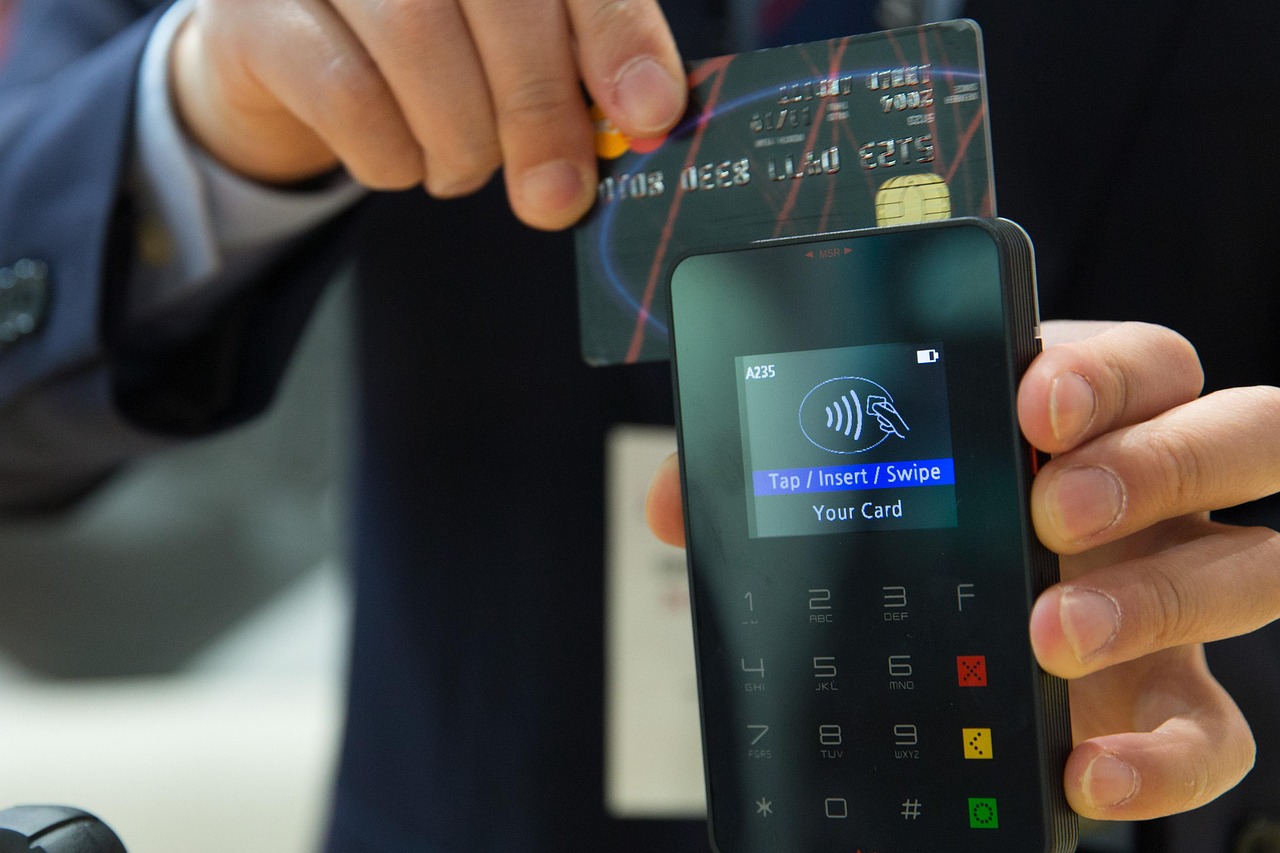
Faster payment processing. Integrated card payments mean the terminal and the till communicate automatically; there is no manual amount entry, no mismatch, and no double-handling of receipts. For busy counters, this alone can meaningfully reduce average transaction time. Our overview of card machine and till system combinations explains how integrated payment hardware works and why separation between the two creates unnecessary friction.
Smarter upselling. Prompted upsell screens — "Add a drink for £X?" — are presented to staff at the right point in the order flow, making consistent upselling a feature of the system rather than a skill that varies by team member.
Integrations That Matter: Kitchen Display, Online Orders and Payment Terminals
Modern fast food operations rarely run on a single revenue channel. Alongside walk-in customers, most sites now handle phone orders, website orders, and orders from delivery aggregators such as Deliveroo, Uber Eats, and Just Eat. Managing these channels through separate devices — a tablet for each platform, a separate system for walk-ins — creates a fragmented, error-prone operation. The right EPOS platform consolidates everything.
Delivery and Online Order Integration
Look for an EPOS system that integrates natively with major delivery platforms, automatically pushing orders into the same kitchen queue as counter orders. This removes the need for a staff member to manually re-enter delivery orders and ensures kitchen throughput is managed holistically. Some operators also use their EPOS software to power their own branded ordering website, avoiding aggregator commission fees on direct orders.
Payment Terminal Integration
Contactless and card payments now account for the majority of fast food transactions in the UK. An integrated payment terminal — one that communicates directly with the EPOS software — is faster, less error-prone, and produces cleaner reconciliation data than a standalone card machine. For businesses comparing their options here, our guide to EPOS systems with integrated card payments covers the key considerations in detail.
Self-Order Kiosks and Customer-Facing Displays
Self-service kiosks are increasingly viable for fast food sites of all sizes. Customers place and customise their own orders, freeing counter staff to focus on preparation and service. Where kiosks are integrated with the core EPOS platform, orders flow seamlessly into the kitchen queue with no additional configuration required.
To explore the full range of software capabilities available, you can view our restaurant EPOS software demo and see how these integrations work in practice before committing to a system.
EPOS System Costs for Fast Food Businesses in the UK
One of the most common questions from operators considering an upgrade is what a quality hospitality EPOS system actually costs. The honest answer depends on the size of your operation, the number of terminals, and the features you need — but the table below gives realistic indicative ranges for the UK market.
| Setup Type | Typical Monthly Cost (Indicative) | Typical Hardware Cost (Indicative) | Best For |
|---|---|---|---|
| Single terminal, basic software | Typically from £30–£60/month | Typically from £300–£700 | Single-site takeaways, market stalls, food kiosks |
| Single terminal, full hospitality suite | Typically £60–£120/month | Typically £500–£1,200 | Independent fast food outlets, cafés, sandwich bars |
| Multi-terminal with KDS | Typically £120–£250/month | Typically £1,200–£3,000 | Busy counters, dual prep stations, dual-site operators |
| Full multi-site / franchise setup | Typically £250+/month | Typically £3,000+ | QSR chains, franchise groups, multi-location operators |
All figures are indicative guidance for the UK market only and will vary based on supplier, specification, and any promotional offers at the time of enquiry. They should not be taken as formal quotations.
Beyond the upfront costs, it is worth considering whether a monthly subscription model or an outright purchase better suits your cash flow. Our in-depth comparison of monthly EPOS subscriptions versus outright purchase walks through the pros, cons, and break-even considerations for each approach.
Why EPOS Direct Is a Trusted Choice for UK Fast Food Operators
EPOS Direct has been supplying point-of-sale technology to UK businesses across retail, hospitality, and specialist sectors for many years. For fast food operators specifically, the combination of purpose-built restaurant EPOS software, integrated payment processing, and dedicated UK-based support makes it a practical choice for businesses that cannot afford downtime during a lunch rush.
The platform supports kitchen display system integration, delivery aggregator connections, self-service kiosk functionality, and detailed back-office reporting — all managed from a single, cloud-connected software environment. Hardware is sourced, configured, and supplied ready to use, with ongoing support available from a team that understands the specific pressures of running a fast food business in the UK.
You can browse current packages and pricing on the hospitality and restaurant EPOS offers page, or explore the full range of products and services on the EPOS Direct UK home page. For operators who prefer to speak directly with someone before making a decision, the option to talk to an expert online connects you with a specialist who can advise on the right configuration for your specific site.
For those already researching how EPOS Direct compares with alternatives in the market, our EPOS Direct vs competitors guide offers a detailed, honest comparison of what differentiates the platform from other UK providers.
Written by the EPOS Direct UK Team
This guide was produced by the EPOS Direct UK team, who work daily with UK restaurant and hospitality operators to design, install, and support EPOS systems across a wide range of fast food and QSR environments. The guidance reflects practical, real-world experience rather than generalised industry commentary.
How to Choose the Right EPOS System for Your Restaurant
With the market offering a wide range of hardware configurations and software platforms, the decision can feel overwhelming. In practice, it comes down to a structured set of questions that quickly narrow the field.
Questions Worth Asking Before You Commit
- How many order points do you need to serve simultaneously? A single counter needs one terminal; a multi-lane operation or a site with a drive-through or self-order kiosk needs a networked multi-terminal setup from day one.
- Which delivery platforms do you currently use — and which do you plan to add? Confirm that any system you evaluate integrates natively with your aggregators, rather than relying on a workaround tablet arrangement.
- What level of reporting do you genuinely need? Basic operators may only need daily sales summaries; growing businesses benefit from item-level profitability analysis, staff performance data, and hourly trend reporting to inform staffing decisions.
- Do you want to own the hardware outright, or prefer a managed monthly plan? Both approaches are valid; the right answer depends on your capital position and appetite for flexibility.
A Simple Decision Framework
- Single-site, lower volume: prioritise ease of use and fast onboarding. A compact touchscreen terminal with integrated payments and basic KDS is likely sufficient.
- Single-site, high volume: invest in a faster processor, dual-screen setup, and robust kitchen display integration. Payment speed and order accuracy under pressure are the critical metrics.
- Multi-site or franchise: prioritise centralised menu management, cross-site reporting, and a supplier that offers a genuine account management relationship — not just a helpline.
If you would like to see the software in action before making any commitment, you can request a free demo and one of the EPOS Direct UK team will walk you through the platform in the context of your specific operation.
The Short Answer: What Makes a Fast Food EPOS System Worth the Investment?
The best EPOS system for a fast food restaurant is one that reliably handles high transaction volumes, routes orders to the kitchen without errors, integrates with the delivery platforms you use, and gives you the reporting data to manage costs intelligently — all supported by a supplier that answers the phone when something goes wrong. For UK operators, EPOS Direct offers a platform and support model built precisely around those requirements.
Ready to Upgrade Your Fast Food EPOS Setup?
Whether you are moving away from a basic till, replacing an underperforming system, or configuring EPOS technology for a new site, EPOS Direct UK has the hardware, software, and expertise to get it right. Explore the current hospitality EPOS offers, or request a call back from a specialist who can advise on the right system for your fast food operation — with no obligation and no sales pressure.
Frequently asked questions
- What features should a fast food restaurant EPOS system have?
- A fast food EPOS system should include fast order entry with customisable menu buttons, kitchen display system (KDS) integration, split and quick-pay options, real-time stock tracking, and online order aggregator compatibility. Driver dispatch and loyalty programme support are also valuable for takeaway-heavy operations.
- How much does an EPOS system cost for a fast food restaurant in the UK?
- In the UK, a basic fast food EPOS setup typically starts from around £300 to £500 for entry-level hardware and software. A full system with touchscreen terminal, receipt printer, cash drawer and kitchen display can range from £800 to £2,000 or more depending on the number of tills and features required. Many providers, including EPOS Direct, also offer monthly payment plans to spread the cost.
- Can a fast food EPOS system handle peak-hour rush and high transaction volumes?
- Yes. A quality fast food EPOS system is specifically designed for high-volume environments. Look for systems that process transactions in under two seconds, support multiple simultaneous orders across counters or self-service kiosks, and have offline mode so service continues even if the internet drops temporarily.
