We use cookies to make your experience better.
To comply with the new e-Privacy directive, you agree to the privacy policy and our use of cookies


The Best EPOS Systems for Fish and Chip Shops in the UK
The Best EPOS Systems for Fish and Chip Shops in the UK
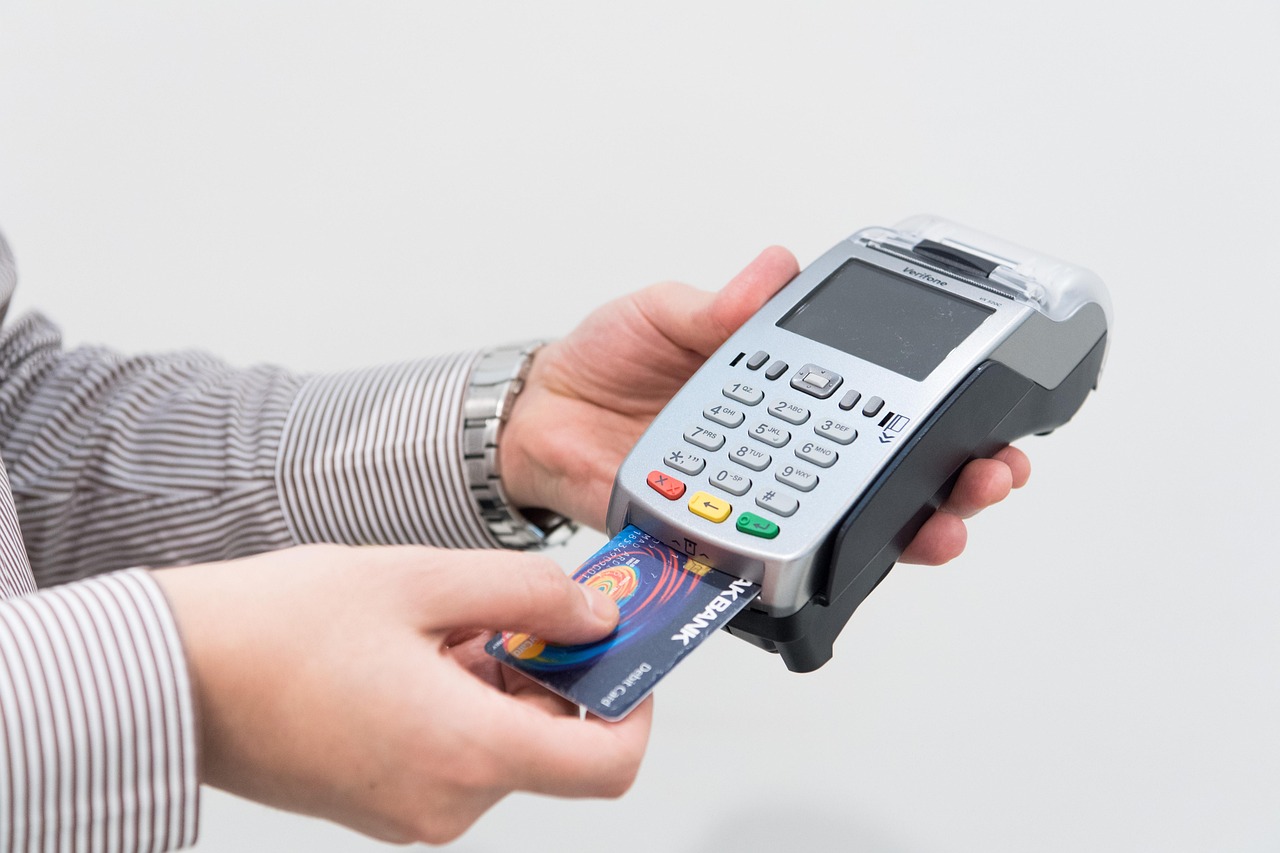
For fish and chip shops across the UK, the right point-of-sale system can be the difference between a smooth Friday-night rush and a chaotic queue stretching out the door. A purpose-built EPOS system handles the unique demands of a chippy — rapid order entry, split takeaway and eat-in workflows, cash-heavy transactions, and end-of-day reconciliation — in a way that a generic till simply cannot. This guide covers everything an owner or manager needs to know to choose, cost up, and implement the right system with confidence.
Why Fish and Chip Shops Have Unique Till Requirements
A chippy operates differently from almost every other food business. Orders are fast, portions are customisable, cash still dominates, and peak trading periods can arrive and disappear within ninety minutes. Unlike a restaurant, there is rarely a waiter taking orders at leisure; the counter team must key in orders, communicate with the fryer, process payment, and hand over food — often simultaneously across several customers.
Add to this the mix of takeaway bags, eat-in tables, phone orders, and increasingly, online ordering integrations, and the operational complexity becomes clear. A specialist hospitality EPOS system built for quick-service environments addresses all of these pressure points out of the box, rather than requiring workarounds that slow staff down.
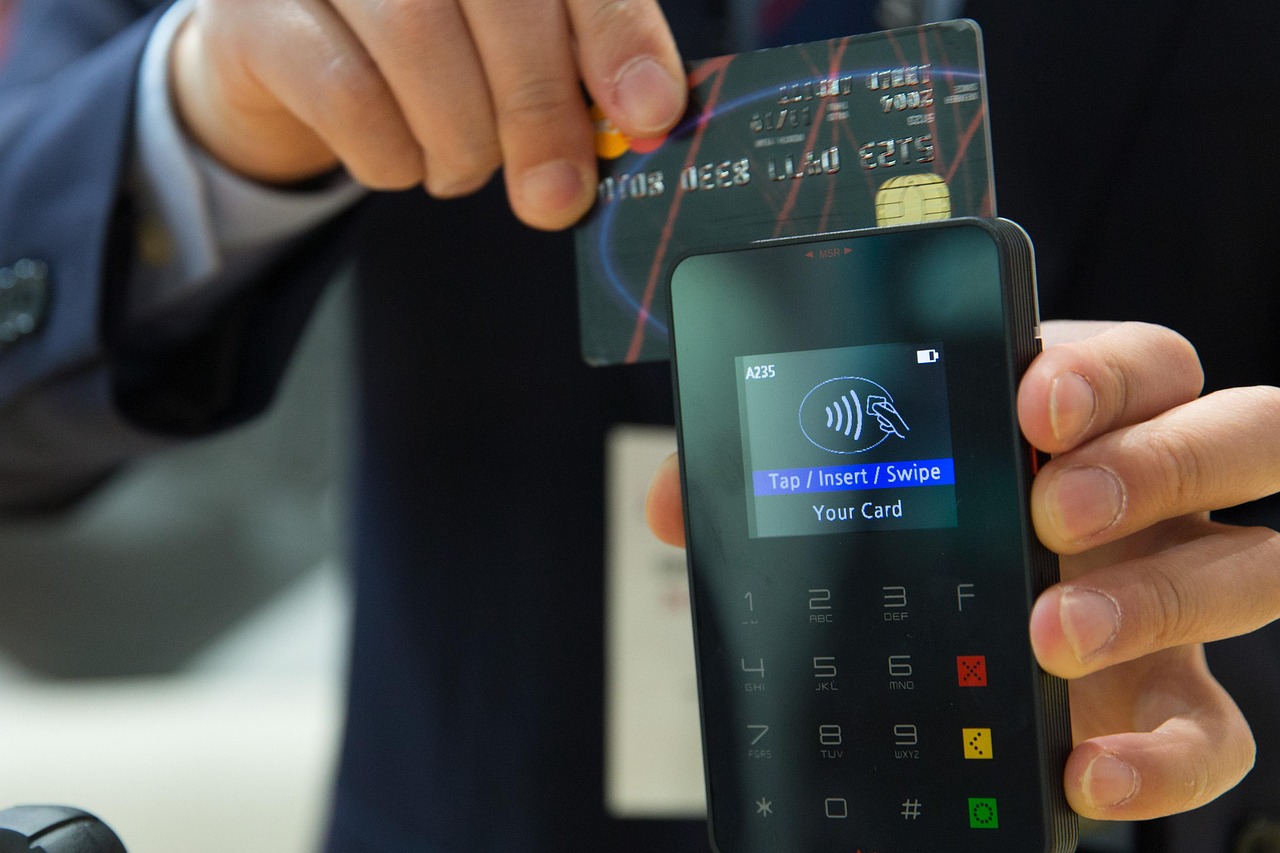
Key Features to Look for in a Chip Shop Till System
Not every EPOS platform is suited to a high-velocity counter service environment. When evaluating systems, prioritise the following:
Speed-Optimised Order Entry
- Large, colour-coded product buttons that can be tapped quickly without reading small text
- Modifier prompts for options such as salt and vinegar, curry sauce, or batter thickness — triggered automatically so nothing is forgotten
- Favourite items and meal deal bundles keyed as single-touch presets to reduce button presses during a rush
Kitchen Display and Ticket Printing
- Orders sent instantly to a kitchen display screen (KDS) or kitchen printer so fryers see the ticket the moment payment is taken or the order is placed
- Ability to route different items (e.g. cold drinks versus hot food) to separate preparation stations
Takeaway and Eat-In Order Management
- Clear on-screen distinction between takeaway, eat-in, and phone/online orders
- Table plan functionality if eat-in seating is part of the operation
- Named or numbered order tickets so staff can call customers accurately
Integrated Payment Flexibility
- Support for contactless, chip-and-pin, and cash in a single unified workflow
- Split payment handling for groups
- Seamless end-of-day cash reconciliation and till float management
Reporting and Stock Visibility
- Daily, weekly, and hourly sales breakdowns to identify your busiest periods
- Ingredient-level stock depletion so you know when you are running low on key items before service
- VAT-ready reports for simpler tax filing
How EPOS Systems Speed Up Service During the Rush
The Friday and Saturday evening rush is the defining moment for any chip shop's EPOS system. A well-configured system contributes to faster throughput in several measurable ways. Preloaded menu buttons eliminate manual price look-ups; integrated card readers mean staff do not need to switch between a till and a separate terminal; and kitchen tickets print or display the instant payment is confirmed, shaving seconds off every transaction.
Over the course of a two-hour peak, those seconds add up to a meaningfully shorter queue and a meaningfully higher number of customers served. Many operators find that upgrading from a basic cash register to a fully integrated EPOS solution increases their counter throughput noticeably — without hiring additional staff. If you are exploring how a combined till and payment terminal can work together seamlessly, our complete guide to card machine and till system combinations explains the options in detail.
Managing Takeaway and Eat-In Orders From One Screen
A growing number of fish and chip shops offer both a takeaway counter and a small eat-in area. Managing both from a single screen — without printing separate dockets, running separate systems, or confusing the kitchen — requires an EPOS platform designed for multi-mode service.
Look for a system that lets staff toggle an order between "takeaway" and "eat-in" with a single tap, automatically adjusting VAT where applicable (hot takeaway food is VAT-rated differently from eat-in food in the UK — always verify the current rules with HMRC or your accountant). Table management features, even in their basic form, allow eat-in tickets to be held open while takeaway orders flow through continuously. This dual-mode capability is one of the most underappreciated features when operators are comparing systems for the first time.
For a broader understanding of how EPOS platforms handle hospitality environments, the complete EPOS system guide for UK retail and hospitality businesses is an excellent starting point.
Integrated Payments, Cash Handling, and End-of-Day Reports
Fish and chip shops remain one of the more cash-intensive food businesses in the UK, yet card and contactless payments are now a significant and growing proportion of every transaction mix. The ideal system handles both with equal fluency.
Integrated card payment means your card machine communicates directly with your till — the amount is sent automatically, reducing keying errors and speeding up the payment step. For businesses that prefer flexibility in their payment setup, our guide to the best wireless card machines for small businesses covers what to look for in a portable terminal.
On the cash side, a good EPOS system tracks till float, records cash drops, and flags discrepancies before they become accounting headaches. End-of-day reporting should produce a clear Z-report covering gross sales, refunds, VAT collected, payment method breakdown, and net cash position — everything your accountant needs and everything you need to run the business intelligently. If keeping monthly software costs low is a priority, it is worth reviewing our overview of EPOS systems with no monthly fee to understand what that model involves in practice.
What Does an EPOS System Cost for a Fish and Chip Shop?
Pricing varies depending on hardware configuration, software tier, and whether you opt for an outright purchase or a monthly subscription. The following table gives an honest indicative overview of what most UK chip shop operators can expect to pay. These are approximate market ranges, not quotes — always request a personalised proposal.
| Setup Tier | Typical Hardware Included | Indicative Hardware Cost | Indicative Monthly Software / Support | Best For |
|---|---|---|---|---|
| Entry-Level Counter | Touchscreen till, receipt printer, cash drawer | Typically from £500–£900 (outright) | From around £20–£40/month | Small single-counter shops, owner-operated |
| Standard Counter + Payments | Touchscreen till, receipt printer, cash drawer, integrated card terminal | Typically £900–£1,500 (outright) | From around £40–£70/month | Busy single-site shops with mixed cash/card trade |
| Counter + Kitchen Display | Till, receipt printer, cash drawer, card terminal, KDS or kitchen printer | Typically £1,400–£2,200 (outright) | From around £50–£90/month | High-volume shops, eat-in plus takeaway |
| Multi-Terminal Setup | Two or more tills, KDS, integrated payments, optional online ordering | Typically £2,000–£4,000+ (outright) | From around £80–£150/month | Large or multi-lane shops, dual eat-in/takeaway |
All figures are indicative market guidance only and exclude VAT. Actual pricing depends on your specific requirements, hardware choices, and software tier. View current hospitality EPOS offers from EPOS Direct for up-to-date pricing and package details.
Leasing and monthly payment plans are also widely available, which can reduce upfront outlay significantly. For smaller operators evaluating the full landscape of options, our complete 2026 guide to EPOS systems for small businesses covers ownership models, software licensing, and what questions to ask before signing a contract.
Practical Questions Buyers Typically Ask
Do I need different software for takeaway versus eat-in service?
No — a well-designed hospitality EPOS platform handles both modes from a single interface. The key is ensuring the system you choose supports VAT mode switching (relevant because of how UK VAT applies differently to hot food consumed on-premises versus taken away) and that it can hold eat-in orders open while takeaway orders continue to process. Confirm this with your vendor before committing, and verify the VAT implications with HMRC directly, as the rules are nuanced.
Can an EPOS system connect to online ordering platforms?
Many modern EPOS systems offer integrations with third-party online ordering platforms or include their own online ordering module. This allows phone and web orders to appear directly on the till screen alongside walk-in counter orders, reducing the risk of missed tickets. Ask your EPOS provider which integrations are supported natively and which require middleware.
What happens if the broadband goes down during a busy period?
A quality EPOS system operates in offline mode — processing transactions locally and syncing to the cloud once connectivity is restored. Confirm that the system you are considering has a documented offline mode that covers both order entry and card payment processing, as not all platforms handle this with equal robustness.
Why EPOS Direct Is Trusted by UK Takeaways and Hospitality Businesses
EPOS Direct has been supplying point-of-sale systems to UK businesses across retail and hospitality for many years. The team works directly with takeaway operators, restaurateurs, and food retailers every day — which means the hardware and software recommendations you receive are grounded in real-world deployment experience, not theoretical specifications.
The hospitality EPOS platform is designed specifically for environments like fish and chip shops: fast counter service, kitchen communication, integrated payments, and reporting that makes end-of-day simple rather than stressful. Systems are available to purchase outright or on flexible payment plans, and the support team is UK-based.
You can explore a live restaurant EPOS software demo to see the interface in action before making any decision, or talk to an expert online to discuss your specific shop layout, service style, and budget. For the full range of current deals and configurations, visit the EPOS Direct UK home page for more offers and information.
Conclusion
Choosing the right till system for a fish and chip shop is not simply about finding the cheapest option — it is about finding a platform that performs under pressure, handles every order type cleanly, and gives you the visibility to run the business profitably. The right EPOS system pays for itself in faster throughput, fewer errors, and better end-of-day reporting from the very first week.
EPOS Direct UK specialises in exactly this kind of deployment. Request a free demo today, or request a call back and a member of the team will walk you through the options that make the most sense for your shop.
Written by the EPOS Direct UK team, who support UK takeaway, hospitality and retail businesses with EPOS and POS systems every day.
Frequently asked questions
- What features should a chip shop till system have?
- A good till system for a fish and chip shop should handle fast-paced takeaway orders, allow quick item entry for popular products like portions and combos, support cash and card payments, print kitchen or counter receipts, and produce end-of-day sales reports. Bonus features include stock management, loyalty schemes, and online ordering integration.
- How much does a till system cost for a fish and chip shop in the UK?
- In the UK, a basic chip shop EPOS setup typically starts from around £300 to £500 for entry-level hardware with software included. A full system with touchscreen terminal, receipt printer, cash drawer, and card payment integration usually ranges from £600 to £1,500 depending on the supplier and features. EPOS Direct UK offers flexible packages with no hidden fees — contact us for a tailored quote.
- Can an EPOS system help manage busy Friday night rushes in a takeaway?
- Yes. A purpose-built EPOS system dramatically speeds up order entry, reduces human error, and sends orders directly to a kitchen printer or display screen so staff can prepare food faster. Quick-sale buttons for your most popular items and a simple touchscreen interface mean you can serve more customers in less time, even on your busiest nights.
