We use cookies to make your experience better.
To comply with the new e-Privacy directive, you agree to the privacy policy and our use of cookies

The Best EPOS Systems for Fish and Chip Shops in the UK
The Best EPOS Systems for UK Fish and Chip Shops
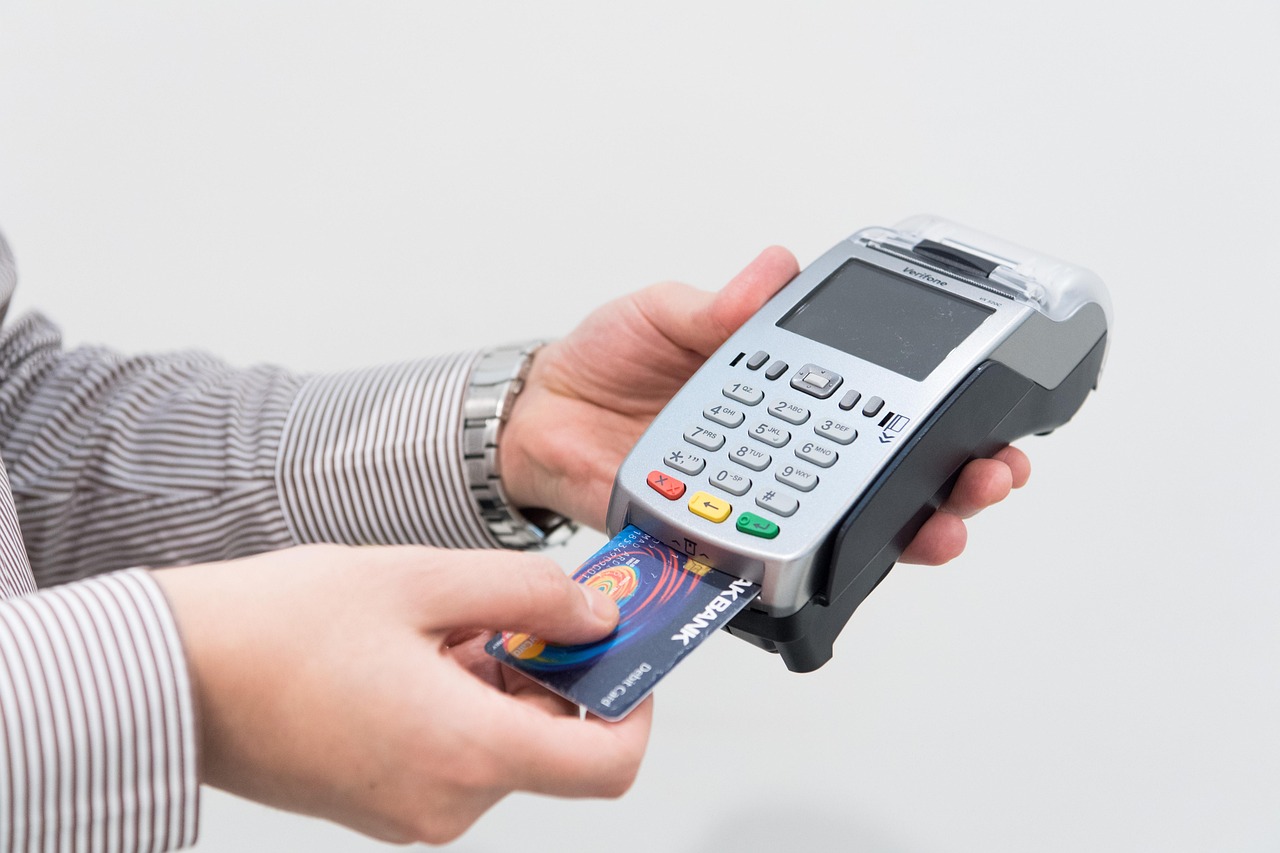
A well-chosen EPOS system can be the difference between a chippy that flies through the Friday night rush and one that leaves customers queuing out the door. For UK fish and chip shops, the right point-of-sale setup handles rapid order entry, kitchen communication, card payments, and online ordering — all within a fast, high-pressure environment where every second counts. This guide covers everything you need to make a confident, well-informed decision.
Why Fish and Chip Shops Need a Specialist EPOS System
A generic till might handle a café with a short, static menu, but a chippy operates differently. Portion variations, meal deals, half-and-half options, battered versus grilled, and rotating daily specials all demand a system built for configurability. Add to that the reality of peak-hour surges — particularly Thursday evenings, Fridays, and school-holiday periods — and the case for a purpose-built hospitality EPOS becomes clear.
Fish and chip shops also straddle the line between takeaway and sit-down dining more than almost any other food business. Many now offer dine-in covers, online pre-ordering, and third-party delivery alongside their traditional counter service. A modern EPOS system needs to manage all of these simultaneously without slowing down counter staff or creating fulfilment errors in the kitchen.
Beyond speed, there are practical compliance and reporting benefits. VAT management across eat-in versus takeaway sales is a genuine legal obligation — HMRC distinguishes between the two categories, and your till system should handle that split automatically. Accurate end-of-day reporting, staff clock-in, and waste tracking are equally valuable for a business running on tight margins.
Key Features to Look for in a Chippy EPOS System
Not all EPOS features are created equal when your menu moves fast and your team is working at pace. When evaluating systems, prioritise the following:
Fast, Customisable Menu Layout
Your touchscreen till layout should mirror how your team actually takes orders — grouped by category (fish, sides, drinks, deals), colour-coded, and editable without a developer. The ability to create meal deal bundles, set modifiers (e.g. "add curry sauce", "large portion"), and temporarily disable sold-out items is non-negotiable.
Eat-In vs Takeaway VAT Splitting
HMRC applies different VAT rates to hot food consumed on premises versus food taken away. Your EPOS system should calculate and record this automatically at the point of sale, generating accurate reports that simplify your VAT return. Always verify the current applicable rates with HMRC or your accountant, as these can change.
Kitchen Display System (KDS) or Printer Integration
Orders sent instantly from the till to the kitchen — via a KDS screen or a dedicated kitchen printer — reduce errors and keep fryers running at the right pace. Look for a system that timestamps orders and alerts kitchen staff when tickets are running long.
Integrated Card Payments
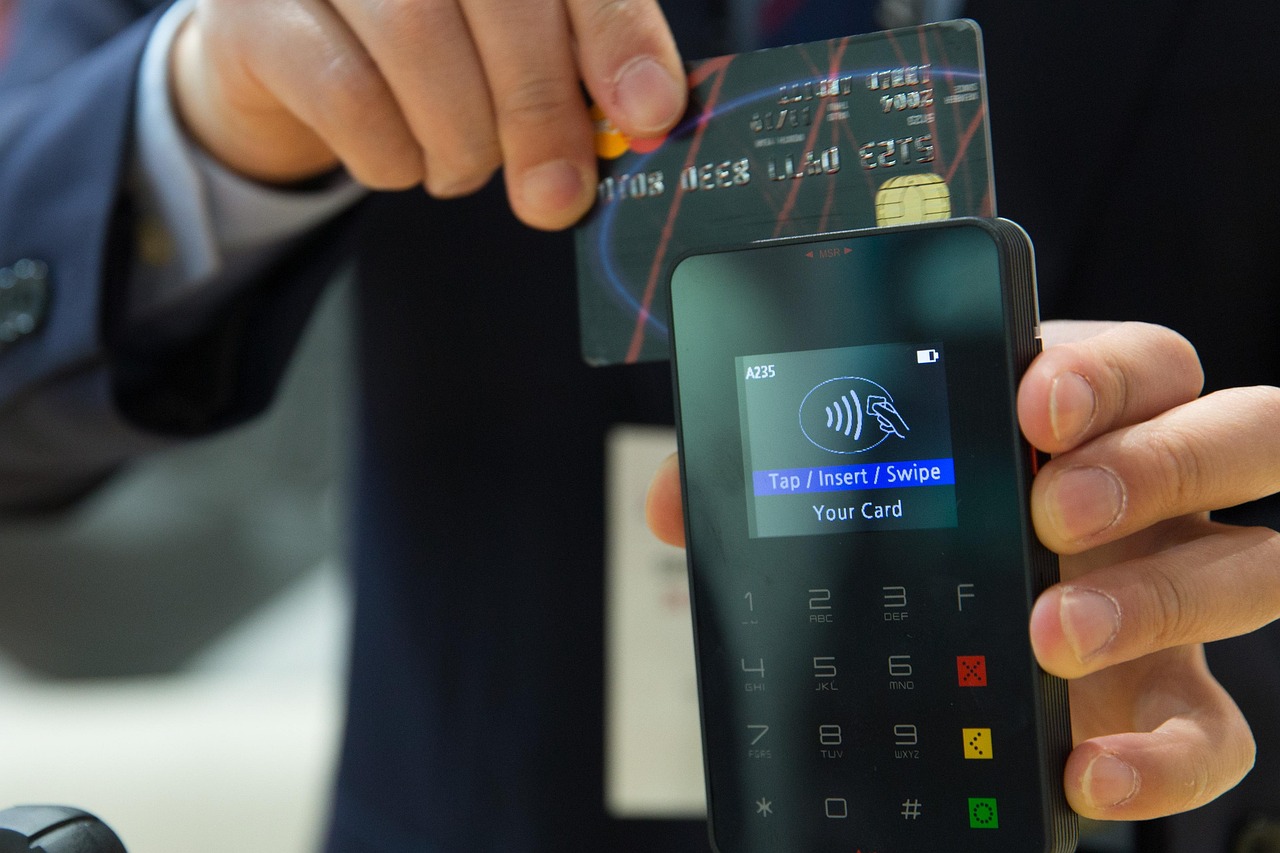
Customers increasingly expect tap-to-pay. An EPOS with a built-in card terminal removes the need for manual reconciliation between separate devices. For a deeper look at how combined setups work, our guide to combining a card machine and till system explains your options in full.
Online Ordering Integration
Whether you use a branded ordering page or a third-party platform, orders should feed directly into your EPOS without manual re-keying. This prevents errors during busy periods and gives you one consolidated view of all revenue.
Reporting and Stock Management
End-of-shift reports, best-sellers analysis, and ingredient-level stock tracking help you buy smarter, reduce waste, and identify which items carry the healthiest margins.
How EPOS Systems Speed Up Service During the Friday Night Rush
The Friday evening peak is where good systems earn their keep. A well-configured EPOS removes friction at every stage of the order journey.
- One-touch order entry: Pre-built combos and modifier shortcuts mean experienced staff can capture a full order in seconds — no hunting through sub-menus.
- Simultaneous channel management: Walk-in orders, phone orders, and online pre-orders all appear on the same kitchen screen, prioritised by pickup time.
- Contactless-first payments: Integrated card readers with tap functionality cut transaction time significantly compared with cash handling.
- Queue-busting order taking: Some systems support handheld or tablet-based ordering for staff to take orders from a queue before customers reach the counter.
- Instant void and refund: Mistakes happen in the rush. A system that allows quick corrections without needing a manager override keeps things moving.
If your current setup still relies on a standalone cash register and a separate card machine, the transition to an integrated system is simpler than you might expect. Our practical walkthrough on switching from a cash register to a modern EPOS system takes you through the process step by step.
Integrations That Matter: Online Ordering, Kitchen Screens and Card Payments
The most capable chippy EPOS systems act as a hub — connecting every part of your operation rather than existing in isolation.
Online Ordering Platforms
Direct integration with your own branded ordering website or a marketplace aggregator means orders appear on your kitchen screen automatically. This eliminates the "order tablet mountain" problem, where separate devices for each platform clutter the counter and create confusion.
Kitchen Display Systems
A KDS replaces paper tickets with a clear, backlit screen at the fryer. Orders appear in sequence, colour-change when they're approaching their target time, and disappear when marked complete. This dramatically reduces the chance of a missed or duplicated order during high-volume periods.
Integrated Card Payments
For fish and chip shops, speed at the payment stage is critical. An EPOS with fully integrated card payments — where the till sends the total directly to the card reader — removes the risk of keying errors and speeds up every transaction. To compare how different integrated setups perform, read our guide to EPOS systems with integrated card payments.
Loyalty and Promotions
Some operators are surprised to learn that loyalty programmes work brilliantly in takeaways. Digital stamp cards, app-based rewards, and SMS promotions can be managed directly through a capable EPOS — turning occasional customers into regulars.
EPOS System Costs for Fish and Chip Shops in the UK
One of the most common questions from chippy owners is straightforward: what will this actually cost me? The honest answer depends on your setup size, whether you want to buy outright or spread the cost, and which features you need. The table below gives you a realistic framework.
| Setup Type | Typical Indicative Cost (UK) | Best For | Key Considerations |
|---|---|---|---|
| Entry-level single terminal (software only) | From approximately £30–£60/month | Small single-counter chippies | You supply the hardware; lower upfront cost |
| Complete single-terminal bundle (hardware + software) | Typically £500–£900 outright, or from around £30–£50/month on subscription | Independent fish and chip shops | Includes touchscreen till, receipt printer, cash drawer |
| Dual-terminal setup with KDS | Typically £1,200–£2,000 outright, or from approximately £60–£100/month | Busier chippies with counter + kitchen screen | Kitchen display system improves order flow significantly |
| Multi-terminal with online ordering integration | Typically £2,000–£4,000+ outright, or from approximately £100–£180/month | High-volume or multi-location operations | Includes online order integration and advanced reporting |
All figures are indicative market ranges for UK hospitality EPOS setups and are provided as guidance only. Request a formal quote for accurate pricing based on your specific requirements.
When comparing the total cost of ownership, remember to factor in card processing fees, software updates, and support. To think through whether a monthly subscription or an outright purchase makes more sense for your business, our guide on monthly EPOS subscriptions versus outright purchase covers the pros and cons in detail.
Ready to get an accurate quote tailored to your chippy? View our hospitality and restaurant EPOS offers or talk to one of our experts online for a no-obligation conversation.
Why EPOS Direct Is Trusted by UK Takeaway and Hospitality Businesses
EPOS Direct has been supplying point-of-sale solutions to UK businesses across retail, hospitality, and specialist sectors for many years. The team works daily with independent food businesses — from single-counter takeaways to multi-site operators — helping them select, configure, and get the most from their systems.
What sets EPOS Direct apart for fish and chip shops specifically is the combination of purpose-built hospitality software, UK-based support, and genuinely flexible purchasing options. Whether you need a starter bundle for a small shop or a fully integrated solution with online ordering and kitchen screens, the systems can be tailored without overcomplicating the counter experience.
For businesses considering alternatives, our complete comparison with competitor till systems provides a clear, honest assessment of where EPOS Direct's proposition stands in the market.
You can also explore a live restaurant EPOS software demo to see exactly how order management, kitchen integration, and reporting work in practice — before committing to anything.
Written by the EPOS Direct UK team, who support UK EPOS and POS system businesses every day across hospitality, retail, and specialist sectors.
How to Choose and Set Up the Right EPOS System for Your Chippy
Choosing the right system comes down to three honest questions: How complex is your menu? How many channels do you serve? And how much support do you need after go-live?
Step 1: Map Your Order Channels
List every way a customer currently orders from you — counter walk-in, phone, online, third-party delivery apps. Any EPOS worth considering must handle all active channels from a single interface.
Step 2: Define Your Hardware Needs
A minimum setup for a takeaway typically includes a touchscreen till, a receipt printer, a cash drawer, and a card reader. If you have a separate kitchen area, add a KDS or kitchen printer. If you take orders at the fryer as well as the counter, a second terminal pays for itself quickly.
Step 3: Ask About Onboarding and Training
The best system is worthless if your team can't use it confidently on day one. Ask prospective providers exactly what training is included — ideally hands-on, not just a PDF manual. Check whether menu configuration is handled for you or left to you to work through alone.
Step 4: Check Ongoing Support
A Friday-night system failure needs a fast response. Confirm support hours, response times, and whether remote diagnostics are available. UK-based support during trading hours is a meaningful differentiator.
Step 5: Request a Demo Before You Buy
Always insist on a demonstration using your own menu structure — not a generic retail example. This reveals whether the system genuinely fits your workflow. Request a free demo from EPOS Direct to see how our hospitality software handles a real chippy scenario.
For a broader view of what to look for in a till system as a small business owner, our practical buyer's guide to till systems for small businesses is a useful companion read. And if you're exploring more offers and information across our full range of EPOS solutions, visit the EPOS Direct UK home page for the latest packages and deals.
The Bottom Line
For a UK fish and chip shop, the right EPOS system is not a luxury — it is a core piece of infrastructure that directly affects service speed, order accuracy, VAT compliance, and profitability. The ideal setup combines a fast, customisable touchscreen till, integrated card payments, kitchen communication, and clear reporting, all backed by responsive UK-based support.
EPOS Direct has the experience, the hardware range, and the hospitality-specific software to build that setup for your business — whether you're a single-counter independent or a growing multi-site operation. Request a call back from the EPOS Direct team today and let us help you find the right solution for your chippy.
Frequently asked questions
- What features should a good EPOS system have for a fish and chip shop?
- A chippy EPOS system should handle fast single-item transactions, support customisable menus with portion sizes and extras, integrate with kitchen display screens to reduce errors during busy periods, process card and contactless payments, and offer end-of-day sales reporting. Online ordering integration and loyalty scheme support are increasingly valuable for takeaways looking to grow repeat custom.
- How much does an EPOS system cost for a fish and chip shop in the UK?
- For a typical UK fish and chip shop, entry-level EPOS setups start from around £300 to £500 for basic hardware and software. A more complete system including a touchscreen till, receipt printer, cash drawer, card payment terminal and 12 months of software support generally costs between £800 and £1,500 upfront. Some providers, including EPOS Direct, offer leasing or monthly payment options from around £20 to £50 per month, which can reduce the initial outlay significantly. Always check what ongoing support and software update costs are included.
- Can I take card payments and online orders through the same EPOS system?
- Yes. Modern EPOS systems designed for takeaways and hospitality can consolidate card payments, contactless transactions and online orders from platforms such as your own website or third-party apps into a single system. This reduces the need for separate devices on the counter and ensures all orders flow directly to your kitchen screen or receipt printer, cutting errors and speeding up service.
