We use cookies to make your experience better.
To comply with the new e-Privacy directive, you agree to the privacy policy and our use of cookies


Top EPOS Systems for Hair Salons in the UK: What to Look For and Who to Trust
Top EPOS Systems for Hair Salons in the UK: What to Look For and Who to Trust
A well-chosen EPOS system can be the difference between a salon that runs smoothly and one that loses bookings, undersells retail products and struggles at the end of each day with manual reconciliation. For UK hair and beauty businesses, the right till solution goes far beyond processing payments — it manages appointments, tracks stylists' performance, handles mixed-tender transactions and keeps product stock accurate without extra effort. This guide sets out exactly what to look for, how much to budget and how to choose a provider you can genuinely trust.
Why Hair Salons Need a Specialist Till System
A generic retail till handles straightforward product sales. A hair salon does something more complex: it sells time, labour and retail products simultaneously, often across multiple staff members with different commission structures, on a walk-in and pre-booked basis, throughout a busy working day. A system that is not built with that operational reality in mind will create friction rather than reduce it.
Specialist salon EPOS software understands concepts like appointment slots, chair rental, service bundles, and the need to attach a product sale to the same transaction as a colour treatment. It also supports the reporting you need — takings by stylist, retail attach rate, busiest hours by day — so you can make real business decisions rather than guessing from a paper record.
If you are also considering EPOS for other types of retail business, the principles of choosing well are similar: see our guide to the best till systems for small businesses in the UK for a broader introduction to the market.
Key Features to Look For in a Salon Till System
Not every feature listed on a vendor's marketing page will matter equally to your business. The following are the capabilities that consistently make the most practical difference in a hair salon environment.
Appointment and Diary Management
- Digital booking calendar with per-stylist columns, so reception can see availability at a glance
- Automated appointment reminders via SMS or email to reduce no-shows
- Online booking integration so clients can self-book outside of opening hours
- Waitlist functionality for busy periods and cancellation slots
Flexible Payment Processing
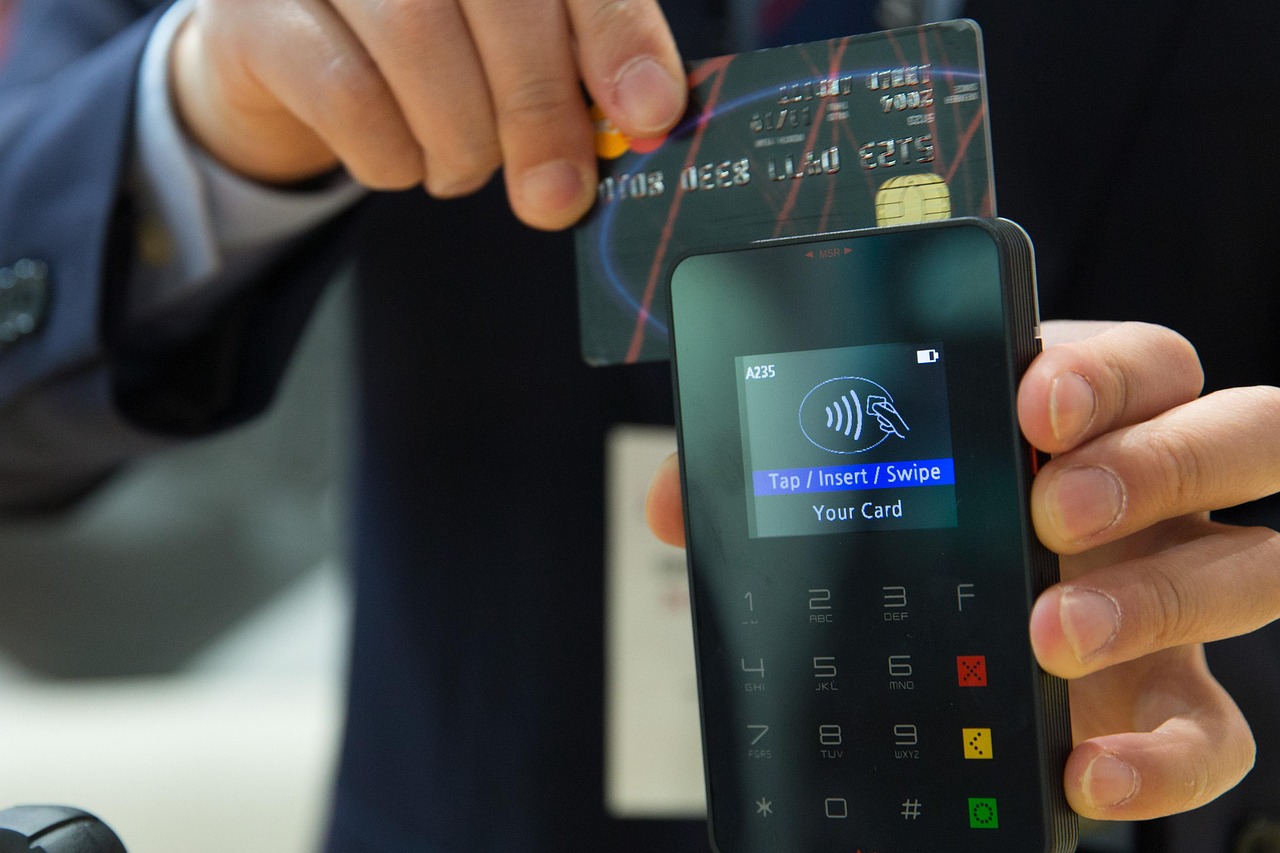
- Integrated card payments that settle directly into your till — no manual entry and no mismatched end-of-day figures
- Split-tender capability (for example, part gift voucher, part card)
- Support for contactless, chip and PIN, and mobile wallet payments
- Ability to take deposits at booking to protect against cancellations
Seamless card integration matters enormously in a busy salon. Our guide to EPOS systems with integrated card payments explains what to look for in a combined solution and why separate, non-integrated terminals create reconciliation headaches.
Retail Stock Management
- Product-level stock tracking for shampoos, conditioners, styling tools and colour products
- Low-stock alerts so you never run out of your best-selling retail line
- Supplier order management and purchase history
- Ability to distinguish between back-bar (used in treatments) and retail stock
Staff and Commission Management
- Per-stylist sales and service reporting
- Configurable commission tiers by service type or revenue band
- Clock-in/clock-out functionality for payroll accuracy
Customer Relationship Tools
- Client profiles storing service history, product preferences and allergy notes
- Loyalty scheme or points tracking
- Gift voucher issuance and redemption
- Marketing integration for email or SMS campaigns
How the Right EPOS System Improves Day-to-Day Operations
The practical gains from a well-implemented salon EPOS system appear quickly. Reception staff spend less time on the phone because clients can book online; stylists start each day with a clear schedule rather than a handwritten list; end-of-day cashing up takes minutes rather than half an hour. Stock discrepancies — a persistent problem in salons where product walks out the back door — become visible and manageable.
Perhaps most significantly, integrated reporting gives salon owners data they previously had no access to: which services drive the highest margin, which stylists upsell retail most effectively, and which time slots are consistently underbooked. These insights support confident decisions about pricing, rotas and marketing spend.
If card payment flexibility is a priority — for example, processing payments at the chair rather than at a fixed desk — take a look at our guide to wireless card machines for small businesses, which covers portable and mobile card reader options suitable for salon environments.
Comparing EPOS Approaches for Hair Salons: A Practical Overview
There is no single "best" solution for every salon. The right choice depends on your size, whether you operate a single chair or a multi-location group, and what your budget allows. The table below maps the most common deployment approaches to the factors that matter most when choosing.
| Approach | Best For | Key Strengths | Considerations |
|---|---|---|---|
| Cloud-based salon EPOS (tablet or touchscreen) | Independent salons and small groups (1–5 chairs) | Low upfront cost, remote access, automatic software updates, scalable | Dependent on internet connection; choose a provider with offline mode |
| Dedicated touchscreen till with integrated card terminal | Established salons with a fixed reception desk | Fast, reliable, purpose-built hardware; integrated payments reduce errors | Higher upfront hardware cost; ensure software is salon-specific, not generic retail |
| Multi-terminal networked system | Larger salons, group or franchise operations | Centralised reporting across locations; consistent pricing and stock visibility | Greater implementation complexity; choose a provider with proven multi-site experience |
| EPOS plus standalone booking software | Salons already committed to a booking platform | Flexibility; keep familiar booking tool, add payment and stock management | Integration quality varies; risk of data silos if systems do not communicate well |
| Card machine with no monthly fee (entry-level) | Sole traders or rent-a-chair professionals | Minimal commitment; easy to start | Limited to payments only; no appointments, stock or reporting |
For sole traders and chair renters who primarily need card acceptance, our guide to card machines with no monthly fee covers lightweight options that keep costs predictable.
What Does a Salon EPOS System Cost in the UK?
One of the most common questions from salon owners exploring EPOS is simply: what will this actually cost me? The honest answer is that it depends on the hardware you need, the software tier you choose and whether you opt for a monthly subscription or an outright purchase. The figures below are indicative ranges based on the typical UK market — they are not quotes, and your actual costs will vary.
Software Subscription
Cloud-based salon EPOS software typically costs from around £30 to £100 per month for a single-terminal setup, with pricing scaling by number of terminals, staff accounts or additional locations. Some providers bundle hardware and software into a single monthly fee.
Hardware
A basic touchscreen till setup — terminal, receipt printer and cash drawer — typically falls in the range of £300 to £800 for entry-level configurations, rising to £1,200 or more for commercial-grade touchscreen hardware with integrated card reader. A complete counter setup from a reputable UK EPOS supplier often falls between £500 and £1,500 depending on specification.
Card Processing Fees
Card transaction fees vary by provider and volume, but a typical UK small business can expect blended rates broadly in the range of 1% to 2.5% per transaction. Integrated EPOS and card payment providers may offer preferential rates at volume — worth negotiating when you enquire.
Installation and Support
Many reputable EPOS providers include setup, training and ongoing UK-based support within their packages. Clarify whether this is included before you sign, and ask specifically about response times for hardware faults — a till going down on a Saturday morning is a serious business disruption.
For a broader view of combined hardware and payment options, our guide to card machine and till system combined sets out the different purchasing models available in the UK market.
How EPOS Direct Supports UK Hair and Beauty Businesses
EPOS Direct is a specialist UK EPOS provider with deep experience across retail and service businesses, including hair and beauty. Rather than offering a generic solution, the team works with salon owners to identify the right hardware configuration, software setup and payment integration for their specific operation — whether that is a single-chair sole trader or a group of salons across multiple sites.
The EPOS Direct approach centres on UK-based support, transparent pricing and a commitment to systems that actually work in practice rather than just on a spec sheet. You can explore the full range of solutions and current offers on the EPOS Direct UK home page, or dive straight into the software with a hands-on retail EPOS software demo to see how the system handles salon-specific workflows before you commit.
If you would prefer to talk through your requirements with a specialist, you can talk to an expert online — a no-obligation conversation that helps you understand what is genuinely right for your salon rather than what is simply easiest to sell.
Getting Started: Choosing and Installing Your Salon EPOS System
The practical process of choosing a salon EPOS system is simpler than many owners expect, provided you approach it with a clear brief. Before speaking to any provider, it helps to have answers to the following:
- How many stylists and chairs do you have? This determines the number of terminals and diary columns you need, and whether you require staff login or commission tracking.
- Do you want online booking? If so, confirm whether the EPOS software handles this natively or requires a third-party integration — and who supports the integration if something breaks.
- What payment types do you need to accept? Contactless, chip and PIN and mobile wallets are standard; if you plan to take deposits at booking or accept payment at the chair, confirm these are supported before you sign.
- What is your reporting priority? Stylist performance? Retail margins? Quiet period analysis? Knowing this upfront helps you verify that the software's reporting module is genuinely useful rather than superficial.
- What support do you need? A solo operator may be comfortable with email support; a busy multi-stylist salon probably needs a phone line and a guaranteed response time.
Once you have a shortlist, ask each provider for a demo — ideally a live walkthrough of salon-specific workflows rather than a generic product presentation. EPOS Direct offers a free demo that can be tailored to service business requirements, giving you a realistic picture of how the system will perform in your salon before any purchase decision is made.
For additional context on how EPOS works across different small business types — useful if you are also running a retail element alongside your salon — our complete guide to EPOS systems for small businesses covers the broader landscape in detail.
The Direct Answer: What Is the Best EPOS System for a UK Hair Salon?
The best EPOS system for a UK hair salon is one that combines appointment diary management, integrated card payments, retail stock control and per-stylist reporting in a single platform — backed by UK-based support and transparent, scalable pricing. Cloud-based touchscreen systems from specialist providers represent the strongest all-round choice for most independent and small-group salons, while larger operations benefit from networked multi-terminal setups with centralised reporting. Critically, the provider matters as much as the software: reliable installation, genuine training and responsive aftercare are what separate a system that transforms your business from one that creates new frustrations.
Conclusion
Choosing the right EPOS system for your hair salon is a decision that pays dividends quickly — in time saved, revenue captured and the professional impression you make on every client who walks through the door. The key is to prioritise salon-specific functionality over generic retail features, insist on integrated card payments, and choose a UK provider who will still be answering the phone when you need them most.
EPOS Direct specialises in exactly this kind of practical, expert guidance for UK businesses. Whether you are ready to buy or still working out what you need, request a call back from the EPOS Direct team today — and take the first step towards a till system that genuinely works for your salon.
Written by the EPOS Direct UK team, who work with hair, beauty and retail businesses across the United Kingdom every day, helping them choose, implement and get the most from their EPOS and payment systems.
Frequently asked questions
- What should a good EPOS system for a hair salon actually do?
- A strong salon EPOS system goes beyond taking payments. It should handle appointment scheduling or integrate with booking software, track retail product stock, manage staff rotas and commissions, process card and contactless payments, and generate sales reports. Look for a system that combines these functions in one dashboard so you are not juggling multiple apps.
- How much does an EPOS system typically cost for a small UK hair salon?
- In the UK, entry-level salon EPOS setups typically start from around £300 to £500 for basic hardware such as a touchscreen terminal and card reader. Mid-range systems with full software licences, receipt printers and stock management features generally range from £600 to £1,500. Larger multi-chair or multi-site salons may invest £1,500 or more, especially when adding ongoing software subscriptions or payment processing contracts. EPOS Direct offers transparent pricing with no hidden fees — contact the team for a tailored quote based on your salon size.
- Can I use my existing card machine with a new salon EPOS system?
- It depends on compatibility. Some EPOS systems integrate directly with major payment processors such as Worldpay, Dojo or Stripe, meaning your existing card terminal may work seamlessly. Others require a proprietary payment device. When evaluating systems, always confirm which payment providers are supported and whether there are any integration fees. EPOS Direct can advise on the best setup to avoid unnecessary hardware duplication.
