We use cookies to make your experience better.
To comply with the new e-Privacy directive, you agree to the privacy policy and our use of cookies


The Best EPOS Systems for Small Retail Businesses in the UK: A Complete Buyer's Guide
The Best EPOS Systems for Small Retail Businesses in the UK
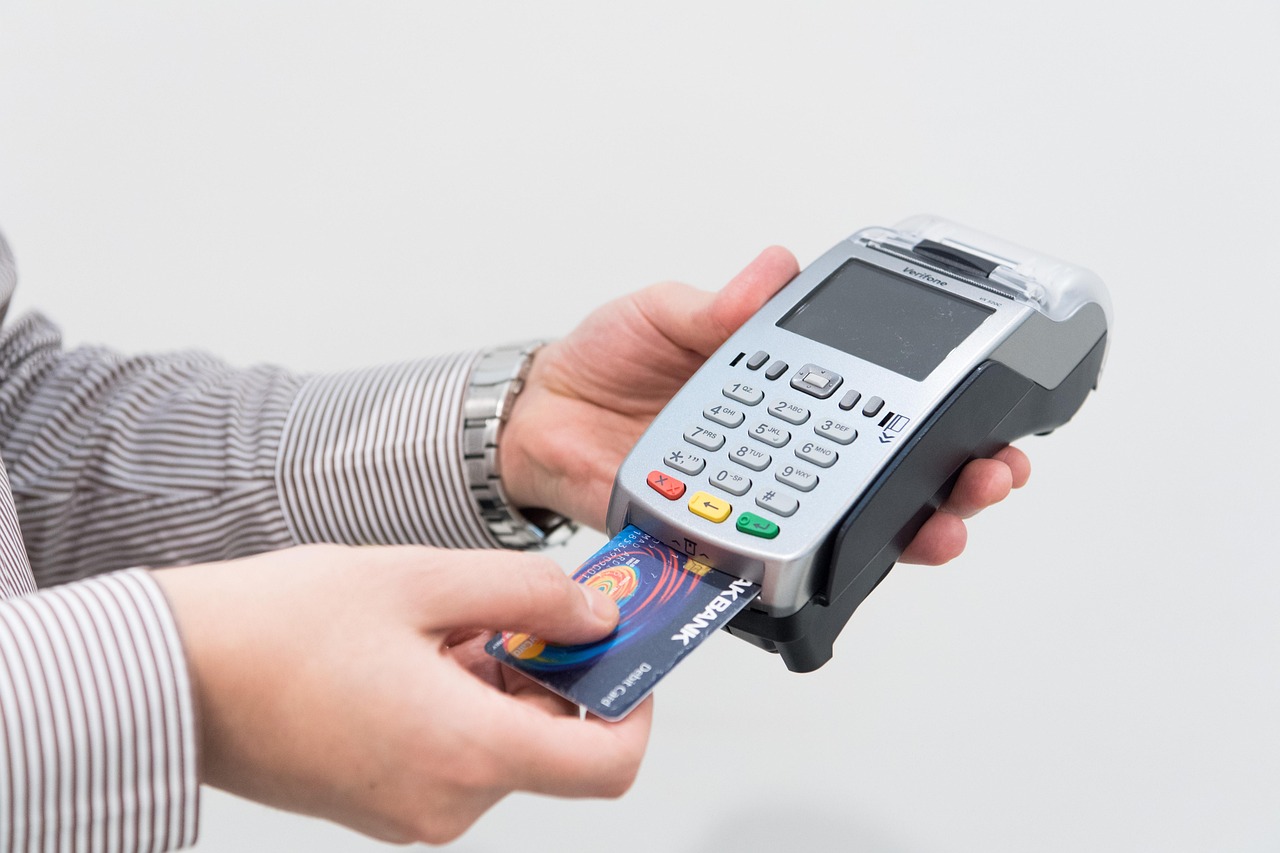
Choosing the right EPOS system is one of the most consequential decisions a small retailer makes — it shapes how quickly staff serve customers, how accurately stock is managed, and how clearly owners understand their business performance. The good news is that modern retail EPOS technology is more accessible and better-suited to independent shops than ever before, with solutions spanning lean cloud-based setups to comprehensive multi-till configurations. This guide covers everything a small UK retailer needs to know to choose confidently, including what features matter most, what realistic costs look like, and how to get up and running without disruption.
What Actually Matters in a Retail EPOS System
Not every feature matters equally to every retailer. A gift shop processing fifty transactions a day has different priorities to a busy convenience store with high product turnover and age-verification requirements. Before comparing systems, it helps to clarify which capabilities are genuinely non-negotiable for your operation.
Core capabilities to prioritise
- Inventory management: Real-time stock tracking, low-stock alerts, and the ability to manage variants (sizes, colours, weights) is essential for most retail environments. Without it, you are essentially guessing your stock position.
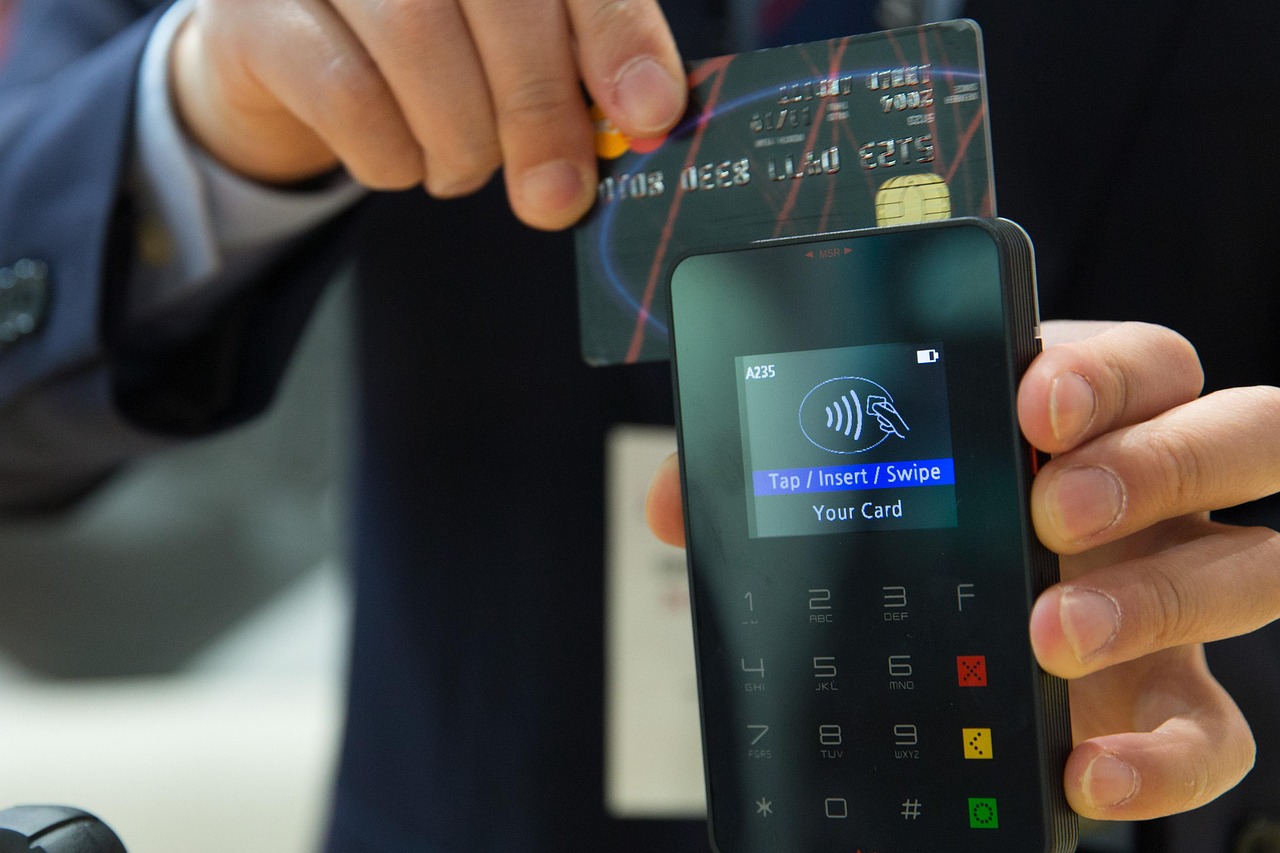
- Integrated card payments: Customers now expect seamless card, contactless, and digital wallet acceptance. A system where the till and card reader communicate natively removes manual reconciliation errors. See our guide on combining a card machine and till system for a detailed breakdown of how integrated payments work in practice.
- Reporting and end-of-day summaries: Meaningful sales reports — by product, category, time of day, and staff member — help owners make purchasing and staffing decisions based on evidence rather than instinct.
- Ease of use: In a small retail business, staff turnover is a reality. A system that requires days of training before a new employee can operate it competently is a liability.
- Reliable support: When a till goes down during a busy Saturday, the quality of your supplier's support matters enormously. UK-based support with accessible phone and online channels is a significant differentiator.
Questions worth asking before you buy
Does it handle my product catalogue comfortably? If you sell hundreds of SKUs with multiple variants, confirm the system can manage that scale without sluggish performance or complex workarounds.
Will it integrate with my existing tools? Accounting software (Xero, Sage, QuickBooks), e-commerce platforms, and loyalty programmes should connect cleanly. Manual data re-entry is a time tax your business cannot afford.
What happens when the internet drops? Offline mode — the ability to continue taking sales without a live connection — is not a luxury for retailers in rural locations or premises with unreliable broadband.
Cloud-Based vs Traditional EPOS: Which Is Right for Your Shop?
The choice between a cloud-based and a traditional (server-based or standalone) EPOS system is one of the most debated among small retailers. Both approaches have genuine merit depending on the business context.
| Consideration | Cloud-Based EPOS | Traditional / On-Premise EPOS |
|---|---|---|
| Setup cost | Lower upfront; hardware plus subscription | Higher upfront; often one-off licence fee |
| Ongoing cost model | Monthly or annual software subscription | Lower ongoing fees; occasional upgrade costs |
| Remote access | Full reporting and management from any device | Limited or requires VPN configuration |
| Software updates | Automatic, included in subscription | Manual; may incur additional charges |
| Internet dependency | Requires connection; offline mode varies | Fully offline capable as standard |
| Scalability | Add tills or locations easily | Can require significant IT work to expand |
| Best suited to | Growing retailers, multi-location, remote owners | Stable single-site operations with reliable hardware |
For most small UK retailers launching or upgrading today, cloud-based EPOS is the practical default — the lower barrier to entry, automatic updates, and remote management capability align well with how independent shops are run. However, if you operate in a location with genuinely unreliable connectivity, or if you strongly prefer a no-subscription pricing model, a traditional system remains a credible option. Read more about EPOS systems with no monthly fee to understand what that model involves and whether it suits your business.
EPOS Hardware Explained: What Equipment Does a Small Retailer Need?
A complete retail EPOS setup typically comprises several components. Understanding each one helps you avoid purchasing hardware you do not need — or overlooking something critical.
The essential hardware components
- EPOS terminal (touchscreen till): The central unit where transactions are processed. Modern retail tills use responsive touchscreens and run dedicated EPOS software. Screen size, processor speed, and build quality vary considerably between entry-level and commercial-grade units.
- Barcode scanner: For shops with barcoded products, a handheld or fixed scanner dramatically accelerates checkout. Wireless scanners provide staff with flexibility on the shop floor for stock checks.
- Receipt printer: Thermal receipt printers are standard. Consider whether you want email or SMS receipt capability, which reduces paper costs and supports sustainability goals.
- Cash drawer: Still necessary for many UK retailers, even as cashless transactions grow. Cash drawers should connect directly to the printer or till for automated opening on sale completion.
- Card reader / payment terminal: Integrated card readers that communicate with the EPOS software are far preferable to standalone terminals. For mobile or queue-busting scenarios, wireless options are practical — our guide to the best wireless card machines for small businesses in the UK covers this in depth.
- Customer display: An optional second screen showing transaction totals to the customer builds transparency and reduces disputes.
Retailers with specialist requirements — clothing boutiques managing size and colour matrices, for instance — may need additional configuration. Our article on EPOS systems for clothing shops explores those specific needs in detail.
How Much Does a Retail EPOS System Cost in the UK?
Cost is inevitably a central concern for small retailers, and the market spans a wide range. The figures below are honest, indicative ranges based on typical UK market conditions — not quotes — and actual costs will vary based on hardware specification, software features, contract length, and supplier.
Indicative cost ranges
- Entry-level single-till setup (hardware + software): Typically from around £300 to £800 upfront for hardware, with software subscriptions often starting from approximately £20–£50 per month at the budget end of the market.
- Mid-range retail EPOS bundle: A properly specified commercial-grade terminal, integrated card reader, barcode scanner, receipt printer, and cash drawer — with capable retail software — commonly falls between £800 and £2,000 for the hardware package, with monthly software fees in the region of £30–£80.
- Multi-till or feature-rich configurations: For two or more tills with advanced inventory, loyalty programmes, and integrations, total first-year investment commonly exceeds £2,000–£4,000 including software.
- No-monthly-fee models: Some suppliers offer a one-off licence model with no ongoing subscription, which can be cost-effective over a longer period. Review our guide on card machines with no monthly fee for a related perspective on fee-free payment hardware.
These are approximate, indicative figures for general guidance only. Request a tailored quote for accurate pricing relevant to your specific requirements.
One often-overlooked cost factor is payment processing fees. Integrated card payments via your EPOS provider may carry different transaction rates than using a standalone payment terminal. Always compare the total cost of ownership — hardware, software, support, and card processing — rather than headline hardware price alone.
Getting Set Up: Installation, Training and Support
Even the most capable EPOS system delivers poor value if staff cannot use it confidently or if technical issues are resolved slowly. For small retailers without an in-house IT function, implementation support is not a bonus — it is a prerequisite.
What good implementation looks like
- Pre-configured hardware: Quality EPOS suppliers configure hardware before it ships, minimising on-site setup time and reducing the risk of configuration errors.
- Stock import assistance: Migrating an existing product catalogue — potentially thousands of SKUs — into a new system should be supported, not left entirely to the retailer.
- Staff training: Either on-site training or structured remote sessions ensure staff can process sales, apply discounts, handle refunds, and run reports from day one.
- Ongoing UK-based support: Remote support via phone, live chat, or online tools — staffed by people who understand UK retail and VAT requirements — is a meaningful differentiator between suppliers.
If you are evaluating suppliers, ask specifically about their support hours, average response times, and whether support is handled in-house or outsourced. A supplier who can demonstrate consistent, accessible UK-based support is worth a premium over one who offers only email ticketing with slow turnaround.
For a broader introduction to how EPOS systems work and what the setup process involves, the complete EPOS system guide for UK retail and hospitality businesses is a useful starting reference.
Matching the Right System to Your Shop Type
Retail is not a monolithic category. A florist, a hardware shop, a fashion boutique, and a convenience store all process transactions — but their operational demands differ substantially. Consider how these common retail profiles translate to EPOS requirements:
- Fashion and clothing: Matrix inventory (size, colour, style), season management, and markdown pricing are essential. See our dedicated guide on EPOS systems for clothing retailers.
- Convenience and grocery: High transaction volume, age-restricted product prompts, and fast checkout speed are the priorities. Barcode scanning performance and reliable hardware become critical.
- Gift shops and independents: Intuitive operation and good reporting tend to matter most, alongside simple supplier ordering tools.
- Health and beauty: Appointment booking integration, loyalty schemes, and product bundling are common requirements.
- Mixed retail and hospitality: Businesses serving both retail products and food or drink benefit from a system designed to handle both — or two integrated systems. Our complete guide to EPOS for small businesses covers this crossover in more detail.
Why UK Small Retailers Choose EPOS Direct
EPOS Direct has been supplying point-of-sale systems to UK businesses for many years, with a specific focus on retail and hospitality. The team works directly with independent retailers across the country — from single-site boutiques to small chains — and understands the operational realities that a general-purpose technology supplier often does not.
What sets EPOS Direct apart
- Purpose-built retail software: The EPOS Direct platform is designed around the workflows of UK retail, not adapted from a generic point-of-sale tool. Explore the EPOS Direct software to see how it handles inventory, reporting, and integrations.
- Flexible hardware packages: From lean single-till configurations to full multi-station setups, hardware packages are tailored to business size and budget rather than sold as rigid bundles.
- UK-based support: Retailers benefit from accessible, knowledgeable support from people based in the UK who understand local tax requirements, payment regulations, and trading conditions.
- Transparent pricing: Honest pricing without hidden fees, with options to suit businesses that prefer subscription models and those that prefer upfront investment.
- Demonstrated expertise: The EPOS Direct team advises retailers on system selection, configuration, and growth planning every day — practical experience that shows in the quality of implementation and ongoing support.
If you are ready to see the software in action, you can book a retail EPOS software demo online without commitment. For a broader look at what EPOS Direct offers, visit the complete guide to EPOS Direct for UK businesses or browse current retail EPOS offers to find a package that suits your shop.
The Bottom Line: How to Choose with Confidence
The right EPOS system for a small UK retail business is one that fits your specific stock complexity, transaction volume, team size, and growth ambitions — not necessarily the most feature-rich or the cheapest option available. Prioritise reliable inventory management, integrated card payments, intuitive operation, and supplier support quality. Use total cost of ownership (hardware, software, support, and processing fees combined) as your comparison metric, not headline hardware price alone.
EPOS Direct UK specialises in helping independent retailers make this decision with clarity and confidence. Whether you are replacing an ageing till, opening a new shop, or scaling to multiple locations, the team is ready to help. Talk to an expert online for tailored advice, or request a free demo to experience the platform firsthand. For more offers and information, visit the EPOS Direct UK home page.
Written by the EPOS Direct UK team, who work with UK retail and hospitality businesses every day to implement and support EPOS and POS systems across the country.
Frequently asked questions
- How much does an EPOS system typically cost for a small shop in the UK?
- For a small UK retail business, you can expect to pay anywhere from £300 to £800 for a basic single-till hardware bundle including a touchscreen terminal, receipt printer, and barcode scanner. Monthly software subscriptions typically range from £20 to £60 per month depending on the features you need. EPOS Direct offers competitive bundled packages with no hidden fees, and many setups can be financed to spread the cost. Always factor in card payment terminal costs and any ongoing support contracts.
- Do I need an internet connection for my retail EPOS system to work?
- Most modern cloud-based EPOS systems require a broadband connection for full functionality such as real-time stock updates, cloud reporting, and remote access. However, many systems — including those from EPOS Direct — offer offline mode, meaning your till can still process sales locally if your internet drops, then syncs data automatically when reconnected. For small retail shops, a reliable broadband or 4G backup connection is strongly recommended.
- Can a small retail EPOS system help me manage stock and run reports?
- Yes — stock management and sales reporting are among the most valuable features of a modern EPOS system for small retailers. A good system will track inventory in real time, alert you when stock is running low, and generate reports on your best-selling products, peak trading hours, and daily takings. EPOS Direct's retail software includes built-in stock control, supplier management, and a dashboard you can access from anywhere, helping you make smarter buying decisions without manual spreadsheets.
