We use cookies to make your experience better.
To comply with the new e-Privacy directive, you agree to the privacy policy and our use of cookies


The Best Till Systems for Coffee Shops in the UK: What to Look For and Who Comes Out on Top
Best Till Systems for Coffee Shops in the UK: Features, Costs & Top Picks
Choosing the right till system for a café is one of the most consequential decisions an independent coffee shop owner will make. The right EPOS setup accelerates service, reduces errors, keeps queues moving and gives you the real-time data you need to run a profitable business — the wrong one creates daily friction from the moment you open. This guide cuts through the noise with practical, experience-led advice on what to look for, what to budget, and how to evaluate your options with confidence.
Why Coffee Shops Need a Specialist Till System
A generic retail till can process a payment. A coffee shop EPOS system does far more: it manages complex modifier logic (oat milk, extra shot, no sugar), handles table tabs alongside walk-in orders, integrates with barista display screens, and gives you granular sales data down to drink type and time of day. Hospitality-specific systems are built around the rhythms of a café — fast transactions, peak-hour rushes, multiple payment methods, and the need to update your menu instantly when you sell out of the almond croissants.
If you are also considering systems for other retail or hospitality sectors, the Complete EPOS System Guide for UK Retail and Hospitality Businesses provides a broad foundation before you narrow your search.
Key Features to Look for in a Coffee Shop EPOS System
Not every feature list is equally valuable. Below are the capabilities that genuinely move the needle in a busy café environment.
Speed and Modifier Flexibility
- Modifier and variant management: Every drink on your menu has variants — size, milk type, temperature, syrup additions. Your EPOS should prompt staff through modifiers automatically, reducing missed upsells and preparation errors.
- Quick-tap menu layouts: Touchscreen interfaces should be configurable so your top-selling items are one tap away. Colour-coded categories (hot drinks, cold drinks, food, extras) shave seconds off every transaction.
- Kitchen or barista display screens: A digital display replaces printed tickets and keeps the bar organised during a Saturday morning rush.
Payment Flexibility
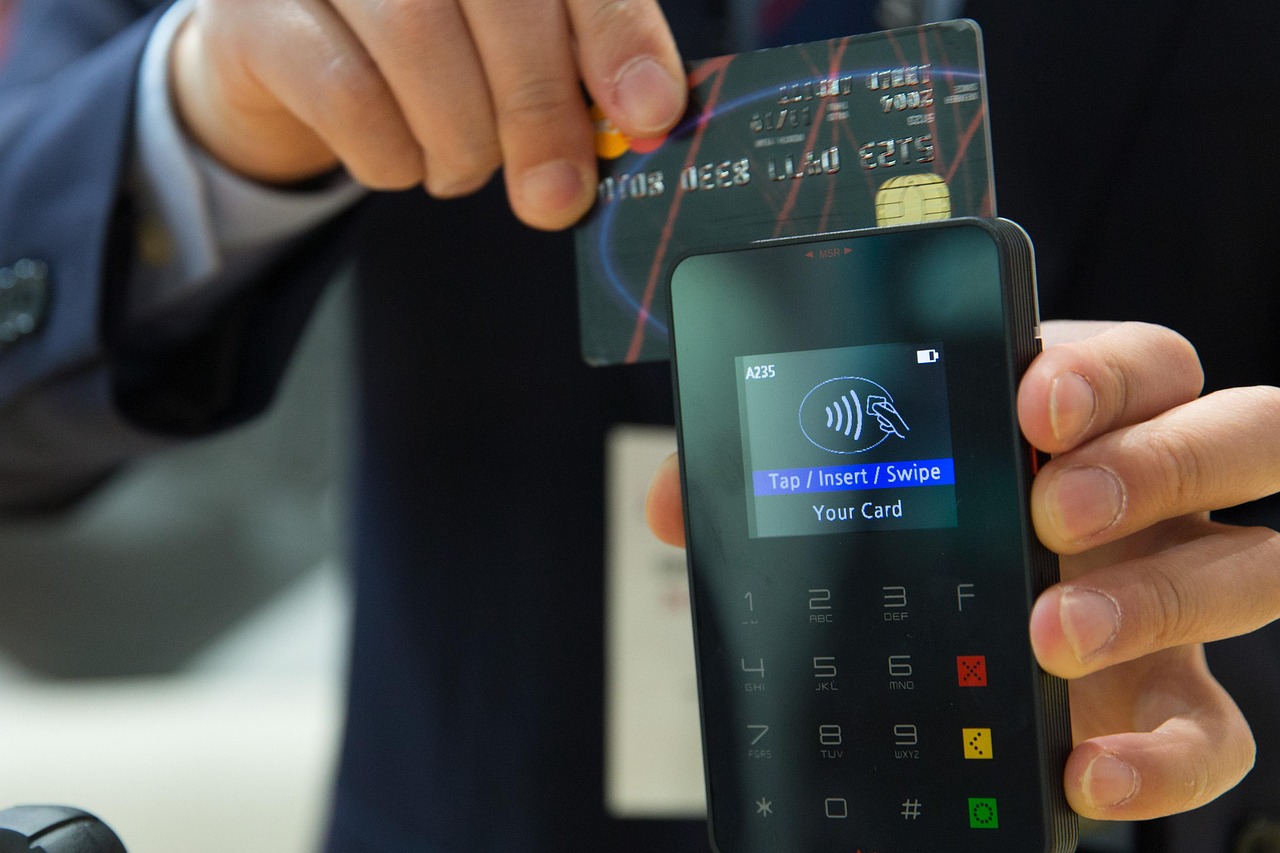
- Contactless, chip-and-pin, Apple Pay, Google Pay and mobile wallets are now baseline expectations. For guidance on pairing your till with the right card reader, the guide to combining a card machine and till system is worth reading before you purchase.
- Split payments and tab management for customers who order in stages are essential in café environments.
Reporting and Stock Control
- Real-time sales dashboards let you see which drinks drive revenue and which underperform.
- Ingredient-level stock depletion helps you track milk usage, coffee bean consumption and food waste — critical for margin management.
- End-of-day Z-reports and cloud-accessible sales history make accounting and VAT reconciliation straightforward.
Staff Management
- Individual staff logins with configurable permissions protect your cash and prevent unauthorised discounts.
- Clock-in/clock-out functionality built into the EPOS reduces the need for a separate HR tool.
Loyalty and CRM
Regular customers are the lifeblood of any independent café. A built-in loyalty module — or seamless integration with a third-party loyalty platform — lets you reward repeat visits without relying on paper stamp cards.
How Much Does a Till System Cost for a UK Coffee Shop?
This is the question most buyers ask first, and the honest answer is that costs vary considerably depending on the hardware you need, the software tier you choose, and whether you opt for an outright purchase or a managed monthly arrangement.
| Setup Type | Typical Hardware Cost | Typical Software / Monthly Fee | Best For |
|---|---|---|---|
| Entry-level single terminal | From approximately £300–£600 | From approximately £20–£40 per month | Kiosks, market stalls, new micro-cafés |
| Mid-range café setup (till + card reader + receipt printer) | Typically £600–£1,200 | Typically £40–£80 per month | Independent coffee shops with 1–2 tills |
| Full hospitality bundle (till + barista display + integrated payments + loyalty) | Typically £1,200–£2,500+ | Typically £60–£120 per month | Established cafés, small chains, high-volume sites |
| No-monthly-fee arrangements | Higher upfront hardware cost | No ongoing software subscription | Businesses wanting predictable fixed costs |
All figures are indicative market ranges for the UK and should be treated as approximate guidance only, not as quotes. Request a personalised quote for your specific setup.
If a subscription model concerns you, it is worth understanding the trade-offs: the guide to EPOS systems with no monthly fee explains what you gain and give up with each approach. For broader small-business context, the complete EPOS guide for small businesses covers ownership and leasing models in detail.
Cloud-Based vs. Traditional EPOS: Which Is Right for Your Café?
The majority of modern coffee shop EPOS systems are cloud-based, and for good reason. Cloud systems store your data securely off-site, allow you to view sales reports from any device, receive automatic software updates, and integrate easily with third-party apps. If your broadband connection is reliable — which it should be in any permanent premises — a cloud EPOS is almost always the better choice.
Traditional, server-based systems still have a place where internet connectivity is genuinely unreliable (think rural festival sites or pop-ups). However, they carry higher upfront infrastructure costs and require on-site technical maintenance. For a permanent UK coffee shop, cloud-based is the mainstream recommendation.
What to Verify Before Committing
- Offline mode: Does the system continue to process transactions if the internet drops, syncing automatically when connectivity returns?
- Data ownership: Confirm that your sales history and customer data remain yours if you ever switch provider.
- Update cadence: Cloud platforms update silently and automatically; ask the provider how often features are released and whether updates are included in your subscription.
How EPOS Direct's Coffee Shop Till System Measures Up
EPOS Direct has been supplying UK hospitality businesses with EPOS hardware and software for many years, and the coffee shop and café segment is one of the team's core specialisms. The system is built around a touchscreen terminal with a highly configurable menu layout, full modifier and variant support, and an integrated barista display option — all of which are non-negotiable in a fast-paced café environment.
The cloud-based software includes real-time reporting, ingredient-level stock management, staff management with clock-in functionality, and a built-in loyalty module. Critically, it is paired with integrated card payment processing, so your till and card reader communicate seamlessly — eliminating the reconciliation headaches that come from running two disconnected systems.
You can explore the software in detail or book a restaurant and hospitality EPOS software demo to see the café workflow first-hand. If you would prefer to speak with someone directly, you can talk to an EPOS expert online — the team handles café, restaurant and quick-service queries every day and can walk you through configuration options specific to your site.
Current hospitality EPOS offers — including bundled hardware and software packages — are listed on the hospitality and restaurant EPOS offers page. For more information on the full range of products and deals available, visit the EPOS Direct UK home page.
Integrations That Matter: Payments, Loyalty and Ordering Apps
A till system that sits in isolation from the rest of your business is a missed opportunity. The integrations below are most relevant to UK coffee shops in 2024 and beyond.
Integrated Card Payments
Native payment integration — where the card terminal and till share a single software layer — removes the need to manually key amounts into a separate reader. This speeds up every transaction and produces a clean, unified sales record. For independent advice on card readers, the guide to wireless card machines for small businesses covers the key considerations.
Online Ordering and Click-and-Collect
Post-pandemic consumer habits have embedded click-and-collect and pre-order workflows into many cafés' daily operations. Look for an EPOS that integrates directly with an online ordering platform, pushing orders to the barista display without manual re-entry.
Accounting Software
Integration with Xero, QuickBooks or Sage means your end-of-day takings flow automatically into your accounts, keeping your bookkeeper (and HMRC) happy. Making Tax Digital requirements for VAT-registered businesses mean digital record-keeping is no longer optional — confirm your EPOS provider supports a compliant data export. For the latest MTD guidance, refer directly to HMRC's official Making Tax Digital pages.
Loyalty Platforms
Whether you use a built-in loyalty module or connect to a dedicated platform, the key requirement is that loyalty points are awarded and redeemed at the point of sale — not on a separate device or app — to keep transaction times short.
How to Choose and Set Up the Right Till System for Your Coffee Shop
The selection process does not need to be complicated. Work through these steps before you sign anything.
- Map your menu complexity: Count your drink variants and modifier combinations. A simple filter coffee bar has different EPOS requirements to a specialty café with twenty milk options and a full brunch menu.
- Count your service points: One counter till is the starting point; add a second terminal, a customer-facing display, or a handheld ordering device if your layout demands it.
- Define your must-have integrations: Write down the accounting software, loyalty platform and any ordering apps you already use or plan to use. Confirm compatibility before purchasing.
- Request a live demo: No reputable EPOS provider should ask you to commit without showing you the software in action. Request a free demo from EPOS Direct to see the system handling a realistic café scenario.
- Clarify support terms: Confirm the hours during which telephone or remote support is available. A till failure at 8 a.m. on a Monday is not the moment to discover your provider only offers email support.
- Plan your staff training: Even an intuitive system requires a proper handover. Budget time for a training session before your go-live date, and ensure at least two members of staff are fully proficient before launch.
A Direct Answer: What Is the Best Till System for a UK Coffee Shop?
The best café till system is one that handles complex drink modifiers without slowing service, integrates card payments natively, provides real-time cloud reporting, and is backed by accessible UK-based support. For most independent UK coffee shops, a mid-range cloud EPOS bundle — combining a touchscreen terminal, integrated card reader, receipt printer and barista display — represents the optimal balance of capability and cost, typically falling between £600 and £1,500 in upfront hardware with a monthly software subscription thereafter.
Ready to Find the Right System for Your Café?
EPOS Direct UK's hospitality team works with independent coffee shops, café chains and quick-service operators across the UK every day, helping them move from a slow or unreliable till to a system that genuinely supports growth. Whether you are opening your first site or replacing an ageing setup, the right conversation starts with understanding your specific menu, layout and ambitions.
View current hospitality EPOS offers, talk to an expert online, or request a call back at a time that suits you. The EPOS Direct UK team is ready to help you choose, configure and launch a coffee shop till system that pays for itself in faster service and sharper insight from day one.
Written by the EPOS Direct UK team, who advise UK hospitality and retail businesses on EPOS and POS systems every day.
Frequently asked questions
- How much should I expect to pay for a till system for my coffee shop in the UK?
- Costs vary depending on the setup. A basic tablet-based EPOS system can start from around £300–£500 for hardware, with software subscriptions typically ranging from £20 to £60 per month. A more complete solution including a touchscreen terminal, card reader, receipt printer and barcode scanner can cost £800–£1,500 upfront, or be available on flexible monthly payment plans. EPOS Direct offers tailored packages for hospitality businesses, so it's worth getting a quote based on your specific coffee shop setup.
- Can a coffee shop till system handle loyalty cards, split bills and takeaway orders?
- Yes — a good hospitality EPOS system should handle all of these. Look for built-in loyalty programme support, the ability to split or merge bills, table or counter service modes, and integration with takeaway platforms if you offer click-and-collect or third-party delivery. EPOS Direct's coffee shop systems are designed with these workflows in mind.
- Do I need a cloud-based till system or will a standalone terminal work for a small café?
- For most coffee shops, a cloud-based EPOS system is the better long-term choice. It lets you access sales reports remotely, update your menu instantly, and keep data backed up automatically. Standalone terminals can work in low-connectivity environments but offer less flexibility. If you're running a single-site café with reliable broadband, cloud-based is strongly recommended.
