We use cookies to make your experience better.
To comply with the new e-Privacy directive, you agree to the privacy policy and our use of cookies

The Best Till Systems for Fish and Chip Shops: A UK Buyer's Guide
The Best Till Systems for Fish and Chip Shops: A UK Buyer's Guide
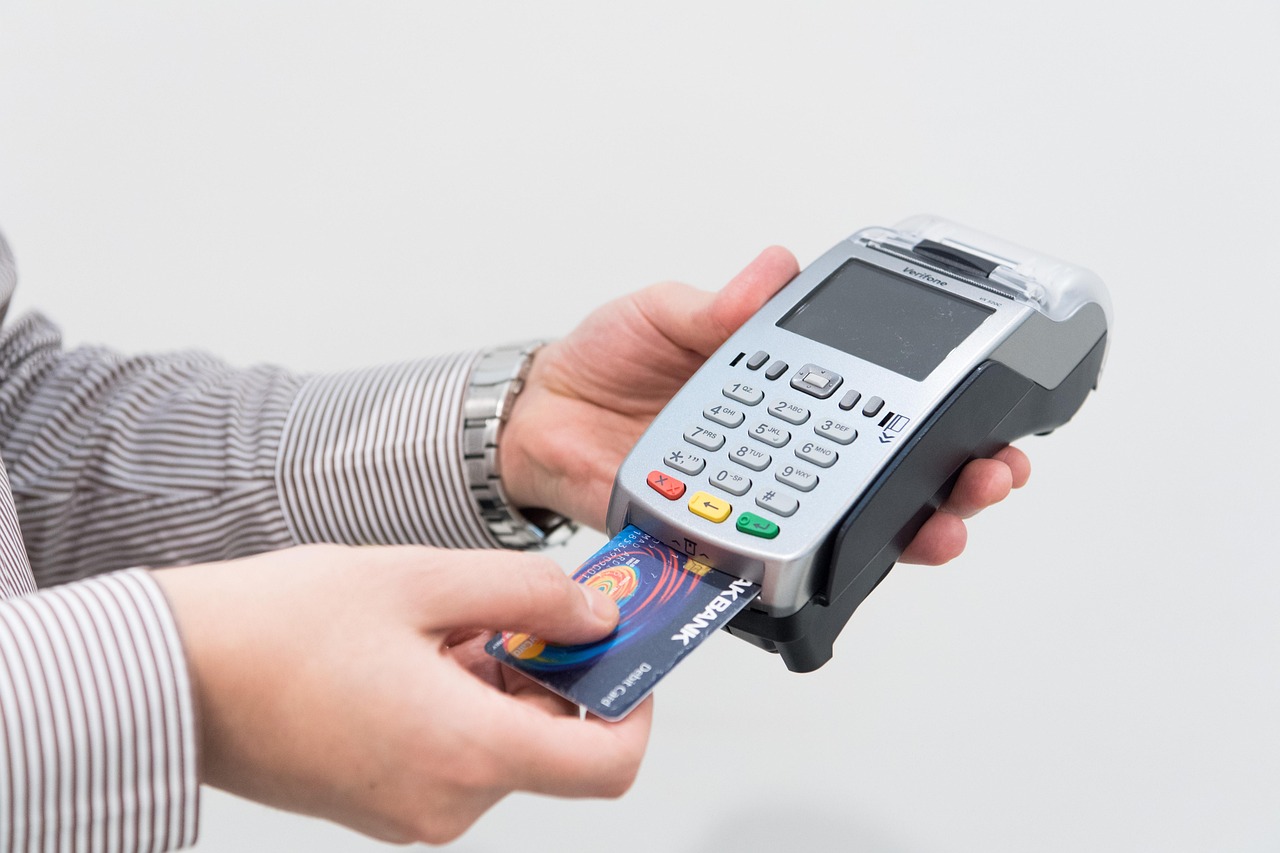
A well-chosen EPOS system is one of the most impactful investments a fish and chip shop owner can make — cutting queue times, reducing errors and giving you real-time control over one of the UK's most beloved takeaway formats. The right till handles everything from split payments and portion modifiers to rush-hour speed selling, while feeding sales data directly to your kitchen and accountancy software. This guide, written by the EPOS Direct UK team who support independent takeaways and hospitality businesses across the country every day, walks you through exactly what to look for, what to expect to pay, and how to choose with confidence.
Why a Chippy Needs More Than a Basic Cash Register
Fish and chip shops operate under a unique set of pressures that a standard cash register simply cannot handle. Trade is intensely peaky — quiet on Tuesday lunchtime, chaotic on a Friday evening — and the speed of service during those rushes directly determines how much revenue you take. Add to that the complexity of a typical menu (portion sizes, extras, combinations, meal deals) and the growing expectation of card and contactless payment, and it becomes clear that a dedicated EPOS solution pays for itself very quickly.
Beyond speed, a modern system gives you something a cash drawer never could: data. Which lines sell best on a Saturday? Are your mushy peas a profit driver or a drain? Is one member of staff consistently voiding more transactions than others? A quality EPOS system surfaces that intelligence automatically, letting you run a tighter, more profitable operation without extra admin.
If you're currently operating an older cash register, our guide on how to switch from a cash register to a modern EPOS system is a useful first read before evaluating specific hardware.
Key Features to Look for in a Takeaway Till System
Not every EPOS feature matters equally in a chippy environment. Prioritise the following when comparing options:
Speed-Selling and Quick-Service Layout
- Large, customisable touchscreen buttons — operators need to ring up orders without hunting through menus during a rush.
- Favourites and combo shortcuts — one tap for "Large cod and chips" rather than three separate line items.
- Rapid tender — the ability to accept common cash amounts or contactless with minimal button presses.
Menu and Modifier Management
- Portion size variations (small, regular, large) handled as modifiers, not separate products.
- Optional extras (curry sauce, mushy peas, pickled onion) added at the point of sale without disrupting flow.
- Meal deal and bundle pricing that applies automatically when qualifying items are selected.
Kitchen Printer or KDS Integration
Sending orders directly to a kitchen printer or kitchen display screen eliminates the verbal relay that causes errors during busy periods. Look for systems that support multiple print zones — one for the fryer, one for the counter — so each station gets only what it needs.
Integrated Card Payments
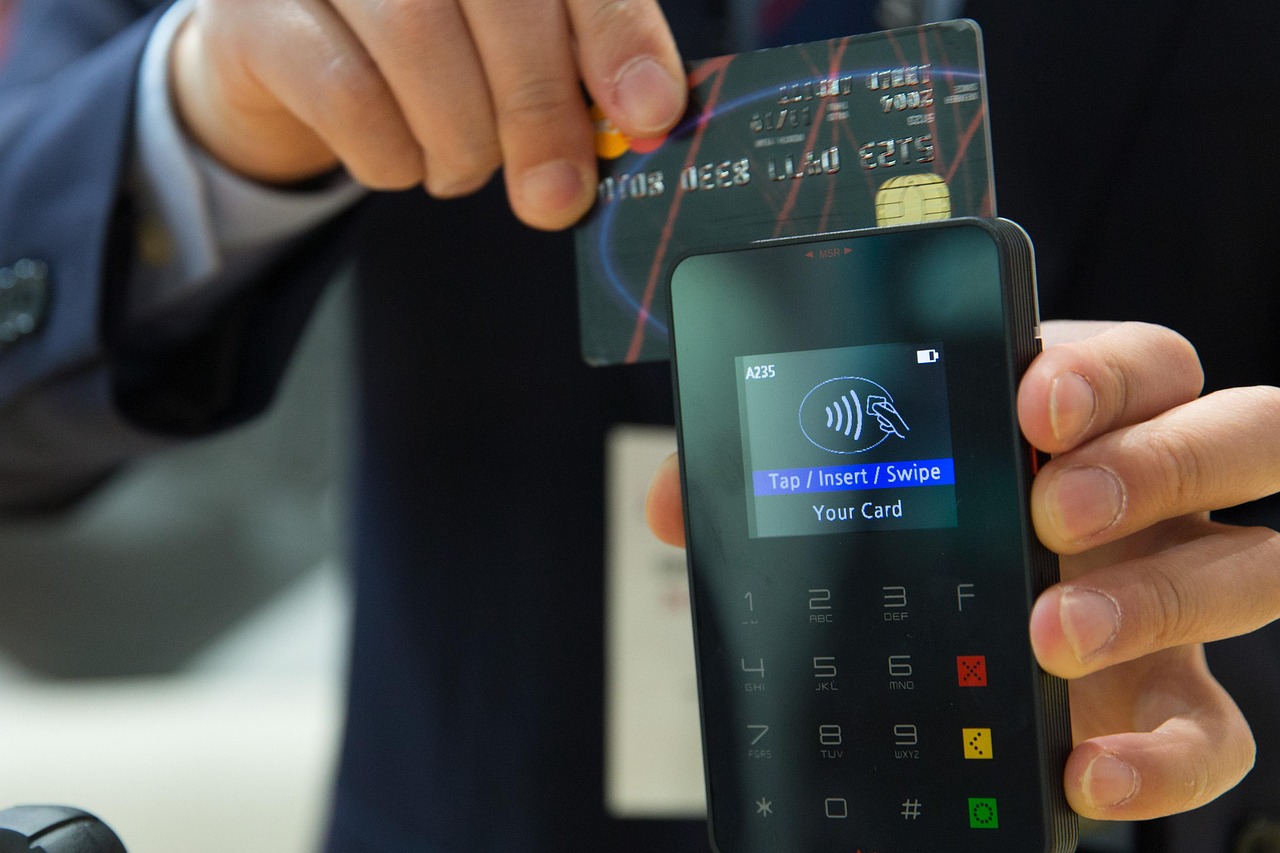
Consumers increasingly expect to pay by card, Apple Pay or Google Pay. An integrated card terminal means the payment amount is passed automatically from the till — no manual re-keying, no discrepancies at end of day. Our dedicated guide to combining a card machine and till system covers how integration works and what to watch out for.
Reporting and Stock Control
- End-of-day Z-reports and hourly sales breakdowns.
- Item-level profitability so you can see gross margin by product line.
- Low-stock alerts for ingredients you track (batter mix, oil, packaging).
Comparing Till System Approaches: A Buyer's Framework
There is no single "best" system — the right choice depends on your shop's size, volume and ambition. The table below maps common business profiles to the solution tier that tends to suit them best.
| Business Profile | Recommended Tier | Key Priorities | Typical Setup |
|---|---|---|---|
| Single-site takeaway, lower volume | Entry-level cloud EPOS | Speed, simplicity, low cost | One touchscreen terminal, integrated card reader, receipt printer |
| Busy single-site chippy, high Friday/weekend volume | Mid-range hospitality EPOS | Rush-hour speed, kitchen printing, online order integration | One or two terminals, kitchen printer, integrated payments, online ordering module |
| Multi-site fish and chip brand or franchise | Full hospitality EPOS suite | Centralised reporting, loyalty, staff management across sites | Multiple terminals per site, head-office dashboard, CRM, inventory management |
| Chippy with dine-in area | Hybrid retail/restaurant EPOS | Table management alongside counter service | Counter terminal plus table-ordering capability, split-bill functionality |
How a Good EPOS System Handles the Friday Rush
Friday evening is the proving ground for any chippy till. A poorly configured system becomes a bottleneck; a well-configured one becomes your fastest member of staff. Here is what makes the difference in practice:
- Pre-programmed rush layouts — the screen changes to show only your highest-volume items during peak hours, removing the cognitive load of navigating a full menu.
- Split-order queuing — one order can be held while another is processed, so a customer who needs a moment to decide does not freeze the whole queue.
- Automatic kitchen routing — the second an order is confirmed at the till, a printed docket or screen alert appears at the fryer station, cutting the verbal relay completely.
- One-touch payment — integrated contactless acceptance means a transaction completes in seconds, not the 30 seconds it takes to re-key an amount into a standalone card terminal.
If your shop also takes phone or online orders ahead of time, a system with pre-order scheduling lets staff prepare those in advance, so collection queues move faster still.
Integrating Online Ordering, Card Payments and Kitchen Printers
The most significant operational upgrade for a modern chippy is connecting these three elements into a single workflow. When a customer orders online, the order should flow directly to the kitchen printer without a member of staff having to re-enter it. When a card is tapped at the counter, the payment should post automatically to the transaction record. When the day ends, one consolidated report should show every channel — walk-in, phone, online — in a single view.
For card payment integration specifically, look for a system that supports major UK payment processors and handles contactless, chip-and-PIN and mobile wallet payments. Our guide to EPOS systems with integrated card payments in the UK explores this in detail, including what questions to ask about transaction fees and settlement times.
For wireless card acceptance at the counter or kerbside, our round-up of the best wireless card machines for small businesses is also worth reviewing alongside your till shortlist.
Ready to see how integration works in a real hospitality environment? You can explore the restaurant EPOS software demo from EPOS Direct UK to get a hands-on sense of the workflow before you commit.
What Does a Till System Cost for a Fish and Chip Shop?
Pricing varies considerably depending on whether you buy outright or subscribe monthly, how many terminals you need and which software features you require. The figures below are honest indicative ranges based on typical UK market conditions — they are not quotes and will vary by supplier and configuration.
- Entry-level cloud EPOS (single terminal, subscription): typically from around £30–£60 per month, covering software and support, with hardware costs additional or bundled.
- Mid-range hospitality EPOS with kitchen printer and integrated payments: most single-site setups fall in the range of £600–£1,500 for outright hardware, plus a software subscription of approximately £50–£100 per month.
- Full multi-terminal setup with online ordering integration: typically from £1,500–£3,000+ for hardware, with monthly software and support fees in the £80–£200 range depending on feature set.
- Transaction fees for integrated card processing: vary by payment processor and volume; expect to pay a percentage per transaction, often in the range of 1–2.5% for card-present transactions, though negotiation is possible at higher volumes.
The question of whether to subscribe monthly or purchase outright is worth thinking through carefully before signing anything. Our detailed breakdown of monthly EPOS subscriptions versus outright purchase explains the real-world trade-offs for independent takeaways. If you'd prefer to talk through the numbers with a specialist, you can talk to an expert online at EPOS Direct UK — no obligation, just straightforward guidance.
How to Choose and Set Up the Right System for Your Chippy
Choosing a till system is ultimately a decision about where your operation is today and where you want it to be in three years. Here are the questions worth working through before you decide:
Do you need one terminal or two?
A second terminal at the counter pays for itself quickly in a high-volume shop by halving queue time during peak hours. If your Friday takings would justify even a modest increase in throughput, the investment usually makes sense.
Will you integrate online ordering now or later?
Even if you don't currently take online orders, choosing a system that supports integration means you won't need to replace your hardware when you do. Build for where you're going, not just where you are.
What level of reporting do you actually need?
A small, owner-operated chippy may need only basic sales reports. A multi-site operator will want staff performance data, site-by-site comparisons and integration with accountancy software. Be honest about your needs — don't pay for complexity you won't use.
Setting up: what a smooth installation looks like
- Menu build — enter your products, modifiers and pricing before go-live, ideally with supplier support.
- Staff training — most modern systems need only an hour or two of familiarisation for counter staff.
- Payment integration testing — run test transactions on every payment method before the first real customer.
- Kitchen printer positioning — place it where staff can see the docket without crossing the counter, and test order routing thoroughly.
- Go-live during a quiet period — not on a Friday evening.
For a broader view of how these principles apply across different small business types, our practical buyer's guide to till systems for small businesses offers useful context alongside this more focused resource.
The Direct Answer: Which System Is Best?
The best EPOS system for a fish and chip shop is one that prioritises touchscreen speed, kitchen printer integration and seamless card payment acceptance — configured specifically for high-volume counter service. For most single-site chippies, a mid-range hospitality EPOS with an integrated card reader and at least one kitchen print zone will deliver the strongest return. Multi-site or higher-ambition operations should look at full hospitality suites with centralised reporting and online ordering capability built in.
Ready to Find the Right System for Your Shop?
EPOS Direct UK works with independent takeaways, fish and chip shops and hospitality businesses across the UK, helping owners find systems that genuinely fit their operation rather than over-spec or under-deliver. Explore the full range of options on the EPOS Direct UK home page, or take a closer look at our hospitality and restaurant EPOS offers to see what's currently available. If you'd like a personalised recommendation before committing to anything, request a free demo and one of our specialists will walk you through the options that make sense for your chippy — at no cost and no pressure.
Frequently asked questions
- What features should a till system have specifically for a chip shop?
- A good chip shop till system should support quick single-tap item ordering for high-volume rushes, customisable portion sizes and meal deals, kitchen display or receipt printer integration, cash and card payment processing, and end-of-day sales reporting. Look for systems that allow you to programme a simple menu layout so staff can serve customers rapidly without navigating complex menus.
- How much does an EPOS system typically cost for a fish and chip shop in the UK?
- In the UK, a basic chip shop EPOS setup including the touchscreen till, receipt printer and card terminal typically starts from around £500 to £800 as a one-off hardware cost. Monthly software subscriptions usually range from £20 to £60 per month depending on features such as online ordering integration or stock management. EPOS Direct offers tailored packages, so it is worth requesting a quote to get an accurate price based on your specific setup.
- Can a chip shop till system integrate with Just Eat or Deliveroo?
- Yes, many modern EPOS systems can integrate with third-party delivery platforms such as Just Eat, Deliveroo and Uber Eats, pulling online orders directly into your till or kitchen printer to eliminate manual re-entry errors and speed up fulfilment. Check with your provider whether this integration is included in the package or available as an add-on.
