We use cookies to make your experience better.
To comply with the new e-Privacy directive, you agree to the privacy policy and our use of cookies


The Best Till Systems for Hairdressers and Hair Salons in the UK
The Best Till Systems for Hairdressers and Hair Salons in the UK
For hairdressers and barbershops across the UK, a capable electronic point-of-sale system is no longer a luxury — it is the operational backbone that ties together appointments, payments, staff management and client records into one seamless workflow. The right salon till system will reduce no-shows, speed up checkout, and give you the business intelligence to grow confidently. This guide, written by the EPOS Direct UK team who help UK salons find the right POS setup every day, walks you through everything you need to make a well-informed choice.
Why Hair Salons Need a Dedicated EPOS Solution
A generic cash register or basic card reader handles transactions — but it cannot manage a double-booking, remind a client about their colour appointment, or tell you which stylist generates the most revenue from retail product sales. Hair salons operate a hybrid model: they sell both services and physical products, handle walk-ins alongside pre-booked appointments, and often run a team of self-employed stylists alongside employed staff. Each of these nuances creates complexity that only a purpose-built or highly configurable EPOS platform can resolve cleanly.
Beyond the day-to-day, HMRC's Making Tax Digital initiative means accurate digital record-keeping is increasingly mandatory for VAT-registered businesses. A modern salon EPOS system generates the audit trail and export formats that make compliance straightforward rather than stressful. You can verify the current MTD thresholds and requirements directly on HMRC's Making Tax Digital guidance pages.
Key Features to Look for in a Salon Till System
Not every EPOS feature matters equally to a hair salon. Before comparing systems, build a checklist around your specific operation. The following capabilities should sit at the top of your evaluation.
Appointment and Booking Management
The ability to create, edit and view a column-by-column stylist diary — ideally with online client self-booking — is arguably the single most important differentiator for a salon till. Look for automated SMS or email reminders, configurable service durations, and the ability to block personal time alongside client slots.
Client Profile and History
A robust CRM layer lets you record formulas, preferences, allergy alerts and purchase history against each client's profile. Over time this data drives loyalty campaigns, targeted promotions and the personalised service that keeps clients returning.
Mixed-Product Inventory
Your EPOS must handle both service line items (which carry no stock impact) and retail products — shampoos, conditioners, styling tools — with full stock tracking, low-stock alerts and supplier management.
Staff and Commission Reporting
Salons frequently operate a commission or chair-rental model. The system should calculate and report individual stylist earnings, track hours, and separate employed and self-employed payroll data cleanly.
Integrated Payment Processing
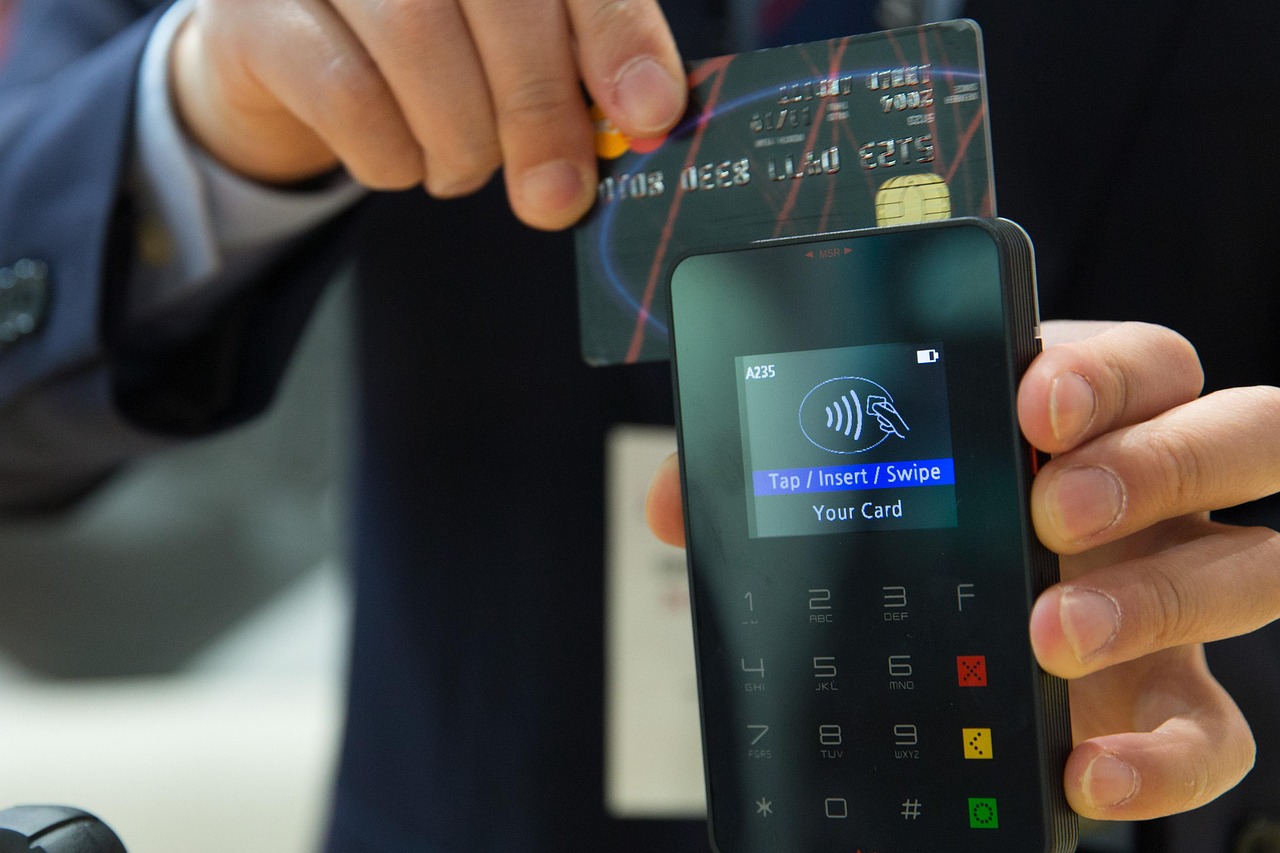
A till and card machine that communicate natively eliminate manual entry errors and disputed end-of-day reconciliations. For salons, combining your card machine and till into one integrated system is worth the marginal extra cost.
Loyalty and Gift Vouchers
Digital loyalty schemes and pre-loaded gift vouchers are proven revenue drivers for salons. Confirm these are built into the platform rather than requiring a costly third-party add-on.
How a Salon Till Handles Appointments and Walk-Ins
One question salons consistently ask is: "Can the same system manage a fully booked Saturday of pre-arranged appointments and a steady stream of walk-ins without creating chaos?" The answer, with the right EPOS, is yes — provided the system supports real-time diary visibility across the front desk and each stylist's own tablet or device.
Walk-in clients are added to a waiting or queue module that shows estimated availability per stylist. When a stylist becomes free, the walk-in is assigned and the transaction opens automatically, pulling in the client's profile if they have visited before. Pre-booked appointments convert to open transactions at check-in, so the stylist can add retail products, additional services or tips before the client settles the bill. A well-configured system means reception is never caught asking "who are you here for?" in front of a full salon.
For salons juggling multiple locations, cloud-based EPOS dashboards let an owner monitor live appointment load, revenue and stock levels across every site from a single login — an operational advantage that basic booking apps simply cannot match.
Payment Processing Options for UK Hair Salons
UK consumers now expect to pay by contactless card, mobile wallet or — increasingly — by link or QR code. Your salon EPOS should support all of these without forcing clients to queue at a fixed terminal. Consider the following options:
- Countertop card terminals — reliable for busy reception desks with high transaction volumes.
- Wireless card machines — allow stylists to take payment at the chair, reducing client wait times and improving the checkout experience. See our guide to choosing the best wireless card machine for a small UK business for a detailed breakdown.
- Pay-by-link and QR codes — particularly useful for taking deposits on high-value colour bookings, reducing no-shows without requiring clients to attend in person.
- No-monthly-fee card processing — if your transaction volume is lower (for example, a one-chair barber), a card machine with no monthly fee may offer a more cost-effective entry point.
Whichever hardware you choose, ensure your processor is fully PCI-DSS compliant and that the integration with your EPOS till is certified rather than reliant on a workaround. If you would like to explore integrated payment options specific to your salon, you can talk to an expert online at EPOS Direct without any obligation.
Comparing Salon EPOS Approaches: A Practical Overview
| Approach | Best For | Appointment Management | Inventory Control | Reporting Depth | Typical Setup Complexity |
|---|---|---|---|---|---|
| Full salon EPOS suite (hardware + software) | Established salons, multi-chair, multiple staff | Full diary, online booking, reminders | Products + services, supplier management | Advanced — stylist, product, revenue | Guided setup, on-site or remote |
| Cloud-based salon software on tablet/iPad | Independent stylists, small barbershops | Good — app-based, client self-booking | Basic to moderate | Moderate | Low — self-service |
| Generic retail EPOS with salon add-ons | Salons with a strong retail focus (e.g. product boutique) | Limited or third-party integration only | Strong retail inventory | Good for retail, weaker for services | Moderate — requires configuration |
| Basic card reader + booking app (separate tools) | Solo chair renters, mobile barbers | Booking app only, not integrated | None | Minimal | Very low |
As your salon grows, the cost of disconnected tools — manual data transfers, reconciliation errors, missed upsell opportunities — consistently outweighs the saving made by patching together cheaper separate systems. For a broader view of how EPOS investment scales with business size, our practical buyer's guide to till systems for small UK businesses covers the core decision framework in detail.
What Does a Salon EPOS System Cost in the UK?
A realistic question for any salon owner is: "What should I expect to pay, and what do I get at each price point?" Costs vary depending on the number of terminals, the depth of software features and whether you opt for a managed hardware bundle or bring your own device.
- Entry-level cloud software only (BYOD) — typically from around £30–£60 per month for a single-user licence with basic appointment and payment features.
- Mid-range salon EPOS bundle (touchscreen till, receipt printer, card terminal, full salon software) — most setups fall in the range of £80–£150 per month on a managed service agreement, or a one-off hardware cost with a lower ongoing software fee.
- Multi-terminal or multi-site deployments — indicatively £150–£300+ per month depending on the number of chairs, staff accounts and additional modules such as online booking or advanced loyalty.
- Transaction fees — card processing rates in the UK typically range from around 1% to 2.5% per transaction depending on your volume, processor and card type; always factor this into your total cost of ownership.
These figures are indicative of the UK market and should be used for budgeting guidance only — your actual quote will depend on your specific requirements. To get accurate pricing without obligation, request a free personalised demo from EPOS Direct and discuss your salon's exact setup. You can also explore our guide to the most affordable EPOS systems for small UK businesses if keeping upfront investment low is a priority.
How to Choose the Right Till System for Your Salon
With a clear sense of what a salon EPOS should do, the selection process becomes more methodical. Work through these questions before committing:
- How many stylists and terminals do you need simultaneously? A three-chair barbershop has very different concurrency needs from a twelve-stylist salon with a separate retail counter.
- Do you need online booking? If a significant share of your clients book via Instagram, Google or your website, native online booking integration is essential — not a nice-to-have.
- What is your retail product turnover? High retail volume justifies a system with barcode scanning, stock-take tools and purchase order management. Lower retail turnover means simpler inventory is fine.
- Will you take deposits? For colour, extensions or keratin treatments — where a no-show costs you significant time and product — deposit-taking at booking is a strong financial safeguard. Confirm the platform supports this natively.
- What level of ongoing support do you need? Busy salons cannot afford downtime. Prioritise suppliers with UK-based telephone support and a documented SLA, rather than chatbot-only helpdesks.
If your business sells clothing or accessories alongside salon services — a growing model for lifestyle boutique salons — it is also worth reading our guide to EPOS systems for UK clothing retailers, which covers inventory and retail-specific features in depth.
For a comprehensive technical grounding in how modern EPOS platforms work before you start demos, the EPOS Direct complete guide to EPOS and POS systems for UK businesses is an excellent starting point, and our complete 2026 guide to EPOS for small businesses covers scalability considerations in detail.
Conclusion: Finding the Right System for Your Salon
The ideal salon EPOS is one that quietly handles the operational complexity of running a busy hair salon — appointments, walk-ins, mixed inventory, staff commissions and integrated payments — so that you and your team can focus on delivering an exceptional client experience. The right system pays for itself quickly through reduced no-shows, faster checkout, smarter stock management and the kind of client retention that word-of-mouth alone cannot sustain.
EPOS Direct UK specialises in helping salons across the country find, configure and support systems that fit their exact needs and budget. Request a call back from our team, or request a free demo today and see how the right till system can transform the way your salon operates. For more offers and information across our full range of EPOS solutions, visit the EPOS Direct UK home page.
Frequently asked questions
- What features should a till system have for a busy hair salon?
- A good hairdresser till system should include appointment booking integration, client history and notes, staff commission tracking, product and service split reporting, gift voucher support, and fast card payment processing. Cloud-based systems also let you check takings and bookings remotely, which is ideal for salon owners managing multiple chairs or locations.
- How much does a salon EPOS system typically cost in the UK?
- In the UK, a basic hairdresser till setup — including a touchscreen terminal, receipt printer, and card reader — typically starts from around £300 to £600 as a one-off hardware cost, with monthly software subscriptions ranging from £20 to £80 depending on features. Full multi-station salon packages with advanced reporting and booking integrations can range from £800 to £1,500 or more. EPOS Direct offers tailored quotes so you only pay for what your salon actually needs.
- Can I use an EPOS system if I rent a chair rather than own the whole salon?
- Yes. Chair renters can benefit from compact, portable EPOS solutions such as tablet-based systems or handheld card readers that let you take payments, track your own services and build a client record independently. Some systems also allow multiple user profiles within a single salon, making them ideal for chair-rental setups where each stylist manages their own bookings and takings.
