We use cookies to make your experience better.
To comply with the new e-Privacy directive, you agree to the privacy policy and our use of cookies


The Best Till Systems for Small Shops: A UK Buyer's Guide
The Best Till Systems for Small Shops: A UK Buyer's Guide
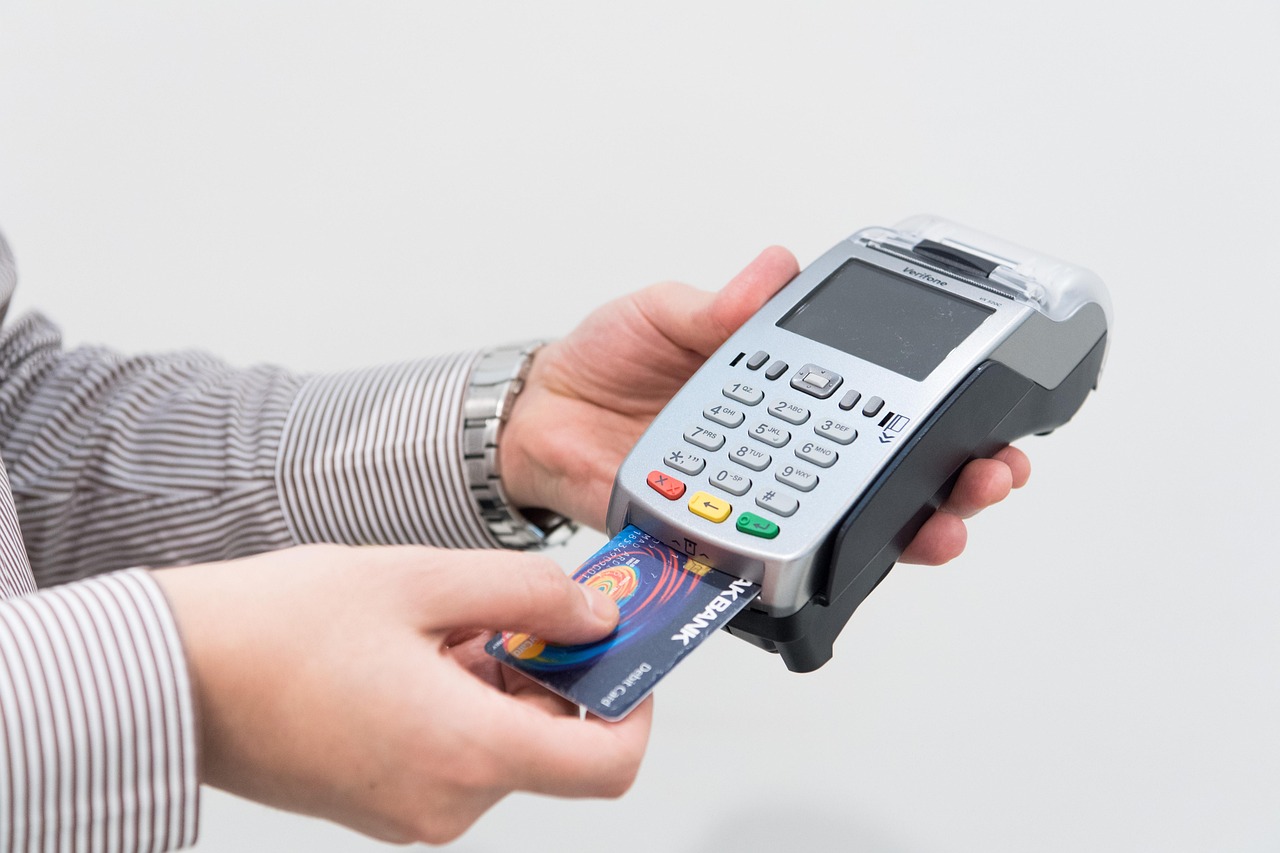
Choosing the right till system is one of the most consequential decisions a small shop owner makes — it touches every transaction, every stock count, and every customer interaction from day one. The good news: the UK market now offers genuinely excellent options at every price point, from compact all-in-one touchscreen terminals to fully cloud-connected EPOS suites. This guide cuts through the noise and gives you a clear, practical framework for finding the system that fits your shop, your budget, and the way you actually work.
Written by the EPOS Direct UK team, who help independent and growing UK retailers find and configure the right point-of-sale technology every day.
What Should a Small Shop Look for in a Till System?
Before comparing hardware or software packages, it pays to be clear about your own operation. A florist, a convenience store, and a boutique clothing shop all have different rhythms — and what works brilliantly for one can be clunky for another.
The non-negotiables
- Speed at the point of sale. A queue-friendly interface that staff can learn in an afternoon, not a week.
- Reliable payment processing. Card acceptance is no longer optional — the majority of UK retail transactions are now card or contactless. Your till and card machine should work together seamlessly; see our guide to combining a card machine and till system for more on integration options.
- Inventory tracking. Even a small shop with a few hundred SKUs benefits from live stock levels that update automatically at every sale.
- Reporting you'll actually read. End-of-day Z-reports, bestseller lists, and margin summaries help you make better buying decisions.
- Scalability. If you open a second site or start selling online, your system should grow with you rather than force a painful migration.
Questions worth asking yourself first
- Do I need the till to work offline when broadband drops?
- Will I ever need age-verification prompts, weighed items, or variable pricing?
- How important is loyalty or promotions functionality right now versus in two years?
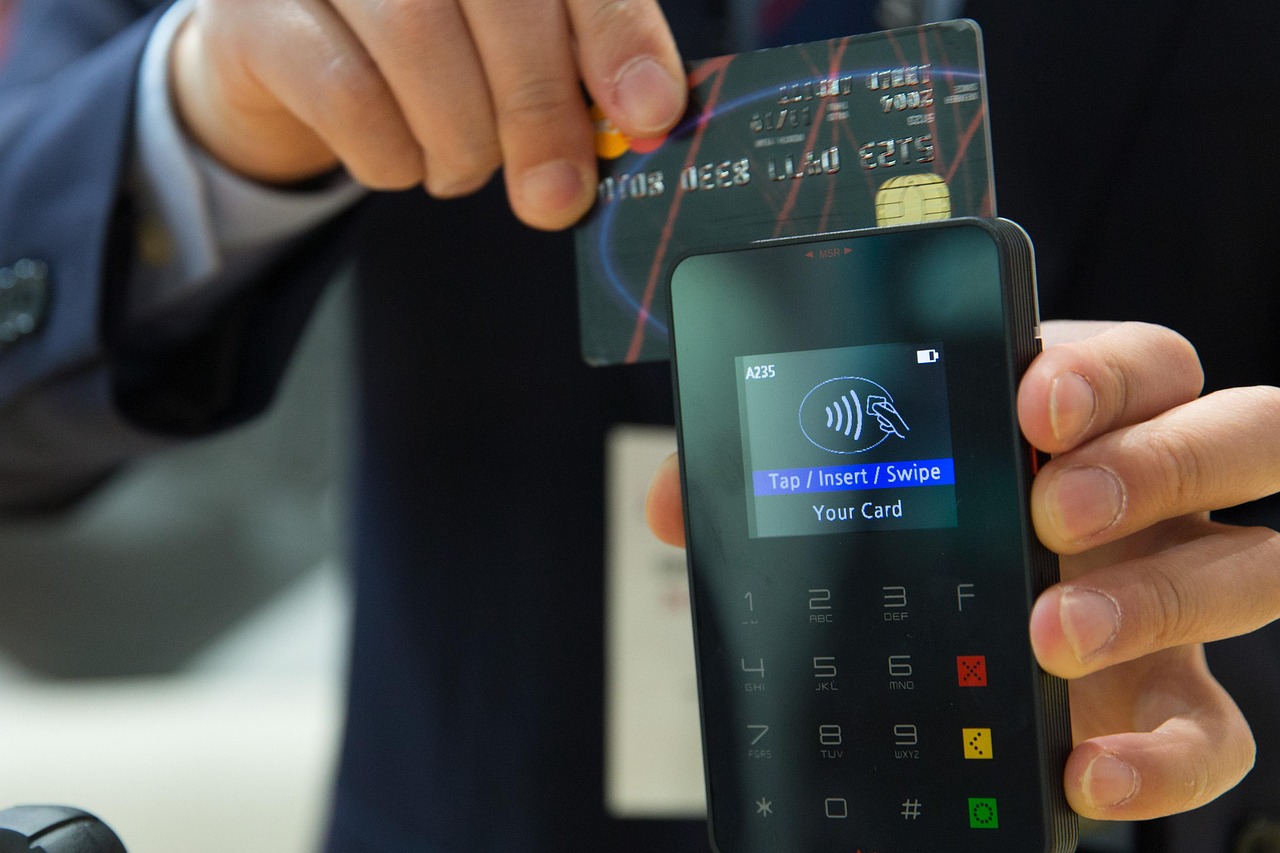
Types of Till Systems Available for Small Retailers
The UK retail market broadly offers four categories of point-of-sale solution. Each has a distinct profile of cost, capability, and commitment.
| Type | Best for | Typical hardware | Software model | Relative cost |
|---|---|---|---|---|
| All-in-one EPOS terminal | Most independent shops | Touchscreen terminal, integrated or separate printer and scanner | Cloud or hybrid | Mid-range upfront; predictable monthly fee |
| Tablet-based POS | Pop-ups, markets, low-volume boutiques | iPad or Android tablet with card reader | Subscription SaaS | Lower upfront; monthly fees vary widely |
| Traditional ECR (electronic cash register) | Cash-heavy, very simple operations | Standalone register with receipt printer | None (standalone) | Low upfront; limited capability |
| Full EPOS suite | Growing retailers, multi-category shops | Dedicated terminal, barcode scanner, receipt printer, cash drawer, customer display | Cloud-connected, often with back-office portal | Higher upfront or finance; comprehensive features |
For the vast majority of established small shops — convenience stores, gift shops, fashion boutiques, newsagents, farm shops — a full EPOS suite or an all-in-one terminal with cloud software delivers the best return. If you run a clothing retail business specifically, our dedicated article on the best EPOS systems for clothing shops goes deeper on size/colour matrix management and seasonal stock.
Key Features That Make the Biggest Difference Day-to-Day
Stock management
Live inventory that decrements at the point of sale stops you over-ordering slow lines and running out of bestsellers. Look for low-stock alerts, supplier purchase order generation, and the ability to import a product catalogue via CSV rather than entering thousands of items manually.
Integrated payments
When your card machine and till talk to the same system, end-of-day reconciliation is automatic. No manually cross-checking PDQ totals against till takings. If you want flexibility on payment hardware, our guide to wireless card machines for small businesses covers the options worth considering alongside a full EPOS setup.
Cloud back-office access
Being able to check yesterday's sales from your phone at a trade show, or update prices from home the evening before a promotion goes live, is genuinely transformative for a one-person operation. Cloud software makes this routine rather than exceptional.
Staff management and permissions
Even with a small team, role-based permissions matter — so a part-time member of staff can process refunds but not alter prices, and you maintain a clean audit trail.
Promotions and discounts
Percentage discounts, multi-buy deals, and loyalty point schemes are table stakes for retail today. Confirm these are included in the base package, not sold as expensive add-ons.
Receipt options
Printed receipts remain standard, but email or SMS receipts are increasingly expected — and they also give you a legitimate way to build a customer contact list with proper consent under UK GDPR.
How Much Does a Till System Cost for a Small Shop in the UK?
Pricing in this market varies considerably, but the following ranges reflect what independent UK retailers typically encounter. All figures are indicative guidance — your exact cost will depend on hardware spec, software tier, payment processing volume, and any finance or lease arrangements.
- Entry-level tablet POS setup: typically from around £200–£400 for hardware, plus a software subscription that can range from roughly £20 to £60 per month per terminal.
- All-in-one EPOS terminal: hardware typically from around £600–£1,200 for a complete countertop bundle (terminal, printer, cash drawer, scanner). Software subscriptions commonly fall between £30 and £80 per month depending on features.
- Full EPOS suite for a growing shop: hardware investment typically £1,000–£2,500+, often available on monthly finance to spread the cost. Software at this tier, with stock management, multi-site reporting, and integrations, is typically £50–£150 per month.
- No-monthly-fee models: some providers offer a higher upfront hardware cost in exchange for no recurring software fee. This can make sense for very low-volume operations — explore the pros and cons in our article on EPOS systems with no monthly fee.
Payment processing costs (card transaction fees) are separate and depend on your card machine provider and monthly card turnover. Always ask for a blended rate illustration based on your actual volume rather than a headline rate that may only apply to a narrow transaction type.
Cloud-Based vs Traditional EPOS: Which Is Right for You?
This is one of the questions retailers ask most often, and the honest answer is that for most small shops opening today, cloud-based EPOS is the better default — with one important caveat.
| Factor | Cloud EPOS | Traditional (server-based) EPOS |
|---|---|---|
| Remote access to data | Yes — anywhere, any device | No (or complex VPN setup) |
| Software updates | Automatic, included | Manual, often chargeable |
| Offline resilience | Depends on system — check carefully | Fully functional without internet |
| Multi-site management | Straightforward from one dashboard | Complex, often requires on-site IT |
| Data security | Managed by provider (check certifications) | Your responsibility to back up and secure |
| Upfront cost | Lower hardware cost, ongoing subscription | Higher upfront, lower ongoing |
The caveat: if your broadband connection is unreliable, confirm that the cloud system you choose has a robust offline mode before signing anything. A good provider will demonstrate this clearly — you should be able to process sales locally and sync automatically when connectivity resumes. Explore the EPOS Direct software platform to see how offline resilience is handled in practice, or book a retail EPOS software demo and ask the team to show you the offline workflow specifically.
Comparing EPOS Approaches for Small Shops
Rather than ranking specific competitor products (whose pricing and feature sets change regularly), the most useful comparison is between the approaches that shape your buying decision. The table below maps the most common retailer profiles to the solution tier that typically serves them best.
| Retailer profile | Recommended approach | Must-have features | Watch out for |
|---|---|---|---|
| Sole-trader convenience or newsagent | All-in-one EPOS terminal, cloud software | Fast barcode scanning, tobacco/age-verify prompts, cash management | Per-transaction fees eating into low-margin lines |
| Independent boutique or gift shop | Full EPOS suite with loyalty module | Variant management, customer accounts, email receipts | Overly complex UI that slows peak-time serving |
| Market trader or pop-up | Tablet POS with wireless card reader | Strong offline mode, portable hardware, fast setup | Limited stock depth and reporting in entry-level plans |
| Farm shop or deli | EPOS suite with weighed items and variable pricing | PLU codes, scales integration, allergen labelling | Systems that treat every product as a fixed-price barcode |
| Growing multi-category shop | Cloud EPOS with back-office portal and integrations | Multi-site ready, e-commerce sync, supplier ordering | Locking into a system that can't scale to a second site |
For a broader overview of what the EPOS Direct platform offers across retail business types, the complete EPOS system guide for small businesses covers the full range of use cases in detail.
How to Get Set Up Quickly Without the Hassle
One of the most common anxieties among independent retailers is the fear that switching to — or installing for the first time — a proper EPOS system will mean days of downtime, technical headaches, and a steep learning curve. In reality, modern retail EPOS systems are designed with fast deployment in mind. Here is what a smooth setup process should look like.
- Audit your products first. Export your existing product list, or if you're starting fresh, categorise your range before you begin entering data. Most good EPOS systems support bulk CSV import, which saves hours.
- Request a demo before you commit. Any reputable supplier should show you the live software on a system configured for your type of shop — not a generic tour. You can request a free demo from EPOS Direct to see exactly how the system would work in your specific retail environment.
- Confirm training is included. Staff training should be part of your installation package, not an optional extra charged by the hour.
- Check ongoing support hours. If you trade on Saturdays and your provider only offers Monday-to-Friday support, that is a material gap. Confirm telephone and remote support availability before signing.
- Plan your go-live carefully. Many retailers choose a quieter mid-week day for the switchover, running a brief parallel period where both the old and new system are used simultaneously until confidence is established.
If you want to talk through your specific setup requirements before making any decisions, the EPOS Direct team is available to help — you can talk to an expert online or request a call back at a time that suits you.
For a complete grounding in how EPOS technology works and what to expect from installation to day-to-day use, the complete EPOS system guide for UK retail and hospitality businesses is an excellent next step.
The Short Answer: Which System Should a Small Shop Choose?
For most independent UK retailers, a cloud-connected all-in-one EPOS terminal — paired with an integrated card machine and a software package that covers stock management, reporting, and customer receipts — represents the best combination of capability, affordability, and ease of use. Tablet-based systems suit very lean or mobile operations; a full EPOS suite makes sense as soon as your product range or ambitions for growth warrant it. The right choice is always specific to your shop, your volume, and your plans.
Ready to Find the Right Till System for Your Shop?
EPOS Direct UK has helped independent retailers across the country find, configure, and get the most from their point-of-sale systems — from single-terminal corner shops to growing multi-site independents. Visit the EPOS Direct home page for the latest offers and information, or go straight to our retail EPOS offers to see current packages built specifically for shops like yours. If you'd prefer to speak with someone who understands small retail, talk to an expert online — no pressure, just practical advice from people who know the technology inside out.
Frequently asked questions
- How much should I expect to pay for a till system for a small shop in the UK?
- For a single-till setup in the UK, you can expect to pay anywhere from £300 to £900 for entry-level hardware, with cloud-based EPOS software typically adding a monthly subscription of £15 to £50. All-in-one bundles from providers like EPOS Direct often start around £499 and include the touchscreen terminal, receipt printer, and barcode scanner, making them a cost-effective choice for most small retailers. Always check whether stock management, reporting, and payment integration are included or cost extra.
- Do I need an internet connection to run a till system in my shop?
- Most modern cloud-based EPOS systems require a broadband connection to sync data and access reporting in real time, but many are designed to work in offline mode during outages — processing sales locally and syncing once your connection is restored. If your shop has unreliable internet, look specifically for systems that advertise robust offline functionality so you are never left unable to take payments.
- Can a small shop till system handle card payments and cash at the same time?
- Yes — the majority of current EPOS till systems support integrated card payment terminals alongside a cash drawer, so you can accept chip and pin, contactless, and mobile wallet payments as well as cash from a single interface. Integrated card processing tends to reduce errors compared with using a separate standalone card machine, and many providers can arrange merchant services or integrate with major payment processors such as Worldpay, SumUp, or Stripe.
