We use cookies to make your experience better.
To comply with the new e-Privacy directive, you agree to the privacy policy and our use of cookies


The Best Till Systems for Takeaway Shops in the UK: A Practical Buyer's Guide
The Best Till Systems for Takeaway Shops: What UK Owners Need to Know

For a takeaway shop, the till system is far more than a payment terminal — it is the engine room of your operation, coordinating orders, managing kitchen workflow, handling delivery platforms and keeping queues moving during your busiest rushes. The best EPOS systems for takeaways combine speed, simplicity and deep integrations with the tools that define modern takeaway life: online ordering, kitchen display screens and card payments. This guide, written by the EPOS Direct UK team who support independent takeaways and quick-service restaurants across the country every day, gives you the practical framework to choose the right system with confidence.
Why Takeaways Need a Different Kind of Till System
A standard retail till manages stock and processes payments. A takeaway operation demands considerably more. Orders flow in from multiple channels simultaneously — walk-in customers at the counter, phone calls, your own online ordering page and third-party delivery platforms. Each order must reach the kitchen instantly, with correct modifiers (no onions, extra sauce, large portion), and the customer must know when their food is ready. A generic till with no kitchen communication or order-routing logic creates bottlenecks, errors and lost revenue.
The right system eliminates manual relay between the counter and kitchen, consolidates delivery orders into a single screen and produces the end-of-day reporting that tells you which dishes are actually profitable. If you are also exploring options for other types of retail businesses, our complete buyer's guide to till systems for small businesses provides useful wider context.
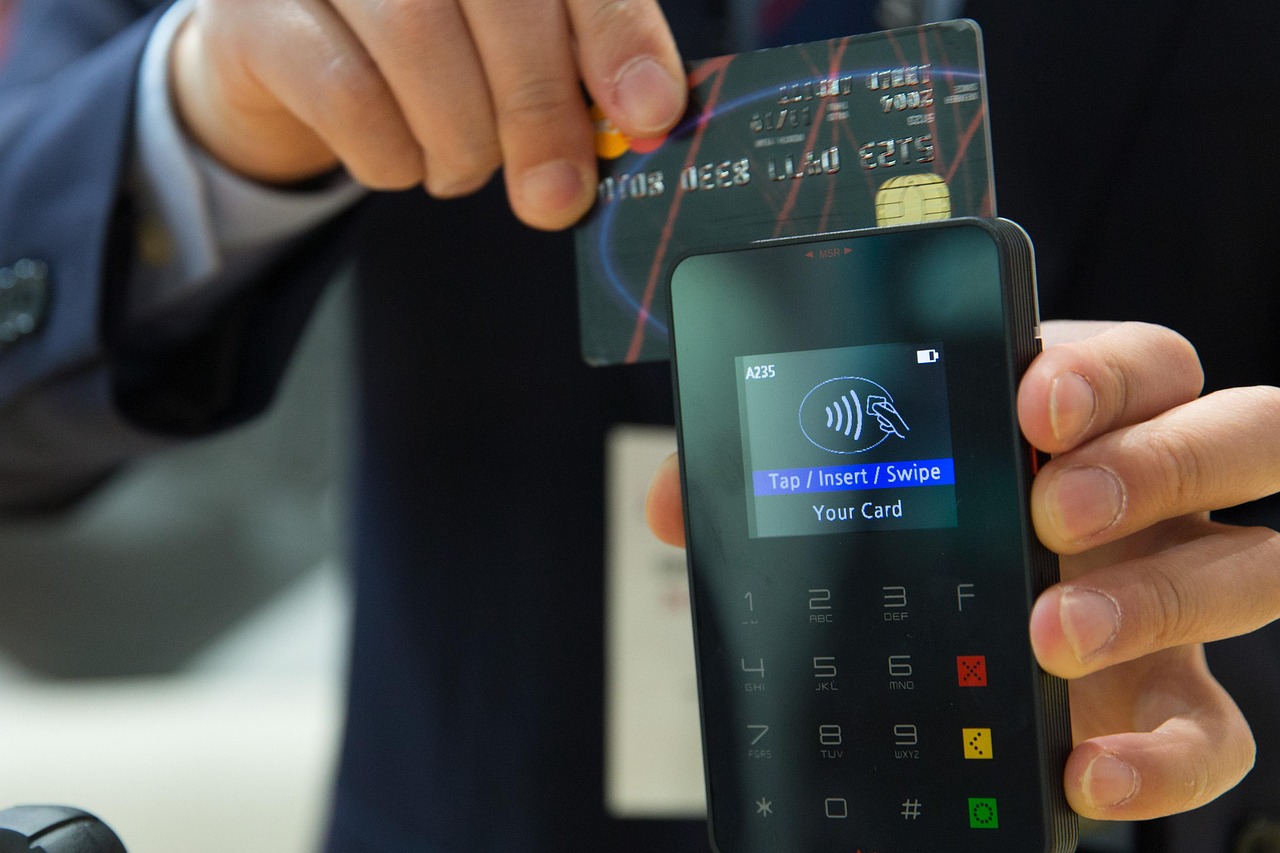
Key Features to Prioritise in a Takeaway EPOS System
Not every feature matters equally to every shop. The following are the capabilities that genuinely move the needle for a high-volume UK takeaway:
Order Management & Modifier Handling
- Forced modifiers: The system should require staff to confirm size, sauce or extras before an order is placed — eliminating the most common kitchen errors.
- Order splitting: Useful when a group orders separately at the counter but collects together.
- Order status tracking: Real-time updates for counter staff on what is ready, in progress or delayed.
Kitchen Display System (KDS) Integration
A Kitchen Display System replaces paper dockets with a colour-coded screen in the kitchen. Orders appear the moment they are placed at the counter or received online — no shouting, no lost tickets. Look for KDS that can prioritise by estimated cook time and flag overdue orders visually.
Multi-Channel Order Consolidation
If you accept orders via Deliveroo, Uber Eats, Just Eat or your own website, a quality takeaway EPOS system pulls all of these into one queue rather than requiring separate tablets for each platform. This alone can save significant time during a Friday-night rush.
Fast Payment Processing
Queue-busting card payments are non-negotiable. An integrated card terminal removes the double-entry errors that occur when card machines and tills are separate. For a deeper look at how combined solutions work, see our guide to card machine and till system combinations.
Menu Management & Upselling Prompts
The ability to update your menu in real time — new specials, sold-out items, price changes — from a back-office portal (ideally cloud-based) saves time and prevents awkward customer conversations. Automated upsell prompts ("Would you like a drink with that?") increase average order value with no additional staff effort.
Reporting & Sales Analytics
You should be able to see, at a glance, which dishes are your margin leaders, which hours drive the most revenue and how your average transaction value trends over time. This is the data that informs menu engineering, staffing and promotional decisions.
Cloud-Based vs Traditional EPOS: Which Makes More Sense for a Takeaway?
This is one of the questions we hear most often. The honest answer is that cloud-based EPOS is now the right choice for the vast majority of UK takeaway businesses.
| Consideration | Cloud-Based EPOS | Traditional (Server-Based) EPOS |
|---|---|---|
| Menu updates | Instant, from any browser | Requires on-site access or engineer visit |
| Remote reporting | Full access from anywhere | Limited or unavailable off-site |
| Software updates | Automatic, included in subscription | Manual, often chargeable |
| Upfront cost | Lower (hardware + monthly fee) | Higher (server, licences, installation) |
| Offline resilience | Good modern systems cache locally | Fully operational offline by design |
| Delivery integration | Native API connections available | Limited; often requires middleware |
| Multi-site management | Centralised dashboard | Complex, site-by-site configuration |
Cloud EPOS does require a reliable internet connection, but most providers now include local data caching so the till continues to function during short outages — a legitimate concern for any busy service period. If you want to weigh the financial implications in more detail, our article on monthly EPOS subscriptions versus outright purchase covers the cost-benefit analysis honestly.
Kitchen Display Systems, Online Ordering & Delivery Integrations Explained
Kitchen Display Systems
A KDS screen typically mounts in the kitchen or food prep area and receives orders directly from the EPOS. Each order card shows the items, any modifiers and the time elapsed. Staff "bump" completed orders off the screen, which triggers a ready notification at the counter. The operational benefit is measurable: fewer errors, faster throughput and a clear audit trail if a dispute arises. Most quality takeaway EPOS providers offer KDS as either a built-in feature or a modestly priced add-on.
Online Ordering Integration
Running your own branded online ordering page — rather than relying exclusively on commission-heavy third-party platforms — protects your margin. A good takeaway EPOS system allows your own website ordering to feed directly into the same kitchen queue as walk-in orders, with no separate tablet required.
Third-Party Delivery Platform Integration
Direct API integration with platforms like Deliveroo, Uber Eats and Just Eat means orders arrive on your main screen automatically, rather than being manually re-entered by staff. Menu updates on your EPOS push through to the platforms simultaneously. This reduces errors and ensures that when a dish sells out, it disappears from all channels at once.
What Does a Takeaway Till System Cost in the UK?
Costs vary considerably depending on the hardware bundle, software tier and whether you buy outright or subscribe. The following ranges are indicative of the UK market and should be treated as a starting point for budgeting — not as quotes. Always request a formal proposal from your chosen provider.
- Entry-level setup (single terminal, basic software): Typically from around £20–£40 per month on a subscription, or a one-off hardware cost of approximately £400–£800 plus a lower ongoing software fee.
- Mid-range setup (touch terminal, integrated card payments, KDS, basic online ordering): Most takeaways at this tier fall between £50–£100 per month all-in, or a hardware investment of £800–£1,500 with a moderate monthly software charge.
- Advanced multi-channel setup (multiple terminals, KDS screens, delivery integration, loyalty and CRM): Typically £100–£200+ per month, or a larger upfront investment with lower ongoing fees if purchased outright.
Installation, training and ongoing support may be included or charged separately — always confirm what is in scope. Payment processing fees (per transaction) are separate from EPOS costs and depend on your card payment provider. For options without fixed monthly card machine charges, see our round-up of card machines with no monthly fee.
You can also explore EPOS systems with integrated card payments to understand how bundling your payment processing with your till can simplify costs and reconciliation.
Choosing the Right EPOS Provider: What Actually Matters
The technology is only part of the decision. The provider relationship — support quality, contract terms and roadmap — matters just as much over a three-to-five-year system lifespan.
Questions Worth Asking Any Provider
- What happens if my system goes down on a Saturday night? Confirm the support hours, response time SLA and whether telephone support is included or costs extra.
- Can I see a live demo of the kitchen display and online ordering workflow before I commit? Any credible provider should welcome this. You can view a restaurant EPOS software demo from EPOS Direct to understand what a well-built hospitality system looks like in practice.
- What does the contract look like at renewal? Understand minimum terms, price-lock provisions and what exit costs apply if your business circumstances change.
Provider Selection Criteria at a Glance
- UK-based support team with takeaway or hospitality sector experience
- Proven integrations with your chosen delivery platforms
- Hardware that is fit for a busy, potentially greasy kitchen environment (IP-rated screens are a genuine practical consideration)
- Transparent pricing with no unexpected transaction-level fees buried in the contract
- A software update roadmap that responds to industry changes (contactless limits, e-invoicing requirements and so on)
EPOS Solutions Worth Considering for UK Takeaways in 2025
Rather than a prescriptive ranked list — which would quickly date and cannot account for your specific menu complexity, volume or location — the most useful framing is by operational profile:
| Operator Profile | What to Prioritise | Likely System Tier |
|---|---|---|
| Single-site, counter-only, cash and card | Speed, reliability, simple modifier handling | Entry to mid-range |
| Single-site with Deliveroo/Uber Eats | Delivery integration, KDS, menu sync | Mid-range |
| Own online ordering + third-party platforms | Multi-channel consolidation, branded ordering page | Mid to advanced |
| Multi-site or franchise | Centralised menu management, cross-site reporting | Advanced |
| High-volume QSR with complex menu | KDS, forced modifiers, queue management, loyalty | Advanced |
EPOS Direct UK works with takeaways across all of these profiles. You can browse our current hospitality and restaurant EPOS offers to see what is available at each level, or visit the EPOS Direct UK home page for the latest offers and information.
Making Your Final Decision
The right takeaway till system reduces errors, speeds up service and gives you the financial visibility to run a more profitable business. Prioritise kitchen integration and multi-channel order management above all else — those are the capabilities that directly affect your customer experience and your team's sanity during peak hours. Hardware spec and software flexibility matter too, but they are secondary to getting the workflow right.
If you are also running a broader retail or mixed-use business, our guide to the best till systems for small businesses covers the wider landscape. For wireless payment hardware, our guide to the best wireless card machines is a useful companion read.
EPOS Direct UK specialises in EPOS and POS systems for independent takeaways, quick-service restaurants and hospitality businesses across the United Kingdom. To see the software in action before you commit, book a restaurant EPOS software demo or talk to one of our experts online — we will help you match the right system to your operation, your volume and your budget, without the hard sell.
Frequently asked questions
- What should a till system for a takeaway shop actually do?
- A good takeaway till system should handle fast order entry, send orders directly to a kitchen display or printer, manage a menu with modifiers (e.g. extra toppings, spice levels), process card and cash payments, and ideally integrate with delivery platforms like Just Eat or Uber Eats. Real-time sales reporting and end-of-day summaries are also essential for busy operators.
- How much does a takeaway EPOS system cost in the UK?
- Costs vary depending on the setup. A basic entry-level system — one touchscreen terminal, receipt printer and card reader — typically starts from around £300–£600 as a one-off hardware cost, with monthly software licences ranging from £20 to £60 per month. More advanced setups with kitchen display screens, customer-facing displays and online ordering integrations can range from £800 to £2,000+ upfront. Many UK providers including EPOS Direct offer flexible payment options or leasing arrangements to spread the cost.
- Can a takeaway till system connect to Just Eat or Uber Eats?
- Yes — many modern EPOS systems support direct integration with major delivery aggregators like Just Eat, Uber Eats and Deliveroo. This means orders placed online flow automatically into your till and kitchen printer or display, removing the need for manual re-entry and reducing errors during busy periods. Always confirm which platforms a system integrates with before committing, as support varies by provider.
