We use cookies to make your experience better.
To comply with the new e-Privacy directive, you agree to the privacy policy and our use of cookies


The Best Till Systems for Fish and Chip Shops: A Complete Buyer's Guide
The Best Till Systems for Fish and Chip Shops: A Complete Buyer's Guide
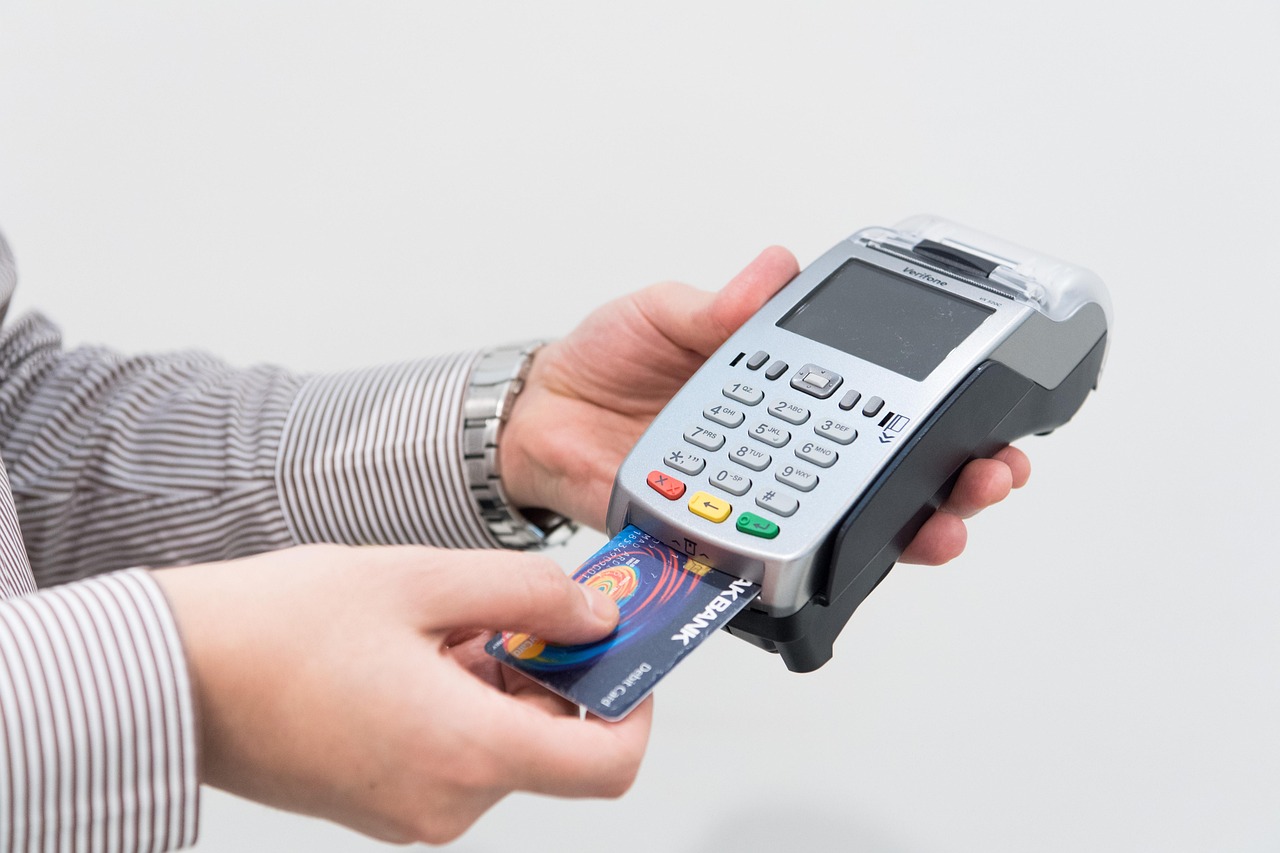
For a fish and chip shop, speed, simplicity and accuracy at the counter are everything — a fumbled order or a slow payment process at peak service costs you real money and real customers. A modern EPOS till system designed for fast-food and takeaway environments does far more than ring up sales: it manages your menu, routes orders to the kitchen, accepts every payment method and hands you the reporting data you need to run a tighter, more profitable business. This guide walks through exactly what to look for, what it costs, and how to choose a provider you can trust.
Why a Standard Cash Register Falls Short in a Chippy
A traditional cash register records transactions — that is all. It cannot tell you that your battered sausages outsell your scampi three to one on a Friday, flag when your mushy pea stock is running low, or automatically fire an order ticket to the fryer station the moment a customer pays. In a high-volume takeaway environment, those gaps create queues, waste and guesswork.
The modern chippy faces specific operational pressures that a basic till simply cannot address:
- Peak-hour throughput: Friday evenings can see hundreds of transactions in a two-hour window. Every extra second at the counter compounds into lost revenue.
- Menu complexity: Portion sizes, meal deals, extras, dietary requests and seasonal specials all need to be configurable quickly without staff error.
- Split service models: Many fish and chip shops run counter takeaway and sit-down tables simultaneously — requiring a system that handles both flows without confusion.
- Online ordering growth: Aggregator platforms and direct online ordering are now a meaningful revenue stream for chippies of every size.
If your business is still on a cash register, our guide to switching from a cash register to a modern EPOS system is a practical starting point.
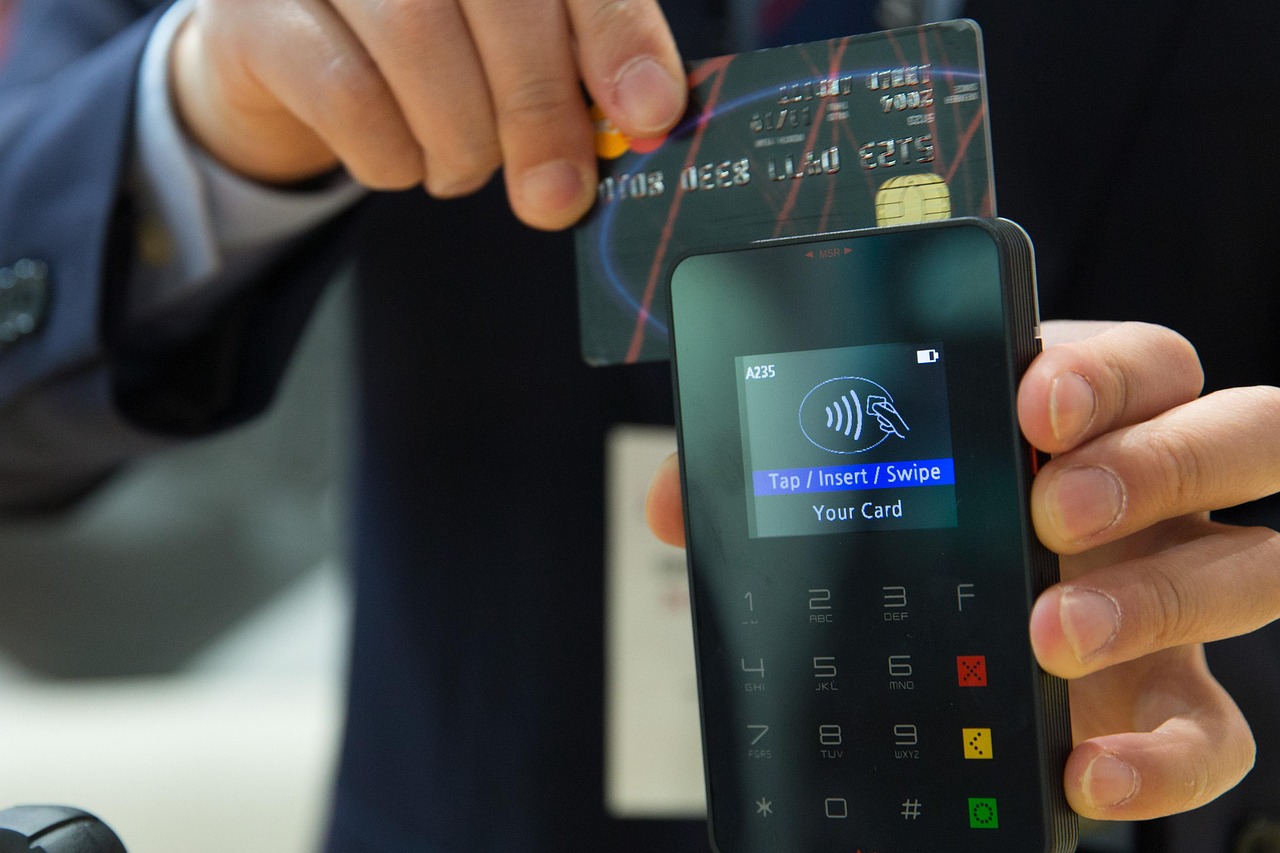
Key Features to Look for in a Fish and Chip Shop Till System
Not every EPOS system is built with takeaway in mind. When evaluating options, prioritise the following capabilities.
Speed and Ease of Order Entry
A well-designed till for counter service uses large, clearly labelled touchscreen buttons grouped by category — starters, mains, sides, drinks — so staff can build an order in seconds without hunting through sub-menus. Look for customisable quick-keys for your bestsellers and the ability to add modifiers (e.g. "no salt", "large portion") at a single tap.
Kitchen Display or Printer Integration
Orders must reach preparation staff immediately and accurately. Either a kitchen display screen (KDS) or a dedicated kitchen receipt printer — or both — eliminates the relay of shouted orders and handwritten tickets, reducing errors sharply during a rush.
Table and Tab Management
If you run a sit-down area, the system needs to handle open tabs, split bills and table-status views without requiring a separate system. Look for a till that handles takeaway counter orders and table service from the same interface.
Integrated Card Payments
Card and contactless payments now account for the majority of consumer transactions in the UK. An EPOS system with a directly integrated card terminal eliminates manual reconciliation errors and speeds up checkout. For a detailed look at combining both devices, see our guide to a card machine and till system combined.
Real-Time Reporting and Stock Alerts
End-of-day reports, best-seller analysis, hourly sales breakdowns and low-stock alerts all inform smarter purchasing and staffing decisions. Cloud-based EPOS systems let you view this data from your phone, even when you are not on the premises.
Online Order Integration
Whether you use a third-party aggregator or your own ordering page, your till system should receive and display those orders automatically — removing the need to manually re-enter them and eliminating a common source of mistakes.
How EPOS Systems Streamline Both Takeaway and Sit-Down Service
The best EPOS systems for fish and chip shops are architected around the reality that most shops run two service modes in parallel. A good system handles this through configurable order types — takeaway, eat-in, collection — each with its own workflow, receipt format and, where relevant, VAT treatment.
In the UK, takeaway food is generally zero-rated for VAT while hot food consumed on the premises is standard-rated at 20%. An EPOS system that automatically applies the correct VAT rate based on the order type protects you from costly compliance mistakes. Always confirm the current VAT rules with HMRC or a qualified accountant, as the boundaries can be nuanced.
Staff training time is another practical consideration. A well-designed hospitality EPOS system can be learned by a new team member in under an hour — critical in an industry where part-time and seasonal staff are the norm. Look for systems that offer role-based access, so junior staff cannot accidentally modify prices or access financial reports.
Integrating Online Orders, Card Payments and Kitchen Printers
The most significant operational upgrade a chippy owner can make is moving to a fully integrated system where online orders, in-store orders and kitchen output all flow through one platform.
Online Order Channels
Many EPOS providers now offer direct integrations with major aggregators, as well as the ability to run your own branded ordering page. Centralising both streams into a single dashboard means one menu to update and one report to read at close of business.
Wireless Card Machines
A wireless card terminal allows staff to take payment at the table or at the end of the counter queue — reducing bottlenecks. For guidance on selecting the right device, see our article on the best wireless card machines for small businesses. Alternatively, review our broader guide to EPOS systems with integrated card payments for a full overview of how the two components work together.
Kitchen Printers
A thermal kitchen printer typically costs from around £80 to £200 and needs to be rated for environments with heat and steam — a genuine consideration in a frying range kitchen. Ensure your EPOS provider supplies hardware tested for commercial kitchen conditions, not office environments.
What Does a Till System Cost for a Fish and Chip Shop?
Pricing for EPOS systems in the UK hospitality sector varies considerably depending on the hardware bundle, number of terminals and whether you buy outright or subscribe monthly. The following table gives a realistic overview of typical market tiers — treat these as approximate indicative ranges, not fixed quotes.
| Setup Tier | Typical Hardware | Indicative Cost (Approx.) | Best For |
|---|---|---|---|
| Entry-level | Single touchscreen terminal, cash drawer, receipt printer | Typically from £300–£600 outright; or from around £20–£35/month on subscription | Single-counter takeaway, very low table count |
| Mid-tier | Terminal, cash drawer, receipt printer, kitchen printer, card machine | Typically £700–£1,500 outright; or from around £40–£70/month on subscription | Busy takeaway with sit-down area, online order integration needed |
| Full-service | Multiple terminals, KDS, customer-facing display, wireless card machine, full online integration | Typically £1,500–£3,000+ outright; or from around £70–£120/month on subscription | High-volume chippy or multi-location operator |
Monthly subscriptions often include software updates, cloud backup and support, which is worth factoring into a total-cost comparison. For a balanced breakdown of both models, read our guide on monthly EPOS subscriptions versus outright purchase. You can also explore current hospitality bundles directly at our hospitality and restaurant EPOS offers page.
Questions Worth Asking Before You Sign a Contract
Real buyers often focus on upfront price and overlook the factors that determine day-to-day satisfaction. Before committing to any provider, work through the following.
What happens if the system goes offline?
A reputable EPOS provider offers offline functionality — the till continues to process transactions locally and syncs when connectivity is restored. Ask for this to be confirmed in writing before purchase.
Is UK-based technical support included, and how fast is the response time?
On a busy Friday evening, a system failure without immediate support is a commercial emergency. Look for providers offering telephone or live-chat support during your trading hours, not just email ticketing with a 48-hour turnaround.
Can the system grow with my business?
Adding a second terminal, connecting a new ordering channel or expanding to a second site should not require you to replace your entire setup. Confirm upfront that the platform is genuinely scalable. For a broader view of how leading systems compare, our EPOS competitor comparison guide sets out the key differentiators clearly.
Who owns the data?
Your sales history, customer records and menu data are valuable business assets. Ensure any contract you sign confirms that you retain ownership and can export your data in a standard format should you ever switch providers.
Why EPOS Direct Is Trusted by UK Takeaway and Hospitality Businesses
EPOS Direct has been supplying point-of-sale systems to UK hospitality and retail businesses for many years, building a reputation on hardware built for commercial use, software developed in-house, and support that treats every call as urgent. For takeaway and fast-food operators — chippies, kebab shops, pizza counters and beyond — the platform is configured to handle high-volume counter service from day one.
The EPOS Direct hospitality software includes all the core features a fish and chip shop needs: fast order entry, kitchen print routing, VAT-type switching between eat-in and takeaway, end-of-day reporting and online order integration. You can explore the full feature set and see it in action via the restaurant EPOS software demo.
If you are comparing providers and want an honest assessment of where EPOS Direct stands relative to alternatives, visit the EPOS Direct UK home page for current offers and detailed product information.
For small hospitality businesses new to EPOS, our guide to the best till systems for small businesses provides useful grounding before you commit to a specific system.
Ready to Find the Right System for Your Chippy?
Choosing a till system is a significant business decision, and the right setup will pay for itself through faster service, fewer errors and better management data within weeks. The EPOS Direct team works with takeaway and hospitality operators across the UK every day, helping match the right hardware and software to each business's service model and budget.
To see the system working in a live environment, request a free demo with no obligation. If you have specific questions about your setup, talk to an expert online or request a call back at a time that suits you.
Written by the EPOS Direct UK team, who help UK hospitality and retail businesses find the right EPOS and POS solutions every day.
Frequently asked questions
- What does a till system for a fish and chip shop actually need to do?
- A good chippy till system should handle fast order entry for popular menu items, split takeaway and eat-in orders, print to a kitchen or prep area, process card and contactless payments, and track daily sales. Features like meal deal buttons, portion modifiers and end-of-day reports are particularly useful in a high-volume takeaway environment.
- How much should I expect to pay for an EPOS system for my chip shop in the UK?
- In the UK, a basic single-terminal EPOS setup for a fish and chip shop typically costs between £300 and £800 as a one-off hardware purchase, with software subscriptions ranging from around £20 to £60 per month depending on the features included. Full bundles with a touchscreen terminal, receipt printer, cash drawer and card reader can range from £500 to £1,200. Some providers, including EPOS Direct, offer finance options or leasing to spread the cost.
- Can a chip shop till system connect to online ordering platforms?
- Yes, many modern EPOS systems integrate with online ordering platforms so that web or app orders flow directly into your till and kitchen printer without staff needing to manually re-enter them. This reduces errors during peak service times and helps you manage Just Eat, your own website orders or other channels from a single screen.
