We use cookies to make your experience better.
To comply with the new e-Privacy directive, you agree to the privacy policy and our use of cookies

How to Choose and Buy a Card Machine for Your Business: The Complete UK Guide
Buying a Card Machine for Your Business: Everything UK Owners Need to Know
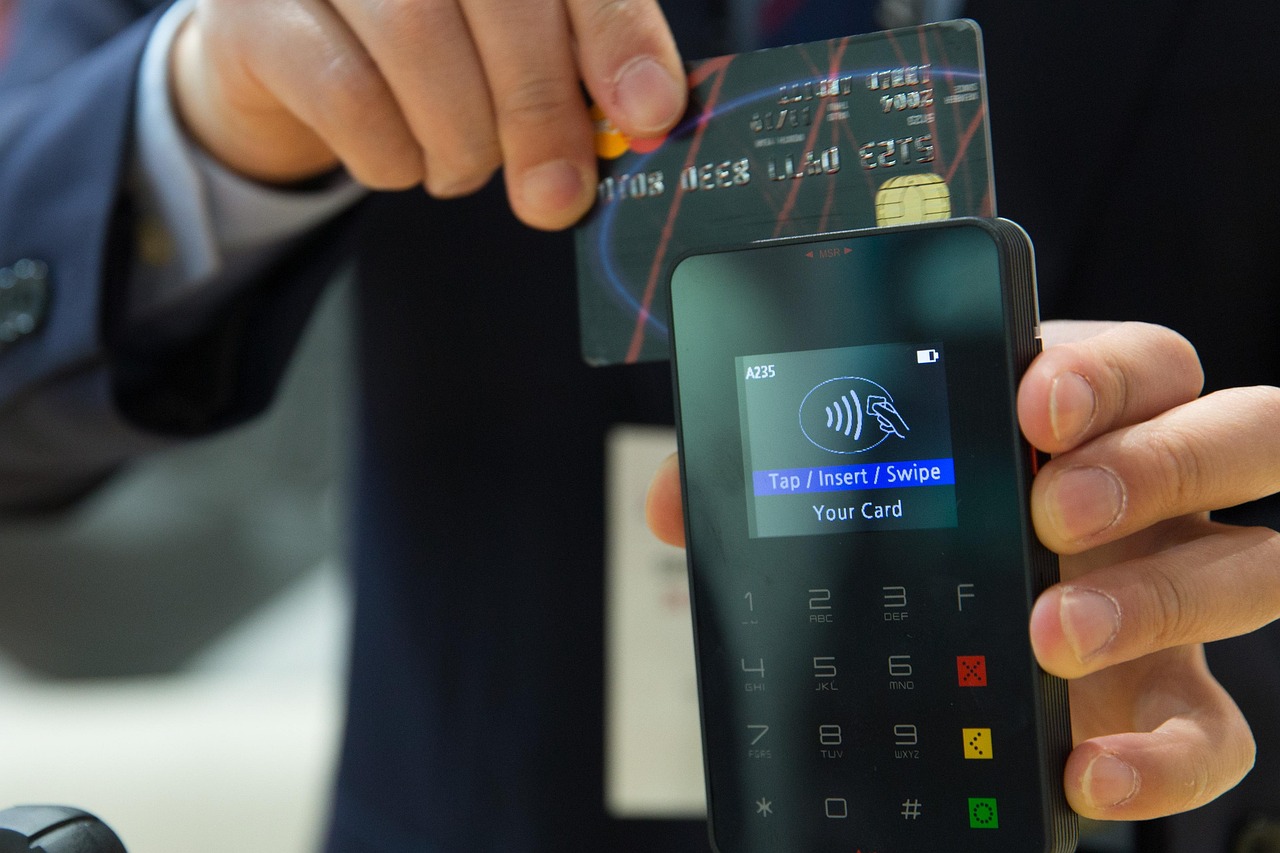
Accepting card payments is no longer optional for UK businesses — it is a baseline customer expectation. Whether you run a busy high-street shop, a mobile food stall or a table-service restaurant, choosing the right card payment solution shapes how smoothly your business operates day to day. This guide cuts through the noise to give you a clear, practical framework for selecting a card machine that fits your business model, budget and growth plans.
Why UK Businesses Can No Longer Afford to Be Cash-Only
Contactless and digital wallet payments now account for the majority of in-person consumer transactions in the United Kingdom, a shift confirmed by UK Finance in their annual payments market reports. Businesses that accept only cash routinely lose sales at the point of purchase — customers simply walk to the next competitor. Beyond convenience, a card-accepting setup creates a cleaner audit trail, reduces cash-handling risks and integrates naturally with modern accounting software.
There is also a reputational dimension. Shoppers associate card acceptance with professionalism and trust, particularly first-time visitors who have no established loyalty to your brand. Getting the right setup in place is, in short, one of the highest-return decisions a small or growing business can make.
Types of Card Machines: Countertop, Portable and Mobile
Card machines fall into three broad categories. Understanding where each type fits will save you from over-spending on features you do not need — or under-buying equipment that frustrates your staff.
Countertop Card Machines
Designed for fixed-location businesses — pharmacies, convenience stores, reception desks — countertop terminals connect via a physical Ethernet or broadband connection. They are reliable, fast and typically lower cost to run. If your customers always come to you, a countertop machine is a straightforward, dependable choice.
Portable (Wi-Fi) Card Machines
Portable machines communicate over your venue's Wi-Fi network, giving staff freedom to take payments tableside, at a customer's door or across a large showroom floor. They are the workhorse of hospitality — restaurants, pubs and cafés depend on them to cut queuing time and improve the dining experience. For a deeper look at the leading options, see our guide to the best wireless card machines for small businesses in the UK.
Mobile (SIM-Based) Card Machines
Mobile terminals use a 4G or 5G SIM card rather than Wi-Fi, making them ideal for market traders, delivery drivers, tradespeople and anyone whose work takes them to locations without a reliable broadband connection. Battery life, SIM coverage and transaction fees deserve careful comparison when evaluating mobile options.
Standalone Card Machine vs Integrated EPOS System: Which Is Right for You?
This is often the most consequential decision a business owner faces. A standalone card machine processes payments in isolation — it does not automatically talk to your stock system, receipts or reporting. An integrated EPOS system combines card payment, point-of-sale software, stock management and often loyalty or CRM tools into a single, coherent solution.
| Feature | Standalone Card Machine | Integrated EPOS System |
|---|---|---|
| Upfront complexity | Low — plug in and take payments | Moderate — setup and staff training required |
| Stock management | None | Real-time, automatic |
| Sales reporting | Basic transaction records | Full reporting dashboard with trends |
| Reconciliation effort | Manual — card and till do not sync | Automatic — one source of truth |
| Scalability | Limited — adding sites is disjointed | High — multi-site and multi-user ready |
| Typical best fit | Pop-ups, sole traders, very low volume | Retail, hospitality, healthcare, growing SMEs |
For most businesses that process more than a handful of transactions per day, an integrated solution quickly pays for itself in time saved on admin and errors avoided. Read our complete breakdown in Card Machine and Till System Combined: The Complete Guide for UK Businesses, or explore the best EPOS systems with integrated card payments in the UK to compare leading setups side by side.
Key Features to Look for Before You Commit
Not every feature list is worth paying for. Focus on what will genuinely affect your day-to-day operation and your customers' experience.
Payment Method Coverage
At a minimum your terminal should accept chip-and-PIN, contactless (including Visa, Mastercard and Amex where applicable) and digital wallets such as Apple Pay and Google Pay. Omitting any of these will cost you sales.
Transaction Speed
In a queue-sensitive environment — a lunchtime café, a busy checkout — slow terminals create friction. Look for machines that process contactless payments in under two seconds and print receipts quickly.
Software Integration
Ask specifically whether the terminal integrates with your stock or back-office software. If you are considering a broader upgrade, our guide on switching from a cash register to a modern EPOS system walks through exactly what integration means in practice.
Connectivity Resilience
What happens when the Wi-Fi drops? Some systems can store transaction data locally and process it once the connection is restored. Confirm this capability before you sign anything.
Receipt Options
Printed, SMS and email receipts all serve different customer preferences. Digital receipts also reduce consumable costs and suit environmentally conscious brands.
Security and Compliance
All UK card machines must comply with PCI DSS (Payment Card Industry Data Security Standard). Your provider should handle certification on your behalf and keep firmware updated automatically. Verify this explicitly — never assume.
What Does a Card Machine Actually Cost in the UK?
Cost is often the first question business owners ask, and rightly so. The honest answer is that total cost depends on your transaction volume, contract structure and whether you choose a standalone device or a full EPOS solution. The figures below are indicative ranges drawn from the UK market — always request a written quote before committing.
Hardware
- Standalone countertop terminal: typically from around £100–£250 to purchase outright, or available on rental agreements.
- Portable or mobile terminal: typically from around £150–£350 to purchase, with SIM costs additional for mobile units.
- Integrated EPOS hardware bundle (till, terminal, peripherals): most setups fall between £400 and £1,500 depending on specification.
Transaction Fees
UK card processing fees vary by provider and card type. Consumer debit cards typically attract lower rates than premium credit or business cards. Most small businesses pay somewhere between 0.5% and 1.75% per transaction, though rates depend on your negotiated agreement and monthly volume. Always compare the effective blended rate against your actual card mix.
Monthly Fees and Contracts
Some providers charge a flat monthly terminal rental fee (often £15–£40 per month per device) with lower per-transaction rates. Others offer no monthly fee but charge higher transaction rates. A third model — common with integrated EPOS — combines a monthly software subscription with a negotiated payment processing rate. Our article on monthly EPOS subscription vs outright purchase helps you model which approach is cheaper for your transaction volume.
Hidden Costs to Watch For
- Minimum monthly usage fees if your volume falls below a threshold
- PCI non-compliance fees if you do not complete annual certification questionnaires
- Early termination penalties — check the contract length carefully
- Chargeback administration fees
From Order to First Transaction: Getting Set Up Quickly
A concern many business owners raise is lead time — how long before the machine is in their hands and working? With a reputable UK supplier, the process is more straightforward than most people expect.
- Choose your solution: decide between a standalone terminal, an integrated EPOS setup or a full hospitality system based on the criteria above.
- Complete a merchant application: your provider will conduct identity and business verification checks in line with UK financial regulations. Have your Companies House registration number, bank details and proof of address ready.
- Configure your products and settings: for integrated systems, this involves entering your product library, pricing and VAT settings. A good provider will guide you through this or do it for you.
- Train your staff: most modern EPOS interfaces are intuitive, but a short onboarding session — ideally from a dedicated account manager — dramatically reduces early-day errors.
- Process a test transaction: before going live, run a small test payment on a real card to confirm end-to-end functionality.
If you would prefer a guided walkthrough before committing, you can request a free demo from the EPOS Direct team, or talk to an expert online who can map the right setup to your specific business.
Retail, Hospitality or Healthcare? Matching Your System to Your Sector
The best card payment setup is never generic — it is calibrated to how your business actually works. Retailers need fast scanning, stock depletion and promotions management. Restaurants need table management, split billing and kitchen printer integration. Pharmacies need prescription workflows, age-verification prompts and clinical record compatibility.
EPOS Direct offers sector-specific solutions built around these realities. You can explore our retail EPOS offers or our hospitality and restaurant EPOS offers, or take a hands-on look through our interactive software demos — including a retail EPOS software demo, a restaurant EPOS software demo and a pharmacy EPOS software demo.
If you are still weighing up the broader till system landscape, our practical buyer's guide to the best till systems for small businesses covers what to prioritise at each business size and stage.
Why UK Businesses Choose EPOS Direct
EPOS Direct has been supplying point-of-sale and card payment solutions to UK retailers, hospitality businesses and healthcare operators for many years. The company's approach is built on three principles that consistently matter to business owners: hardware that is purpose-built rather than repurposed consumer technology; software that is genuinely sector-specific rather than a one-size-fits-all interface; and UK-based support from people who understand the operational realities of running a business in Britain.
Unlike providers who lock customers into opaque contracts with buried fees, EPOS Direct is transparent about costs and structures. You can compare EPOS Direct against other market options in our complete 2026 competitor comparison guide, or visit the EPOS Direct home page for current offers and further information.
Written by the EPOS Direct UK team, who work with UK retail, hospitality and healthcare businesses every day to help them choose, configure and get the best from their payment and EPOS systems.
Ready to Take Payments the Right Way?
Choosing the right card payment solution is a decision with long-term consequences — for your customer experience, your operational efficiency and your bottom line. The framework in this guide should give you the clarity to evaluate your options confidently. If you would like a tailored recommendation rather than a generic one, the EPOS Direct team is ready to help.
Request a call back at a time that suits you, or book a free demo to see the system in action before you commit. EPOS Direct — trusted by UK businesses for integrated, reliable, sector-specific payment and EPOS solutions.
Frequently asked questions
- How much does a card machine cost for a small UK business?
- Costs vary depending on the type and provider. A basic standalone mobile card reader can start from around £20–£50 as a one-off purchase, though these often come with higher per-transaction fees (1.5%–2.5%). Countertop or portable card terminals from merchant service providers typically cost £100–£300 to purchase or are offered on rental agreements from around £15–£30 per month. If you opt for an integrated EPOS system with a built-in card payment solution, expect a fuller investment but significant savings on manual reconciliation and staff time. Always check whether transaction fees, monthly service charges or PCI compliance fees apply on top.
- Do I need a separate card machine if I already have an EPOS till system?
- Not necessarily. Many modern EPOS systems, including those from EPOS Direct, support integrated card payment processing, meaning your till and card reader communicate directly. This removes the need for manual entry, reduces human error and speeds up the checkout process. If your current till system does not support integration, a standalone card terminal can still work alongside it, though you will lose the time-saving benefits of a connected setup.
- What is the difference between a card reader and a full card machine?
- A card reader is typically a compact, low-cost device that pairs with a smartphone or tablet app to accept contactless or chip-and-pin payments — ideal for sole traders or market stalls. A full card machine is a dedicated terminal with its own display, keypad and receipt printer capability, designed for higher transaction volumes in fixed or semi-fixed locations such as shops, restaurants or salons. For businesses expecting consistent footfall, a full card machine or an integrated EPOS payment terminal will generally offer better reliability, faster processing and more professional presentation to customers.
