We use cookies to make your experience better.
To comply with the new e-Privacy directive, you agree to the privacy policy and our use of cookies


How to Choose and Buy a Card Machine for Your UK Business
How to Choose the Right Card Machine for Your UK Business
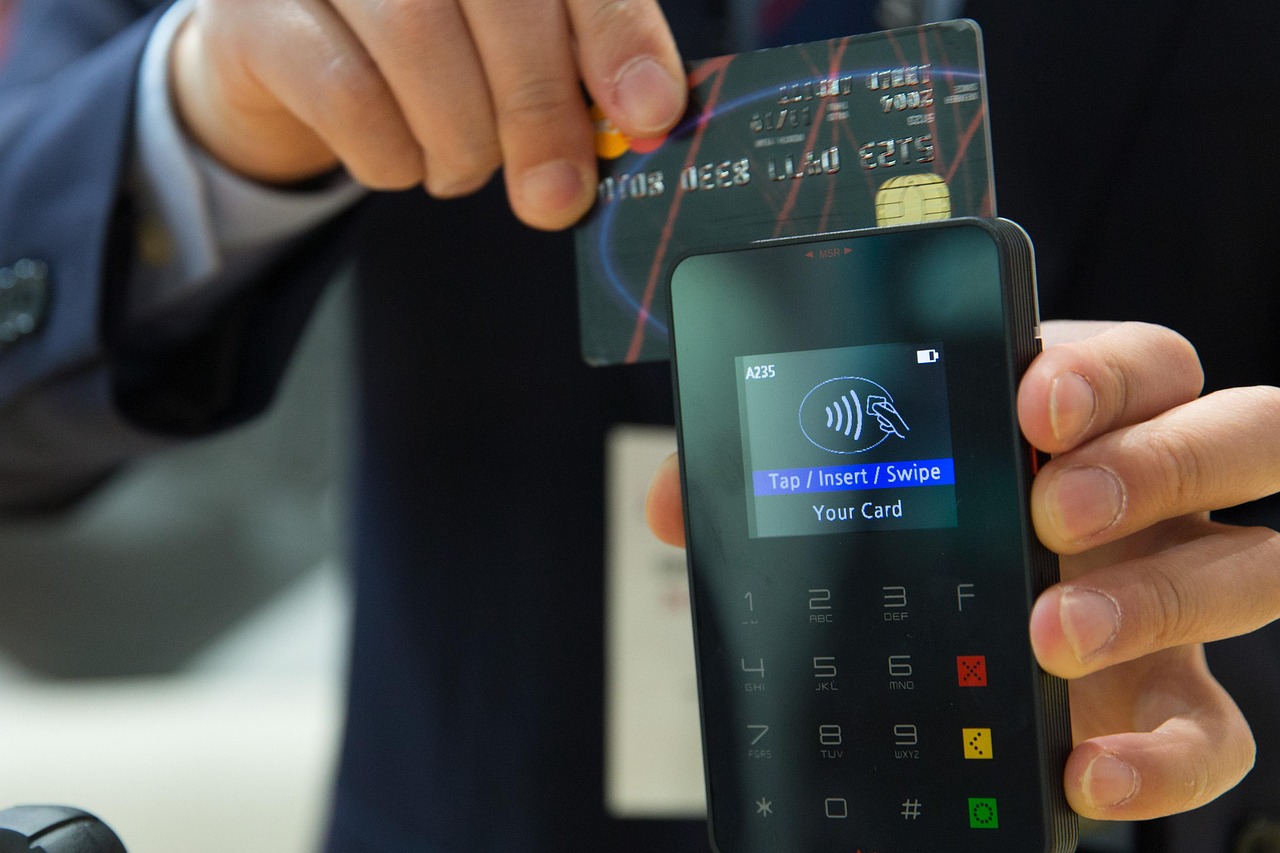
Accepting card payments is no longer optional for UK businesses — it is the baseline expectation of almost every customer who walks through the door or lands on your checkout page. The right card payment hardware can reduce queuing times, improve cash-flow visibility and, crucially, open your business to the growing share of consumers who carry no cash at all. This guide, written by the EPOS Direct UK team who work with British retailers, hospitality operators and service businesses every day, cuts through the noise to help you select and purchase the card payment solution your business actually needs.
Why Card Payments Are Non-Negotiable for UK Businesses in 2025
UK Finance data consistently shows that debit and credit cards account for the vast majority of consumer transactions, with cash use continuing to decline year-on-year. Beyond the headline statistics, there are concrete operational reasons to prioritise card acceptance:
- Higher average transaction values. Customers spending on card tend to spend more per visit than those limited by the cash in their wallet.
- Faster queue clearance. Contactless payments complete in under a second, reducing wait times at peak periods.
- Safer cash handling. Reducing cash on site lowers the risk of internal shrinkage and simplifies end-of-day reconciliation.
- Real-time reporting. Digital transactions create an automatic audit trail, making VAT returns and year-end accounts markedly simpler.
If you are still weighing up the broader case for a full EPOS setup alongside card payments, our practical buyer's guide to the best till systems for small businesses in the UK is a useful starting point.
Types of Card Machines Available for UK Businesses
Not all card terminals serve the same purpose. Understanding the hardware categories is the first step to choosing correctly.
Countertop Card Terminals
Fixed terminals that sit beside a till or cash point. They connect via Ethernet or broadband and are ideal for high-volume, fixed-location environments — supermarkets, pharmacy counters, hotel reception desks. They are typically the lowest-cost hardware option and offer the most reliable connectivity.
Portable (Bluetooth) Card Machines
These connect wirelessly to a base unit via Bluetooth, giving staff a range of roughly 50–100 metres. They suit table-service restaurants, salons and click-and-collect counters where the terminal needs to travel short distances within a premises.
Mobile (SIM-enabled) Card Machines
Fully wireless terminals that use 4G or Wi-Fi rather than a fixed connection. They are designed for market traders, mobile beauticians, food-truck operators and delivery drivers — any business without a fixed premises. For a detailed comparison of the leading options, see our guide to the best wireless card machines for small businesses in the UK.
Integrated Card Terminals (Chip & PIN Pads)
These connect directly to an EPOS or POS system, so payment amounts are pushed automatically from the till software — eliminating manual re-keying errors and speeding up training. For most growing businesses, this is the tier that offers the strongest long-term return. Our complete guide to combined card machine and till systems explains exactly how integration works and why it matters.
What Does a Card Machine Cost in the UK?
Costs split across three layers: hardware, software or rental, and transaction fees. All figures below are indicative ranges for the UK market — actual quotes depend on your payment provider, monthly volume and contract length.
| Solution Type | Indicative Hardware Cost | Typical Monthly Fee | Typical Transaction Rate | Best For |
|---|---|---|---|---|
| Basic mobile dongle (phone/tablet) | Free – typically from £20 | None (pay-as-you-go) | Higher per-transaction rate (often 1.5–2.5%+) | Sole traders, very low volume |
| Standalone portable terminal | Typically from £50–£150 purchase, or rental available | £0–£25 depending on provider | 0.5–1.75% debit/credit blended | Small retail, pop-ups, sole traders |
| Countertop terminal (fixed) | Typically from £80–£200 purchase, or rental | £10–£30 | 0.3–1.5% blended, lower at volume | Fixed-location high-volume retail, hospitality |
| Integrated EPOS terminal | Part of EPOS bundle; hardware typically from £300–£800+ | £30–£80+ (software licence included) | Negotiated rate; often 0.3–0.9% at volume | Established businesses, multi-lane, hospitality |
A note on "no monthly fee" options: Pay-as-you-go terminals appear attractive to new businesses, but the higher per-transaction rates frequently cost more than a modest monthly fee once turnover grows. If avoiding a monthly commitment is a priority, read our guide to the best card machines with no monthly fee for UK businesses for an honest breakdown of where that model works — and where it does not.
For budget-conscious operators who also need full POS functionality, our guide to the most affordable EPOS systems for small businesses in the UK sets out realistic entry-level costs across different sectors.
Standalone Terminal vs. Integrated EPOS: The Decision That Matters Most
This is the question most buyers underestimate. A standalone terminal processes payments — nothing more. An integrated EPOS system connects payment data to stock levels, sales reports, staff management and customer loyalty in real time. The right answer depends on where your business is today and where it will be in two years.
Choose a standalone terminal if:
- You are a sole trader or micro-business with a single product or service line.
- You do not need stock management, sales analytics or staff shift reporting.
- You want to start accepting cards within 48 hours with minimal setup.
Choose an integrated EPOS system if:
- You carry more than 50 SKUs, or run a menu with modifiers and course management.
- You have more than one member of staff handling transactions.
- You want a single dashboard for sales, stock and payments — reducing end-of-day admin from an hour to minutes.
- You are planning to open a second location or add an online sales channel.
To explore fully integrated options with payment built in from the ground up, our 2026 guide to the best EPOS systems with integrated card payments in the UK covers everything you need to evaluate providers confidently.
Key Features to Look For Before You Purchase
Once you have identified the right tier of solution, evaluate each option against these criteria — they are the features that separate a terminal you will still value in three years from one that frustrates you within three months.
- Accepted payment methods. Ensure the terminal supports chip-and-PIN, contactless (including Apple Pay, Google Pay and Samsung Pay) and — if relevant — American Express. Declining a customer's card is a poor experience.
- Connectivity resilience. Dual-mode terminals (Wi-Fi plus 4G fallback) protect you if your broadband drops during a busy service.
- Settlement speed. Most providers settle funds within one to three business days. For cash-flow-sensitive businesses, confirm the settlement timeline before signing.
- PCI DSS compliance. This is the Payment Card Industry Data Security Standard — all UK merchants are required to comply. Ask each provider how they support your compliance obligations; reputable providers do the heavy lifting for you. You can verify requirements at the PCI Security Standards Council website.
- Receipt options. Printed, SMS and email receipts reduce paper costs and support your own marketing database if customers opt in.
- Contract flexibility. Understand minimum terms, early exit fees and whether hardware is purchased or rented. Rolling monthly contracts offer flexibility; longer contracts often deliver lower rates.
- Support quality. UK-based telephone support during trading hours is critical. A terminal down on a Saturday afternoon with no reachable support is a genuinely costly problem.
From Order to First Transaction: What to Expect
The setup timeline varies by provider and solution complexity, but here is a realistic picture for most UK businesses:
- Application and underwriting (1–5 business days). Payment providers conduct identity verification and assess your business type and projected volumes. Having your Companies House number, bank details and estimated monthly turnover to hand speeds this up.
- Hardware dispatch (1–3 business days after approval). Countertop and portable terminals typically arrive pre-configured — you connect, power on and follow on-screen prompts.
- Software installation and training (half a day to two days for integrated systems). EPOS Direct UK provides guided onboarding; for larger sites or multi-terminal setups, an on-site installation visit can be arranged.
- Test transaction and go live. Always run a real test transaction (and refund it) before opening to customers. Confirm receipts, bank settlement and reporting are all functioning correctly.
If you would like to see the software environment before committing, you can request a free demo — it takes around 30 minutes and can be done remotely at a time that suits you.
Why Choose EPOS Direct UK for Your Card Payment Hardware
EPOS Direct UK is a dedicated British EPOS and POS hardware and software provider, working with independent retailers, hospitality businesses, pharmacies and service operators across the UK. Unlike generic payment aggregators, EPOS Direct UK offers complete solutions — hardware, software and payment integration — with UK-based support teams who understand the operational reality of running a British business.
- Sector-specific EPOS platforms for retail, restaurant, café, takeaway and pharmacy environments — not a one-size-fits-all product.
- Hardware bundles that pair card payment terminals with touch-screen tills, receipt printers and barcode scanners in configurations tested for real-world use.
- Transparent pricing with no hidden configuration fees; indicative costs are discussed openly during your first consultation.
- Ongoing software development — the EPOS Direct software platform is actively maintained and updated. You can explore the EPOS software independently or book a sector-specific demo: retail, restaurant or pharmacy.
For retail operators, our retail EPOS offers page sets out current hardware and software packages. Hospitality and restaurant businesses can review tailored bundles on our hospitality and restaurant EPOS offers page. For a broader overview of everything EPOS Direct offers UK businesses, visit the EPOS Direct UK home page.
The Bottom Line
The best card payment solution for your business is the one that fits your transaction volume today, integrates cleanly with how you manage stock and staff, and has room to grow with you. For very small or mobile businesses, a quality standalone terminal on a flexible contract is often the right first step. For any business managing inventory, multiple staff members or more than one revenue stream, a fully integrated EPOS system with built-in card acceptance will pay for itself in time saved and errors avoided.
The EPOS Direct UK team is ready to help you find the right configuration — without pressure and without jargon. Talk to an expert online or request a call back at a time that suits your schedule. The right setup is closer than you think.
Frequently asked questions
- What is the typical cost of a card machine for a small business in the UK?
- Card machine costs in the UK vary by type. A basic portable card reader (e.g. SumUp or Square) can cost as little as £19–£49 upfront with no monthly fee but higher per-transaction rates of around 1.69%–2.5%. Mid-range countertop or wireless terminals cost £150–£300 to purchase or are often available on monthly rental plans from £15–£30 per month from merchant services providers. Integrated EPOS card terminals bundled with a full POS system typically start from £299–£599 for the hardware, with software subscriptions from around £30–£60 per month. Always factor in transaction fees, which typically range from 0.3% to 1.75% depending on your contract and card type.
- Do I need a merchant account to take card payments in my shop?
- Yes, to accept debit and credit card payments you need a merchant account — either a traditional one through a bank or acquirer, or an aggregated account through payment facilitators like Stripe or Square. Some EPOS providers, including EPOS Direct UK, can help you bundle merchant services with your hardware so everything is set up in one go.
- What is the difference between a standalone card machine and one integrated with my till system?
- A standalone card machine processes payments independently, meaning staff must manually enter the sale amount. An integrated card terminal connects directly to your EPOS or till system so the payment amount is sent automatically, reducing human error and speeding up checkout. For retail and hospitality businesses processing a high volume of transactions, an integrated solution typically saves time and improves accuracy.
