We use cookies to make your experience better.
To comply with the new e-Privacy directive, you agree to the privacy policy and our use of cookies

How to Choose and Buy a Complete EPOS System for Your Business
How to Choose and Buy a Complete EPOS System for Your Business
A complete EPOS system brings together hardware, software and payment processing into a single, integrated setup — replacing the patchwork of separate tills, card readers and spreadsheets that hold many businesses back. For UK business owners ready to invest in a proper point-of-sale solution, understanding exactly what that setup involves, what it costs, and which features genuinely matter is the difference between a purchase that pays for itself quickly and one that gathers dust. This guide walks you through every decision, from the components on the counter to the software running behind the scenes.
What Is Included in a Complete EPOS System?
A fully specified EPOS setup is more than a touchscreen till. The core components typically work together as follows:
- Touchscreen terminal — the primary interface for your staff, processing sales, issuing refunds and applying discounts.
- EPOS software — the brains of the system, managing products, pricing, promotions, reports and user permissions.
- Receipt printer — thermal printers are standard; kitchen printers are added in hospitality environments.
- Barcode scanner — essential for retail; optional for many hospitality setups.
- Cash drawer — still required in most UK businesses, even where card payments dominate.
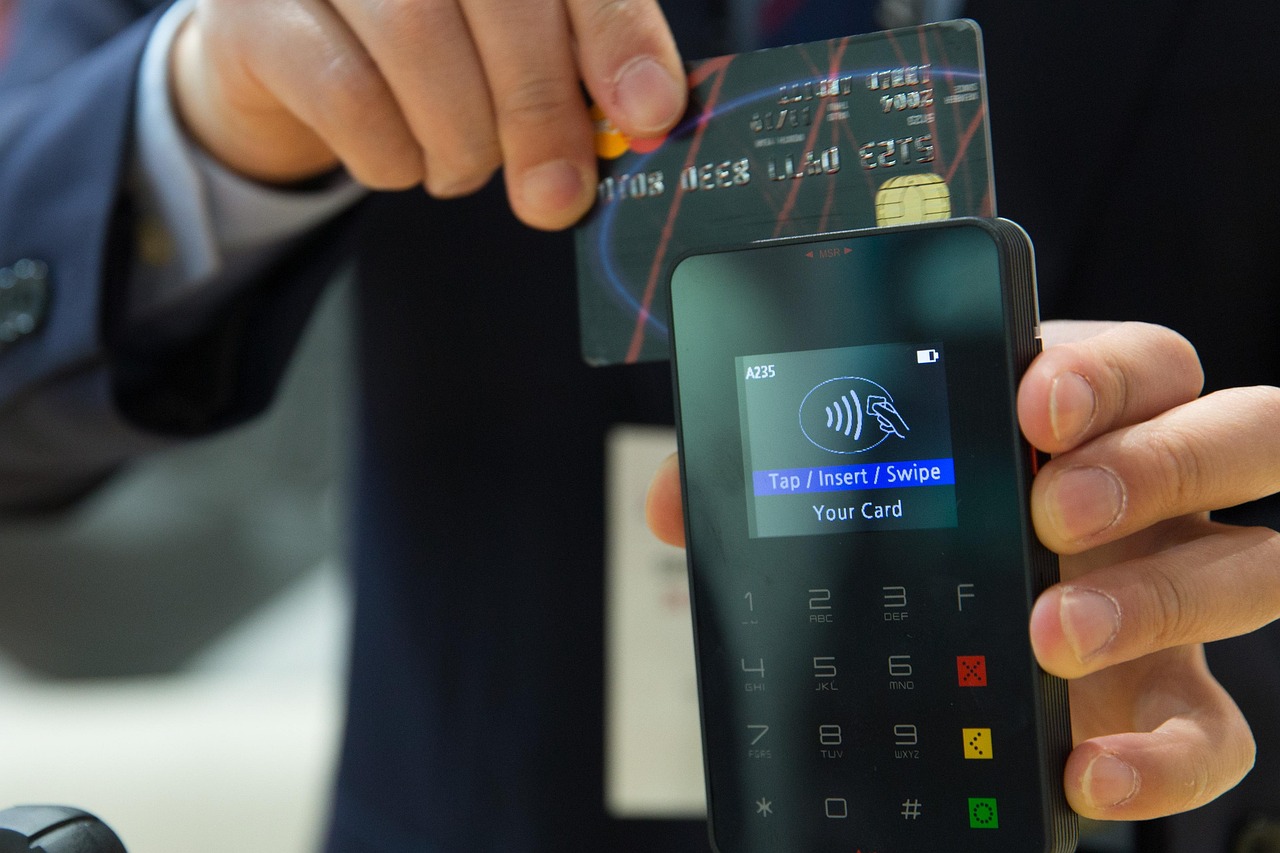
- Card payment terminal — integrated card machines eliminate double-keying and speed up reconciliation. See our guide to combining a card machine and till system for a full breakdown of how integration works.
- Back-office or cloud dashboard — where managers access sales data, stock levels and staff performance from any device.
Some setups also include customer-facing displays, self-service kiosks, loyalty card readers and kitchen display screens (KDS). The right combination depends entirely on your sector and footfall.
Which Types of UK Business Need a Full EPOS Setup?
Almost any business that sells goods or services face-to-face can benefit, but the urgency is highest in the following environments:
Retail
Independent shops, fashion boutiques, health-food stores and pharmacies all benefit from integrated stock management, automatic reordering and multi-site reporting. If your current cash register cannot tell you which five products are underperforming this month, a proper EPOS setup will transform your buying decisions. Our practical guide to the best till systems for small businesses covers retail-specific requirements in detail.
Hospitality & F&B
Restaurants, cafés, pubs and quick-service operators need table management, course-by-course ordering, kitchen printing and split-bill functionality. Hospitality EPOS systems must also handle VAT correctly across dine-in, takeaway and alcohol lines — an area where misconfiguration can create compliance headaches.
Pharmacies & Healthcare Retail
Pharmacies require systems that handle NHS prescription workflows, age-verification prompts for restricted products and detailed audit trails. Specialist pharmacy EPOS software handles these requirements natively, whereas generic retail software often does not.
Service Businesses
Hair salons, gyms, beauty clinics and trade counters increasingly use EPOS software for appointment booking, membership management and service-item billing — often from a single tablet terminal.
Key Features to Look for Before You Buy
Not every feature on a spec sheet matters equally. Below are the questions experienced buyers ask — and the answers to look for.
Does it integrate payments natively?
Integrated card payments remove manual entry errors and produce a single end-of-day reconciliation report. Look for systems that support major UK acquiring banks and offer competitive transaction rates. Our guide to EPOS systems with integrated card payments explains what to check before signing a merchant services agreement.
How strong is the stock management?
For retail, look for real-time stock deduction per sale, low-stock alerts, purchase-order generation and multi-location stock transfer. For hospitality, ingredient-level stock depletion (recipe management) dramatically reduces waste.
What does the reporting suite actually show you?
Meaningful reports go beyond "total sales today." Shortlist systems that surface hourly trade patterns, gross-profit-per-product-line, staff performance, void and refund rates, and average transaction value — all filterable by date range, terminal and location.
Is it easy to train staff on?
High staff turnover in retail and hospitality means your EPOS interface must be learnable in under an hour. Request a live demonstration before committing — try the EPOS Direct retail software demo or the restaurant EPOS software demo to judge ease of use for yourself.
What are the support arrangements?
UK-based telephone support, clear SLA response times and a dedicated account manager matter far more than headline software features when something goes wrong on a busy Saturday afternoon.
How Much Does a Complete EPOS System Cost in the UK?
Costs vary significantly depending on hardware specification, number of terminals, software tier and whether you purchase outright or subscribe monthly. The following table gives honest indicative ranges for common UK business scenarios.
| Business Type | Typical Setup | Indicative Hardware Cost | Indicative Software Cost |
|---|---|---|---|
| Small independent retailer | 1 terminal, scanner, receipt printer, cash drawer, integrated card machine | Typically from £600–£1,200 (purchase) | Typically from £30–£60 per month |
| Mid-size retail or multi-staff shop | 2–3 terminals, full peripherals, back-office reporting | Typically from £1,500–£3,000 (purchase) | Typically from £60–£120 per month |
| Café or quick-service restaurant | 1–2 terminals, kitchen printer, receipt printer, card machine | Typically from £800–£1,800 (purchase) | Typically from £40–£80 per month |
| Full-service restaurant | 3+ terminals, KDS, table management, handheld ordering | Typically from £2,500–£6,000+ (purchase) | Typically from £80–£200 per month |
| Pharmacy | 1–2 terminals, barcode scanner, label printer, specialist software | Typically from £1,000–£2,500 (purchase) | Typically from £50–£100 per month |
All figures are indicative market ranges only, not fixed quotes. Your actual costs depend on configuration, contract length and any installation or training services included. Request a free, no-obligation quote to get accurate pricing for your specific requirements.
If you are weighing up a monthly subscription against a one-off purchase, our dedicated article on monthly EPOS subscriptions versus outright purchase covers the total-cost-of-ownership calculation in full.
Cloud-Based vs Traditional EPOS: Which Is Right for You?
This is one of the most common decision points for UK buyers. Here is an honest comparison:
| Factor | Cloud-Based EPOS | Traditional (Server-Based) EPOS |
|---|---|---|
| Data access | Anywhere, any device, real-time | On-site only (unless VPN configured) |
| Upfront cost | Lower; hardware lighter-weight | Higher; local server required |
| Internet dependency | Requires stable broadband; offline mode varies by provider | Fully operational without internet |
| Software updates | Automatic, included in subscription | Manual or chargeable upgrades |
| Scalability | Add locations or terminals easily | Additional infrastructure investment needed |
| Data security | Encrypted cloud storage; provider manages backups | Business responsible for local backups |
For most new setups in 2024 and beyond, cloud-based EPOS is the pragmatic choice — particularly for businesses with multiple sites or owners who want to monitor performance remotely. Traditional server-based systems may suit businesses with unreliable broadband or very specific local-data requirements. If you would like to explore EPOS Direct's software architecture in more detail, explore the EPOS Direct software platform and assess it against your own connectivity and reporting needs.
What to Expect When Setting Up Your New EPOS System
A well-managed installation follows a clear sequence. Knowing what to expect prevents the common pitfall of going live before the system is properly configured.
- Scoping and consultation — your provider maps your product catalogue, user roles, pricing tiers and any integrations (accounting software, ecommerce, loyalty platforms).
- Hardware delivery and configuration — terminals, peripherals and network equipment arrive pre-configured where possible, minimising on-site setup time.
- Data import — existing product data, customer records and pricing are migrated. Clean, well-structured supplier data makes this dramatically faster.
- Staff training — front-of-house and back-office training should be conducted separately. Cashier training typically takes one to two hours; manager-level reporting training may take a half-day.
- Go-live support — a reputable supplier provides on-site or remote support on launch day, not just a manual.
- Post-installation review — after four to six weeks of live trading, review your reports, adjust product categories and confirm integrations are reconciling correctly.
If you are currently running a cash register and moving to EPOS for the first time, our step-by-step guide to upgrading from a cash register covers the transition in practical detail.
Why UK Businesses Choose EPOS Direct for Their EPOS Setup
EPOS Direct has supplied and supported EPOS systems to UK businesses across retail, hospitality, pharmacy and beyond. As a dedicated UK EPOS specialist — not a generalist payment provider or overseas platform — the team brings sector-specific knowledge to every installation, from a single-terminal independent shop to a multi-site restaurant group.
Key reasons buyers return to EPOS Direct include:
- UK-based sales, support and technical teams with direct accountability
- Flexible purchasing options — outright purchase, leasing and monthly subscription plans
- Sector-specific software for retail, hospitality and pharmacy, rather than one-size-fits-all platforms
- Integrated card payment solutions with transparent merchant service rates
- Comprehensive training and post-installation support included as standard
For a fuller picture of how EPOS Direct compares in the UK market, our independent comparison guide sets out the key differentiators across the major providers. You can also visit the EPOS Direct UK home page for current offers, system packages and further reading.
Businesses considering pharmacy specifically can explore the pharmacy EPOS software demo, while retail and hospitality buyers can view sector-specific packages directly: retail EPOS system offers and hospitality and restaurant EPOS offers.
Ready to Find the Right EPOS Setup for Your Business?
Choosing a complete EPOS system is one of the most impactful operational decisions a UK business owner makes. Get it right and you gain faster service, tighter stock control, cleaner reporting and a payment experience your customers trust. The key is matching the system's capabilities precisely to your sector, your footfall and the way your team actually works — not buying features you will never use.
The EPOS Direct UK team works with businesses across the country every day to specify, install and support EPOS systems that deliver a genuine return. Talk to an expert online to discuss your requirements, or request a call back at a time that suits you — no obligation, no hard sell, just straightforward guidance from people who know UK EPOS.
Written by the EPOS Direct UK team, who help UK retail, hospitality and pharmacy businesses specify and implement EPOS solutions every day.
Frequently asked questions
- What hardware is typically included in a complete EPOS system?
- A complete EPOS system usually includes a touchscreen till or tablet, a receipt printer, a cash drawer, a barcode scanner, and a card payment terminal. Some bundles also include customer-facing displays and kitchen printers for hospitality use. EPOS Direct UK offers fully bundled packages so you receive everything in one order, pre-configured and ready to use.
- How much does a full EPOS system cost for a small UK business?
- In the UK, a complete EPOS system for a small business typically costs between £300 and £1,200 for a single-terminal hardware bundle, with software licences ranging from around £20 to £80 per month depending on features. Multi-terminal or enterprise setups can cost more. EPOS Direct UK offers competitive packages with transparent pricing and no hidden fees, making it easier to budget from day one.
- Can I use my new EPOS system straight away, or is specialist installation required?
- Most modern EPOS systems, including those supplied by EPOS Direct UK, are designed for quick setup and come pre-configured. Many businesses are up and running within a few hours. EPOS Direct also provides dedicated UK-based support and onboarding assistance, so even if you have no previous EPOS experience you will have expert guidance from the moment your system arrives.
