We use cookies to make your experience better.
To comply with the new e-Privacy directive, you agree to the privacy policy and our use of cookies


Complete EPOS Systems for Retail & Hospitality Shops: The UK Buyer's Guide
Buy a Complete EPOS System for Your Shop: Everything UK Retailers Need to Know

A complete EPOS system gives your shop a single, joined-up platform for taking payments, managing stock, tracking sales and running your business — all from one piece of kit. Whether you are opening your first retail unit or upgrading ageing equipment, choosing the right setup from the outset saves time, reduces errors and pays for itself faster than most retailers expect. This guide covers everything you need to make a confident, well-informed purchase decision — from hardware bundles and software features to honest pricing guidance and setup timelines.
What Is Included in a Complete EPOS System?
A fully specified EPOS (Electronic Point of Sale) system is not simply a till. It is an integrated package of hardware, software and support that connects every part of your retail operation. Most complete setups include:
- Touchscreen terminal — the central unit your staff use to process transactions, typically a 15-inch or larger display
- EPOS software — the operating layer that handles sales, stock, promotions and reporting (explore the EPOS Direct software platform to see what modern retail software looks like)
- Barcode scanner — speeds up checkout and feeds directly into your stock management
- Receipt printer — thermal printers are standard; they are fast, quiet and low-maintenance
- Cash drawer — electronically triggered, so it only opens when a sale is processed
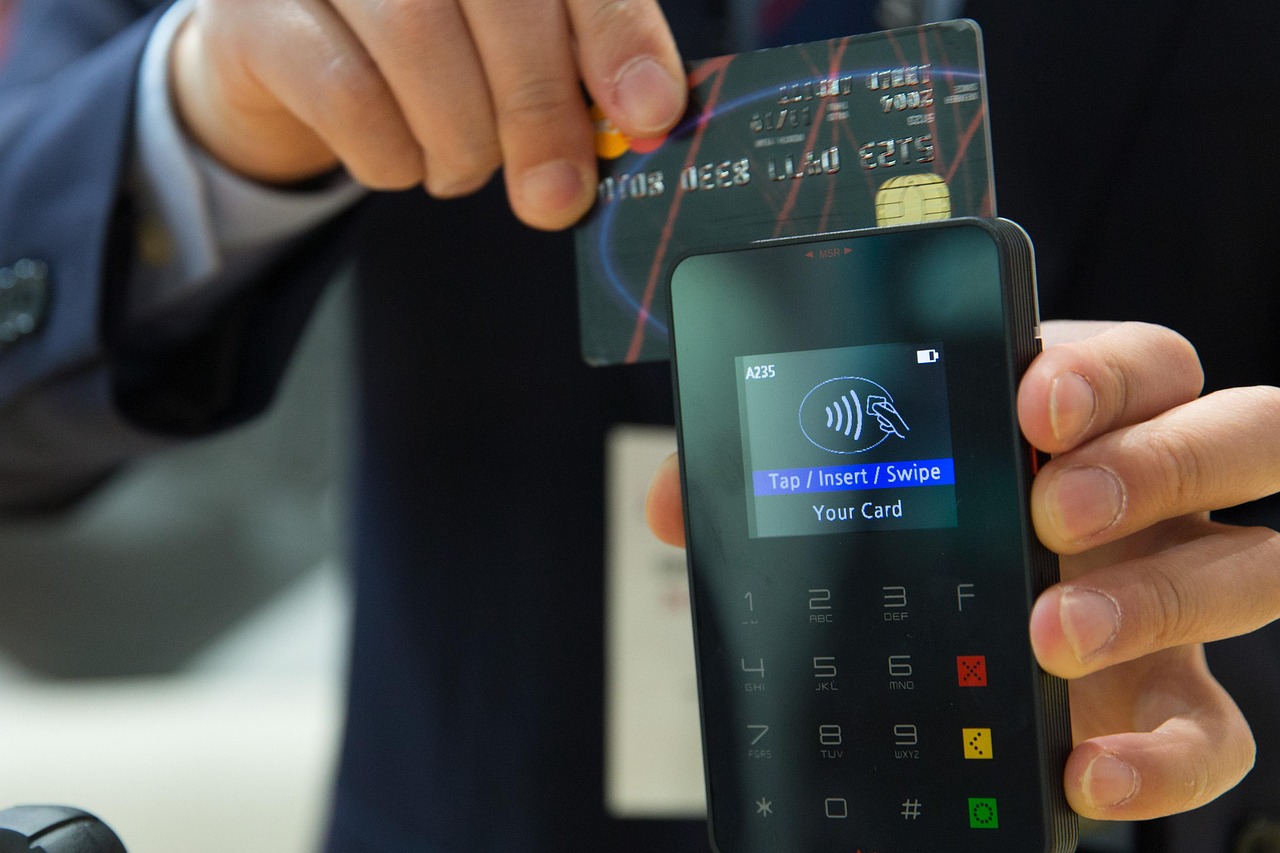
- Card payment terminal — integrated so card transactions reconcile automatically without manual entry
- Back-office reporting — real-time dashboards covering revenue, top sellers, margins and staff performance
Some retailers also add customer-facing displays, loyalty programme modules, kitchen display screens (for cafés and food-service counters) or self-service kiosks. The point of a complete system is that all components are sourced, configured and supported together — so there are no compatibility headaches or gaps in your data.
For a broader overview of what EPOS hardware and software can do for small and independent retailers, the complete 2026 guide to EPOS systems for small businesses is an excellent starting point.
Which Types of Shops Benefit Most from a Full EPOS Setup?
Almost every physical retail business benefits from moving beyond a basic card reader or legacy till, but some shop types see particularly rapid returns:
- Fashion and clothing boutiques — where size, colour and variant tracking is essential. Mismanaged stock is the single biggest margin killer in apparel; a proper EPOS system eliminates it. See our dedicated guide to EPOS systems for clothing shops in the UK for sector-specific advice.
- Independent supermarkets and convenience stores — high transaction volumes and large SKU counts demand fast scanning and automated reorder alerts
- Pharmacies — require stock traceability, age verification prompts and integration with dispensing workflows (you can book a pharmacy EPOS software demo to see compliance-ready features in action)
- Cafés, delis and food-to-go — table management, modifiers and kitchen screen integration are standard requirements
- Gift shops, homewares and specialist independents — seasonal ranges benefit from granular sales reporting so you buy smarter each cycle
- Multi-site retailers — centralised stock and reporting across several locations, all visible from one dashboard
If you are a smaller operation and want to understand which till solution is the right scale for you before committing to a full system, the practical guide to till systems for small businesses covers entry-level through to full EPOS comparisons.
Key Features to Look for Before You Buy
Not every EPOS package is built equally. Before you sign any contract or place an order, assess each solution against these criteria:
Stock and Inventory Management
Your system should automatically deduct sold items from stock in real time, raise low-stock alerts, and — ideally — generate purchase orders directly. For shops with variants (sizes, colours, flavours), check that the software handles matrix stock without requiring manual workarounds.
Integrated Payments
Payments and EPOS working together means fewer reconciliation errors, faster checkout and a cleaner audit trail. If you want flexibility to accept payments away from the till — at markets, pop-ups or tableside — look at pairing your system with a wireless card machine. Our guide to the best wireless card machines for small businesses explains what to look for, and the dedicated guide to combining a card machine with a till system walks through exactly how integration works in practice.
Reporting and Analytics
Real-time sales reports, end-of-day summaries and staff performance dashboards should be available from any device, not just the till itself. Cloud-based systems make this straightforward.
Ease of Use and Staff Training
A system that takes three days to train new staff on is a liability in a sector with high turnover. Look for an intuitive touchscreen interface with role-based permissions so junior staff see only what they need.
Support and Reliability
Ask specifically about uptime guarantees, whether telephone support is included and what happens if your broadband drops — good systems have an offline mode so trading never stops.
How Much Does a Complete EPOS System Cost in the UK?
Pricing varies considerably depending on the number of terminals, the software tier and whether you choose an outright purchase or a monthly subscription. The figures below are indicative market ranges to help you budget — always request a specific quote for your requirements.
| Setup Type | Typical Hardware Cost | Typical Monthly Software Cost | Best Suited To |
|---|---|---|---|
| Entry-level single terminal | From approximately £300–£600 | From approximately £25–£50/month | Market stalls, small pop-ups, sole traders |
| Complete single-site retail system | From approximately £800–£1,500 | From approximately £50–£100/month | Independent shops, boutiques, cafés |
| Multi-terminal or full-featured setup | From approximately £1,500–£3,000+ | From approximately £80–£150+/month | Busy retail units, multi-till environments |
| Multi-site / enterprise | Quoted per project | Quoted per project | Multiple locations, franchise groups |
Many suppliers — including EPOS Direct UK — offer flexible payment options, including monthly subscription bundles that roll hardware, software and support into one predictable cost. If keeping upfront expenditure low is a priority, it is worth asking about subscription or rental models. For a focused look at budget-conscious options, the guide to the most affordable EPOS systems for small businesses in the UK compares approaches honestly. If avoiding monthly fees altogether is important, the guide to card machines with no monthly fee is also worth reading before you decide on your payments setup.
Cloud-Based vs. Traditional EPOS: Which Is Right for Your Shop?
This is one of the most common questions retailers ask, and the honest answer depends on your priorities rather than a simple rule.
| Factor | Cloud-Based EPOS | Traditional (Server-Based) EPOS |
|---|---|---|
| Data access | Anywhere, any device, real-time | On-site only unless VPN configured |
| Upfront cost | Lower — subscription model | Higher — server hardware required |
| Offline resilience | Good modern systems cache locally | Fully independent of internet |
| Software updates | Automatic, included | Manual, may incur licence fees |
| Scalability | Add sites or users instantly | Requires additional server investment |
| Data ownership | Check provider's data policy carefully | Held locally on your hardware |
For the vast majority of independent UK retailers opening or upgrading today, a cloud-based system with reliable offline caching is the pragmatic choice. It requires no server room, updates automatically, and gives you access to your sales data from your phone at 11 pm on a Sunday if you want it. Traditional server-based setups remain valid for businesses in areas with genuinely poor connectivity or those with very specific data-sovereignty requirements.
You can see how cloud-based retail EPOS software works in practice by booking a retail EPOS software demo — no commitment required.
How to Get Set Up Quickly with EPOS Direct UK
One concern retailers consistently raise is downtime during switchover. A well-managed EPOS installation should not disrupt trading. Here is how the process typically unfolds:
- Needs assessment — a specialist reviews your shop type, transaction volume, number of staff, payment requirements and any integrations (e-commerce, accounting software, loyalty schemes)
- System specification — hardware and software are configured to your exact requirements before despatch
- Stock data import — your existing product list, barcodes and pricing can be imported in bulk, so you are not manually entering thousands of SKUs
- Installation and training — on-site or guided remote installation, with staff training included
- Go-live — most independent retailers are fully operational within a single day
- Ongoing support — UK-based support to keep your system running smoothly from day one
The EPOS Direct UK team works with independent retailers, multi-site operators and hospitality businesses across the United Kingdom every day. To see current packages and pricing for your sector, browse the retail EPOS offers or, if you run a café, restaurant or food-service business, the hospitality and restaurant EPOS offers.
Why UK Retailers Choose EPOS Direct
The UK EPOS market is crowded, and selecting a supplier is as important as selecting a system. Here is what consistently differentiates EPOS Direct for independent and growing UK retailers:
- UK-based expertise — the team understands VAT, Making Tax Digital obligations and the specific regulatory context UK retailers operate within
- End-to-end supply — hardware, software, payments and support come from one accountable supplier, not a patchwork of vendors pointing at each other when something goes wrong
- Flexible commercial models — outright purchase, subscription and rental options so the investment matches your cash flow
- Sector-specific software — purpose-built for retail, hospitality and pharmacy rather than adapted from a generic accounting package
- Proven scalability — the same platform serves a single boutique and a multi-location retailer, so you never outgrow your system
For a full picture of EPOS Direct's products, service and approach, the complete guide to EPOS Direct and EPOS systems for UK businesses covers everything in depth. You can also visit the EPOS Direct UK home page for the latest offers and information across all product ranges.
Ready to Choose Your System?
The right EPOS setup simplifies your shop's daily operations, gives you accurate stock information and helps you make smarter buying decisions — all while processing payments securely and quickly. The sooner you move from a basic till or standalone card reader to a fully integrated system, the sooner those benefits compound.
EPOS Direct UK makes it straightforward to take the next step. You can talk to an expert online right now, request a free demo at a time that suits you, or request a call back and a specialist will come to you. There is no obligation — just clear, practical guidance from a team that helps UK retailers find the right system every day.
Written by the EPOS Direct UK team, who help United Kingdom retailers, hospitality operators and pharmacy businesses find, install and get the most from their EPOS and POS systems every day.
Frequently asked questions
- What hardware is typically included in a complete EPOS system?
- A complete EPOS system usually includes a touchscreen till or tablet, receipt printer, cash drawer, barcode scanner, and a card payment terminal. Some bundles also include customer-facing displays and kitchen printers for hospitality venues. EPOS Direct UK offers pre-configured bundles so everything arrives ready to use out of the box.
- How much should I expect to pay for a full EPOS system in the UK?
- Prices vary depending on your setup, but as a rough guide: a basic single-till retail bundle starts from around £300–£600 for hardware, with monthly software subscriptions typically ranging from £20–£60 per month. More advanced hospitality or multi-till setups can range from £800 to £2,000+. EPOS Direct UK offers competitive bundle pricing with no hidden fees, and flexible payment options are available.
- How long does it take to get a new EPOS system up and running in my shop?
- Most single-site setups can be operational within one to two days. EPOS Direct UK pre-configures hardware before dispatch and provides guided onboarding, so many shop owners are fully live on the same day their system arrives. Remote support is also available if you need help during setup.
