We use cookies to make your experience better.
To comply with the new e-Privacy directive, you agree to the privacy policy and our use of cookies


How to Choose and Buy a Touchscreen Till System for Your Shop
Buy a Touchscreen Till System for Your Shop: The Complete UK Buyer's Guide
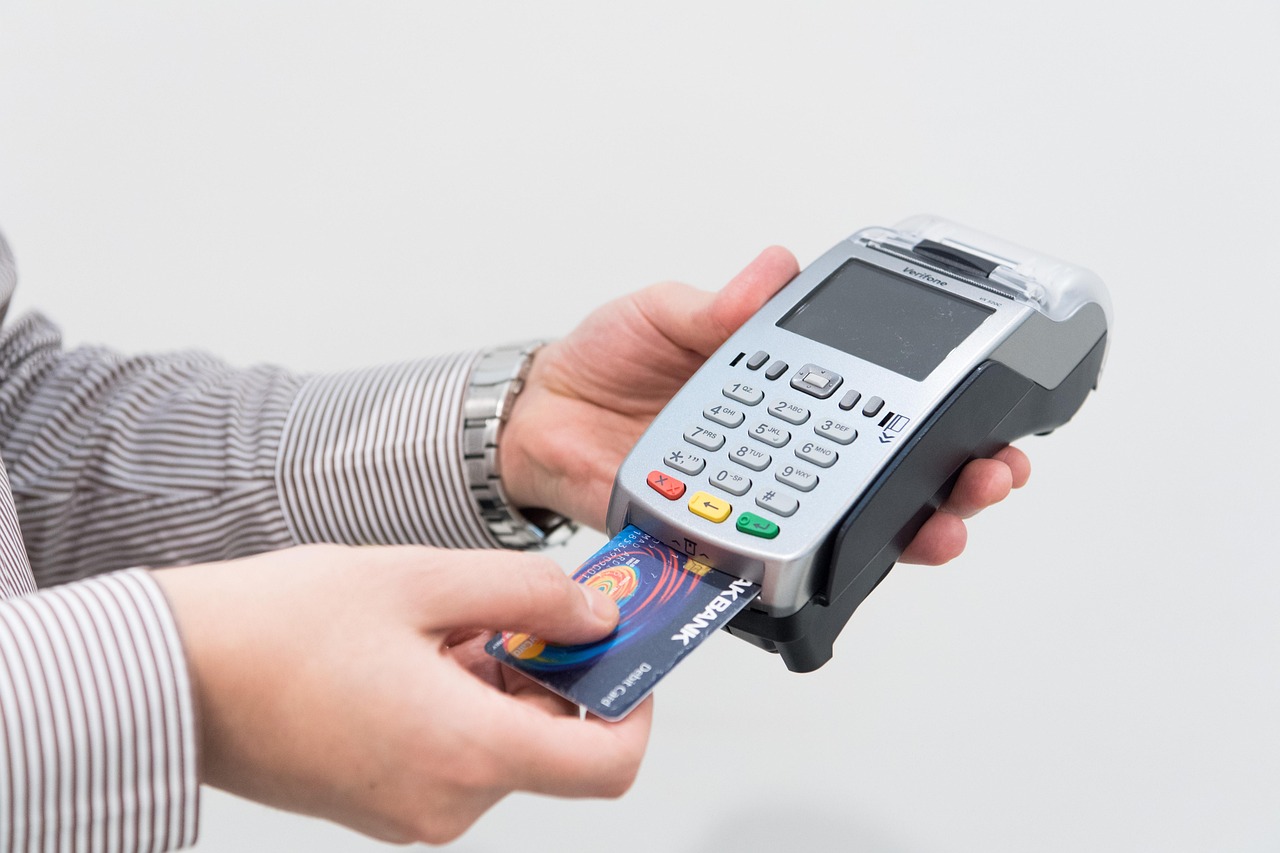
A modern touchscreen till does far more than open a cash drawer — it ties together your sales, stock, staff, and payments into a single, manageable system that grows with your business. Whether you're fitting out a first shop or replacing an ageing setup, choosing the right EPOS system is one of the most consequential decisions you'll make as a retailer. This guide cuts through the noise so you can buy with confidence, not guesswork.
What Is a Touchscreen Till System and Do You Really Need One?
A touchscreen till system — more formally known as an EPOS (Electronic Point of Sale) system — combines purpose-built hardware (a touchscreen terminal, receipt printer, barcode scanner, and cash drawer) with intelligent software that manages transactions, stock levels, customer data, and reporting in real time.
The honest answer to whether you need one: if your shop processes more than a handful of sales per day, almost certainly yes. Manual tills and tablet-only setups create gaps — in stock visibility, in payment options, in the data your business needs to stay profitable. A proper EPOS system closes those gaps systematically.
Businesses that benefit most include independent retailers, clothing boutiques, convenience stores, pharmacies, cafés, and any shop where stock accuracy and speed at the counter directly affect the customer experience.
Key Features to Look for in a Retail Touchscreen Till
Not all systems are equal. When evaluating options, focus on the features that affect your daily operation — not just the spec sheet.
Essential hardware considerations
- Screen quality and size: A 15" to 15.6" capacitive touchscreen is the retail standard. Smaller screens slow staff down; cheaper resistive panels frustrate them.
- Durability: Retail environments are demanding. Look for fanless, sealed designs that cope with dust, spills, and long operating hours.
- Peripheral compatibility: Your till should integrate natively with barcode scanners, receipt printers, cash drawers, customer displays, and card readers — without the need for fiddly workarounds.
Software features that drive profit
- Real-time stock management: Every sale should automatically decrement stock. Low-stock alerts stop you selling products you don't have.
- Multi-department and variant support: If you sell clothing, you need size and colour variants. If you run a pharmacy, you need product codes and dispensing records.
- Staff management and permissions: Clock-in, clock-out, and role-based access protect your business from shrinkage and errors.
- Reporting and analytics: End-of-day Z-reports are the minimum. The best systems give you hourly sales data, best-sellers by margin, and staff performance dashboards.
- Loyalty and promotions: Integrated loyalty schemes and BOGOF or percentage-discount rules keep customers returning and margins intact.
You can explore how these features work in practice via the EPOS Direct software platform, which covers retail, hospitality, and pharmacy verticals.
Which Touchscreen Till System Is Right for Your Type of Shop?
The best system for a fast-fashion boutique is not the best system for a delicatessen. Matching the software to your specific trade is critical.
Independent and specialist retailers
Clothing shops, gift shops, and boutiques need strong variant management, seasonal promotions, and loyalty tools. A purpose-built retail EPOS — rather than a generic tablet app — delivers the depth required. See our dedicated guide to the best EPOS systems for clothing shops in the UK for sector-specific advice.
Convenience stores and newsagents
High-volume, low-margin environments demand speed above all else. A quick-keys layout, age-verification prompts, and robust barcode scanning are non-negotiable. Integration with tobacco gantry systems and lottery terminals may also be relevant.
Pharmacies and healthcare retail
Pharmacies require dispensing records, controlled drug logging, and NHS integration. Generic retail software won't cover these needs — see the pharmacy EPOS software demo to understand what specialist functionality looks like in practice.
Cafés, bakeries, and food-to-go
Hospitality-adjacent shops need table management, modifier prompts (oat milk, extra shot), kitchen printer integration, and VAT handling for eat-in versus takeaway. The EPOS Direct hospitality and restaurant EPOS offers are built specifically for these environments.
Small and micro-businesses
If you're a sole trader or running a very small shop, affordability matters as much as functionality. Our guide to the best till systems for small businesses in the UK covers entry-level options that don't sacrifice the features you'll actually use.
How Much Does a Touchscreen Till System Cost in the UK?
This is the question most buyers search for first — and the answer depends on what you're buying and how you want to pay for it.
| Setup tier | What's typically included | Indicative cost range | Best suited to |
|---|---|---|---|
| Entry-level | Touchscreen terminal, software licence, basic support | From approximately £300–£600 upfront + monthly software fee | Sole traders, market stalls, small boutiques |
| Mid-range | Full hardware bundle (scanner, printer, cash drawer), cloud software, payment integration | Typically £600–£1,200 upfront or from around £30–£60/month on a contract | Independent retailers, convenience stores |
| Multi-terminal / multi-site | Multiple tills, back-office software, staff management, advanced reporting | Generally £1,500–£4,000+ upfront; enterprise plans quoted individually | Growing retail chains, pharmacies, larger hospitality venues |
All figures above are indicative market guidance for the UK only and should not be taken as fixed quotes. Contact EPOS Direct for pricing specific to your configuration.
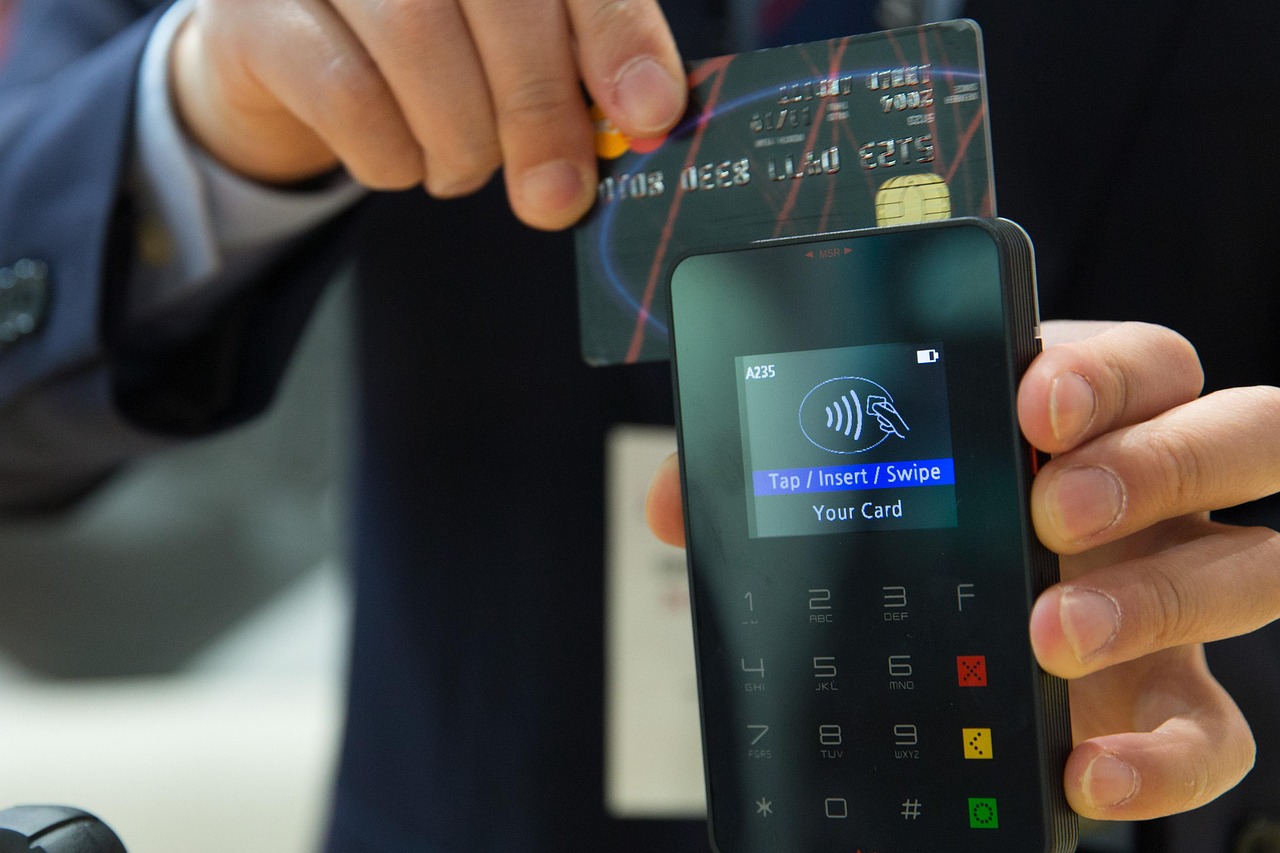
Beyond hardware, factor in software subscriptions (typically charged monthly), payment processing fees, and optional annual maintenance contracts. Integrated card payments are now expected by customers; pairing your till with the right card solution matters too — our guide to combined card machine and till systems explains how to keep transaction costs under control. If avoiding monthly fees is a priority, see also our overview of card machines with no monthly fee.
Cloud-Based vs. Traditional EPOS: What Should You Choose?
This is a genuinely important architectural decision that affects cost, resilience, and long-term flexibility.
Cloud-based EPOS
Software runs on remote servers; your till communicates via broadband or 4G. Advantages include automatic software updates, remote access to reports from any device, and easy multi-site management. The trade-off: you need a reliable internet connection. Most modern cloud systems include an offline mode so you can keep trading through brief outages, but it's worth confirming this before you commit.
Traditional (server-based) EPOS
Software and data sit on a local server or the till itself. More resilient in areas with poor connectivity, but updates are manual, remote access is limited, and multi-site synchronisation requires more infrastructure. Upfront costs can be higher.
Our view: For most UK retailers opening or upgrading a shop today, a cloud-first system with a robust offline mode is the right default. It scales more easily, requires less IT overhead, and keeps your data accessible wherever you are.
What's Included When You Buy an EPOS Till System from EPOS Direct?
EPOS Direct is one of the UK's longest-established EPOS suppliers, serving independent retailers, hospitality businesses, and pharmacies across the country. Understanding what a full system looks like — rather than just the hardware — helps you compare like for like.
- Purpose-built hardware: Commercial-grade touchscreen terminals, not repurposed tablets or consumer devices. Peripherals are matched and tested as a bundle.
- Sector-specific software: Separate software tracks for retail, hospitality, and pharmacy — each configured for the workflows of that industry, not a one-size-fits-all compromise.
- Integrated payment processing: Card acceptance built into the same interface. No separate app, no manual reconciliation between till and card reader. For further context, see our guide to EPOS systems for small businesses.
- Installation and training: Remote or on-site setup options, with staff training included. Getting your team confident on day one matters — a system that's misunderstood is a system that doesn't deliver its value.
- UK-based support: Access to a support team during trading hours, not an overseas call centre. For retail environments where downtime costs real money, this distinction is meaningful.
- Ongoing software development: As regulations change (VAT rules, Making Tax Digital requirements, data protection obligations), the software is updated to stay compliant — without extra charges for each update.
You can see the full range of current retail packages on the EPOS Direct retail EPOS offers page, where configurations and pricing are updated regularly.
How to Get Set Up Quickly and Start Selling Faster
Speed to trading matters. Every day you're managing transactions on a manual or inadequate system is a day you're losing data and potentially revenue.
- Clarify your requirements first: How many tills do you need? Do you take card payments only, or cash too? Do you need stock management from day one, or can that be phased in? Honest answers here prevent expensive over-specification — or equally costly under-specification.
- See the software before you sign anything: A demo removes uncertainty. Watch how a product is rung up, how a refund is processed, and how end-of-day reports are generated. Book a retail EPOS software demo to see the interface in action before committing.
- Import your product catalogue early: Most delays in going live stem from slow product data entry. If you have an existing spreadsheet of SKUs, a good supplier will help you import it rather than forcing manual re-entry.
- Train your team before opening: Two to three hours of guided practice on a test environment prevents costly mistakes during real transactions. Build this time into your launch plan.
- Review after 30 days: The first month of trading reveals how well the system fits your workflow. Use this period to customise quick-keys, refine your reporting, and activate features you didn't need on day one but do now.
If you'd prefer to talk through your specific setup with a specialist, you can talk to an EPOS Direct expert online — no obligation, no sales pressure, just practical guidance from people who configure these systems every working day.
Making the Right Choice for Your Shop
A touchscreen till system is an investment in your shop's operational backbone. Get it right and you'll spend less time counting stock manually, reconciling card receipts, and second-guessing your margins. Get it wrong and you'll be working around the system rather than with it.
The essentials to carry forward: match the software to your specific retail sector; think beyond upfront cost to total cost of ownership; verify offline capability if cloud-based; and always see a live demo before you decide.
EPOS Direct has been helping UK businesses make this decision for years — from single-counter independents to multi-site operations. Visit the EPOS Direct home page for the latest offers and information, or request a free demo today and see exactly how the right system could transform your shop floor.
Written by the EPOS Direct UK team, who help retailers and hospitality businesses across the United Kingdom choose, configure, and get the most from their EPOS and POS systems every day.
Frequently asked questions
- How much does a touchscreen till system typically cost for a small UK shop?
- For a small UK shop, a basic touchscreen till system typically starts from around £300 to £500 for entry-level hardware-only setups. A complete EPOS bundle — including touchscreen terminal, receipt printer, cash drawer, barcode scanner, and software — usually ranges from £600 to £1,500 depending on the brand and features. Monthly software subscriptions can add £20 to £80 per month. EPOS Direct offers competitively priced packages with transparent costs, and financing options are available so you can spread the cost.
- Can I use a touchscreen till system if I'm not very tech-savvy?
- Absolutely. Modern touchscreen till systems are designed to be intuitive, with simple icon-based interfaces that most staff can learn in under an hour. EPOS Direct provides full training, onboarding support, and UK-based customer service, so you won't be left to figure it out alone. If you can use a smartphone, you can use a touchscreen till.
- Will a new touchscreen till system work with my existing card payment terminal?
- In many cases, yes — but compatibility depends on the card payment provider and the EPOS software you choose. EPOS Direct's systems are designed to integrate seamlessly with leading UK payment processors. During your consultation, the team will confirm compatibility with your current setup or recommend a fully integrated card payment solution to avoid manual reconciliation and reduce errors.
