We use cookies to make your experience better.
To comply with the new e-Privacy directive, you agree to the privacy policy and our use of cookies


Beyond the Card Reader: The Best Payment Alternatives for UK Retail & Hospitality
Card Payment Machine Alternatives: Smarter Ways to Take Payments in Your UK Business

UK businesses have more ways to accept payments than ever before — and the humble card machine is no longer the only, or even the best, answer for every trading environment. From fully integrated EPOS terminals that combine stock control, reporting and payments into a single device, to mobile readers, payment links and self-service kiosks, the right setup depends on your venue type, transaction volume and growth ambitions. This guide cuts through the noise to help you identify which approach genuinely fits your business.
Why UK Businesses Are Rethinking How They Take Payments
The shift away from standalone card machines is being driven by practical frustration as much as innovation. A traditional terminal processes a payment and stops there — it generates no stock update, no sales report, no customer record. Every time a sale goes through a siloed machine, your business loses data it could have used.
Meanwhile, UK consumer expectations have moved sharply. Contactless payments now account for the majority of in-person card transactions in the UK (verified data is published periodically by UK Finance and the British Retail Consortium). Customers expect speed, flexibility and receipts delivered digitally. Businesses that still rely on a single countertop machine can struggle to meet that pace, especially during peak service.
There is also a cost argument. Many standalone card machines charge per-transaction fees plus a monthly rental, with no business-management tools included. When you price up a card machine alongside separate till software, receipt printing, stock management and loyalty tools, a unified alternative often works out cheaper per feature — and simpler to operate.
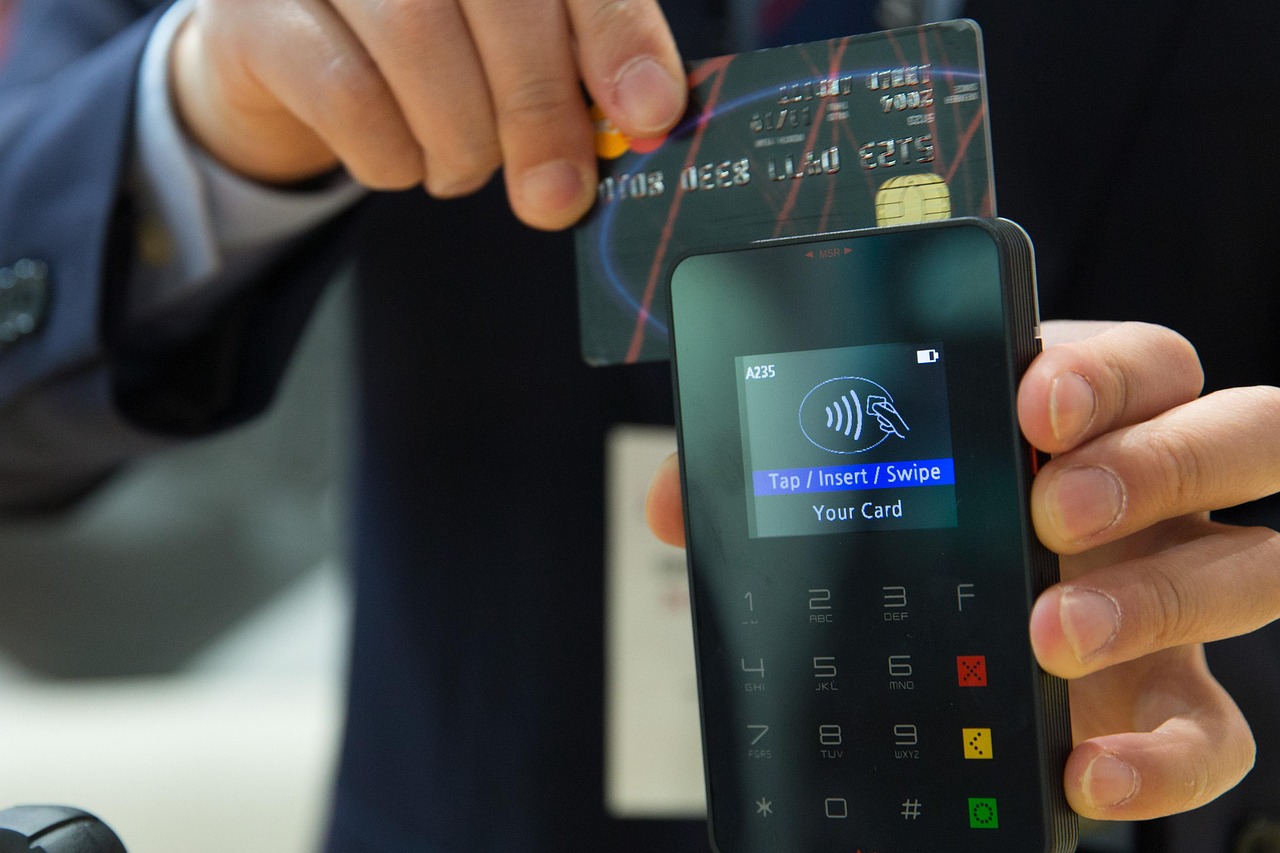
Integrated EPOS Terminals: The All-in-One Alternative Worth Considering
An integrated EPOS terminal combines a touchscreen till, payment processing, receipt printing and back-office software into a single, managed system. For most retail and hospitality businesses in the UK, this is the most powerful step up from a basic card machine.
What integration actually means in practice
- Stock updates in real time: every card sale reduces inventory automatically — no manual reconciliation at the end of the day.
- Unified sales reporting: revenue, margins and product performance are visible in one dashboard, not spread across a card machine printout and a separate spreadsheet.
- Faster checkout: the cashier selects items on the EPOS screen; the payment request flows directly to the integrated reader — no re-keying the amount.
- Customer and loyalty data: integrated systems can tie a card payment to a customer record, enabling repeat-purchase analysis and loyalty programmes.
If you are evaluating this route, our detailed guide to EPOS systems with integrated card payments in the UK explains the key features to compare across the market. You can also view our current retail EPOS offers to see what a bundled hardware-and-software setup costs in practice.
Mobile POS Systems: Taking Payments Anywhere on the Floor
Mobile POS (mPOS) solutions pair a tablet or smartphone with a Bluetooth or USB card reader, letting staff process payments at the table, in a fitting room, at a market stall or curbside. The distinction between a basic card reader app and a true mobile EPOS system matters significantly.
Basic card reader apps vs. mobile EPOS
Entry-level card readers (the small dongle-style devices from well-known payment brands) process payments but offer minimal business management. A mobile EPOS system — running proper POS software on a tablet — adds product catalogues, stock control, floor-plan management and reporting. For a café, pop-up retailer or hospitality business with table service, the difference in operational efficiency is substantial.
For businesses weighing the wireless option specifically, our practical guide to wireless card machines for small businesses in the UK walks through what to look for in range, battery life and connectivity.
Where mPOS works best
- Restaurants and pubs: pay-at-table reduces queuing and increases table turns
- Retail with a large floor: staff can check stock and complete a sale without sending the customer to a fixed till point
- Events, markets and pop-ups: full EPOS capability without a fixed installation
- Queue-busting during peak periods alongside a main EPOS counter
QR Code and Payment Links: Low-Hardware Options for Smaller Venues
Not every business needs physical payment hardware for every transaction. Payment links — unique URLs sent via email, WhatsApp or SMS — allow a customer to pay on their own device without any card machine being present. QR code payments work similarly: a printed or displayed code opens a checkout page when scanned.
Practical applications
- Service businesses: send an invoice with an embedded payment link to a client — no terminal required.
- Cafés and quick-service restaurants: table QR codes linked to an ordering and payment platform can replace counter queuing entirely.
- Click-and-collect: send a payment link to a customer before collection so the handover is seamless.
- Deposits and bookings: take a partial payment in advance via link, then process the balance in person.
The trade-off is less control and fewer business-management insights than a full EPOS system. Payment links are best used as a complement to a primary system, or as a starting point for very small or mobile-only traders. They typically carry per-transaction fees without a monthly commitment, which suits low-volume sellers — though the per-transaction rate can be higher than integrated solutions at scale.
Self-Service Kiosks and Unattended Payment Solutions
Self-service kiosks have moved well beyond fast-food chains. UK retailers, pharmacies, cinemas, gyms and convenience stores are deploying unattended payment terminals for ordering, top-ups, ticketing and collection — reducing staff labour costs while improving throughput at busy periods.
What a kiosk setup involves
- A ruggedised touchscreen (freestanding, counter-mounted or wall-mounted)
- An integrated payment module accepting chip and PIN, contactless and mobile wallets
- POS or specialist kiosk software connected to your back-office inventory and reporting
- Optional peripherals: barcode scanner, receipt printer, customer-facing display
For pharmacies in particular, an unattended collection point integrated with dispensary management software can meaningfully reduce counter pressure. If that environment is relevant to you, request a pharmacy EPOS software demo to see how modern unattended workflows operate in practice.
Kiosks carry a higher upfront hardware cost than a countertop terminal, but the payback calculation — reduced labour, longer trading hours, improved throughput — frequently justifies the investment for venues with consistent footfall.
Understanding the Real Costs: What Each Setup Typically Costs in the UK
Cost is almost always the first question — and the hardest to answer without knowing your transaction volume, number of terminals and software requirements. What follows are honest indicative ranges drawn from typical UK market conditions, not quotes. Always request a personalised proposal before committing.
| Payment Solution | Typical Hardware Cost | Typical Monthly Software / Service Fee | Transaction Fee (indicative) | Best For |
|---|---|---|---|---|
| Standalone card machine (rented) | Often included in contract | Typically £15–£30/month per terminal | 0.3%–1.75%+ depending on card type | Lowest-volume, simplest needs |
| Integrated EPOS system | Typically from £500–£1,500+ per terminal (purchase) | Typically £30–£80/month per site for software | Negotiated via acquirer; often 0.3%–1.0%+ at volume | Retail, hospitality, multi-department businesses |
| Mobile POS / tablet EPOS | Typically from £200–£600 (tablet + reader) | Typically £20–£60/month for software | 0.5%–1.75%+ depending on provider and volume | Table service, market traders, queue-busting |
| Payment links / QR codes | None (or minimal) | Often £0–£20/month | Typically 1.0%–2.5%+ per transaction | Service businesses, deposits, very low volume |
| Self-service kiosk | Typically from £2,000–£6,000+ per unit | Typically £50–£150/month for software and management | Negotiated; volume-based | High-footfall venues, pharmacies, food ordering |
All figures above are approximate guidance for the UK market and will vary based on your acquirer, contract length and volume commitments. Businesses operating without a monthly fee commitment typically pay a higher per-transaction rate — our guide to card machines with no monthly fee explains where that trade-off makes sense. For the most affordable end of the EPOS market, see our round-up of affordable EPOS systems for small UK businesses.
Hidden charges to ask about before you sign
- PCI DSS compliance fees (charged monthly or annually by some acquirers)
- Non-compliance fees if you miss PCI paperwork deadlines
- Minimum monthly service charges if transaction volume falls short
- Early termination fees on hardware leases or merchant services contracts
- Chargeback handling fees
- Premium rates for non-UK European or corporate cards
How to Choose the Right Payment Setup for Your Business
Three questions do most of the filtering work when businesses are deciding between solutions:
1. Do you need business management, or just payment processing?
If you need stock control, table management, staff reporting, loyalty programmes or supplier ordering alongside your payments, a standalone card machine will always leave a gap. An integrated EPOS is almost certainly the better fit. Our guide to the best till systems for small UK businesses gives a structured comparison of what to prioritise.
2. Are your payments fixed-counter or roaming?
A café with table service, a clothing boutique with a large floor, or a business that trades at events needs payment capability away from a fixed counter. Mobile EPOS or wireless card solutions solve this. A combined card machine and till system guide — see our complete guide to card machine and till system combinations — is a useful reference for fixed-counter setups that want tight integration without going fully bespoke.
3. What is your realistic transaction volume over 12 months?
At very low volumes, a pay-as-you-go payment link or basic card reader costs less overall despite its higher per-transaction rate. As volume grows, a fixed monthly fee with a lower transaction rate becomes more economical. Run the maths at your current and projected volume before committing to any contract structure.
If you are unsure which direction fits your business, you can talk to an expert online — the EPOS Direct UK team works with businesses across retail, hospitality, pharmacy and beyond every day, and can walk through your specific situation without obligation.
Sector-specific starting points
- Retail: integrated EPOS with barcode scanning, stock management and card payments. Book a retail EPOS software demo to see how it handles your product range.
- Restaurants and cafés: table-plan EPOS with integrated pay-at-table and kitchen display. Request a restaurant EPOS software demo to explore table management in action.
- Pharmacies: integrated dispensary management with EPOS and unattended collection options.
- Mobile / market traders: lightweight tablet EPOS or a high-quality wireless card reader.
- Service businesses: payment links for remote invoicing, supplemented by a mobile reader for face-to-face appointments.
The Direct Answer: Which Solution Is Right for Most UK Businesses?
For the majority of UK retail and hospitality businesses that currently use a standalone card machine, an integrated EPOS system — combining touchscreen till, stock management and built-in card payments — delivers more value per pound spent and eliminates the data gaps that standalone machines create. Mobile POS adds flexibility for table service and roaming sales. Payment links and QR codes are best used as complements rather than primary solutions. Self-service kiosks suit high-footfall venues once core EPOS is in place.
Next Steps with EPOS Direct UK
EPOS Direct UK supplies, installs and supports EPOS systems for businesses across the United Kingdom — from independent retailers and family restaurants to pharmacy groups and multi-site hospitality operators. Our team helps businesses at every stage, from first enquiry through to live deployment and ongoing support.
Explore the full range of systems and current offers on the EPOS Direct UK home page, or take one of the steps below when you are ready to move forward:
- Request a free demo and see the right system working with your product type
- Browse our hospitality and restaurant EPOS offers if you run a food or drink venue
- Request a call back and one of our consultants will come back to you at a time that suits
Written by the EPOS Direct UK team, specialists in EPOS and POS systems for UK businesses across retail, hospitality, pharmacy and beyond.
Frequently asked questions
- What is a realistic cost for switching away from a standalone card machine to an integrated EPOS payment system in the UK?
- Costs vary depending on the setup. A basic integrated EPOS terminal with built-in payment processing typically starts from around £300–£600 for the hardware, with monthly software licences ranging from £20 to £80 per month. Some providers bundle payment processing at rates between 1.2% and 1.75% per transaction, which can undercut the fees charged by standalone card machine providers like SumUp or Square for higher-volume businesses. Always request an itemised quote and compare the total cost of ownership over 12–24 months rather than just the upfront price.
- Can I take payments without any physical card machine at all?
- Yes. Options include payment links sent via SMS or email, QR codes printed on receipts or table cards, and virtual terminals where staff manually enter card details over the phone. These are popular for telephone orders, market stalls, and table-side service. However, for businesses processing regular in-person transactions, an integrated EPOS solution tends to be faster, more accurate, and better for stock and reporting.
- How does an integrated EPOS terminal differ from a traditional card payment machine?
- A traditional card machine only processes payments and sends data to your bank. An integrated EPOS terminal combines payment processing with stock management, sales reporting, staff management, and customer data in one system. When a customer pays, the sale is automatically reconciled with your inventory and end-of-day reports — removing the need to manually cross-reference your card machine totals with your till, which saves significant admin time and reduces human error.
