We use cookies to make your experience better.
To comply with the new e-Privacy directive, you agree to the privacy policy and our use of cookies


How Much Does a Card Payment Machine Cost for UK Businesses?
Card Payment Machine Costs Explained for UK Businesses
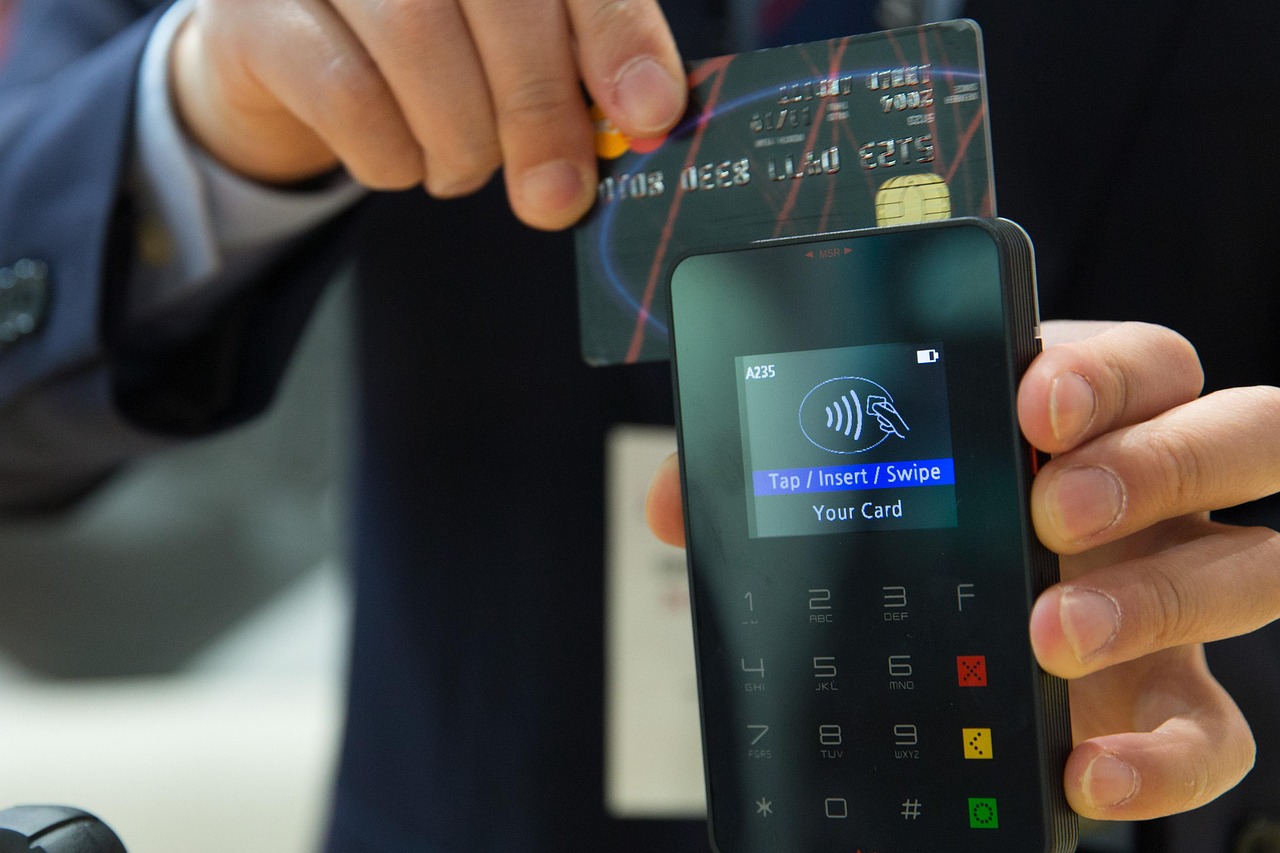
How much a card payment machine costs depends on several interconnected factors — the type of terminal, how you acquire it, your transaction volume, and whether it sits standalone or integrates with a broader EPOS setup. For most UK businesses, the total monthly outlay for card acceptance falls somewhere between £10 and £60 for a basic terminal arrangement, rising significantly once you factor in integrated software, multiple devices, or bespoke hospitality features. This guide breaks down every layer of cost clearly, so you can make a confident, informed decision rather than an expensive one.
The Main Costs to Expect When Taking Card Payments
Card payment costs in the UK are rarely a single line item. Before signing any contract or placing an order, you need to understand all the components that combine to form your true cost of acceptance.
- Hardware costs: The physical terminal — portable, countertop, or integrated — whether purchased outright or rented.
- Transaction fees: A percentage of each card transaction, sometimes accompanied by a fixed pence-per-transaction charge.
- Monthly service fees: Charged by some payment providers for account maintenance, gateway access, or software licensing.
- Setup and onboarding fees: A one-time charge some providers levy during account activation.
- PCI DSS compliance fees: Some acquirers pass on an annual or monthly charge related to Payment Card Industry Data Security Standard compliance. You can verify your obligations at the PCI Security Standards Council website.
- Non-compliance penalties: Failure to complete PCI DSS self-assessment questionnaires can result in additional monthly charges from your acquirer.
- Minimum monthly service charges: If your transaction volume is low, some providers bill a minimum fee to cover the shortfall.
Understanding which of these apply to your situation — and which you can negotiate or avoid entirely — is where meaningful savings are made.
Types of Card Payment Machines and Their Indicative Price Ranges
The terminal type you need depends on how and where you trade. Below are the four main categories and their approximate UK market costs.
Countertop Terminals
Fixed machines connected via Ethernet or broadband, suited to reception desks, fixed checkouts, and pharmacy counters. Hardware typically ranges from around £80 to £250 to purchase outright, though rental arrangements are common.
Portable (Bluetooth/WiFi) Terminals
Widely used in restaurants, cafés, and pubs for tableside payment. These wireless devices typically cost from around £100 to £300 outright. If wireless mobility matters to your operation, our guide to the best wireless card machines for small businesses in the UK covers the key models and selection criteria in detail.
Mobile (SIM-Based) Terminals
Suitable for market traders, delivery drivers, and mobile professionals. These operate over a mobile network and usually cost from around £50 to £200, with some providers offering them free of hardware charge in exchange for higher transaction rates.
Integrated EPOS Terminals
Card payment hardware that connects directly to your point-of-sale software, eliminating manual re-entry of sale amounts and reducing human error. These form part of a broader EPOS bundle and are discussed fully in the integrated systems section below.
| Terminal Type | Typical Purchase Price | Best For | Integration Capability |
|---|---|---|---|
| Countertop | ~£80–£250 | Fixed checkouts, receptions, pharmacies | Can integrate with EPOS via cable or IP |
| Portable (WiFi/Bluetooth) | ~£100–£300 | Table service, hospitality, salons | Good — increasingly EPOS-integrated |
| Mobile (SIM-based) | ~£50–£200 | Mobile traders, markets, delivery | Limited — usually standalone |
| Integrated EPOS terminal | Part of EPOS bundle (varies) | Retail, hospitality, multi-lane | Full — native two-way EPOS integration |
Transaction Fees, Monthly Charges and Hidden Costs to Watch Out For
Transaction fees are where many businesses quietly lose money. UK acquirer rates vary considerably depending on card type, volume, and negotiated terms.
Understanding Transaction Rate Structures
- Blended rates: A single percentage applied to all card types. Simple, but can be expensive if you process many premium or corporate cards. Typically from around 0.9% to 2.5% per transaction for small businesses.
- Interchange-plus (cost-plus) pricing: You pay the card scheme's interchange fee plus a fixed acquirer margin. More transparent, often cheaper at volume, and increasingly available to SMEs.
- Fixed monthly fee plus lower per-transaction rates: Suits high-volume businesses that can offset the monthly charge through reduced rates.
Hidden Costs That Catch Businesses Out
- Authorisation fees per transaction (often a few pence, rarely disclosed upfront)
- Chargeback handling fees
- Early termination fees on long-term rental contracts
- Paper roll and consumables for receipt printing
- Gateway fees if your terminal connects to a payment gateway separately
If avoiding monthly fees is a priority for your business, our dedicated guide to card machines with no monthly fee explores which providers genuinely offer this and what trade-offs are involved.
Buying vs Renting a Card Machine: Which Works Out Cheaper?
This is one of the questions we hear most often — and the honest answer depends on your cash flow, contract appetite, and how long you plan to use the device.
Purchasing Outright
You pay once and own the hardware. There are no ongoing rental fees, and you retain flexibility to switch acquirers. The upfront cost can feel significant for a new business, but over two to three years it typically represents the lower total cost. Maintenance and replacement on failure are your responsibility.
Renting or Leasing
Monthly terminal rental fees in the UK typically range from around £10 to £35 per device per month, depending on the provider and terminal specification. Rental usually includes hardware replacement and support. However, contracts of 12 to 48 months can lock you in — and early exit fees can be substantial. Always read the full contract terms before signing.
For a deeper comparison of subscription versus outright purchase — including EPOS software licensing — our article on monthly EPOS subscription versus outright purchase covers the full financial picture across hardware and software.
Integrated EPOS and Card Payment Bundles vs Standalone Terminals
A standalone card terminal processes payments. An integrated EPOS system processes payments and manages your entire operation — stock, staff, reporting, loyalty, kitchen orders, and more. The cost comparison between these two approaches is not simply about hardware price.
Standalone terminals are cheaper upfront and simpler to deploy, but they create data silos. Every transaction must be reconciled manually against your till records, increasing the risk of discrepancy and the time spent on end-of-day reporting.
Integrated bundles — where the card terminal communicates directly with your EPOS software — eliminate that friction entirely. Our comprehensive guide to card machine and till system combined solutions explains how these setups work and what to expect at each price tier. For retail and hospitality businesses processing meaningful volume, the operational efficiency of integration often repays the additional software cost within months.
If you are exploring full EPOS solutions with native card payment integration, our guide to EPOS systems with integrated card payments is an excellent starting point — and you can request a free demo of the EPOS Direct platform to see how it works in practice.
What Affects the Total Cost of Card Payments for Retail and Hospitality?
Two businesses with identical transaction volumes can face very different total costs depending on their sector, setup, and supplier choices. Here are the variables that move the needle most.
Retail
- Average transaction value: Higher basket sizes make percentage-based fees more material.
- Number of till points: Multi-lane retail needs multiple terminals — each with its own hardware and potentially rental cost.
- Card-present vs card-not-present: Online or telephone orders attract higher interchange fees.
- Integrated stock management: Reduces shrinkage and reconciliation overhead, offsetting software cost.
Our guide to the best till systems for small businesses covers retail-specific configurations in detail. If you are ready to explore pricing, view our current retail EPOS offers for packages that include integrated payment.
Hospitality and Food & Beverage
- Table count and covers: Higher table counts typically require more portable terminals, increasing hardware expenditure.
- Split-bill and gratuity handling: Requires terminal software that supports these features — not all entry-level devices do.
- Kitchen display integration: Orders flowing from the terminal to the kitchen digitally reduce errors and labour cost.
- Service charge processing: Must be handled correctly to comply with HMRC guidance on tips and service charges.
For restaurants, cafés, and pubs, the EPOS Direct hospitality and restaurant EPOS offers include sector-specific configurations built around real operational workflows.
How to Choose the Right Card Payment Setup for Your Business
Selecting the right setup is a decision about the next three to five years of your business operations, not just next month's costs. Work through the following criteria before committing.
- Estimate your monthly card volume: Providers with minimum monthly fees are only cost-effective above a certain volume threshold. Know your numbers first.
- Assess your need for mobility: Fixed checkout? Countertop. Tableside service? Portable or integrated handheld. Markets or events? Mobile SIM-based.
- Decide on integration level: If you already use EPOS software — or plan to — choose a card terminal confirmed as compatible. Do not assume compatibility; verify it with the provider.
- Read the full contract: Minimum terms, exit clauses, and auto-renewal provisions are where businesses get caught out. Ask specifically about early termination fees before signing.
- Compare total cost of ownership, not just transaction rates: A lower rate with a high monthly fee may cost more than a slightly higher rate with no monthly fee, depending on your volume.
- Check customer support quality: A payment terminal going down during peak trading hours is a business-critical failure. UK-based support with fast response times is worth paying for.
For small businesses weighing up their first or replacement system, our practical guide to the best till systems for small businesses — including integrated payment options — covers the decision framework in full. You can also talk to an EPOS Direct expert online to get a recommendation tailored to your specific business type and volume.
A Quick Reference: What Card Payment Setup Costs Look Like in the UK
The following ranges are honest indicative figures based on typical UK market conditions as of 2025. They are guidance only — your actual costs will depend on your provider, volume, and configuration.
| Setup Type | Approx. Hardware Cost | Approx. Monthly Fees | Typical Transaction Rate |
|---|---|---|---|
| Standalone mobile terminal (no monthly fee) | ~£50–£150 upfront or free | £0 | ~1.5%–2.5% per transaction |
| Rented countertop terminal | £0 upfront | ~£10–£35/month | ~0.9%–1.8% per transaction |
| Purchased terminal with acquirer contract | ~£80–£300 upfront | ~£5–£20/month | ~0.9%–1.6% per transaction |
| Integrated EPOS + card payment bundle | Typically from ~£300–£800+ (bundle) | ~£30–£100+/month (software + fees) | Negotiated — often competitive at volume |
All figures are indicative only and reflect typical UK market ranges. Contact your chosen provider for a personalised quote based on your actual transaction profile.
Conclusion
The true cost of card payments in the UK is always a combination of hardware, transaction fees, monthly charges, and the operational overhead of your setup — never just the terminal price. The businesses that get this right take time to understand every cost layer, compare total ownership costs rather than headline rates, and choose a setup that scales with them rather than constraining them.
EPOS Direct UK provides integrated EPOS and card payment solutions for retail, hospitality, and specialist sectors across the United Kingdom — built around genuine business needs rather than one-size-fits-all packages. Explore the full range of EPOS Direct offers and information, or request a free demo to see how an integrated system could work for your business. If you would prefer to speak with someone directly, request a call back and a member of our team will be in touch.
Written by the EPOS Direct UK team, who work with retail, hospitality, and specialist businesses across the United Kingdom every day to design, configure, and support EPOS and payment systems that fit the way they actually operate.
Frequently asked questions
- How much does a card payment terminal typically cost to buy outright in the UK?
- In the UK, a basic countertop card machine starts at around £50 to £150 for entry-level models. Mid-range portable or Wi-Fi terminals typically cost £150 to £300, while full smart terminals with touchscreens or Android-based systems can range from £300 to £600 or more when purchased outright. Buying outright avoids monthly rental fees, which usually run from £15 to £40 per month on a contract.
- Are there ongoing fees beyond the hardware purchase for taking card payments?
- Yes — beyond the upfront or rental hardware cost, businesses typically pay a transaction fee per card payment (usually 0.5% to 1.75% depending on card type and provider), a monthly service or gateway fee, and sometimes a PCI compliance fee. Some providers also charge minimum monthly usage fees, so it is important to compare the total cost of ownership rather than just the machine price.
- Is it better to get a card machine that integrates with my till system?
- For most retail and hospitality businesses, an integrated card payment terminal that connects directly to your EPOS system saves time, reduces human error and simplifies end-of-day reconciliation. Standalone machines require staff to manually enter amounts twice, which increases the risk of mistakes. Integrated solutions may have a higher upfront cost but typically deliver a faster return on investment through improved efficiency and fewer transaction errors.
