We use cookies to make your experience better.
To comply with the new e-Privacy directive, you agree to the privacy policy and our use of cookies


Best Card Payment Machines for UK Retail Businesses: A Complete Buyer's Guide
Card Payment Machines for UK Retail Businesses: Everything You Need to Know Before You Buy
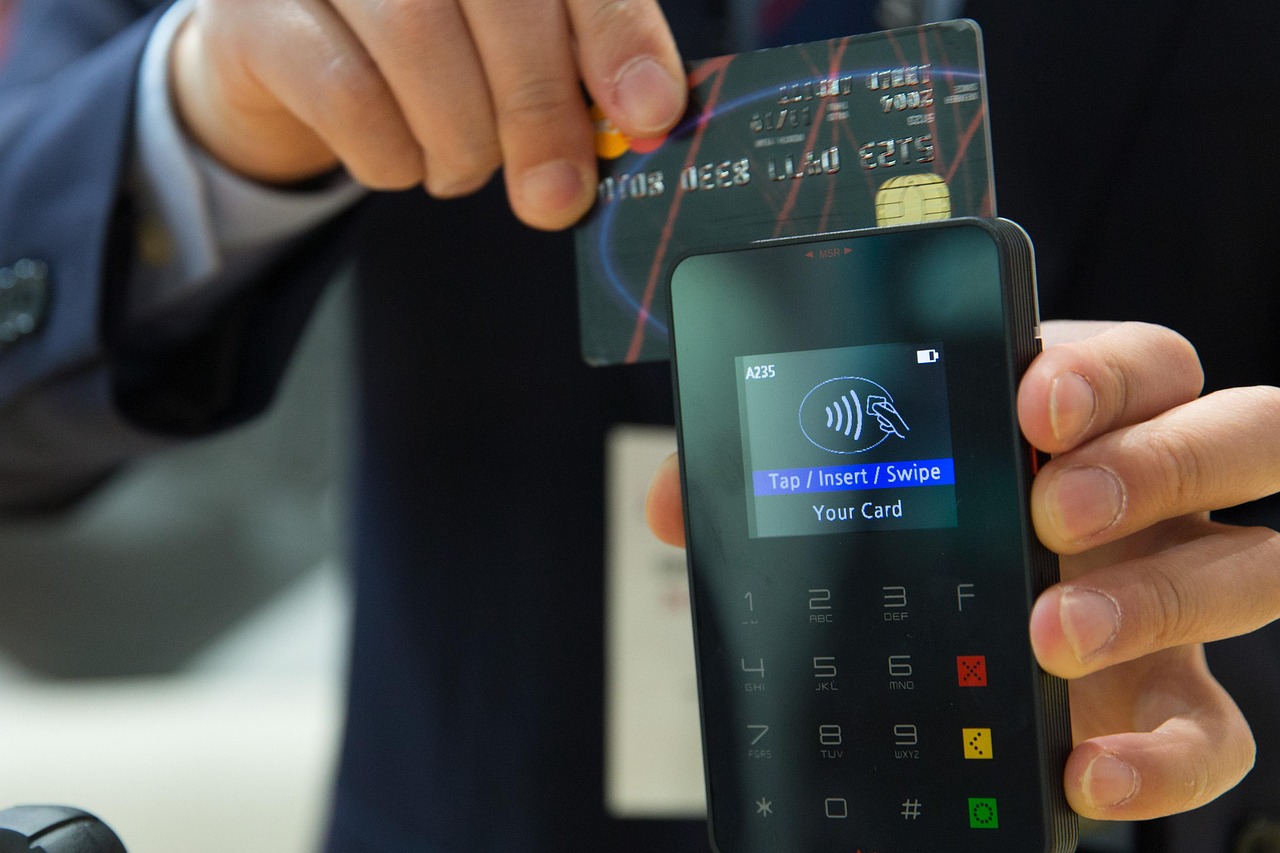
Choosing the right payment terminal is one of the most consequential decisions a UK retail business owner makes — it affects your customer experience, cash flow, transaction costs and day-to-day operations in equal measure. The good news is that the UK market now offers more options than ever, from compact countertop readers to fully integrated EPOS solutions with built-in payments. This guide cuts through the noise and gives you a clear, practical framework for selecting, budgeting and setting up a card payment solution that genuinely fits your retail operation.
Written by the EPOS Direct UK team, who help retail and hospitality businesses across the United Kingdom choose, configure and deploy EPOS and POS systems every day.
Why Getting Your Payment Setup Right Matters More Than Ever
UK consumers have largely abandoned cash. Research by UK Finance consistently shows that debit card payments now account for the majority of all retail transactions, and contactless payments continue to grow year on year. Retailers who offer a clunky, slow or unreliable payment experience risk losing sales at the final, most critical moment of the customer journey.
Beyond the customer-facing side, your payment terminal feeds data into stock management, end-of-day reconciliation and VAT reporting. Choosing a terminal that integrates poorly — or not at all — with your wider till setup creates hours of manual admin every week. Getting this right from the start saves money, time and frustration.
If you are also weighing up your broader point-of-sale setup, our guide to the best till systems for small businesses in the UK is a natural companion read to this article.
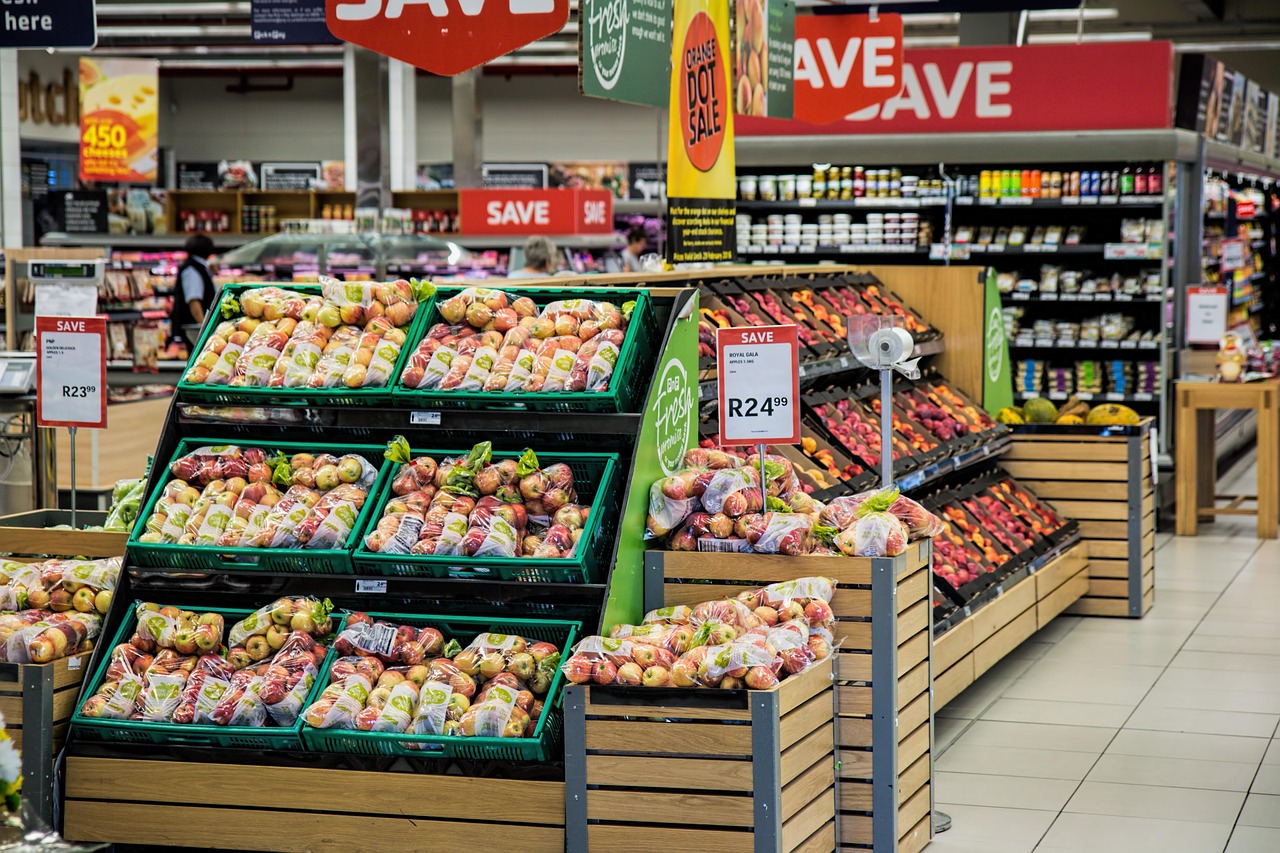
Types of Card Payment Terminal Available for UK Retailers
Not every payment terminal suits every retail environment. Understanding the core categories will help you shortlist quickly.
Countertop Terminals
The traditional fixed unit that sits on your checkout desk, connected via Ethernet or broadband. Countertop terminals are reliable, fast and typically offer the lowest transaction fees because they use a stable, wired connection. They suit high-volume retail environments — supermarkets, pharmacies, busy fashion boutiques — where customers always come to a fixed checkout point.
Wireless and Portable Terminals
These connect over Wi-Fi or 4G, allowing staff to take payment anywhere in the store, in a fitting room or at a pop-up event. For retailers who operate across multiple locations or want queue-busting capability on the shop floor, wireless terminals add genuine flexibility. See our dedicated guide on the best wireless card machines for small businesses in the UK for a deeper comparison of models and connectivity options.
Mobile and Tap-to-Phone Solutions
A smartphone or tablet acts as the terminal itself, using NFC. These are entry-level solutions suited to market traders, small independents with very low transaction volumes or businesses just starting out. Transaction fees tend to be higher per sale.
Integrated EPOS Terminals
A card payment module built directly into a full EPOS system, so the till and the payment device are a single, unified platform. This is the preferred solution for serious retail operations: stock levels update automatically on every sale, receipts are generated centrally, and end-of-day reports reconcile without manual data entry. Read more about how this works in our complete guide to a card machine and till system combined.
Key Features to Look for in a Retail Payment Terminal
Once you have identified the right category, compare terminals against these criteria:
- Accepted payment methods: chip-and-PIN, contactless (Visa, Mastercard, Amex), Apple Pay, Google Pay and Samsung Pay as a minimum. Some retailers also benefit from accepting QR-code payments.
- Transaction speed: anything above three seconds per contactless tap will create queue build-up in a busy retail environment.
- Connectivity resilience: does the terminal fall back to a secondary network (4G) if Wi-Fi drops? Downtime costs sales directly.
- PCI DSS compliance: the Payment Card Industry Data Security Standard is a mandatory framework for any business handling card data. Confirm your provider manages compliance on your behalf — this is standard practice with reputable UK acquirers but always worth verifying.
- EPOS integration: does the terminal communicate with your stock management, loyalty and reporting software, or does it operate as a siloed device?
- Receipt options: printed, emailed or both? Digital receipts are increasingly preferred and reduce consumable costs.
- Support and uptime guarantees: look for UK-based telephone support, especially during trading hours. Hardware replacement SLAs matter — a dead terminal during peak trading can be catastrophic.
What Does a Card Payment Machine Cost for a UK Retail Business?
Pricing is structured across three layers — hardware, transaction fees and monthly service charges — and can vary considerably depending on your sales volume and provider. The figures below are indicative ranges for UK retail businesses; always request a tailored quote.
| Solution Type | Typical Hardware Cost | Typical Monthly Fee | Typical Transaction Rate | Best For |
|---|---|---|---|---|
| Pay-as-you-go mobile reader | From ~£20–£50 (one-off) | None | 1.5%–2.5% per transaction | Market traders, pop-ups, very low volumes |
| Standalone countertop terminal | From ~£100–£250 (purchase) or rental available | ~£10–£30/month (rental/service) | 0.3%–1.5% (volume dependent) | Small-to-medium fixed retail |
| Wireless/portable terminal | From ~£150–£350 (purchase) | ~£15–£40/month | 0.3%–1.5% | Multi-area stores, queue busting |
| Integrated EPOS + payments | From ~£500–£1,500+ (hardware bundle) | ~£30–£80+/month (software + processing) | Often negotiated flat rate at volume | Established retail businesses wanting a unified system |
All figures are approximate indicative ranges for the UK market and are not guaranteed quotes. Actual costs depend on your card processor, transaction volume, contract length and chosen hardware. Always compare at least two or three providers before committing.
One often-overlooked question retailers ask is: "Do I have to pay a monthly fee at all?" The short answer is no — some providers offer zero monthly fee structures, though transaction percentages are typically higher to compensate. Our guide to card machines with no monthly fee for UK businesses explores whether that trade-off makes financial sense for different retail scenarios.
For businesses weighing a subscription-based EPOS model against buying hardware outright, our analysis of monthly EPOS subscription versus outright purchase provides a balanced breakdown of both approaches.
Integrating Your Card Payment Machine with an EPOS System
Standalone payment terminals serve a purpose, but integration with a full EPOS platform is where serious retailers unlock real value. When your payment device communicates directly with your till software:
- Sales totals pass automatically to your till — no manual keying, no human error.
- Stock levels decrement in real time, giving you accurate inventory data without a separate stock count.
- End-of-day Z-reports reconcile payments, refunds and voids automatically.
- Customer-facing loyalty programmes and promotions apply at the point of payment.
- You gain a single unified dashboard for sales analytics, rather than cross-referencing separate systems.
For a full overview of how integrated payment systems work across different retail formats, our guide to the best EPOS systems with integrated card payments in the UK covers the leading approaches in detail. You can also view a retail EPOS software demo to see exactly how EPOS Direct's integrated payment workflow operates in practice.
Common Mistakes UK Retailers Make When Choosing a Payment Terminal
After years of working with UK retail businesses, the EPOS Direct team sees the same avoidable errors arise repeatedly.
1. Choosing on transaction rate alone
A low per-transaction percentage looks attractive, but if the hardware is unreliable, the support is offshore-only, or the system doesn't integrate with your till, you will pay far more in lost sales and wasted time than you ever saved on fees.
2. Not accounting for card type variation
Consumer debit cards typically attract lower interchange fees than commercial credit cards or premium reward cards. Ask providers how their pricing applies across card types — flat-rate blended pricing can sometimes be more predictable for budgeting, while interchange-plus models may save money at higher volumes.
3. Locking into a long contract without an exit clause
Some merchant service agreements carry penalty clauses for early termination. Read the small print on any contract exceeding 12 months, and ensure there is a reasonable exit pathway if your business circumstances change.
4. Treating the payment terminal as an afterthought
Retailers who specify their EPOS system first and then try to bolt on a payment terminal often find compatibility issues. Plan your payment solution and your EPOS platform together from the outset — it is far simpler to integrate when both are chosen as a pair.
5. Underestimating support requirements
A payment failure on a Saturday afternoon is not a Monday morning problem. Confirm that your provider offers support during your actual trading hours, not just standard business hours.
How to Get Set Up with a Card Payment Machine Through EPOS Direct
EPOS Direct supplies integrated card payment solutions as part of a complete retail EPOS package — hardware, software and payment processing configured to work together from day one. The setup process is straightforward:
- Needs assessment: our team reviews your retail format, transaction volumes, number of tills and integration requirements to recommend the right configuration.
- Hardware selection: countertop, portable or fully integrated EPOS terminals, specified to match your store environment.
- Software configuration: your EPOS software is pre-configured with your product catalogue, VAT rates and reporting preferences before delivery.
- Payment processing setup: we work with you to establish your merchant account and ensure PCI DSS compliance is managed from the outset.
- Training and go-live support: on-site or remote training ensures your team is confident before the first transaction is processed.
You can explore the full range of retail EPOS solutions — including current hardware bundles and pricing — at our retail EPOS offers page. If you would prefer to see the software in action before committing, you can request a free demo at a time that suits you.
For businesses that want to understand the broader EPOS Direct proposition before diving into specifics, our complete guide to EPOS and POS systems for UK businesses covers the full platform in depth. And for a general overview of everything EPOS Direct offers, visit the EPOS Direct home page for the latest deals, bundles and information.
The Short Answer: What Should a UK Retailer Choose?
For most established UK retail businesses, an integrated EPOS system with a built-in or directly paired card payment terminal offers the best combination of reliability, data insight and long-term value. Standalone readers work well at very low volumes or for mobile trading, but they create data silos that create admin overhead as your business grows. The right solution connects payments, stock and reporting in a single platform — and that is where meaningful operational efficiency begins.
Ready to Find the Right Payment Solution for Your Retail Business?
The EPOS Direct team works with independent retailers, multi-site chains and everything in between across the United Kingdom. Whether you need a single countertop terminal or a fully integrated EPOS platform with payments built in, we can specify, supply and support a solution matched to your exact requirements.
Talk to an expert online for immediate guidance, or request a call back and a member of our retail team will be in touch at a time that works for you.
Frequently asked questions
- What is the difference between a standalone card terminal and one integrated with an EPOS system?
- A standalone card terminal processes payments independently, meaning staff must manually enter the sale amount and reconcile separately. An EPOS-integrated terminal receives the total directly from your till software, reducing human error, speeding up checkout and giving you unified sales reports in one place. For most retail businesses, an integrated setup is the smarter long-term investment.
- How much should I expect to pay for a card payment machine for my retail shop in the UK?
- Costs vary depending on the type and provider. In the UK, a basic countertop card terminal can start from around £99–£199 to purchase outright, while portable and wireless terminals typically range from £150–£350. Some providers offer terminals on a monthly rental basis from approximately £15–£30 per month. You should also factor in transaction fees, which typically range from 0.3% to 1.75% per transaction depending on your card mix and contract. Bundling your terminal with an EPOS system from a provider like EPOS Direct can reduce overall costs and simplify support.
- Can I use a card payment machine if my retail shop has an unreliable internet connection?
- Yes. Many modern card terminals support 4G connectivity as a fallback, and some can store and forward transactions when connectivity drops temporarily. If your shop has consistently poor broadband, look for terminals with built-in SIM card support. It is worth discussing your connectivity situation with your provider before committing to a contract to ensure the hardware is suited to your environment.
