We use cookies to make your experience better.
To comply with the new e-Privacy directive, you agree to the privacy policy and our use of cookies


Best Card Payment Machines for Small Businesses in the UK (2026 Guide)
Best Card Payment Machines for Small Businesses in the UK (2026 Guide)
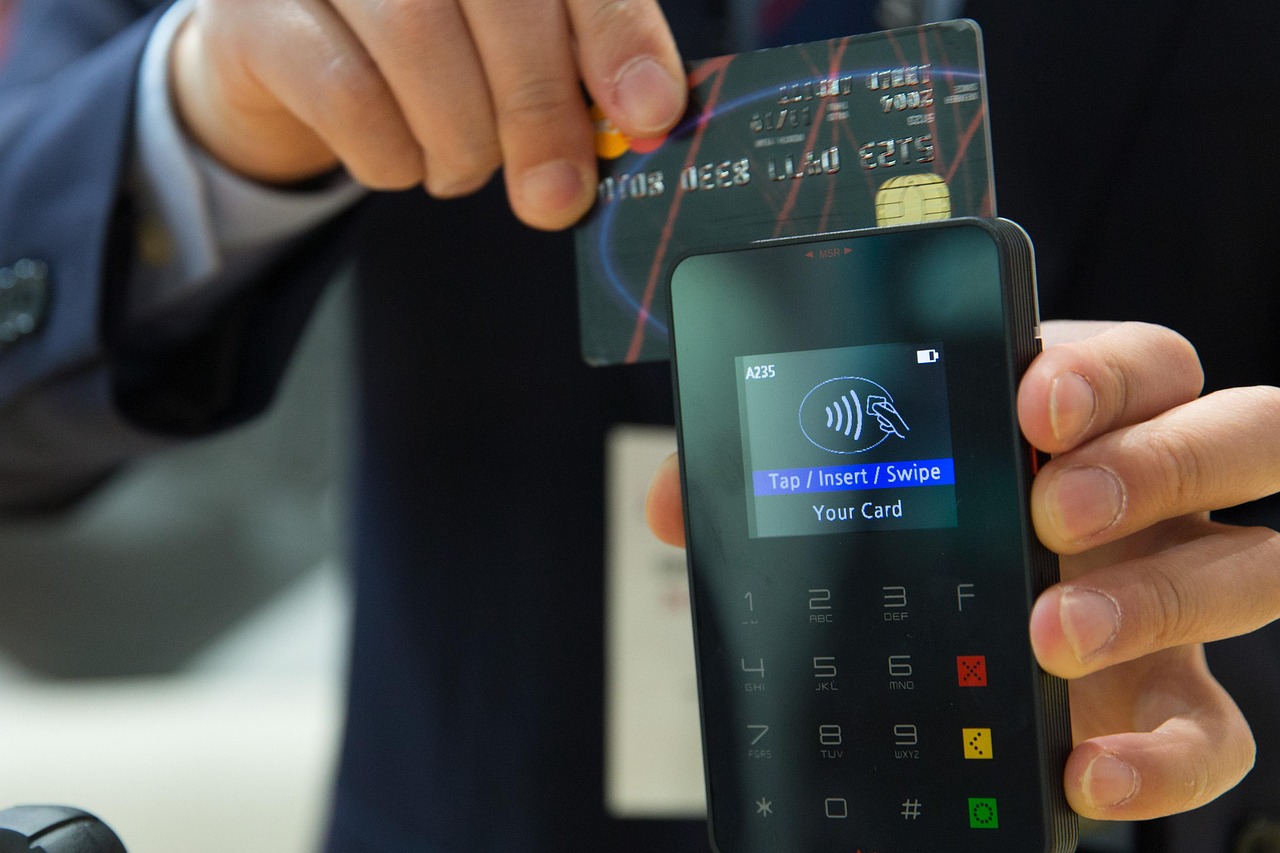
Accepting card payments is no longer optional for most UK small businesses — it is a baseline expectation from customers and a direct driver of revenue. The good news is that the market in 2026 offers more flexibility than ever, from simple plug-in readers for sole traders to fully integrated EPOS terminals built for busy retail floors and restaurants. This guide cuts through the noise to help you choose the right solution, understand what you will genuinely pay, and avoid the hidden costs that catch too many small business owners off guard.
Written by the EPOS Direct UK team, who work with independent retailers, hospitality operators and specialist businesses across the United Kingdom every day.
Do You Actually Need a Dedicated Card Payment Machine?
The short answer is almost certainly yes. UK Finance data consistently shows that card and contactless payments now dominate consumer spending, and a growing proportion of shoppers — particularly under-40s — carry little or no cash. Refusing card payments does not just lose you individual sales; it actively signals to customers that your business is behind the curve.
Beyond customer expectations, accepting cards improves cash-flow visibility, reduces end-of-day reconciliation errors, and integrates cleanly with your accounting software. The question, therefore, is not whether to accept cards — it is which type of payment solution best matches how your business actually operates.
Types of Card Payment Machine Available for UK Small Businesses
The UK market broadly splits into four categories. Understanding the differences saves you from overpaying for complexity you do not need, or under-buying and hitting a ceiling as you grow.
1. Portable Card Readers
Compact, Bluetooth-paired devices that connect to a smartphone or tablet app. Ideal for market traders, mobile therapists, tradespeople and pop-up events. Setup is fast and upfront costs are low, but they tend to carry higher per-transaction fees and offer limited stock or reporting functionality.
2. Countertop Card Terminals
Wired or Wi-Fi terminals designed for a fixed checkout point. A reliable workhorse for small shops, cafés and service counters. More robust connectivity than mobile readers and often lower transaction rates, but tethered to a specific location unless you opt for a portable variant.
3. Wireless / Mobile EPOS Terminals
Handheld devices that combine card acceptance with order-taking and stock management — particularly popular in hospitality. Staff can take payments tableside, reducing queuing and improving table turn. Explore the full picture in our guide to the best wireless card machines for small businesses in the UK.
4. Integrated EPOS Payment Systems
A full point-of-sale terminal — touchscreen, receipt printer and card reader — working from a single unified platform. Sales, stock, loyalty and reporting all share one database. This is where genuine operational efficiency lives, and it is the solution most growing small businesses ultimately migrate to. Learn how these work together in our guide to card machine and till system combined setups.
Understanding Card Payment Machine Fees and Transaction Costs
One of the most common questions from new buyers is: "What will I actually pay each month?" The honest answer is that costs vary significantly depending on provider, volume and contract terms — but the structure is consistent enough to compare clearly.
The Main Cost Layers to Scrutinise
- Hardware cost: Either a one-off purchase (typically from around £50 for a basic reader to £300–£700 for a robust countertop terminal) or included within a monthly subscription. Buying outright is often cheaper over three-plus years.
- Transaction fees: Usually expressed as a percentage of each sale, often between 1.0% and 2.5% for consumer debit and credit cards. Corporate cards and premium cards may attract higher rates. Always ask for a blended rate based on your actual card mix.
- Monthly or gateway fees: Some providers charge a fixed monthly fee in exchange for lower transaction rates — worthwhile if your monthly card turnover is substantial. Others have no monthly fee but charge more per transaction. For a detailed look at no-subscription options, see our guide to card machines with no monthly fee.
- Settlement timing: Some providers pay out next-day; others take two to five working days. This matters for cash flow, especially in early trading.
- Minimum monthly fees and PCI DSS compliance charges: Read the small print. Some contracts include mandatory PCI fees of £2–£5 per month — small individually, but they add up.
A realistic budget for a small retail or hospitality business taking a reasonable volume of card payments might fall between £20 and £80 per month in combined fees (hardware rental or equivalent, gateway, and transaction costs), though high-volume businesses often negotiate significantly better rates. These are indicative ranges only — request a tailored quote for accurate figures. For a deeper discussion of subscription versus ownership models, read our article on monthly EPOS subscription vs outright purchase.
Standalone Card Readers vs Integrated EPOS Payment Systems: Which Is Right for You?
This is the decision that determines your operational ceiling, so it deserves careful thought rather than a snap judgment based on upfront price alone.
| Factor | Standalone Card Reader | Integrated EPOS + Payments |
|---|---|---|
| Upfront cost | Lower (typically from ~£50) | Higher (typically from ~£300–£800+ for hardware) |
| Setup complexity | Very simple — app-based | Moderate — configured to your business |
| Stock management | None or very basic | Full real-time inventory tracking |
| Sales reporting | Basic transaction history | Detailed by product, staff, time period |
| Loyalty & CRM | Rarely included | Often built in or integrated |
| Scalability | Limited — suited to very low volume | Strong — grows with the business |
| Best suited to | Sole traders, markets, pop-ups | Established shops, cafés, restaurants |
| Payment data isolation | Separate from other business data | Unified — fewer reconciliation errors |
The integrated route does require a larger initial commitment, but the operational return — fewer manual errors, faster service, real-time stock visibility — is often felt within weeks. Explore the full range of EPOS systems with integrated card payments to see how this looks in practice.
Key Features to Look for in a Small Business Payment Terminal
Beyond headline transaction rates, these are the features that genuinely separate good solutions from frustrating ones once you are live and trading.
- Contactless and mobile wallet acceptance: Apple Pay, Google Pay and contactless cards now account for the majority of in-person payments in the UK. Any terminal that does not support these is already behind.
- Offline mode: What happens if your broadband drops during a busy Saturday? A terminal that queues transactions locally and syncs when connectivity returns is essential for any physical premises.
- Receipt options: Printed, email and SMS receipts give customers choice and help you build a marketing database compliantly.
- Integration with your existing software: Accounting platforms such as Xero and QuickBooks, plus payroll and e-commerce channels, should connect cleanly. Ask providers specifically about API availability.
- PCI DSS compliance support: Payment Card Industry Data Security Standards compliance is a legal obligation for any business accepting cards. A reputable provider will handle the heavy lifting and explain what you need to verify — never accept vague assurances on this point. Verify requirements at the official PCI Security Standards Council website.
- Durability and support: In a busy café or retail environment, equipment gets knocked, splashed and dropped. Check the warranty terms and — critically — what happens if your terminal fails during peak trading hours. UK-based telephone support matters far more than a cheap price when you are mid-service.
Card Payment Solutions for Retail and Hospitality: What Works Where
Independent Retail
For a bricks-and-mortar shop, the priority is speed at the checkout alongside accurate stock management. An integrated EPOS terminal with a built-in or paired card reader eliminates the manual reconciliation between a separate till and card machine — a surprisingly common source of end-of-day errors. Our practical buyer's guide to till systems for small businesses covers this in detail for retail operators.
If you are exploring retail solutions, you can also view our current retail EPOS offers or book a retail EPOS software demo to see the platform in action before committing.
Hospitality, Cafés and Restaurants
Tableside payment is now a baseline customer expectation in UK restaurants and cafés — waiting for a terminal to be carried across the room frustrates guests and slows table turn. Handheld wireless terminals linked to a kitchen display system and a central EPOS platform transform service speed and order accuracy. Explore our hospitality and restaurant EPOS offers, or walk through a live restaurant EPOS software demo to understand the workflow.
Specialist Businesses (Pharmacy, Health and Wellness, Professional Services)
Sector-specific workflows — appointment-linked payments, age-verification prompts, prescription handling — require a system built with those use cases in mind, not a generic reader bolted onto a workaround. EPOS Direct's specialist software includes pharmacy-specific modules; you can explore these via our pharmacy EPOS software demo.
What Does It Cost? Honest Indicative Price Ranges
The following ranges are indicative guidance based on typical UK market conditions in 2026. They are not quotes and will vary based on your transaction volume, card mix and chosen provider. Always request a tailored proposal before signing any agreement.
- Basic mobile card reader (app-based): Hardware typically from around £20–£60; transaction fees often 1.5%–2.5% with no monthly fee.
- Countertop card terminal (standalone): Hardware from around £100–£350 to purchase outright, or included within monthly plans starting from approximately £15–£30 per month; transaction fees from around 1.0%–1.75%.
- Integrated EPOS system with card payments: Full hardware bundle (touchscreen terminal, card reader, receipt printer) typically from around £300–£800 upfront if purchased, or bundled within monthly EPOS subscriptions. Transaction fees are often negotiated as part of the overall package and can be meaningfully lower at higher volumes.
- Ongoing monthly costs (all-in estimate for a single-site small business): Most small businesses paying for software, hardware rental and transaction processing combined fall broadly in the range of £30–£120 per month, depending on volume and features. High-volume businesses with negotiated rates often fall below this; very low-volume businesses using pay-as-you-go models may pay less.
These figures are provided as approximate market guidance only. For accurate pricing tailored to your business, request a call back from the EPOS Direct UK team.
How to Get Started with a Card Payment Machine from EPOS Direct UK
The process is straightforward and, with the right guidance, most small businesses are up and running within a few days of hardware delivery.
- Audit your needs honestly. How many transactions do you take per week? Do you need tableside payments, stock management, or multi-site reporting? Answering these before you speak to any provider saves significant time and prevents overselling.
- Compare total cost of ownership, not just transaction rates. A cheaper transaction fee attached to an expensive monthly plan may cost more overall than a slightly higher rate with no fixed fee — do the maths for your own volume.
- Request a demonstration. No reputable provider should ask you to commit without seeing the software in action. Request a free demo from EPOS Direct UK to see exactly how the platform works before any decision.
- Confirm support terms. Ask specifically: What happens if my terminal fails on a Saturday afternoon? UK-based support with fast hardware replacement guarantees is worth paying a small premium for.
- Understand your contract length. Many providers lock businesses into 12–36 month agreements. Know what you are signing and what the exit terms are.
If you are still mapping out the broader picture for your business — till systems, software, payment integration and beyond — the EPOS Direct UK home page is the best starting point for current offers and further information across the full product range.
Conclusion: Choosing the Right Payment Solution for Your Business
The right card payment setup is one that fits how your business operates today while leaving room to grow. For very early-stage or highly mobile businesses, a simple card reader may be all you need to start. For any established small business with a fixed location and genuine ambition, an integrated EPOS and payments platform will save time, reduce errors and deliver insight that a standalone reader simply cannot.
EPOS Direct UK specialises in helping UK small businesses find exactly that fit — without overselling complexity or underselling capability. Whether you are a first-time buyer or replacing an ageing system, talk to an expert online or request a free demo today and see how straightforward the right decision can be.
Frequently asked questions
- What is the cheapest card payment machine for a small business in the UK?
- Entry-level portable card readers start from around £19–£49 upfront but often carry higher per-transaction fees (1.5%–2.5%). For higher volumes, an integrated EPOS solution from EPOS Direct UK can offer lower transaction rates and better long-term value, often with transparent monthly pricing and no hidden fees.
- Do I need a contract to get a card payment machine in the UK?
- Not always. Some providers offer pay-as-you-go card readers with no contract, while others require 12–24 month agreements in exchange for lower transaction fees or bundled hardware. EPOS Direct UK offers flexible options tailored to small businesses, so you can choose the arrangement that suits your cash flow and growth plans.
- Can I take card payments without an internet connection?
- Most modern card payment machines require either a Wi-Fi or 4G/5G mobile data connection to process transactions securely. Some devices offer offline mode with limited functionality, storing transactions locally until connectivity is restored. EPOS Direct UK's integrated payment hardware supports 4G connectivity, making it ideal for market traders, pop-ups, and mobile businesses.
