We use cookies to make your experience better.
To comply with the new e-Privacy directive, you agree to the privacy policy and our use of cookies


Affordable EPOS Systems for Small Shops: What to Look For and Where to Save
The Most Affordable EPOS Systems for Small Shops in the UK
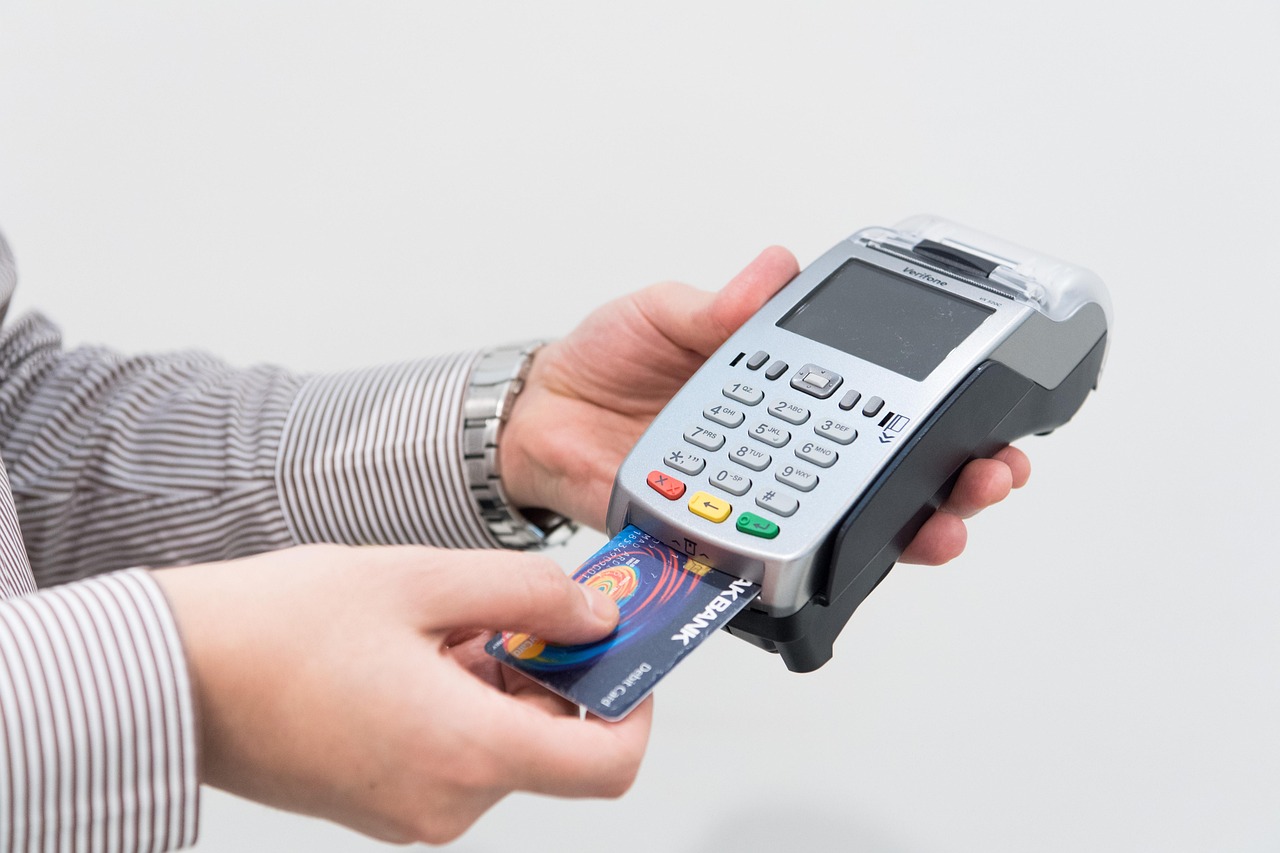
For independent shop owners watching every penny, finding a genuinely capable EPOS system at a sensible price is entirely achievable — provided you know what to compare and where the real costs hide. A well-chosen EPOS setup can pay for itself within months through faster service, tighter stock control and fewer end-of-day errors. This guide cuts through the noise to give you an honest, practical framework for choosing an affordable retail EPOS system in the UK without sacrificing the features your business actually needs.
What Is an EPOS System and Does Your Small Shop Actually Need One?
An EPOS (Electronic Point of Sale) system combines hardware — a touchscreen terminal, receipt printer, barcode scanner and cash drawer — with software that processes sales, tracks stock, reports on performance and, increasingly, integrates card payments in a single workflow. Modern cloud-based systems go further, giving you real-time visibility over your shop from any device.
If you are still relying on a basic cash register or a standalone card machine and a manual stockbook, the honest answer is: yes, almost certainly. Consider these practical scenarios:
- You lose track of stock. Over-ordering ties up cash; running out loses sales. An EPOS system flags low stock automatically.
- End-of-day reconciliation takes too long. A system that logs every transaction eliminates manual counting errors and speeds up closing.
- You can't see which products are actually profitable. Built-in reporting turns daily transactions into margin insight.
- Customers expect card payments as standard. Integrated card acceptance is now a baseline expectation, not a premium feature.
For smaller shops with very low transaction volumes — a market stall open two days a week, for example — a simple card reader and a spreadsheet may genuinely be enough. For anyone with a permanent retail premises handling more than a handful of transactions daily, a dedicated system almost always makes financial sense. Our guide to switching from a cash register to a modern EPOS system walks through that transition in detail if you're at that crossroads.

How Much Does an EPOS System Cost for a Small Retail Shop in the UK?
This is the question every independent retailer asks first, and it deserves a straight answer. UK pricing broadly falls into three tiers:
| Tier | Typical Setup Cost | Typical Monthly Ongoing Cost | Best Suited To |
|---|---|---|---|
| Entry-level (software-only or tablet-based) | Typically from £0–£300 hardware outlay | Approximately £20–£50/month (software + support) | Very small shops, pop-ups, single operators |
| Mid-range (dedicated terminal bundle) | Typically £400–£900 for a full hardware bundle | Approximately £30–£80/month | Established independents, gift shops, convenience stores |
| Full retail EPOS (multi-feature, integrated payments) | Typically £800–£1,500+ for hardware | Approximately £50–£120/month depending on features | Busier shops, multi-category retailers, those needing CRM or loyalty |
These are indicative market ranges — actual pricing depends on the supplier, hardware specification, software tier and contract length. The most important thing to compare is total cost of ownership over 24–36 months, not just the upfront sticker price. A "free" system with high monthly fees and punishing card transaction rates can cost far more than an outright purchase. Our dedicated article on monthly EPOS subscriptions versus outright purchase breaks down the maths in full.
Key Features to Look For Without Blowing Your Budget
Budget constraints make prioritisation essential. The following features represent genuine operational value for most small UK retailers, rather than nice-to-have extras that inflate your bill:
Non-Negotiable for Most Small Shops
- Inventory management: Real-time stock tracking, low-stock alerts and the ability to add product variants (size, colour) without manual workarounds.
- Integrated card payments: A combined terminal eliminates the reconciliation headache of running a separate card machine. See our guide to card machine and till system combinations for a full comparison of approaches.
- Sales reporting: At minimum, daily Z-reports, best-seller rankings and a VAT summary. This is not a luxury — it directly feeds your accountant and your buying decisions.
- Receipt printing and digital receipts: Digital options reduce consumable costs and are increasingly preferred by eco-conscious shoppers.
- Cloud backup: If your hardware fails, you need your data. Local-only systems without cloud backup are a genuine business risk.
Useful But Not Always Worth Paying Extra For
- Customer loyalty schemes (valuable for gift shops and boutiques; less so for convenience stores)
- E-commerce integration (only if you actually sell online or plan to within 12 months)
- Advanced supplier management and purchase orders (worthwhile at mid-range, less critical at entry level)
- Staff management and time-clocking (relevant once you have multiple employees)
Cloud-Based vs Traditional EPOS: Which Is Cheaper Long-Term?
Cloud-based EPOS systems store your data and run your software on remote servers, accessible via a browser or dedicated app. Traditional (or "legacy") systems run software locally on a dedicated machine. The distinction matters enormously when calculating real cost.
Cloud-Based Systems
- Lower upfront hardware cost — often runs on a standard tablet or compact terminal
- Automatic software updates included in the subscription, so you always run current features
- Accessible remotely — check sales from your phone, manage stock from home
- Ongoing monthly fee is the trade-off; over five-plus years, total spend can exceed an outright purchase
- Dependent on an internet connection — a reliable broadband or 4G backup matters
Traditional / On-Premise Systems
- Higher upfront cost but no ongoing software licence once purchased
- Works offline without issue — useful in areas with patchy connectivity
- Software updates may incur additional charges; hardware replacement is your responsibility
- Typically less flexible and harder to scale across multiple sites
For most small UK retailers opening today, a cloud-based system on a manageable monthly plan offers the best balance of affordability, flexibility and ongoing support. The question of which model fits your cash flow is explored honestly in our guide to subscription versus outright purchase.
Hidden Costs to Watch Out for When Buying a Budget EPOS System
The advertised price of an entry-level system rarely reflects what you will actually spend in year one. Before committing, ask every supplier these questions directly:
- What are the card processing rates? Some providers advertise "free" hardware but recoup the cost through higher-than-market card transaction fees. At meaningful volumes, even a 0.2% difference in rate adds up materially over a year.
- Is telephone and chat support included? Some budget plans include email-only support with 48-hour response times — unacceptable if your till goes down on a busy Saturday.
- Are software updates charged separately? On legacy systems particularly, major version upgrades can carry additional licence costs.
- What does installation and training cost? Reputable suppliers include setup, but some budget providers charge separately for on-site installation or initial training sessions.
- Are there minimum contract terms with exit penalties? A 36-month contract with early termination fees can turn a cheap monthly rate into an expensive commitment.
- What are the consumables costs? Receipt paper rolls, cash drawer keys and replacement styluses are small individually but add up. Ask for indicative annual consumables costs.
Transparency on these points is one of the clearest indicators of a trustworthy supplier. If a supplier is evasive about any of these, treat that as a red flag.
Comparing Affordable EPOS Approaches for Small UK Retailers
Rather than naming specific competitors (whose pricing and features change frequently and vary by negotiation), it is more useful to compare the types of solution available and the trade-offs each brings for a budget-conscious retailer:
| Solution Type | Typical Strengths | Typical Weaknesses | Right For |
|---|---|---|---|
| Generic tablet app + card reader | Very low entry cost; quick to set up | Limited inventory depth; weak reporting; no dedicated support | Market stalls, occasional sellers |
| Subscription cloud EPOS (mid-market) | Strong features; automatic updates; remote access | Monthly fees accumulate; card rate lock-in with some providers | Most independent retailers |
| Outright-purchase dedicated EPOS bundle | No ongoing software fees; robust hardware; often better long-term value | Higher upfront outlay; software updates may cost extra | Established shops with steady cash flow |
| Specialist retail EPOS (with integrated payments) | Seamless card processing; consolidated reporting; one point of support | Higher initial cost; supplier dependency | Shops prioritising simplicity and growth |
For a deeper comparison of what integrated card payment EPOS systems can offer, our guide to EPOS systems with integrated card payments is a useful next step. And if you want to see how EPOS Direct's own offering compares directly, our competitor comparison guide sets out the differences plainly.
How to Get the Best Deal on an EPOS System for Your Shop
Securing real value — rather than just a low headline price — comes down to a handful of concrete negotiating and evaluation steps:
1. Get a Live Demo Before You Commit
Any reputable supplier should offer a no-obligation demonstration of their software. Seeing the system process a sale, run a stock report and handle a refund in real time tells you far more than a brochure. You can request a free demo from EPOS Direct UK to see our retail software in action before making any decision.
2. Ask About Bundled Hardware Offers
Buying hardware and software from the same supplier typically reduces both the upfront cost and the support complexity. EPOS Direct's retail EPOS system offers bundle hardware and software with transparent pricing — a sensible starting point for any small shop owner comparing costs.
3. Negotiate Contract Length Against Monthly Rate
Longer contract commitments typically unlock lower monthly rates. The trade-off is flexibility — assess honestly whether your business model is likely to change significantly within the contract period before signing a 36-month agreement.
4. Check What's Included in the Support Package
UK retailers benefit most from UK-based support available during trading hours. Ask specifically: is there a dedicated account manager? Is support by phone, and during what hours? What is the average response time to a critical fault?
5. Compare Total Cost Over 24 Months, Not Monthly Rate
Build a simple spreadsheet: hardware cost + (monthly software fee × 24) + estimated card processing fees + estimated consumables. This single exercise frequently reveals that the "cheapest" headline offer is not the most affordable option over a realistic ownership period.
If you'd like to talk through your specific requirements without any sales pressure, the EPOS Direct team is available to talk to you online as an expert resource — whether you're comparing options or ready to move forward.
For a broader look at how different till solutions compare across business sizes and sectors, our complete buyer's guide to till systems for small businesses covers the full picture in one place.
A Direct Answer: What Is a Realistic Budget?
For a single-terminal small shop in the UK, a capable, professionally supported EPOS system typically requires an upfront hardware investment of around £400–£900 for a quality dedicated bundle, with ongoing software and support costs in the region of £30–£80 per month. Entry-level tablet-based setups can cost less initially, but often carry limitations in stock management depth or support quality that create friction as your business grows. The right system is the one that fits your trading reality — not the one with the lowest number on the homepage.
Ready to Find an Affordable EPOS System for Your Shop?
EPOS Direct UK works with independent retailers across the country every day, helping them find systems that are genuinely affordable, robustly supported and built to grow with their business. Whether you are replacing an ageing cash register, setting up your first proper retail system, or reassessing a contract that no longer suits you, our team can help you navigate the options clearly and honestly.
Explore the full range of EPOS Direct offers and information, or take the next step by viewing our current retail EPOS system offers. If you'd prefer to speak to someone directly, request a call back and a member of the team will be in touch at a time that suits you.
Written by the EPOS Direct UK team, who help small retailers across the United Kingdom choose, install and get the most from their EPOS and POS systems every day. Pricing ranges cited in this article are indicative of typical UK market conditions and should be used for budgeting guidance only — contact us for a personalised quote specific to your business.
Frequently asked questions
- How much should I expect to pay for an EPOS system for a small shop in the UK?
- For a single-till setup in a small UK retail shop, entry-level EPOS systems typically start from around £300 to £600 for the hardware (touchscreen terminal, receipt printer, and card reader). Software subscriptions can range from free basic plans up to £30–£60 per month for more advanced retail features. All-in-one bundles from suppliers like EPOS Direct can offer better value, often starting around £399 including setup, which avoids unexpected add-on costs.
- Can I run a shop on a tablet-based EPOS system to keep costs down?
- Yes, tablet-based EPOS systems are a popular low-cost option and can work well for small shops with lower transaction volumes. They pair an iPad or Android tablet with a card reader and receipt printer, keeping upfront hardware costs low. However, they may lack the durability, offline reliability, and retail-specific features of a purpose-built EPOS terminal, so it is worth comparing total cost of ownership before committing.
- What is the difference between a cheap EPOS system and a good-value one?
- A cheap EPOS system may have a low upfront price but cost more over time through high monthly fees, paid support, or limited integrations that force you to use workarounds. A good-value system balances reasonable upfront cost with inclusive software, local UK support, inventory management, and scalability — so you are not paying again when your business grows. Always ask what is included in the price before signing up.
