We use cookies to make your experience better.
To comply with the new e-Privacy directive, you agree to the privacy policy and our use of cookies


Best Cloud EPOS Systems for UK Businesses in 2026: The Complete Guide
Cloud EPOS Systems for UK Businesses: Everything You Need to Know
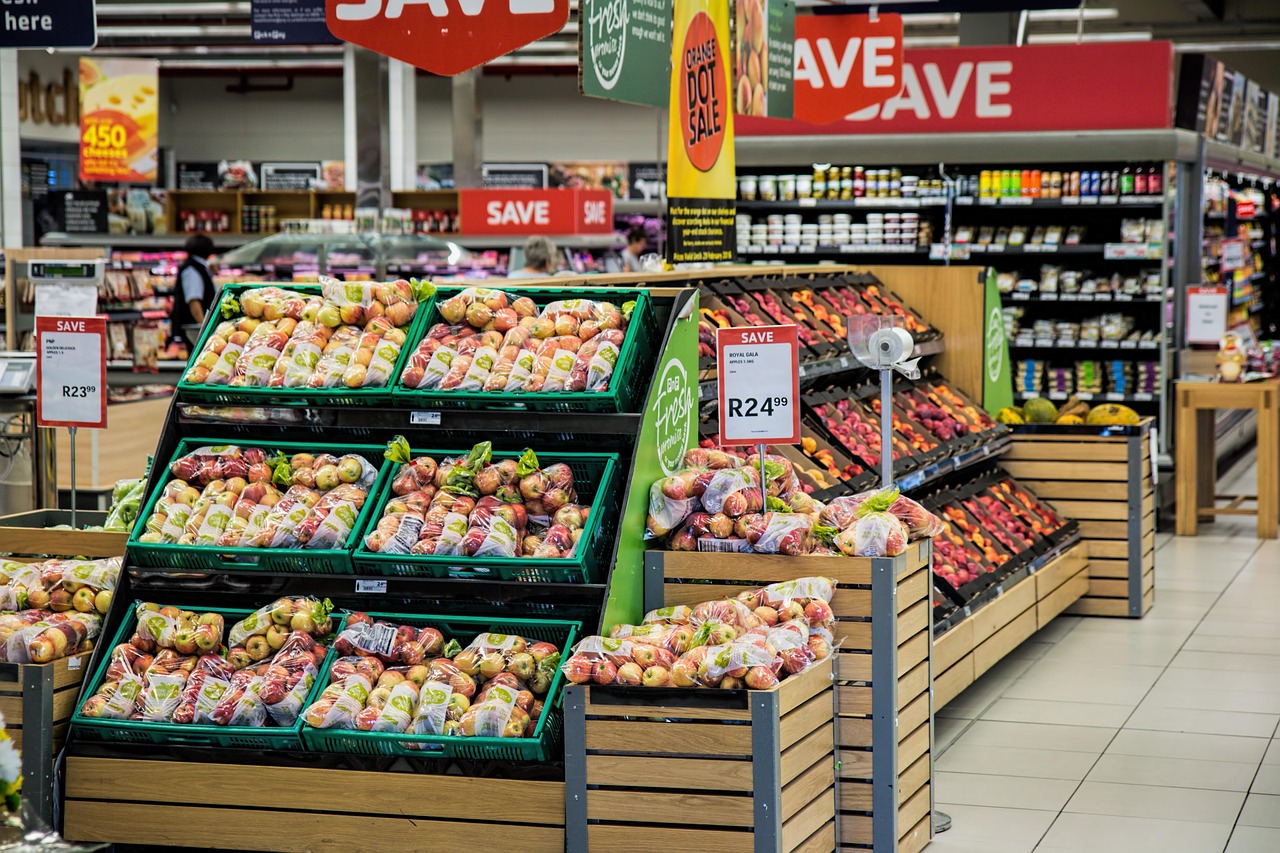
Cloud-based EPOS technology has fundamentally changed how UK businesses manage sales, stock and customer data — replacing bulky on-premise hardware with flexible, internet-connected systems that work in real time across every terminal and location. For retailers, restaurateurs and independent operators alike, the shift to a cloud EPOS platform means faster reporting, simpler software updates and the freedom to manage your business from anywhere. This guide covers everything you need to make a confident, well-informed decision.
What Is a Cloud EPOS System and How Does It Work?
A cloud EPOS (Electronic Point of Sale) system processes transactions and stores your business data on secure remote servers rather than on a local hard drive. Your tills, tablets and back-office devices connect via the internet, and every sale, stock movement or staff login is recorded and synchronised across your entire operation in real time.
In practical terms, this means a shop owner in Manchester can view live sales figures from a London branch on a smartphone. A restaurant manager can update a menu at 9 am and see it reflected on every table-side tablet within seconds. Unlike traditional EPOS setups, there is no single point of hardware failure holding your data hostage — and software updates happen automatically, overnight, without engineering visits.
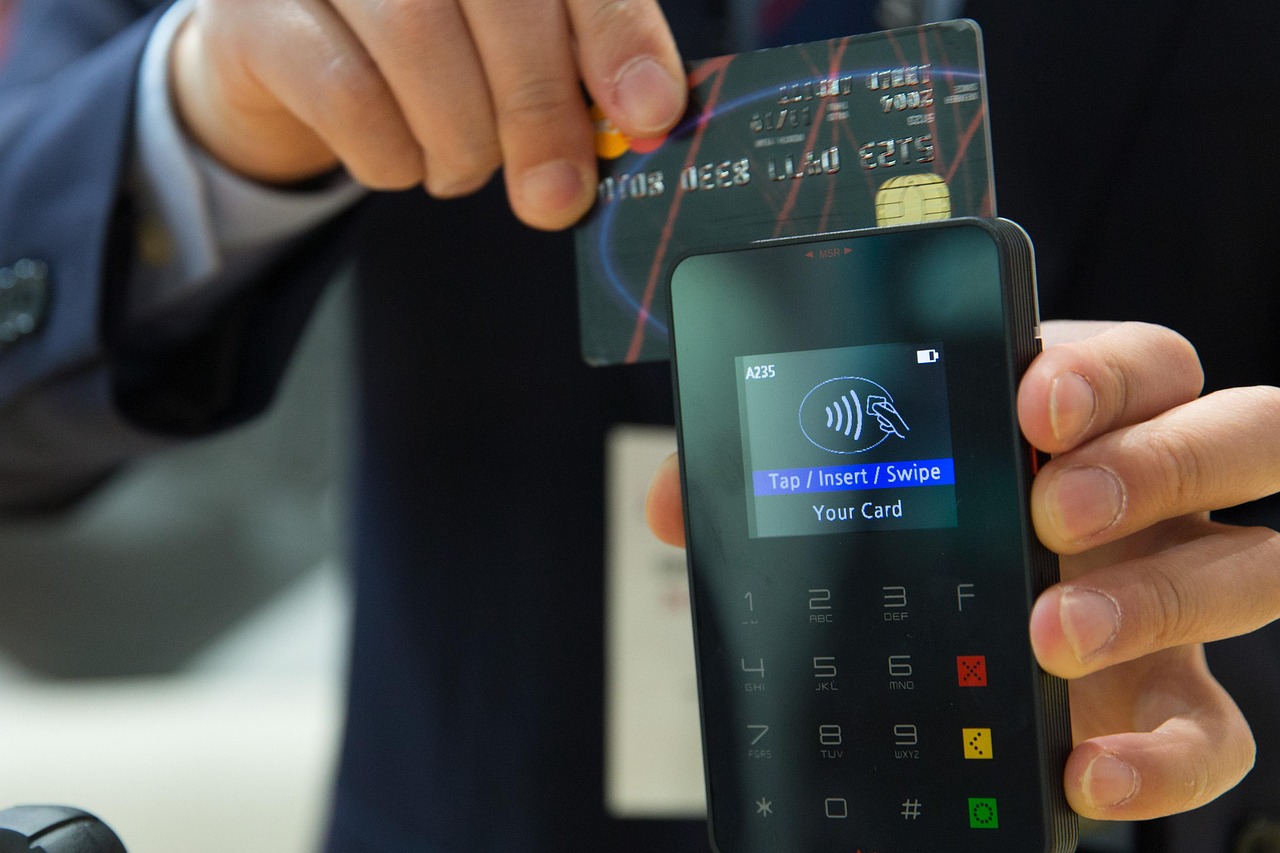
Most cloud EPOS platforms use a Software as a Service (SaaS) model, meaning you pay a monthly or annual subscription rather than a large upfront licence fee. The hardware — touchscreen terminals, barcode scanners, receipt printers and card readers — is typically purchased outright or bundled into a leasing arrangement.
Key Benefits of Cloud EPOS for UK Retail and Hospitality Businesses
The advantages of cloud-connected point of sale extend well beyond convenience. For UK businesses operating in competitive, margin-sensitive environments, the operational and financial gains are material.
- Real-time reporting from anywhere: Sales dashboards, stock levels and staff performance are accessible on any device with a browser — essential for multi-site operators or owners who are not always on the shop floor.
- Automatic software updates: Security patches, new features and compliance changes (including Making Tax Digital obligations) are applied centrally, with no manual intervention required.
- Scalability without disruption: Adding a new till, a second site or a new product category takes minutes rather than days. Cloud infrastructure grows with your business.
- Integrated payments: Modern cloud EPOS platforms connect directly with card terminals, reducing reconciliation errors and speeding up end-of-day processes. See our guide to the best EPOS systems with integrated card payments for a detailed breakdown.
- Business continuity: Many systems include an offline mode, allowing transactions to continue if your broadband drops, with data syncing automatically once connectivity is restored.
- Reduced IT burden: With no local servers to maintain, your team focuses on trading, not troubleshooting hardware.
Cloud EPOS vs Traditional EPOS: Which Is Right for Your Business?
The choice between cloud and traditional (server-based) EPOS is not simply a technology decision — it reflects how you want to run your business day to day. The table below sets out the most relevant practical differences for UK buyers.
| Criteria | Cloud EPOS | Traditional (On-Premise) EPOS |
|---|---|---|
| Data storage | Secure remote servers; accessible anywhere | Local hard drive or on-site server |
| Software updates | Automatic and remote | Manual; often requires engineer visit |
| Upfront cost | Lower — hardware plus monthly SaaS subscription | Higher — hardware plus perpetual software licence |
| Multi-site management | Centralised, real-time across all locations | Complex; typically requires separate systems |
| Internet dependency | Required; offline mode available on most platforms | Fully functional without internet |
| Reporting | Live dashboards; accessible remotely | End-of-day or manually exported reports |
| Scalability | High — add terminals or sites quickly | Limited — hardware-dependent expansion |
| Best suited to | Growing businesses, multi-site operators, hospitality | Single-site businesses with unreliable broadband |
For most UK businesses — particularly those in retail, hospitality and food service — the cloud model delivers a superior combination of flexibility, insight and total cost of ownership. If your broadband reliability is a genuine concern, ask prospective suppliers about offline capability before committing.
Must-Have Features to Look for in a UK Cloud EPOS System
Not all cloud EPOS platforms are equal. Here are the features that separate capable, future-proof systems from those that will restrict your growth.
Core transactional features
- Fast, intuitive touchscreen interface with customisable product layouts
- Integrated card payment processing (chip & PIN, contactless, Apple Pay, Google Pay)
- Split payments, refunds and discount management
- VAT-compliant receipts and Making Tax Digital (MTD) readiness
Stock and inventory management
- Real-time stock level tracking across all locations
- Low-stock alerts and automated purchase order generation
- Variant management (size, colour, weight) — particularly important for clothing and food retailers
- Supplier management and goods-in recording
Reporting and analytics
- Live sales dashboards accessible on mobile and desktop
- Product performance, margin and staff sales reports
- Footfall patterns and peak-hour analysis for staffing decisions
Integrations
- Accounting software (Xero, QuickBooks, Sage)
- E-commerce platforms for unified online and in-store stock
- Loyalty programmes and CRM tools
- Delivery platforms for hospitality businesses
If you are evaluating systems for a specific sector, our dedicated guides — including the best EPOS systems for clothing shops and the complete EPOS guide for small businesses — explore feature priorities in more depth.
How Much Does a Cloud EPOS System Cost in the UK?
Cost is one of the first questions any sensible buyer asks, and the honest answer is that pricing varies considerably based on your business size, sector and the feature set you need. The figures below are indicative market ranges — not quotes — intended to give you a realistic planning framework.
Typical cost components
- Hardware: A single touchscreen terminal, receipt printer and barcode scanner bundle typically starts from around £300–£700. More comprehensive setups with customer-facing displays, cash drawers and additional peripherals can run higher.
- Software subscription: Cloud EPOS software licences for UK businesses commonly fall in the range of £30–£150 per terminal per month, depending on the feature tier and level of support included. Enterprise or multi-site plans are priced separately.
- Payment processing: Card transaction fees vary by provider and volume. Businesses processing higher volumes typically negotiate lower per-transaction rates. Some EPOS providers bundle payment processing; others integrate with your existing acquirer.
- Installation and training: Many providers include remote setup and onboarding; on-site installation is often available at an additional cost, typically ranging from a few hundred pounds for a single site.
- Ongoing support: Look for UK-based support with defined response times — this is often included in higher-tier subscriptions.
For smaller operations, our guide to the best till systems for small businesses explores entry-level options in more detail, while our combined card machine and till system guide covers bundled payment solutions that can reduce overall costs.
A practical note: always ask for a full written breakdown of all costs — hardware, software, payment fees and support — before signing any agreement. The total cost of ownership over 24–36 months is a more meaningful comparison point than the headline monthly figure.
Top Industries That Benefit Most from Cloud-Based EPOS in the UK
While almost any trading business can benefit from a well-implemented EPOS platform, certain sectors see disproportionate returns from the cloud model's specific strengths.
Retail
Independent retailers and multi-branch chains both gain from centralised stock management, real-time sales reporting and the ability to run promotions across all locations simultaneously. Fashion retailers, in particular, benefit from robust variant management and the ability to run integrated promotions across their full product range — explore more on the EPOS Direct UK home page.
Hospitality and restaurants
Cloud EPOS platforms built for food service manage table plans, course timing, kitchen display systems and online ordering integrations within a single environment. Real-time reporting lets managers spot slow-selling dishes or peak service periods and respond quickly. If you are ready to explore options, view our hospitality and restaurant EPOS offers to find a package suited to your venue.
Pharmacies and healthcare retail
Pharmacies require EPOS systems that handle prescription management, age verification, product traceability and complex VAT rules simultaneously. Cloud connectivity allows head-office oversight of dispensing activity and stock across multiple branches. Book a pharmacy EPOS software demo to see how these requirements are handled in practice.
Food-to-go and quick service
Speed of service is critical in this sector. Cloud EPOS platforms with integrated kitchen display systems, loyalty integrations and contactless payment support reduce queue times and improve throughput during peak periods.
Garden centres and specialist retail
Seasonal inventory, complex product hierarchies and the need to manage both indoor and outdoor point-of-sale points make cloud EPOS — with its remote management capability — a natural fit.
Common Questions Buyers Ask Before Choosing a Cloud EPOS Platform
What happens if my internet goes down?
This is one of the most frequently raised concerns, and a legitimate one. The best cloud EPOS platforms include an offline mode that allows your tills to continue processing sales, applying prices correctly and printing receipts even when the connection drops. Once connectivity is restored, all offline transactions sync automatically to the cloud. Always confirm the specific offline capabilities of any system you are evaluating — and test it during a demo.
Is my business data secure in the cloud?
Reputable cloud EPOS providers store data in ISO 27001-certified or equivalent data centres, with encryption in transit and at rest. In practice, cloud storage is typically more secure than a local hard drive, which is vulnerable to physical theft, fire or hardware failure. Ask any prospective provider about their data residency (UK-based servers are preferable for GDPR compliance), backup frequency and breach notification procedures. GDPR compliance remains your responsibility as the data controller — your EPOS provider acts as a data processor.
Can a cloud EPOS system work across multiple locations?
Multi-site management is one of the strongest use cases for cloud EPOS. A properly configured system provides a single, unified view of stock, sales and staff across all locations, with the ability to transfer stock between sites, run group-wide promotions and consolidate reporting from a single dashboard. If you are planning to expand, this scalability should be a priority evaluation criterion from day one.
Why Choose EPOS Direct UK for Your Cloud EPOS System?
EPOS Direct UK has been helping businesses across retail, hospitality and specialist sectors implement reliable, scalable point-of-sale technology. Our cloud EPOS solutions are designed around the specific operational realities of UK businesses — from VAT compliance and Making Tax Digital readiness to integrated card payments and sector-specific software built for retail, restaurants and pharmacies.
We offer UK-based support, transparent pricing and the flexibility to configure a system that fits your business now and grows with it. Whether you are an independent retailer weighing up your first EPOS system or a multi-site operator ready to consolidate on a single cloud platform, our team can help you identify the right solution without overselling.
- Book a retail EPOS software demo to see our retail platform in action.
- Book a restaurant EPOS software demo for a hospitality-focused walkthrough.
- Prefer to talk it through first? Talk to an expert online — no obligation, no sales pressure.
- Ready to see what's included? Browse our current retail EPOS offers for hardware and software bundles.
You may also find it useful to read our broader guide to EPOS and POS systems for UK businesses before making your final decision.
The Bottom Line
A cloud-connected EPOS platform gives UK businesses something genuinely valuable: operational clarity, scalability and the confidence that your technology will keep pace with how your business evolves. The hardware cost is predictable, the software updates are automatic, and the reporting is always live — wherever you happen to be.
The right system is the one built around your sector, your team and your growth plans — not the cheapest headline price or the most features on a spec sheet. If you are ready to explore your options, request a free demo with EPOS Direct UK and speak with a specialist who understands what your business actually needs.
Written by the EPOS Direct UK team, who work with retail, hospitality and specialist businesses across the United Kingdom every day to implement EPOS and POS systems that are practical, compliant and built for growth.
Frequently asked questions
- Can a cloud EPOS system work without an internet connection in the UK?
- Yes. Most modern cloud EPOS systems, including those supplied by EPOS Direct UK, offer offline mode functionality. Sales can still be processed locally and data automatically syncs back to the cloud once your internet connection is restored, ensuring zero business disruption.
- What is the difference between a cloud EPOS system and a traditional EPOS system?
- A traditional EPOS system stores all data locally on in-store hardware, while a cloud EPOS system stores data on remote servers accessible from any device with an internet connection. Cloud EPOS gives UK business owners real-time reporting, remote management, automatic software updates, and easier multi-site scalability.
- How much does a cloud EPOS system cost for a small UK business?
- Cloud EPOS system costs in the UK typically range from around £20 to £100+ per month for software subscriptions, depending on features and number of users. Hardware bundles from EPOS Direct UK can be purchased outright or on flexible payment plans, making it accessible for small retailers, cafes, and hospitality venues.
