We use cookies to make your experience better.
To comply with the new e-Privacy directive, you agree to the privacy policy and our use of cookies


Best Contactless Payment Terminals for Small Business in the UK (2026 Guide)
Contactless Payment Terminals for Small Business: The Complete UK Guide
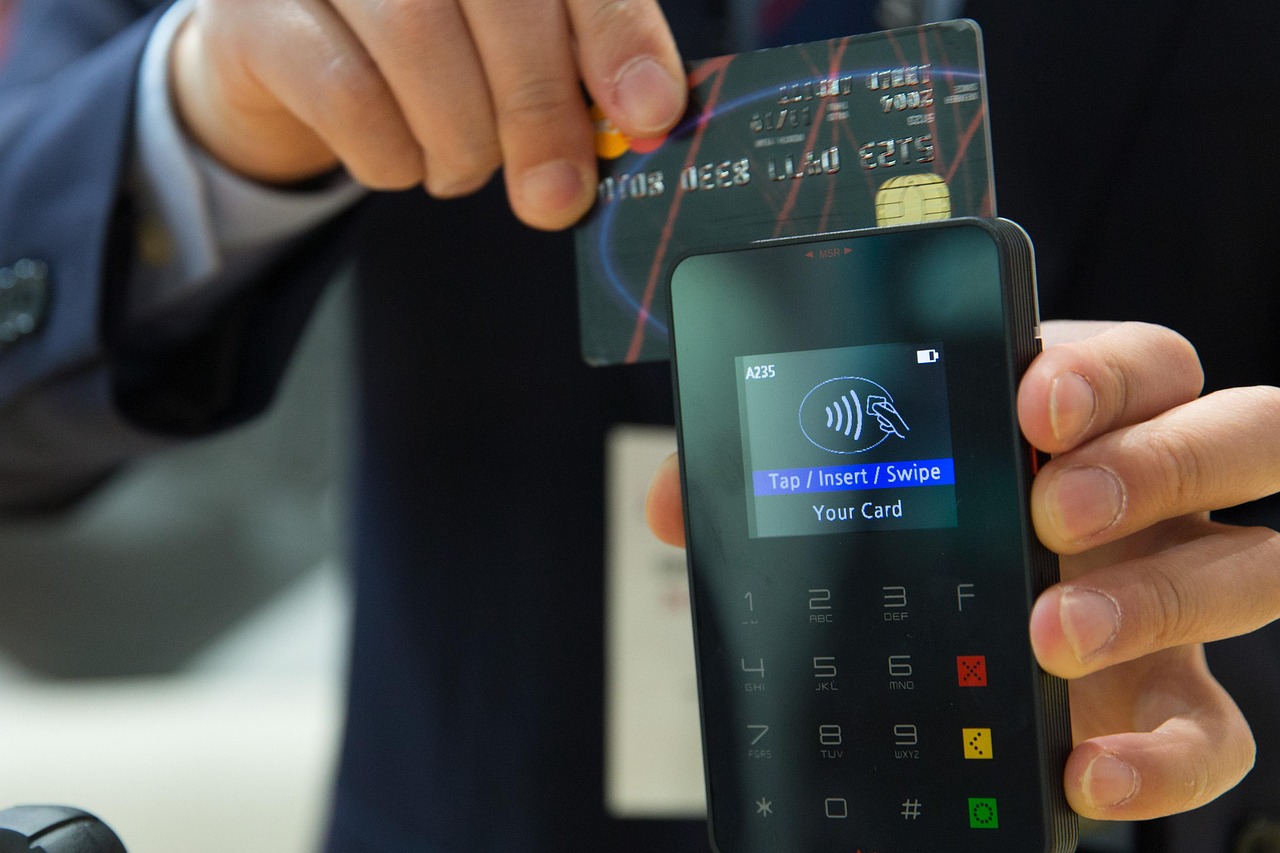
A contactless payment terminal lets customers pay by tapping a card, smartphone or wearable device against a reader — completing a secure transaction in seconds, without a PIN for most everyday amounts. For small businesses across the UK, accepting contactless payments is no longer optional: consumer expectation, payment network mandates and the continued decline of cash mean that any business unable to offer tap-to-pay risks losing sales at the point of decision. This guide walks you through every practical consideration — from choosing the right terminal type to understanding realistic costs and integrating card acceptance with your wider till setup.
What Is a Contactless Payment Terminal and How Does It Work?
Contactless terminals use Near Field Communication (NFC) technology to exchange encrypted payment data between a customer's card or device and the reader. The customer holds their card (or phone, watch or ring) within a few centimetres of the terminal; the transaction is authorised through the card network and funds settle into the merchant's account — typically within one to three business days.
In the UK, the contactless spending limit for a single card tap is currently set by UK Finance and the Financial Conduct Authority (FCA). It rose to £100 per transaction following post-pandemic rule changes; verify the current limit at ukfinance.org.uk or your acquiring bank, as limits are subject to periodic review. Apple Pay, Google Pay and Samsung Pay are not subject to the same per-transaction ceiling because device-level biometric authentication replaces the PIN, allowing higher-value contactless purchases.
How authorisation works in practice
- The terminal transmits encrypted card data to the acquirer (your payment processor).
- The acquirer routes the request through Visa, Mastercard or Amex networks to the card issuer.
- The issuer approves or declines — the entire round-trip typically completes in under two seconds.
- A receipt can be printed, emailed or suppressed; the customer is on their way.
Why Small Businesses in the UK Need a Contactless Payment Solution
UK consumer behaviour has shifted decisively. According to UK Finance's regular payments data (published annually at ukfinance.org.uk), debit card payments now account for the majority of all UK retail transactions, and contactless makes up a growing share of those. A small business that accepts only cash or chip-and-PIN is creating friction — and friction costs sales.
Beyond consumer preference, there are operational advantages:
- Faster queue throughput: a contactless tap completes in under three seconds versus fifteen or more for a chip-and-PIN entry. At peak trading times, this directly affects revenue.
- Reduced cash-handling costs: counting, banking and reconciling cash carries a real labour cost and security risk that is largely eliminated when customers pay digitally.
- Cleaner data: every card transaction creates a timestamped, itemised record that feeds directly into your sales reports — invaluable for stock management and cash-flow forecasting.
- Customer trust signals: a modern, well-presented terminal communicates professionalism at the moment that matters most — payment.
If you are evaluating your wider point-of-sale setup at the same time, our practical guide to the best till systems for small businesses in the UK covers the full picture of till hardware, software and payment integration.
Types of Contactless Payment Terminals: Which Is Right for Your Business?
Not all terminals suit every trading environment. The table below maps the main solution types against the business scenarios where each performs best.
| Terminal Type | Best For | Connectivity | Typical Limitation |
|---|---|---|---|
| Countertop (fixed) | Retail tills, café counters, reception desks | Ethernet or Wi-Fi | Customer must come to the counter |
| Portable / wireless | Restaurants, pubs, market stalls (indoors) | Wi-Fi or Bluetooth to base | Range limited to Wi-Fi coverage zone |
| Mobile (SIM/4G) | Street traders, delivery drivers, outdoor events | 4G / 5G mobile data | Ongoing SIM data cost; signal dependent |
| Integrated EPOS terminal | Multi-line retailers, hospitality, pharmacy | Wired or Wi-Fi to EPOS system | Requires compatible EPOS software |
| Tap-on-phone (SoftPOS) | Pop-ups, sole traders, backup acceptance | Smartphone NFC + mobile data | Limited to lower transaction volumes |
For businesses that trade away from a fixed counter, our guide to the best wireless card machines for small businesses in the UK explores portable and mobile options in greater depth, including battery life, range and connectivity considerations.
Key Features to Look for in a Small Business Payment Terminal
Hardware specification matters less than the combination of features that match your workflow. Prioritise these when evaluating any terminal:
Payment acceptance breadth
Ensure the terminal accepts Visa, Mastercard, Maestro, American Express (if relevant to your customer base), and the major digital wallets — Apple Pay, Google Pay and Samsung Pay. Check whether your processor charges differently for Amex or premium cards.
Integration with your till or EPOS software
A standalone terminal that requires manual entry of each sale amount is workable but inefficient and error-prone. An integrated terminal that receives the total automatically from your EPOS software eliminates double-keying and speeds up reconciliation. See how this works in practice in our overview of card machine and till system combined solutions.
Connectivity reliability
Wi-Fi-dependent terminals should support dual-band (2.4 GHz and 5 GHz) and ideally offer a fallback mode. Countertop terminals with an Ethernet option provide the most resilient connection for fixed-location businesses.
Receipt options
Check whether the terminal supports printed receipts (and whether a printer is bundled or separate), digital receipts by email or SMS, or receipt suppression — increasingly preferred by customers and good for sustainability commitments.
Reporting and data export
Basic terminals offer a daily Z-report. More capable systems — especially when integrated with EPOS software — provide real-time dashboards, per-product sales breakdowns and automated VAT summaries. This data is genuinely useful at tax return time and for stock reordering decisions.
Security and PCI DSS compliance
Any terminal and processor combination you use must be compliant with the Payment Card Industry Data Security Standard (PCI DSS). Your payment processor should confirm this in writing; verify the current standard version at pcisecuritystandards.org. Never purchase second-hand terminals from unverified sources — tampered hardware is a real risk.
How Much Does a Contactless Payment Terminal Cost in the UK?
Costs vary depending on whether you purchase hardware outright, lease it, or take it as part of a bundled EPOS package. The figures below are indicative market ranges based on typical UK pricing at the time of writing — always request a personalised quote, as rates depend on your transaction volume, business type and the provider you choose.
Hardware costs
- Entry-level portable terminal (SIM or Wi-Fi): typically from around £30–£80 as a one-off purchase from a provider, or supplied free/subsidised as part of a processing contract.
- Mid-range integrated terminal: typically from around £150–£350 depending on screen size, printer integration and connectivity options.
- Full EPOS bundle (till, terminal, software): most small business setups fall between approximately £500 and £1,500 as a starter package — more for multi-terminal or multi-site configurations.
Transaction and processing fees
- Percentage-per-transaction fee: typically 0.5%–2.5% per card transaction, varying by card type (debit versus credit, domestic versus international) and your negotiated rate.
- Fixed monthly rental / service fee: some providers charge a monthly terminal rental, typically from around £15–£40 per month per device.
- No-monthly-fee models: pay-as-you-go processors typically charge a higher per-transaction rate in exchange for no fixed monthly commitment — useful for low-volume or seasonal businesses. Our guide to card machines with no monthly fee covers these options honestly.
If budget is a primary constraint, our overview of the most affordable EPOS systems for small businesses in the UK will help you identify where to invest and where to save without compromising on core functionality.
How EPOS Direct Integrates Contactless Payments with Your Till System
A contactless terminal operating in isolation gives you payment acceptance. A terminal integrated with a full EPOS system gives you payment acceptance plus automatic stock deduction, real-time sales reporting, customer loyalty tracking and end-of-day reconciliation — all without any manual data transfer between systems.
EPOS Direct's platform is designed around this integration. When a sale is completed on the EPOS touchscreen, the transaction total is pushed directly to the payment terminal; the customer taps and the result (approved or declined) feeds back into the system automatically. No double-keying. No reconciliation discrepancies.
Retail businesses
For clothing shops, gift shops, convenience stores and similar retail environments, integrated payment means every card transaction updates inventory in real time. You can see what has sold, at what margin, and what needs reordering — without touching a spreadsheet. Our guide to the best EPOS systems for clothing shops in the UK explores this in a retail-specific context. You can also request a retail EPOS software demo to see the payment integration working live.
Hospitality and restaurants
Table-side payment, split bills and course-by-course ordering all require a terminal that communicates fluently with your EPOS. EPOS Direct's hospitality system supports pay-at-table workflows with wireless terminals that sync to kitchen and bar printers. Book a restaurant EPOS software demo to see the full workflow. You can also explore our hospitality and restaurant EPOS offers for current packages.
Pharmacy and regulated retail
Pharmacies have specific compliance and reporting requirements — an integrated terminal ensures payment data aligns with dispensing records and NHS payment reconciliation. Request a pharmacy EPOS software demo to understand how the system handles these workflows.
For a broader view of what an integrated EPOS system looks like across business types, the complete 2026 guide to EPOS systems for small businesses is an excellent starting point.
How to Get Started with a Contactless Terminal for Your Small Business
The practical steps are straightforward once you know what you need:
- Audit your current setup. Do you have a till system already? Is it software-based or a legacy cash register? Understanding your starting point determines whether you need a standalone terminal or a fully integrated solution.
- Estimate your monthly transaction volume. High-volume businesses benefit from negotiated percentage rates; low-volume businesses may prefer a no-monthly-fee pay-as-you-go model. Know your numbers before you approach any provider.
- Decide on hardware form factor. Fixed counter, portable wireless, or mobile SIM — review the table above and match to your trading environment. Multi-location businesses should also factor in centralised reporting.
- Ask about integration. If you already run (or plan to run) an EPOS system, confirm that the terminal and software are certified to work together. Mismatched systems are the most common source of reconciliation headaches.
- Verify PCI DSS compliance. Ask any provider for written confirmation that their terminal and processing solution is PCI DSS compliant.
- Request a demonstration. No reputable provider should hesitate to show you the system working end-to-end before you commit.
The EPOS Direct UK team works with small businesses across retail, hospitality, pharmacy and service sectors every day. You can visit the EPOS Direct home page for more offers and information, or go straight to talk to an expert online with your specific questions. If you would prefer to see the system in action first, request a free demo and a specialist will walk you through a setup matched to your business type.
Conclusion
Accepting contactless payments is a baseline expectation for any UK small business serving modern consumers — but the terminal itself is only one part of a well-considered payment setup. The businesses that get the most from their payment hardware are those that integrate it with smart EPOS software, understand their true processing costs, and choose hardware that suits their specific trading environment. Whether you run a café, a boutique, a pharmacy or a market stall, there is a configuration that fits — and the right advice makes selecting it straightforward.
EPOS Direct specialises in exactly this: matching UK small businesses with integrated EPOS and payment solutions that are practical, scalable and fairly priced. Explore our retail EPOS offers, or request a call back and let our team recommend the right payment and EPOS setup for your business.
Written by the EPOS Direct UK team, who help small and independent businesses across the United Kingdom choose, configure and get the most from their EPOS and payment systems every day.
Frequently asked questions
- Do I need a separate contactless payment terminal or can it be built into my EPOS system?
- Many modern EPOS systems, including those from EPOS Direct, offer integrated contactless payment terminals that connect directly to your till software. This means transactions are recorded automatically, reducing manual errors and saving time at the point of sale. Standalone terminals are also available if you only need basic card acceptance.
- What are the typical transaction fees for contactless payments for small businesses in the UK?
- Transaction fees in the UK typically range from 0.5% to 2.5% per transaction depending on your payment provider, card type, and monthly turnover. Some providers charge a flat monthly fee plus a lower per-transaction rate, which can be more cost-effective for higher-volume small businesses. Always compare the total cost of ownership, including hardware and software fees.
- Can a contactless payment terminal accept Apple Pay, Google Pay, and card payments?
- Yes. Most modern contactless payment terminals support NFC technology, which enables them to accept chip-and-PIN cards, contactless debit and credit cards, Apple Pay, Google Pay, and other mobile wallets. When paired with a full EPOS system, all payment types are logged and reconciled automatically in your reporting dashboard.
